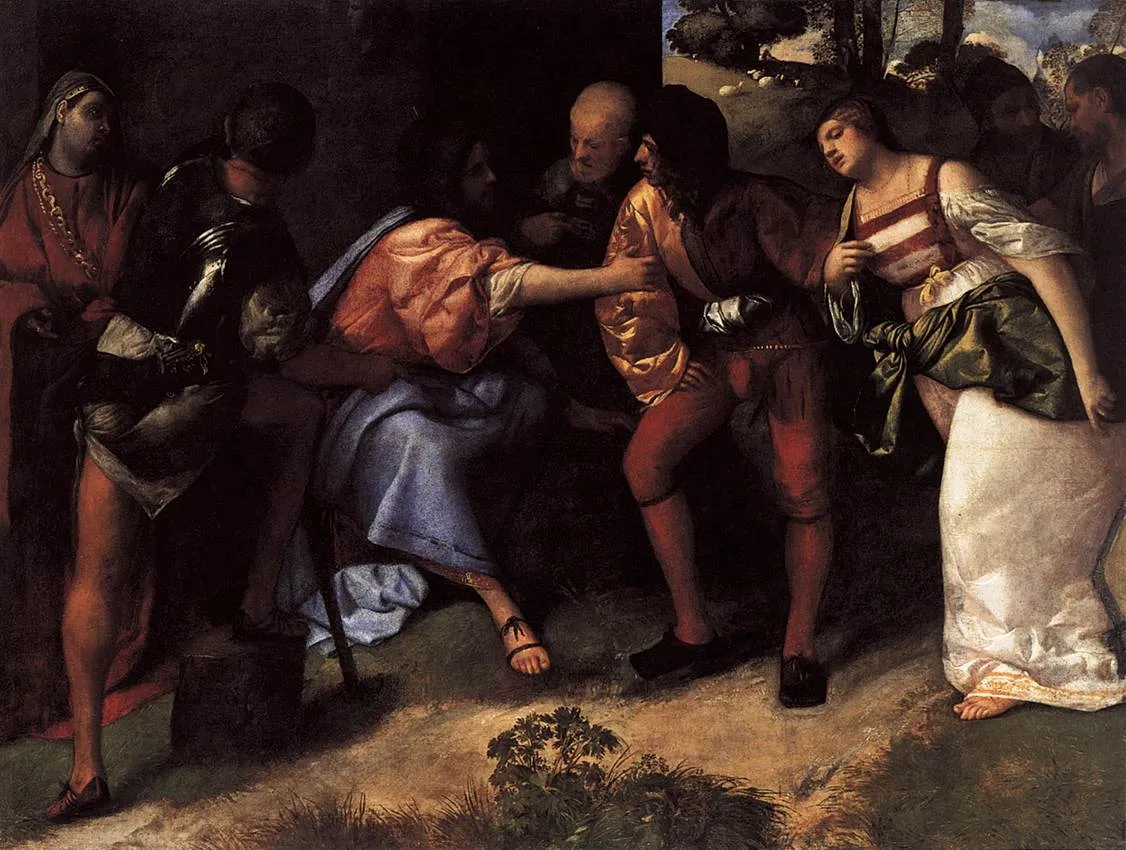
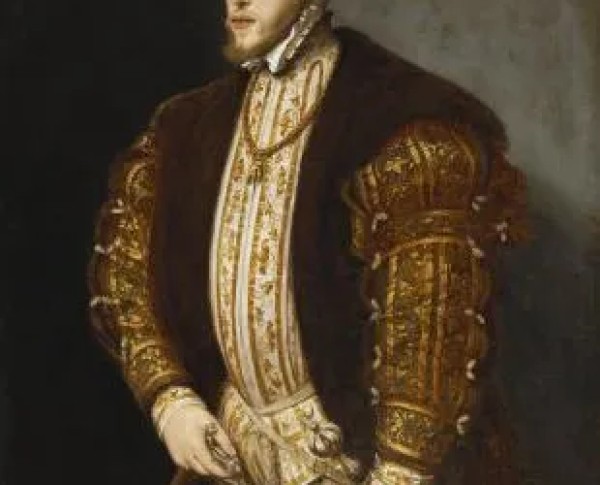
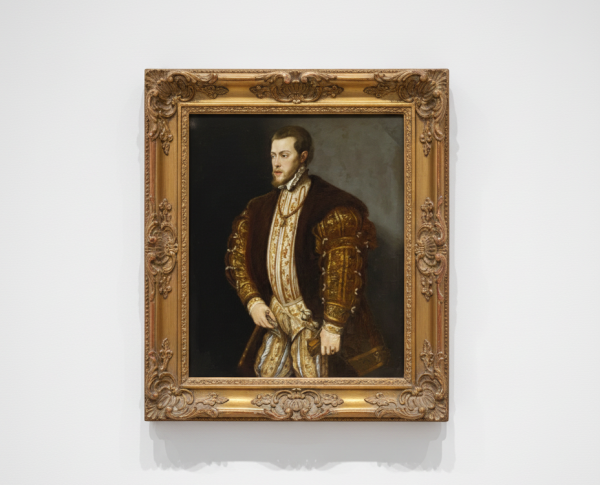
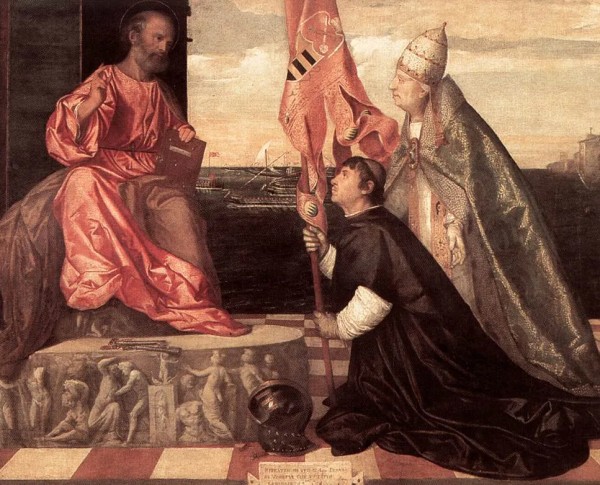
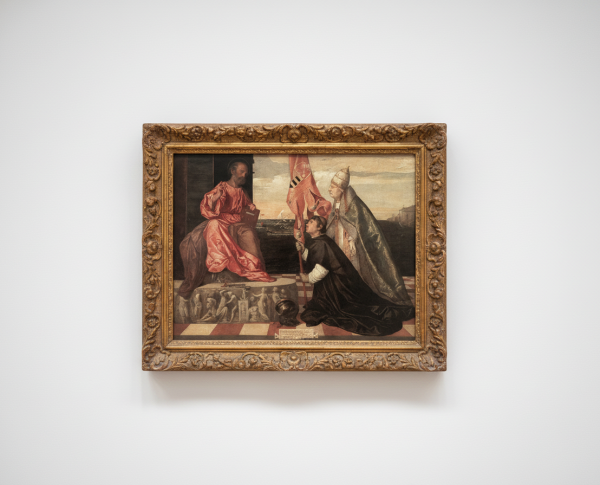
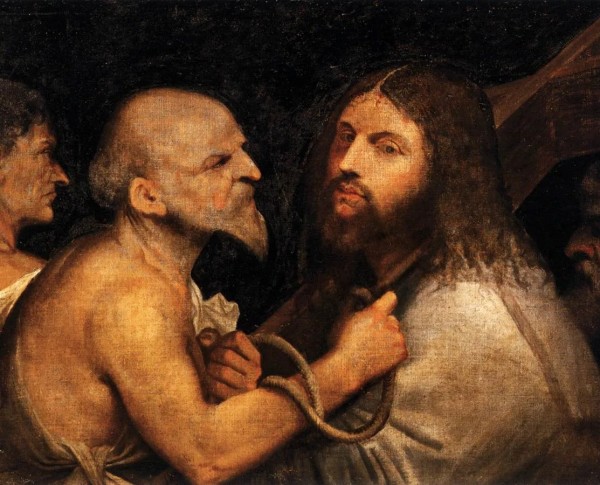
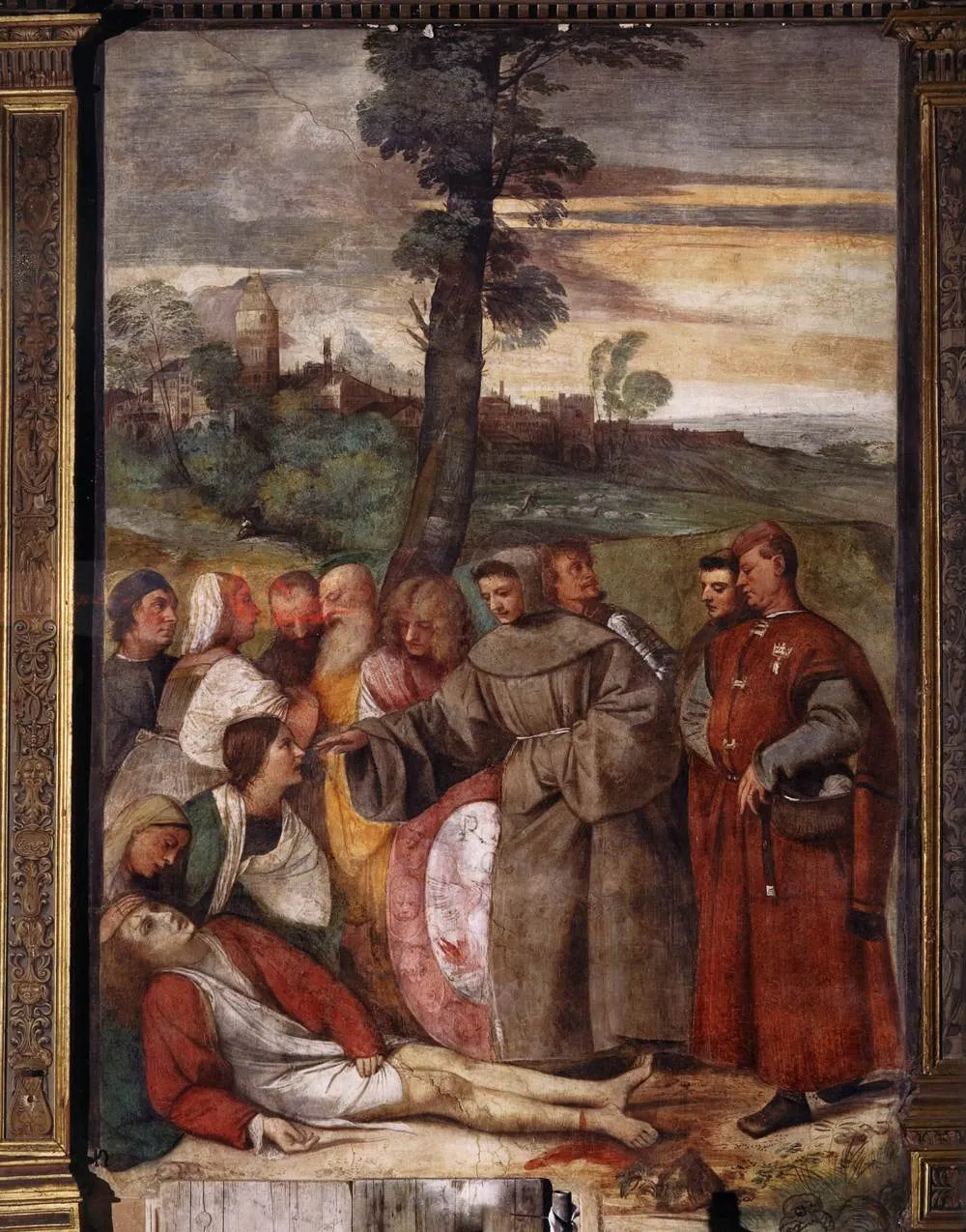
Tiziano Vecelli’s "The Healing of the Wrathful Son" exemplifies masterful oil on canvas technique, showcasing the artist’s unparalleled control of color and light. The Renaissance period was marked by such technical brilliance, and Tiziano’s works are prime examples. His attention to detail brings out the emotional depth in each figure. Art enthusiasts often compare this painting to other fine works like "The Holy Family with a Shepherd" and "Mary with the Child and Saints."
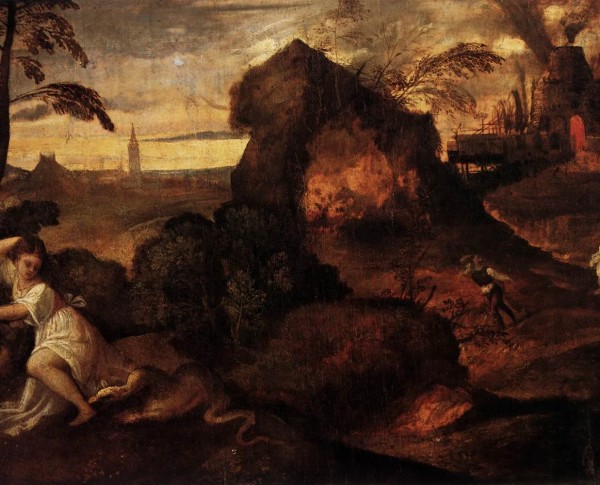
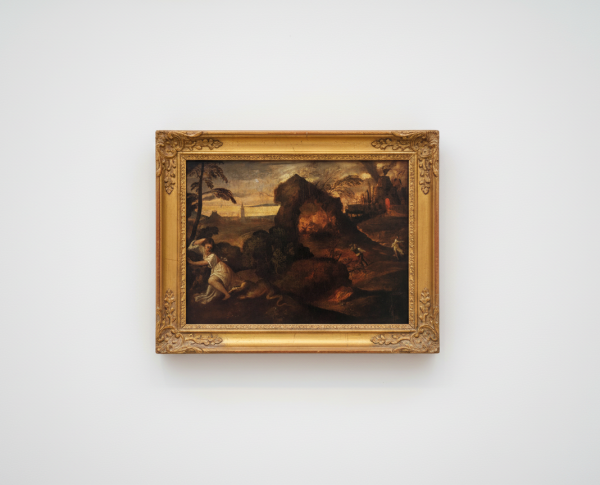
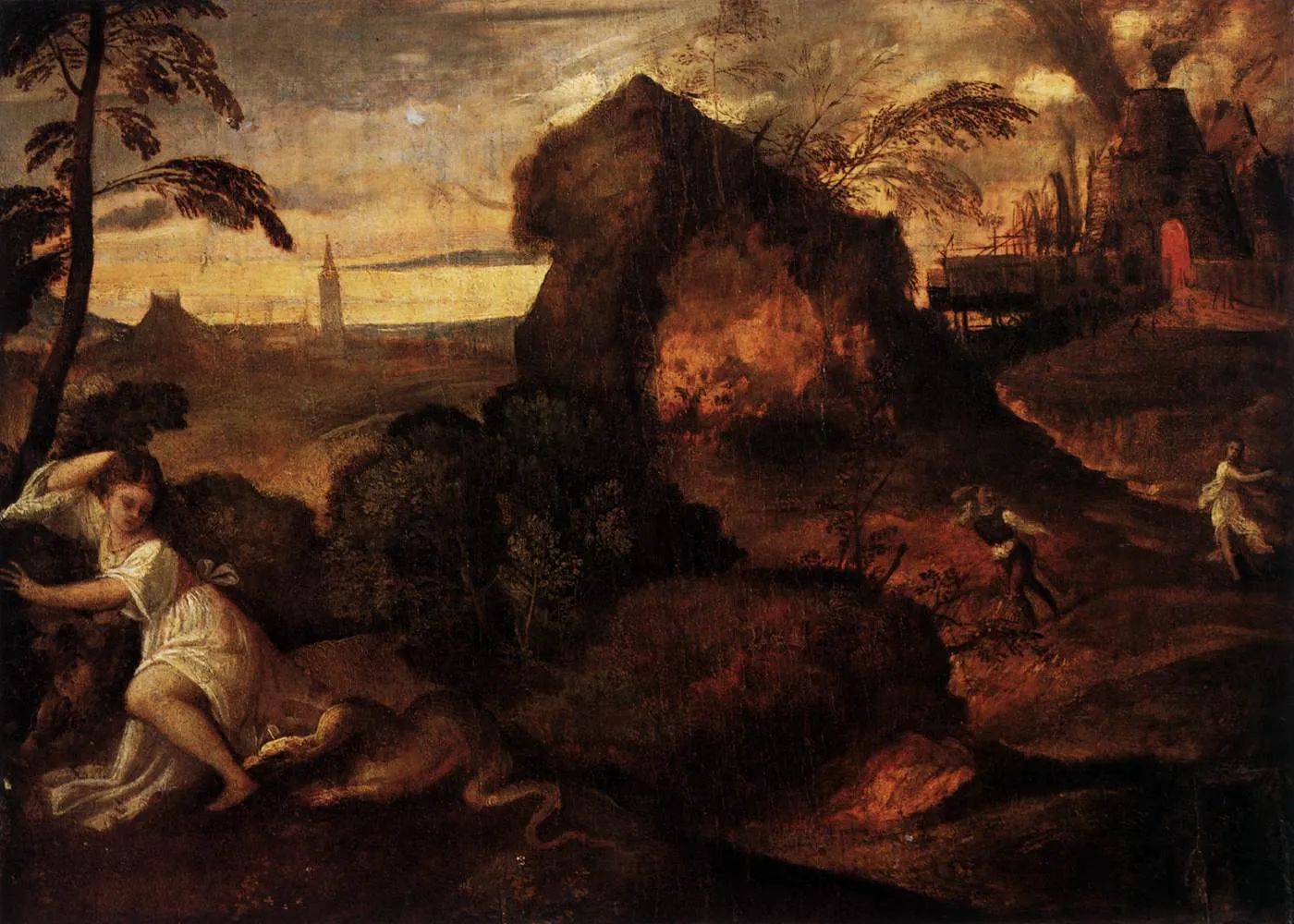
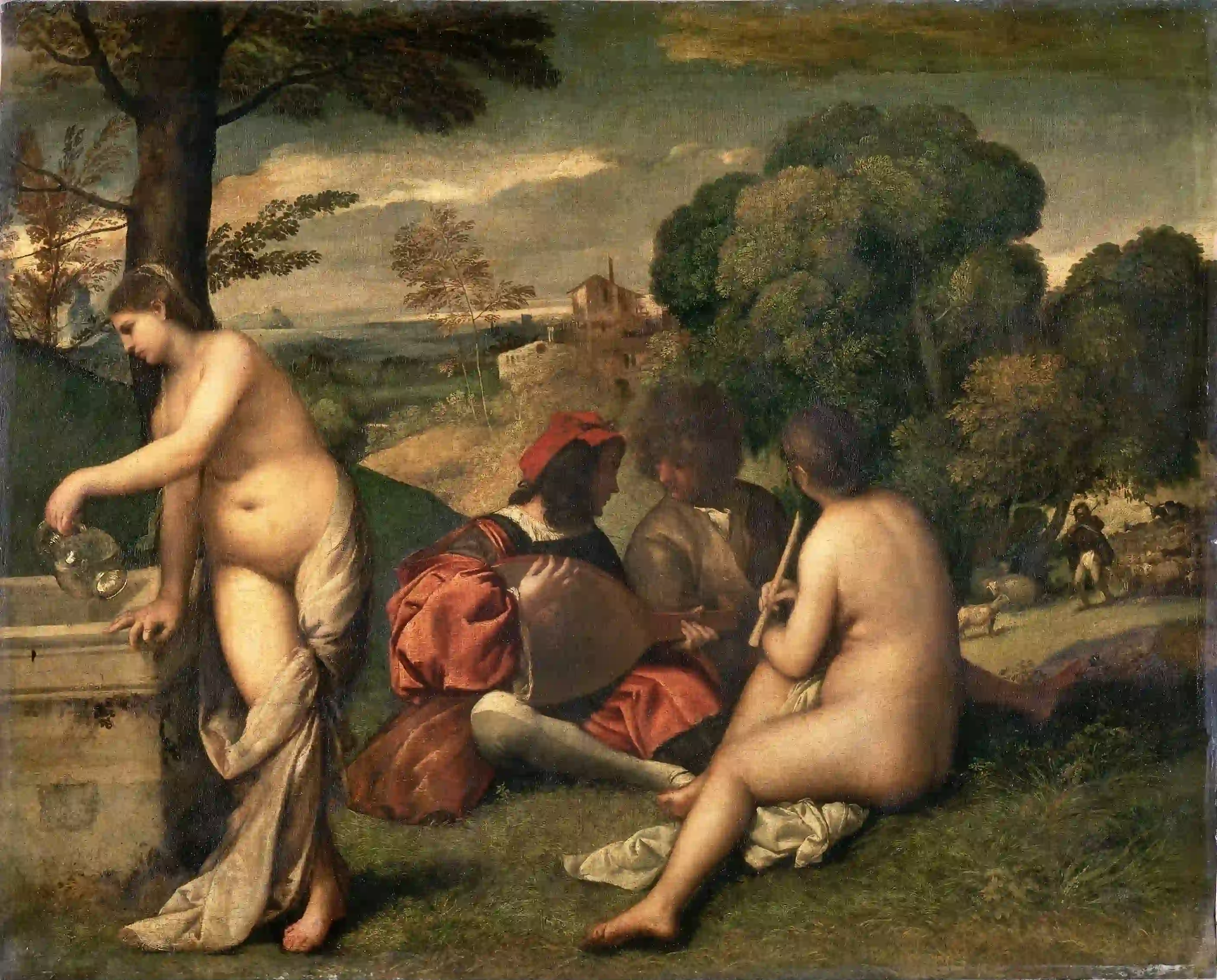
Every element in "The Healing of the Wrathful Son" conveys powerful stories and symbols, hallmarks of Renaissance art. Tiziano Vecelli weaves themes of forgiveness and redemption into this fine art painting for sale, inviting viewers to reflect on human nature. The narrative richness found here is echoed in related works such as "Concert Champetre" and "Orpheus and Eurydice," each offering layers of meaning for discerning collectors and art historians alike.
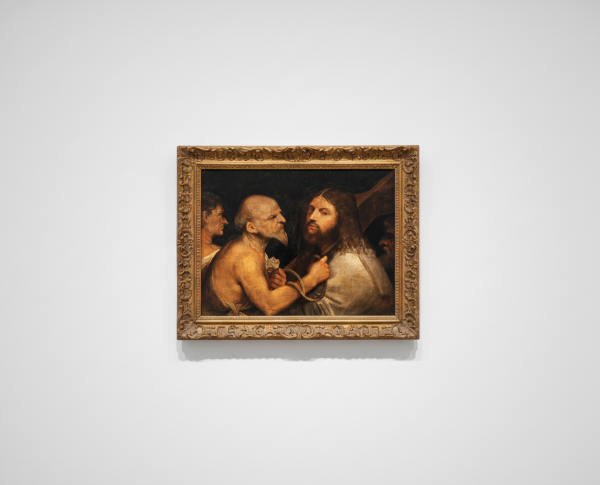
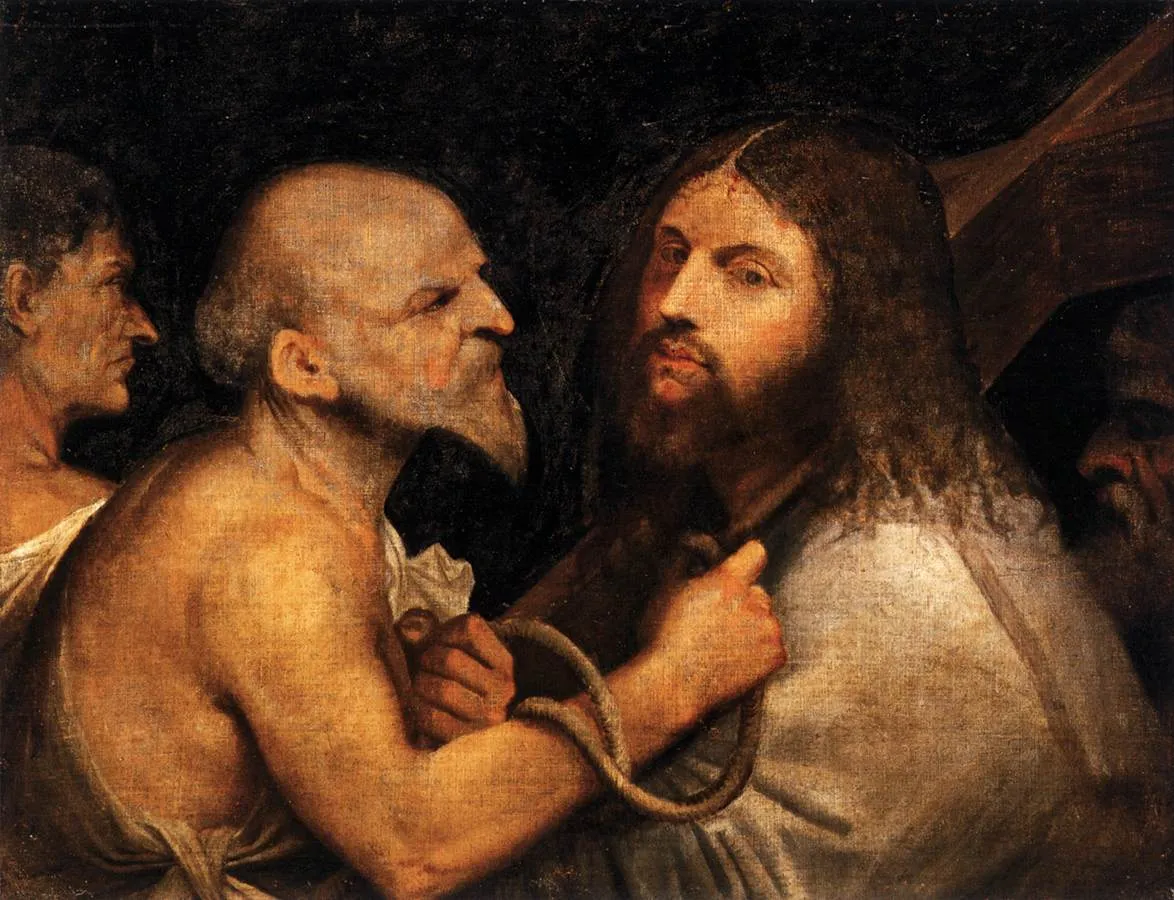
Owning "The Healing of the Wrathful Son" by Tiziano Vecelli means possessing a remarkable piece of the Renaissance. This hand-painted oil painting is more than decor—it’s a valuable asset and a conversation starter. Collectors seeking to enhance their galleries often pursue related works like "Christ Carrying the Cross" or "The Concert." Each painting from this era, including this masterpiece, represents a unique opportunity in the world of fine art painting for sale.
When Art Meets History
"The Healing of the Wrathful Son" by Tiziano Vecelli, a master of the Renaissance movement, beautifully intertwines religious narrative with historical context. This hand-painted oil painting reflects the era’s fascination with biblical stories and human emotion. Tiziano, also known as Titian, created works such as "Mystic Marriage of St Catherine" and "Conversion of Mary Magdalene," which, like this piece, showcase his profound understanding of history and timeless tales through his signature Renaissance style.
Techniques That Speak
Tiziano Vecelli’s "The Healing of the Wrathful Son" exemplifies the rich, layered brushwork typical of oil on canvas masterpieces from the Renaissance. His skillful use of light and shadow, seen also in works like "Lucretia" and "Raising of the Daughter of Jairus," brings depth and realism to the scene. The artist’s meticulous attention to detail and color harmony transforms this painting into a vibrant narrative, making each element come alive through the medium of oil on canvas.
Emotions on Display
In "The Healing of the Wrathful Son," Tiziano Vecelli deftly captures a range of human emotions, from anguish to hope. This fine art painting for sale demonstrates his ability to evoke empathy, a hallmark of Renaissance artistry. The expressive faces and dynamic gestures draw viewers into the story, much like in his "Minerva between the Geometry and Arithmetic." Tiziano’s emotional depth continues to resonate, making this painting a powerful example of Renaissance emotional storytelling.
Coveted by Collectors
Collectors and art enthusiasts highly prize "The Healing of the Wrathful Son" for its historical importance and masterful execution. As a hand-painted oil painting by Tiziano Vecelli, it stands among sought-after Renaissance works such as "Raising of the Daughter of Jairus" and "Lucretia." Its rarity and the enduring appeal of the artist’s style make it a fine art painting for sale that is coveted by collectors worldwide, continually elevating its prestige in the art market.
Related Renaissance Hand-Painted Oil Paintings by Other Artists
Other Famous Renaissance Artists:
Frequently Asked Questions About The Healing of the Wrathful Son
What is the historical context of "The Healing of the Wrathful Son"?
"The Healing of the Wrathful Son" was painted by Tiziano Vecelli, commonly known as Titian, during the late Renaissance period, a time marked by significant developments in art, culture, and philosophy in Europe. This work reflects the influence of the Counter-Reformation, emphasizing themes of redemption and divine grace.
What are the main themes depicted in the painting?
The painting explores themes of forgiveness, healing, and familial reconciliation. It portrays the transformative power of compassion, illustrating the emotional journey of the son from wrath to healing, symbolizing the potential for redemption in human relationships.
Who are the central figures in the painting and what do they represent?
The central figures include the wrathful son, who represents human anger and suffering, and a benevolent figure, often interpreted as a father or healer, symbolizing mercy and understanding. Their interaction highlights the complexities of familial bonds and the journey towards healing.
What artistic techniques did Titian employ in this painting?
Titian utilized a rich color palette and dynamic brushwork to convey emotion and movement. His mastery of chiaroscuro enhances the three-dimensionality of the figures, while the composition draws the viewer’s eye to the central act of healing, emphasizing its significance.
How does "The Healing of the Wrathful Son" reflect Titian's artistic style?
This painting exemplifies Titian's characteristic use of color and light, as well as his ability to capture human emotion. His style evolved to incorporate more expressive forms and dramatic contrasts, which are evident in the portrayal of the figures' emotional states.
What symbolism is present in the painting?
The painting is rich in symbolism, with the act of healing representing the possibility of redemption and the triumph of love over anger. The figures' expressions and gestures convey a deep emotional narrative, inviting viewers to reflect on the complexities of human relationships.
What influence did "The Healing of the Wrathful Son" have on later artists?
This work had a significant impact on subsequent generations of artists, inspiring them to explore themes of emotion and human experience. Titian's innovative use of color and composition influenced the Baroque movement and artists such as Caravaggio and Rubens.
Where can I view "The Healing of the Wrathful Son" today?
The painting is housed in a prominent art collection, where it continues to be studied and admired for its historical and artistic significance. Visitors can appreciate its detail and emotional depth in person, as well as learn more about its context through guided tours and exhibitions.
What is the significance of the title "The Healing of the Wrathful Son"?
The title reflects the central narrative of the painting, emphasizing the theme of healing as a response to anger and conflict. It encapsulates the emotional journey depicted in the artwork, inviting viewers to consider the transformative power of compassion and understanding.
How does this painting compare to other works by Titian?























_GFM_Painting_(1).webp)


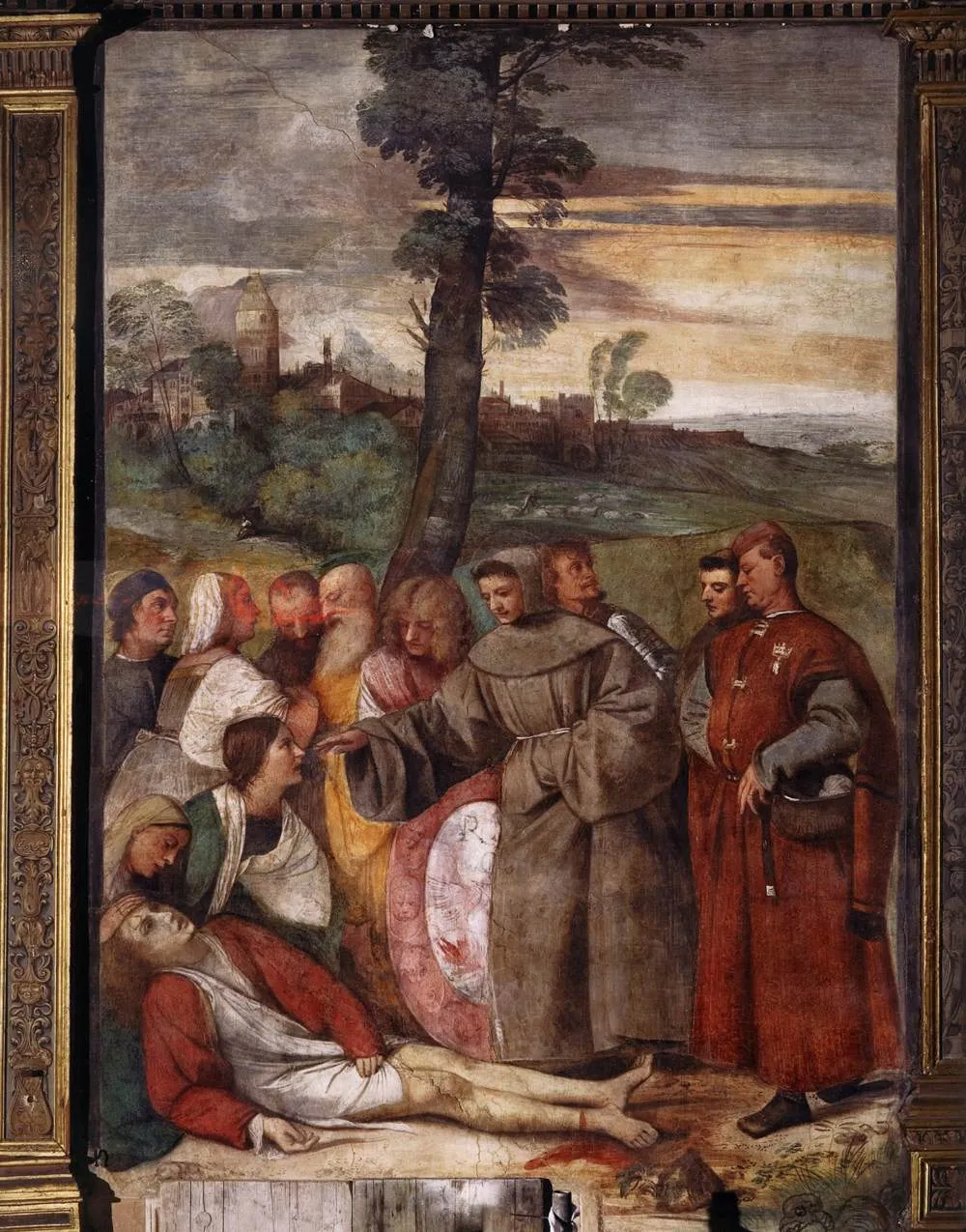
 100% Hand-Painted: Finished in 3-6 Weeks

.png)
















_(1).webp)