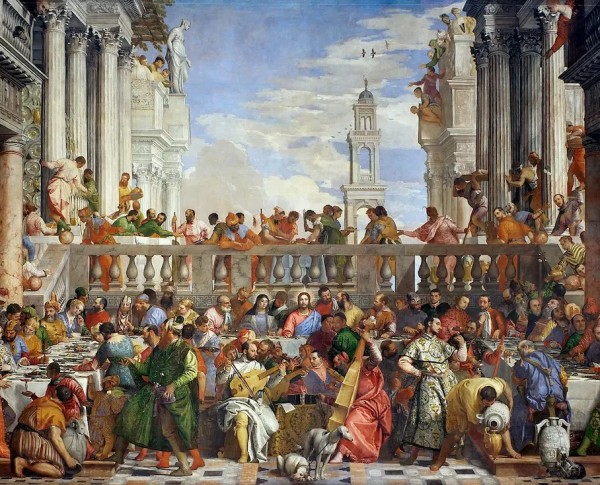
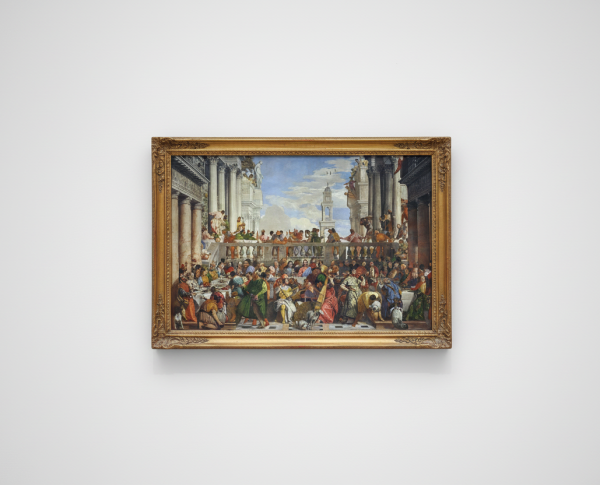
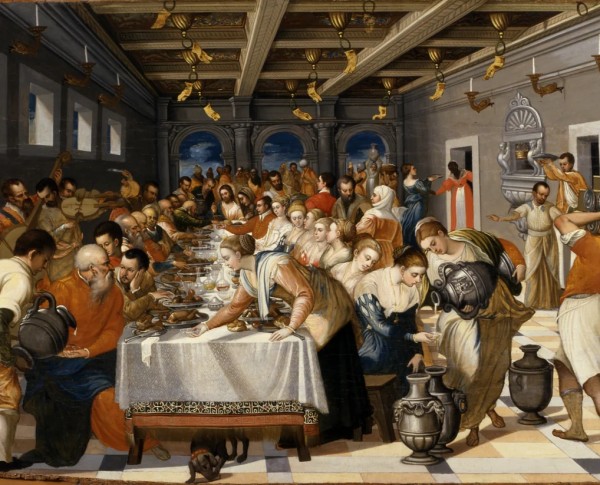
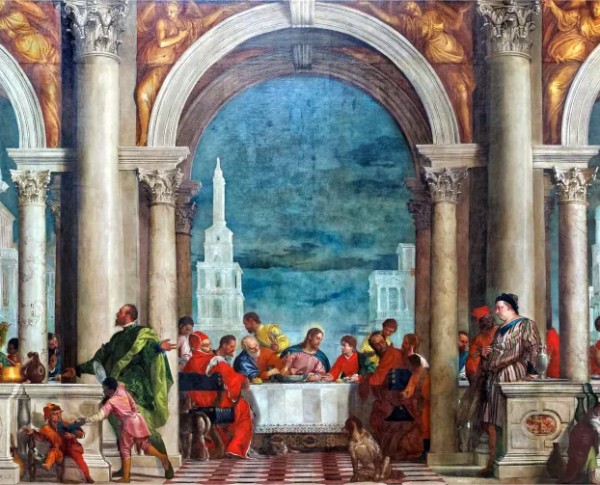
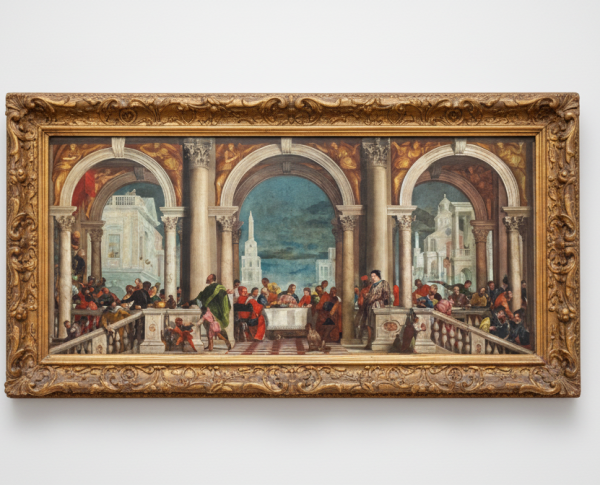
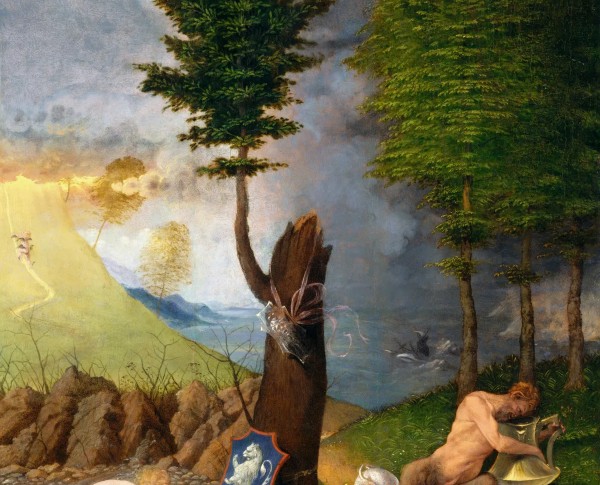
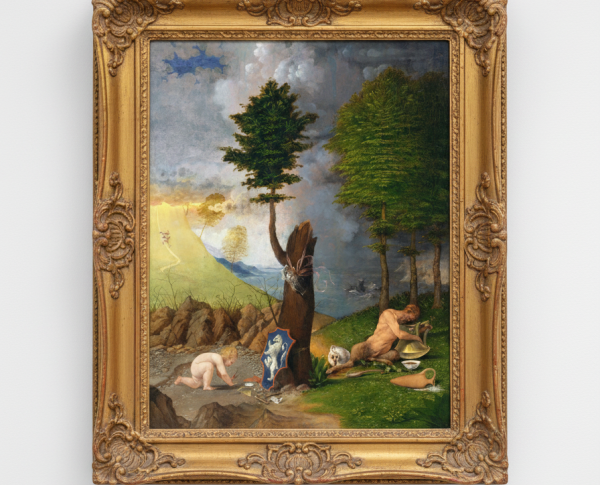
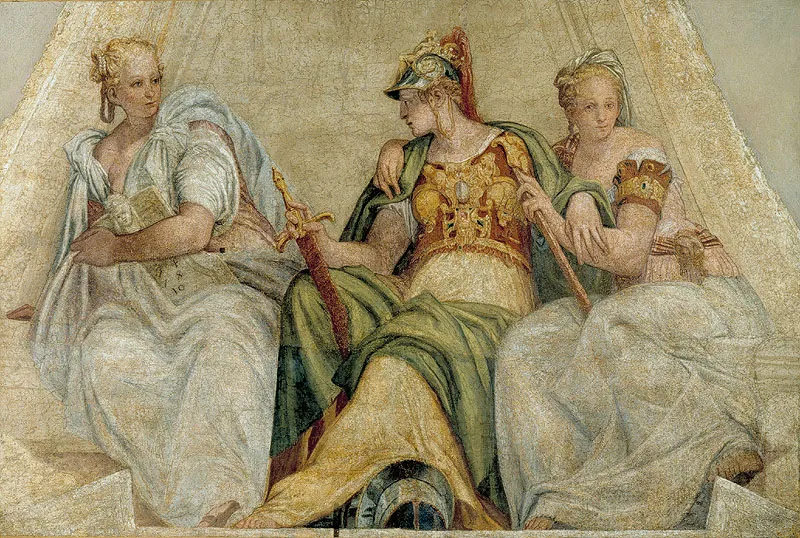
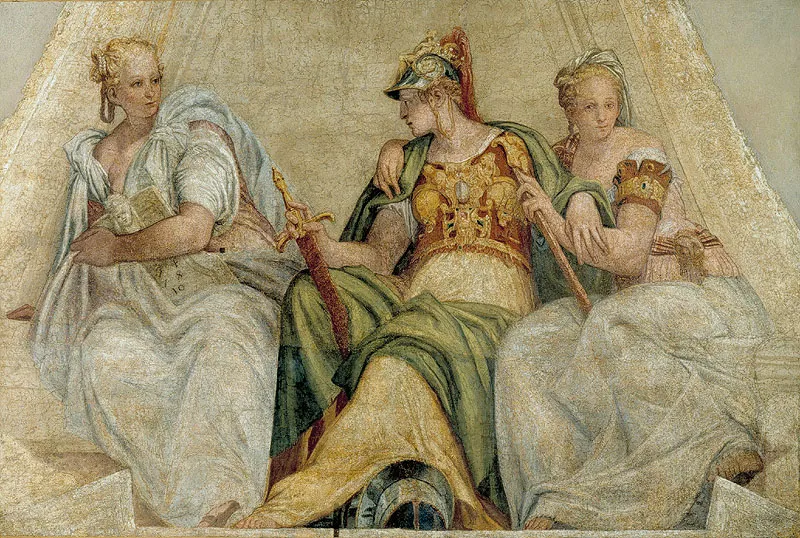
Paolo Veronese’s "Minerva between the Geometry and Arithmetic" exemplifies meticulous technique and vibrant composition, hallmarks of the Renaissance. Rendered as an oil on canvas, the painting reveals Veronese’s skillful use of color, light, and texture. Collectors who admire works such as "Madonna Enthroned with Child" or "St John the Baptist" will appreciate the technical prowess and artistic vision present in this stunning piece, a true jewel among Renaissance creations.
In "Minerva between the Geometry and Arithmetic," Veronese weaves together allegorical figures and symbolic elements, creating a narrative rich in meaning. The painting’s depiction of Minerva, the goddess of wisdom, alongside personifications of Geometry and Arithmetic, reflects the Renaissance fascination with knowledge. Like "St Louis of Toulouse and Donors" and "Conversion of Mary Magdalene," this fine art painting for sale offers layers of interpretation, inviting viewers to explore its intellectual depth.
Owning "Minerva between the Geometry and Arithmetic" by Paolo Veronese means possessing a rare piece of Renaissance heritage. This hand-painted oil painting stands alongside celebrated works like "Deposition of Christ" and "Portrait of woman with a child and a dog," making it a coveted acquisition for art lovers. For those seeking a fine art painting for sale that embodies both historical significance and artistic excellence, Veronese’s masterpiece is the perfect choice.
When Art Meets History
"Minerva between the Geometry and Arithmetic" by Paolo Veronese is a remarkable example of Renaissance artistry, reflecting the intellectual spirit of its era. This hand-painted oil painting not only showcases Veronese’s mastery but also highlights the fusion of classical ideals and scientific inquiry. Similar to his other works like "Mary with the Child and Saints" and "Portrait of Ariosto," this piece embodies the Renaissance movement's reverence for knowledge, making it a significant treasure in art history.
Techniques That Speak
Paolo Veronese’s use of oil on canvas in "Minerva between the Geometry and Arithmetic" demonstrates his exceptional skill in manipulating light, color, and detail. The painting’s luminous palette and intricate composition are hallmarks of Renaissance technique. Like his "Portrait of a Man" and "Philip II of Spain," Veronese’s brushwork brings each figure to life, exemplifying the technical brilliance that defines his finest creations and sets his work apart in the world of fine art.
Emotions on Display
This fine art painting for sale captures a profound dialogue between intellect and emotion. Veronese imbues Minerva and her companions with expressive gestures and thoughtful gazes, inviting viewers to reflect on the harmony between logic and creativity. Drawing parallels to his evocative "Christ Carrying the Cross," the artist’s nuanced portrayal of emotion is a testament to the Renaissance movement’s pursuit of depth and humanity in visual storytelling.
Coveted by Collectors
As with many masterpieces by Paolo Veronese, "Minerva between the Geometry and Arithmetic" remains highly sought after by collectors and museums alike. The allure of owning an original oil on canvas from the Renaissance era is undeniable. Whether displayed alongside related paintings such as "Mary with the Child and Saints" or "Portrait of Ariosto," this work continues to captivate audiences and solidify Veronese’s legacy in the world of fine art painting for sale.
Related Renaissance Hand-Painted Oil Paintings by Other Artists
Other Famous Renaissance Artists:
Frequently Asked Questions About Minerva between the Geometry and Arithmetic
Who is the artist of "Minerva between the Geometry and Arithmetic"?
The painting was created by the renowned Venetian artist Paolo Veronese, known for his vibrant colors and grand compositions.
What is the historical context of the painting?
"Minerva between the Geometry and Arithmetic" was painted during the late Renaissance, a period marked by a revival of classical learning and values, which greatly influenced Veronese's work.
What themes are explored in this artwork?
The painting explores themes of knowledge and wisdom, represented by Minerva, the Roman goddess of wisdom, and the disciplines of geometry and arithmetic, which symbolize the pursuit of intellectual enlightenment.
What artistic techniques did Veronese employ in this painting?
Veronese utilized techniques such as chiaroscuro to create depth, as well as vibrant color palettes and intricate detailing to enhance the visual impact of the figures and their surroundings.
What is the significance of Minerva in the painting?
Minerva represents not only wisdom but also the arts and sciences, embodying the ideal of the Renaissance humanist, who valued knowledge and learning as essential to human development.
How does this painting reflect the values of the Renaissance?
The painting reflects Renaissance values by emphasizing the importance of education, the revival of classical themes, and the celebration of human intellect and creativity.
What are the symbolic meanings of geometry and arithmetic in the artwork?
Geometry and arithmetic symbolize the foundations of knowledge and rational thought, representing the structured approach to understanding the world that was central to Renaissance philosophy.
In what ways did Veronese's style influence later artists?
Veronese's dramatic use of color, composition, and theatricality influenced many Baroque artists, who adopted his techniques to create dynamic and emotionally engaging works.
What is the current location of "Minerva between the Geometry and Arithmetic"?
The painting is housed in a prominent art collection, where it continues to be studied and admired for its artistic and historical significance.
How does this painting compare to Veronese's other works?
This painting is distinctive for its intellectual themes, contrasting with Veronese's more commonly known religious and mythological subjects, showcasing his versatility as an artist.























_GFM_Painting_(1).webp)


 100% Hand-Painted: Finished in 3-6 Weeks

.png)















_(1).webp)