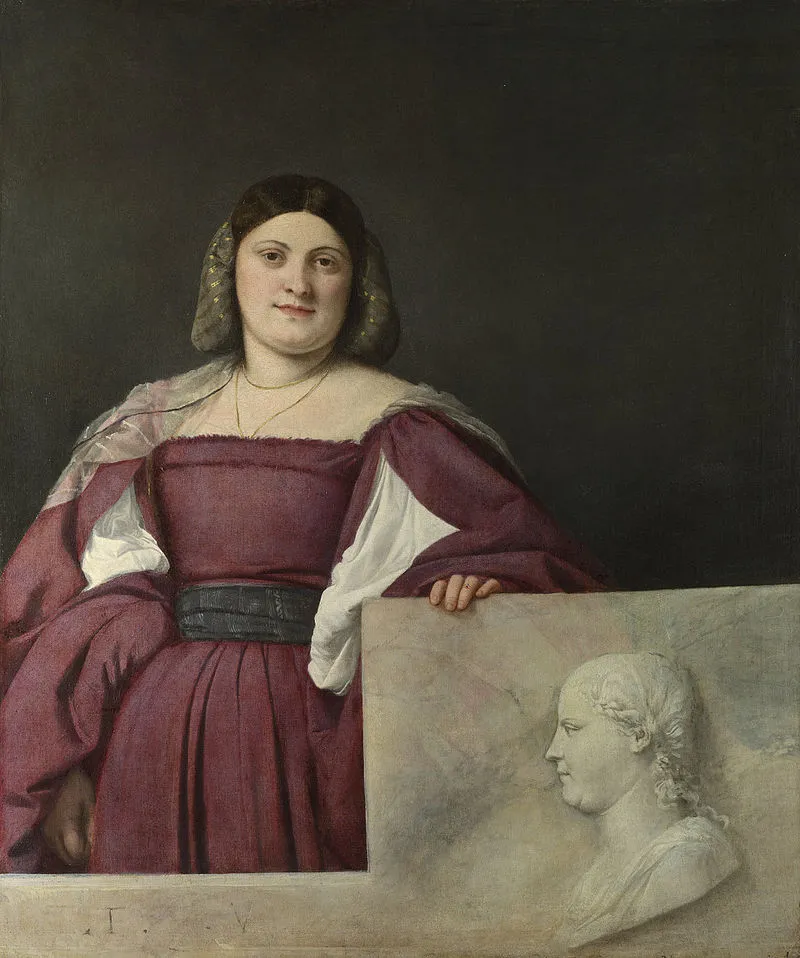
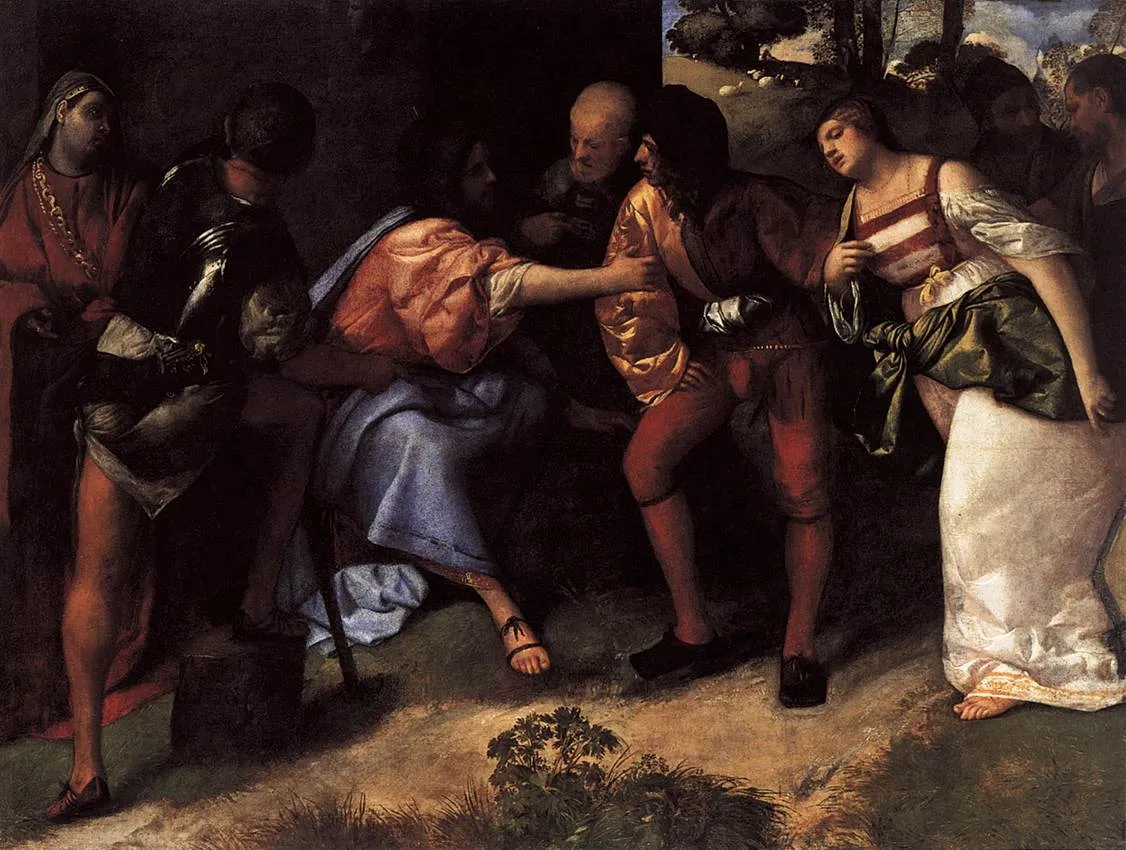
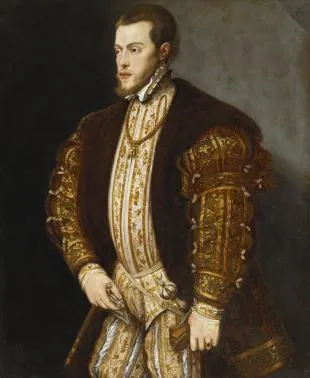
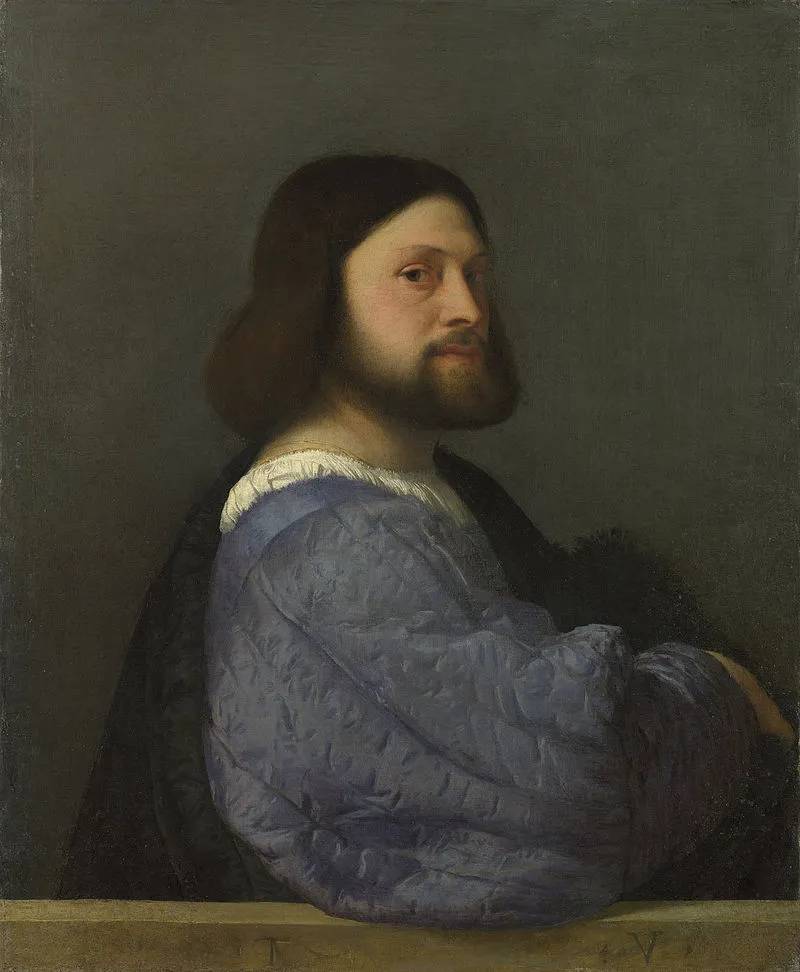
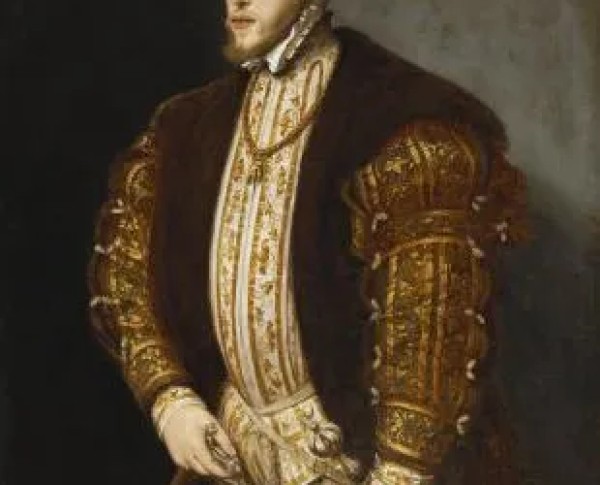
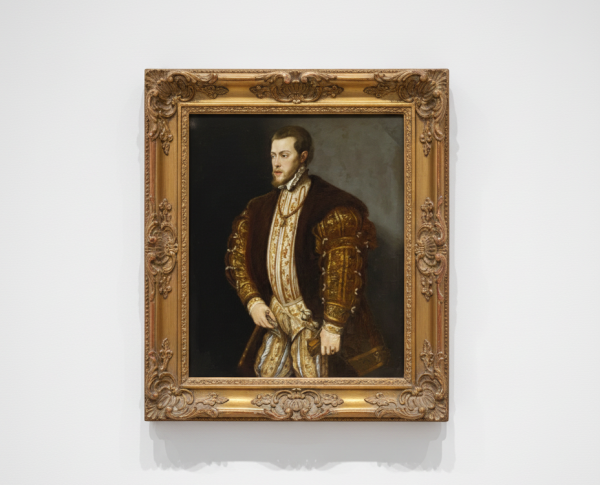
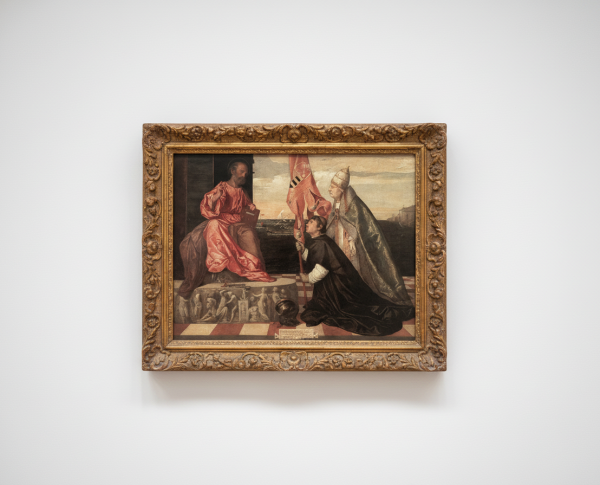
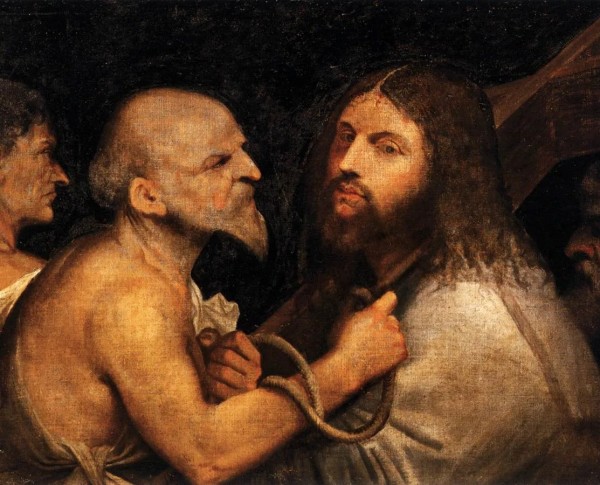
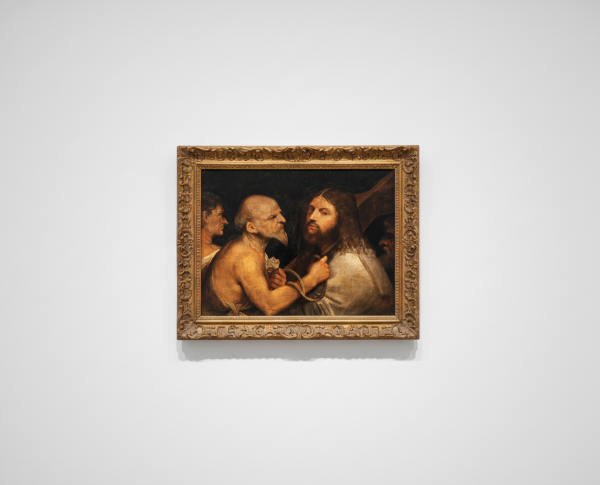
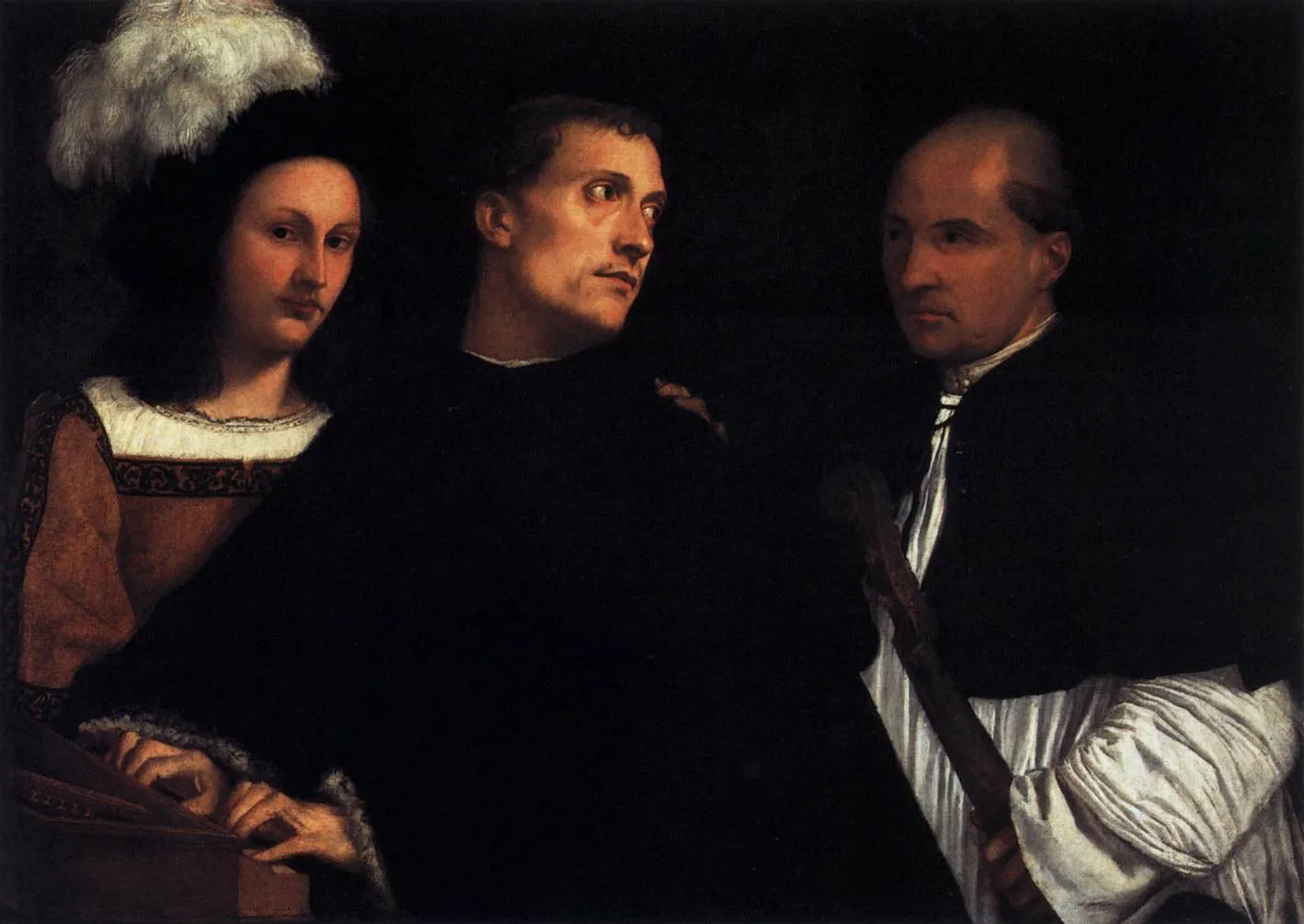
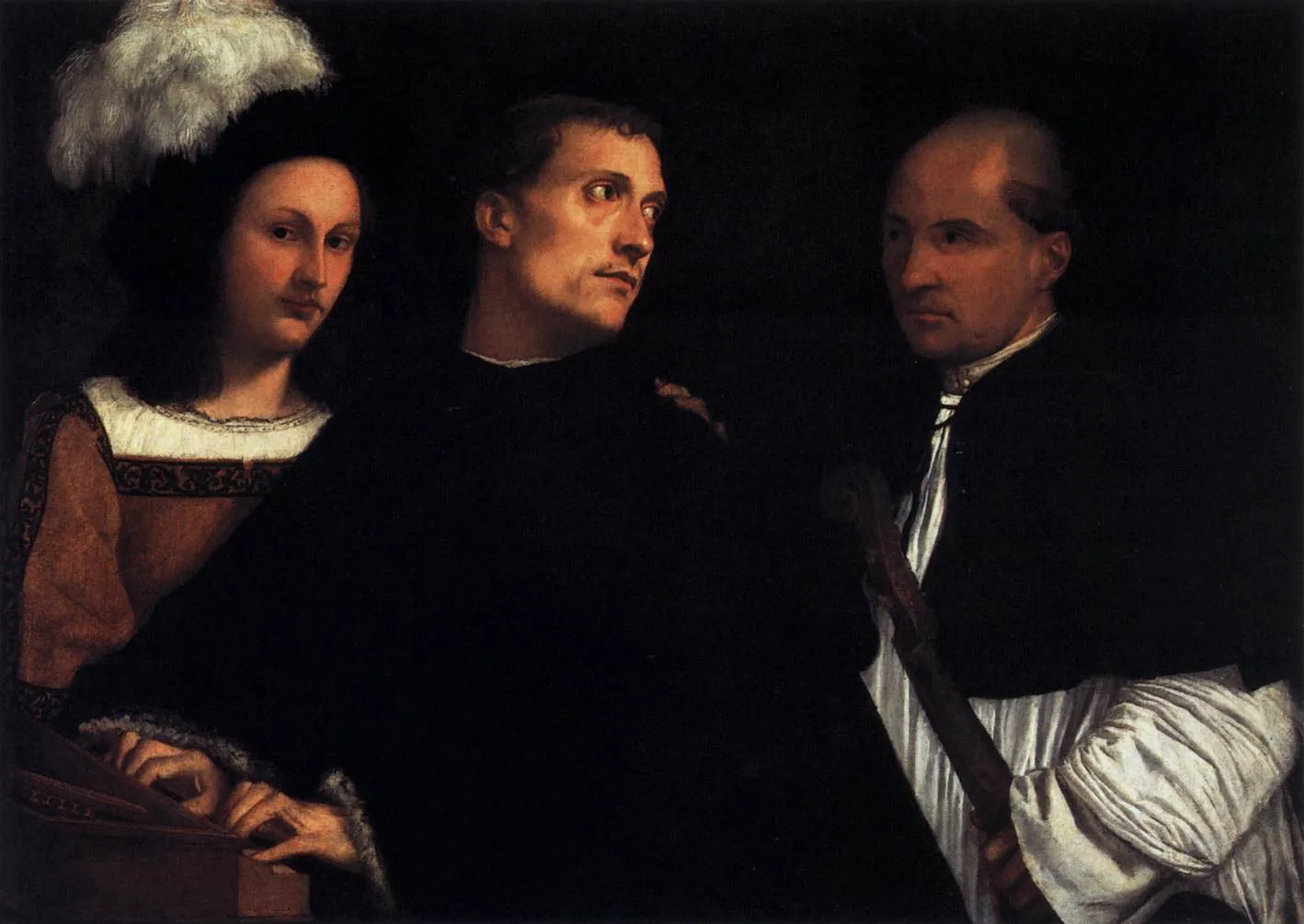
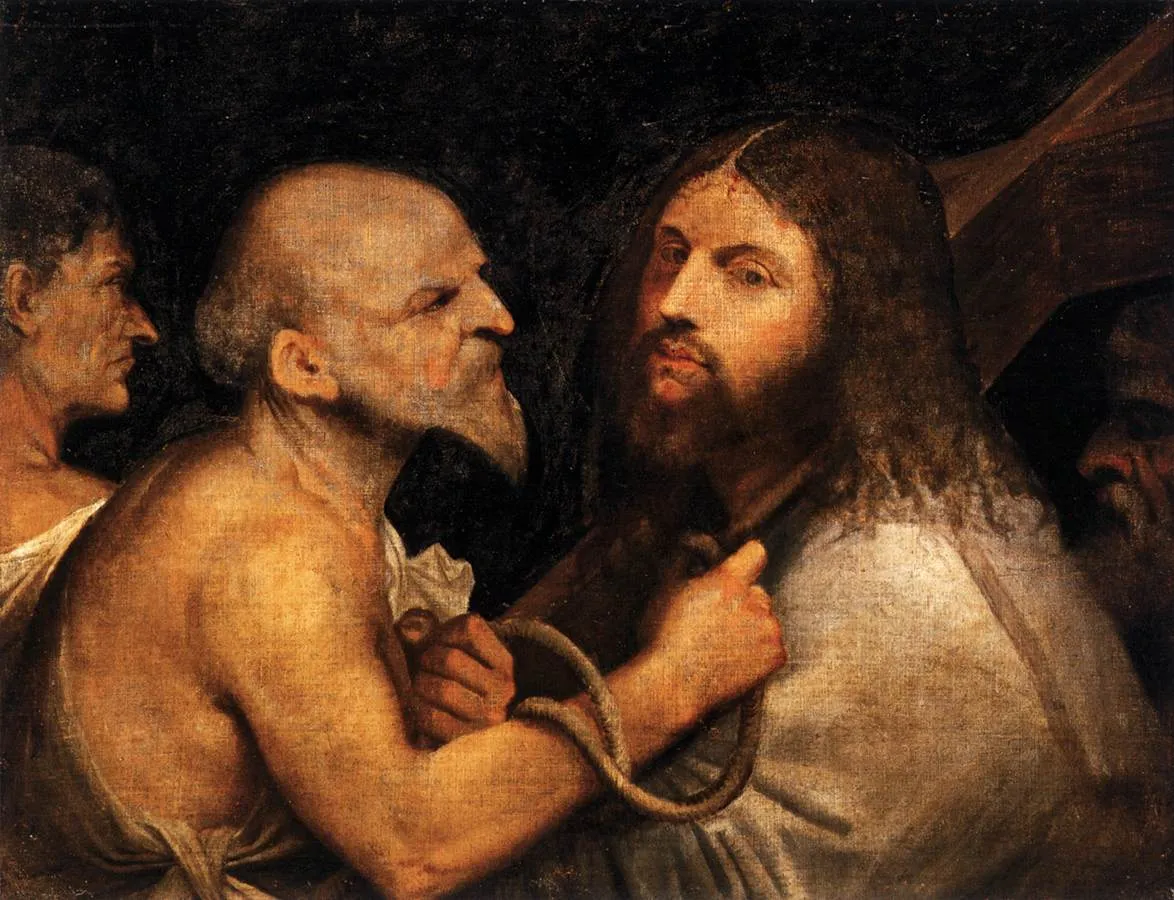
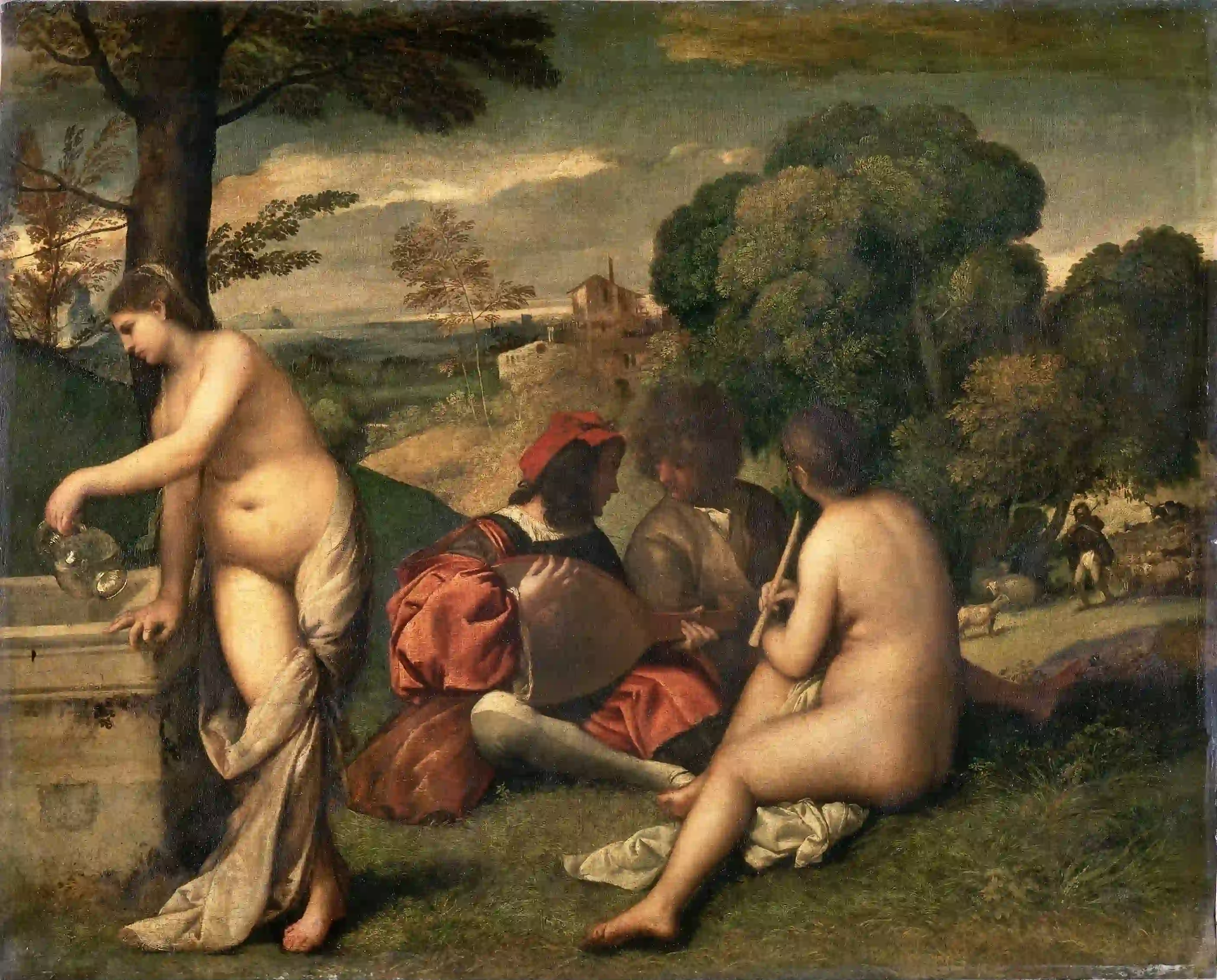
"The Concert" by Tiziano Vecelli demonstrates exceptional skill through its oil on canvas technique, a hallmark of Renaissance artistry. Each brushstroke reveals the artist’s command over light, texture, and composition, bringing the scene to life with remarkable realism. Titian’s ability to evoke emotion through his figures is evident here and in related pieces such as "Christ and the Adulteress" and "Christ Carrying the Cross," making them coveted additions for any art enthusiast.
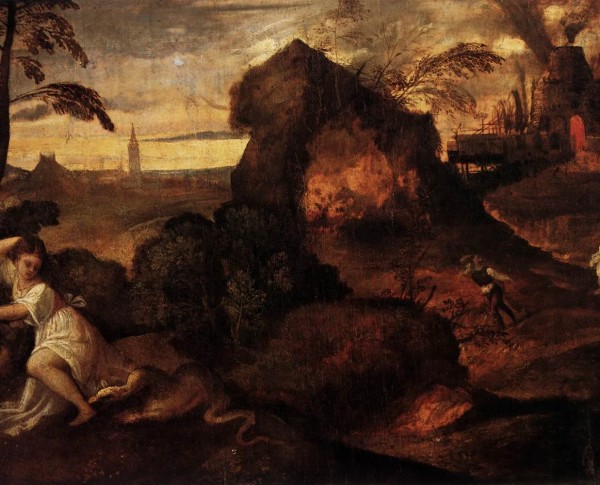
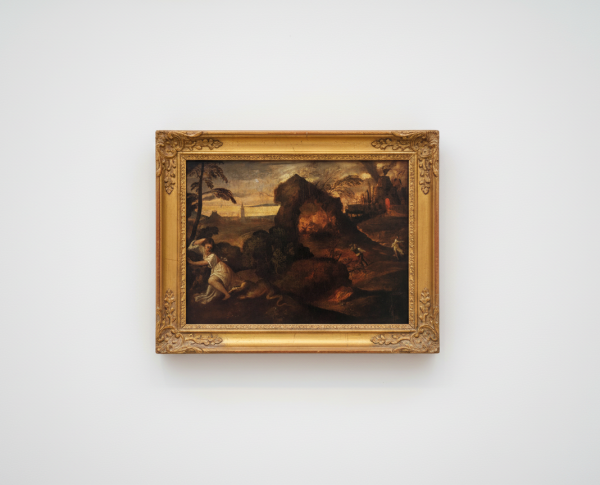
Every fine art painting for sale from the Renaissance period tells a story, and "The Concert" is no exception. Tiziano Vecelli infused this work with subtle symbolism and narrative depth, inviting viewers to interpret its characters and setting. The painting’s musical motif reflects the harmony of art and culture during the Renaissance. Collectors often seek related masterpieces like "The Birth of Adonis" and "Portrait of a Man" for their rich storytelling and symbolic complexity.
Owning a hand-painted oil painting such as "The Concert" by Tiziano Vecelli is a privilege for collectors who value Renaissance art. This masterpiece, along with related works like "Portrait of Ariosto" and "The Birth of Adonis," represents the pinnacle of artistic achievement. Each piece offers not just aesthetic beauty but also a tangible connection to art history, making them highly sought-after fine art paintings for sale among discerning connoisseurs worldwide.
When Art Meets History
"The Concert" by Tiziano Vecelli, a master of the Renaissance movement, stands as a testament to the era’s cultural and artistic evolution. This hand-painted oil painting captures the intellectual spirit and vibrant society of the time, much like Vecelli’s other masterpieces such as "Madonna Enthroned with Child, St John the Baptist, St Louis of Toulouse and Donors" and "Conversion of Mary Magdalene." Through this work, the artist invites us to witness a pivotal moment where music, art, and history converge.
Techniques That Speak
Tiziano Vecelli’s expert use of oil on canvas in "The Concert" demonstrates the technical brilliance that defines the Renaissance. The painting’s rich textures and lifelike figures echo the artist’s approach in works like "Bathsheba at Her Bath" and "Iseppo and Adriano da Porto." By layering pigments and mastering light, Vecelli created a visual harmony that draws viewers into the scene, showcasing the ingenuity of Renaissance oil painting techniques.
Emotions on Display
In "The Concert," Tiziano Vecelli skillfully conveys a spectrum of emotions through detailed expressions and dynamic composition. The figures’ interactions evoke feelings of harmony and introspection, reminiscent of the emotional depth found in "Minerva between the Geometry and Arithmetic." This fine art painting for sale not only illustrates a musical gathering but also reveals the artist’s ability to capture the human soul, a hallmark of the Renaissance movement.
Coveted by Collectors
As a quintessential Renaissance masterpiece, "The Concert" by Tiziano Vecelli remains highly sought after among art enthusiasts. Collectors prize this hand-painted oil painting for its historical significance and exceptional artistry, much like other celebrated works such as "Conversion of Mary Magdalene" and "Bathsheba at Her Bath." Its enduring appeal lies in Vecelli’s masterful technique and the timeless allure of fine art painting for sale from this transformative era.
Related Renaissance Hand-Painted Oil Paintings by Other Artists
Other Famous Renaissance Artists:
Frequently Asked Questions About The Concert
What is the historical context of "The Concert"?
"The Concert" was created during the High Renaissance, a period marked by a renewed interest in classical antiquity and humanism. Tiziano Vecelli, known as Titian, was a prominent figure in this movement, and his work reflects the cultural and artistic advancements of the time.
What artistic techniques did Titian employ in "The Concert"?
In "The Concert," Titian utilized a technique known as chiaroscuro, which contrasts light and shadow to create depth and volume. His use of color is also notable, with rich, warm tones that enhance the emotional resonance of the piece.
What themes are explored in "The Concert"?
The painting explores themes of harmony and the celebration of music as a universal language. It captures the intimate interaction between the musicians and their audience, suggesting a deeper connection between art and human experience.
Who are the figures depicted in "The Concert"?
The figures in "The Concert" are often interpreted as representations of musicians and patrons of the arts. Their expressions and postures convey a sense of engagement and enjoyment, highlighting the social aspect of music in Renaissance culture.
What is the significance of the setting in "The Concert"?
The setting of "The Concert" is significant as it reflects the opulence and cultural richness of the Venetian society during Titian's time. The lush background and detailed drapery enhance the overall atmosphere of celebration and artistic achievement.
How does "The Concert" reflect Titian's style?
"The Concert" exemplifies Titian's mature style, characterized by dynamic composition, vibrant color palettes, and a keen understanding of human emotion. His ability to convey movement and interaction among the figures is a hallmark of his work.
What role does symbolism play in "The Concert"?
Symbolism in "The Concert" is evident through the use of musical instruments and the act of music-making, which symbolize harmony and the divine connection between art and humanity. The figures' expressions further symbolize the joy and transcendence that music can bring.
How was "The Concert" received during Titian's lifetime?
What influence did "The Concert" have on later artists?
"The Concert" influenced later artists by setting a standard for the depiction of music and social gatherings in art. Its emphasis on emotional expression and interaction among figures can be seen in the works of subsequent Baroque and Rococo painters.
Where can "The Concert" be viewed today?
"The Concert" is housed in a prominent art collection, allowing visitors to appreciate Titian's masterful technique and the historical significance of the painting. Check the gallery's collection for current exhibition details.























_GFM_Painting_(1).webp)


 100% Hand-Painted: Finished in 3-6 Weeks

.png)
















_(1).webp)