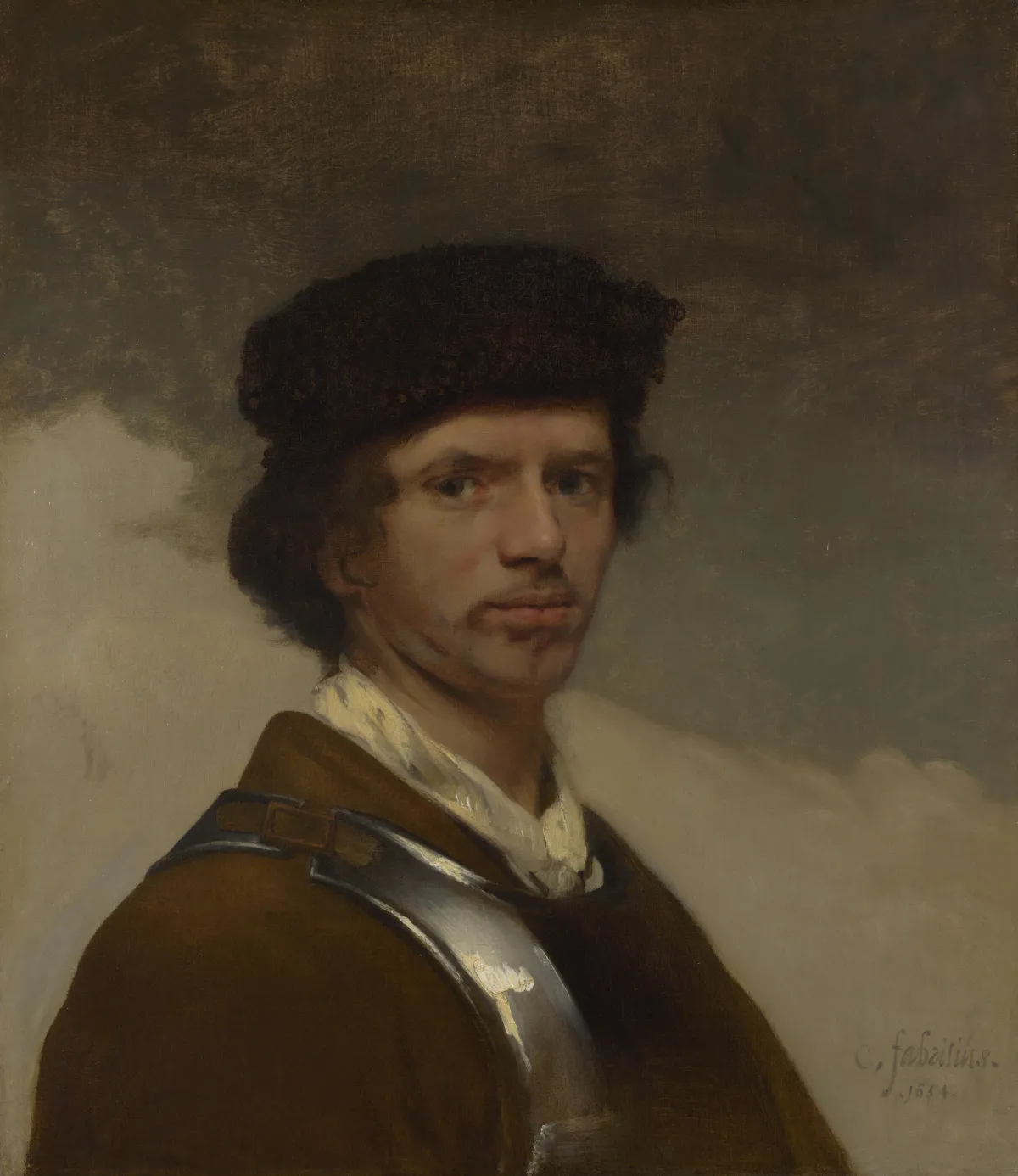
The meticulous technique in "Young Man Standing Holding a Rope" showcases Fabritius’s mastery of oil on canvas. His delicate brushwork and subtle play of light create a lifelike presence, capturing the essence of his subject. Fabritius’s attention to detail rivals his contemporaries, as seen in related paintings like "Saint Peter Being Freed from Prison" and "A Slaughtered Ox," making his works highly prized among connoisseurs of Dutch Golden Age painting.
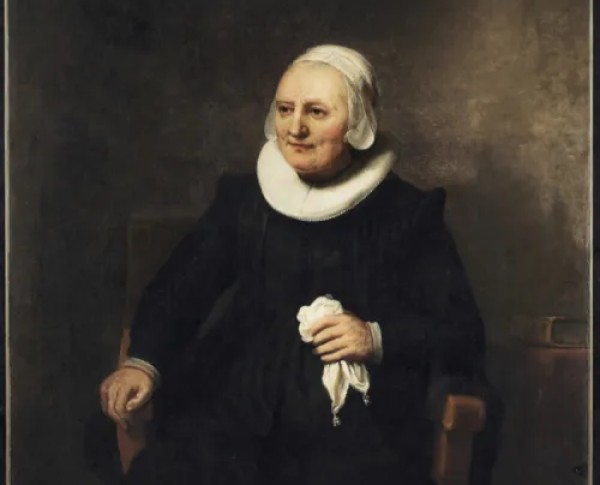
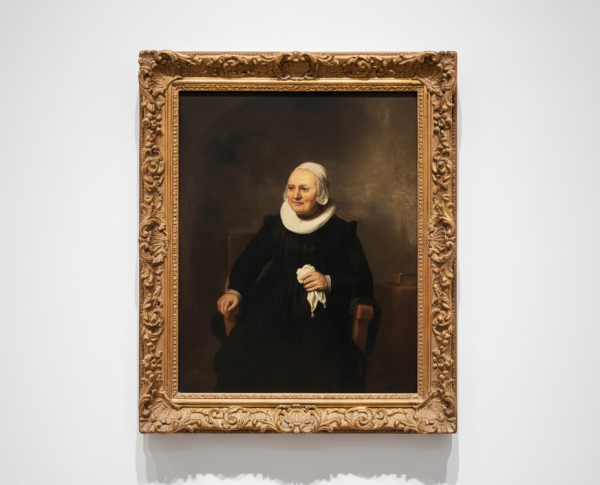
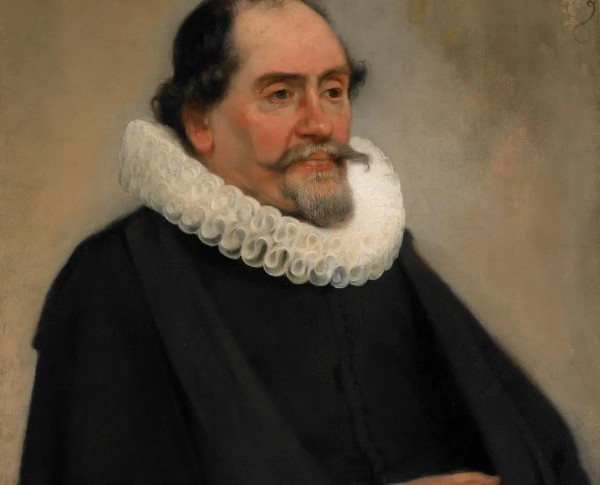
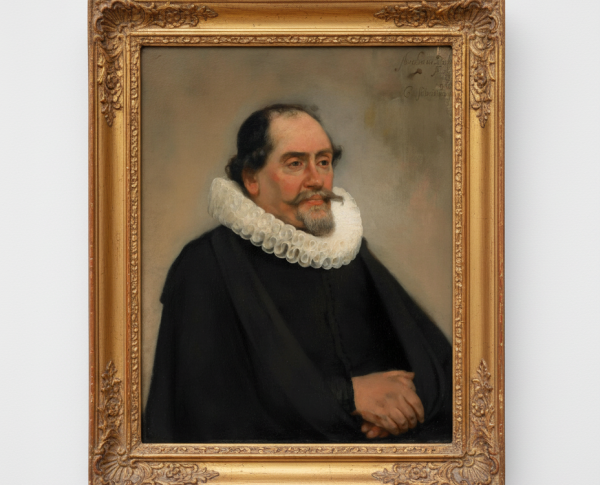
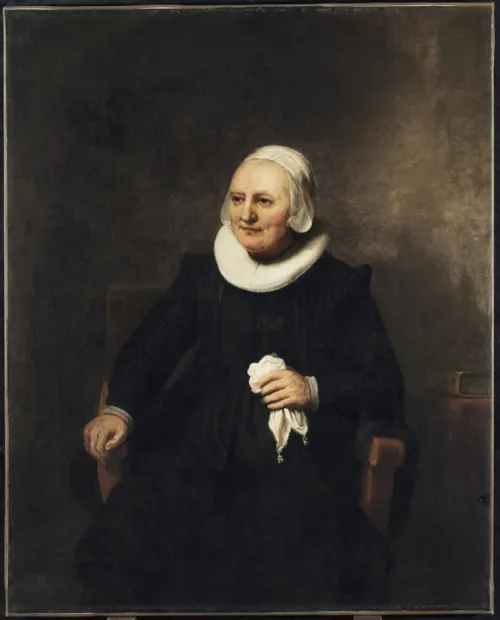
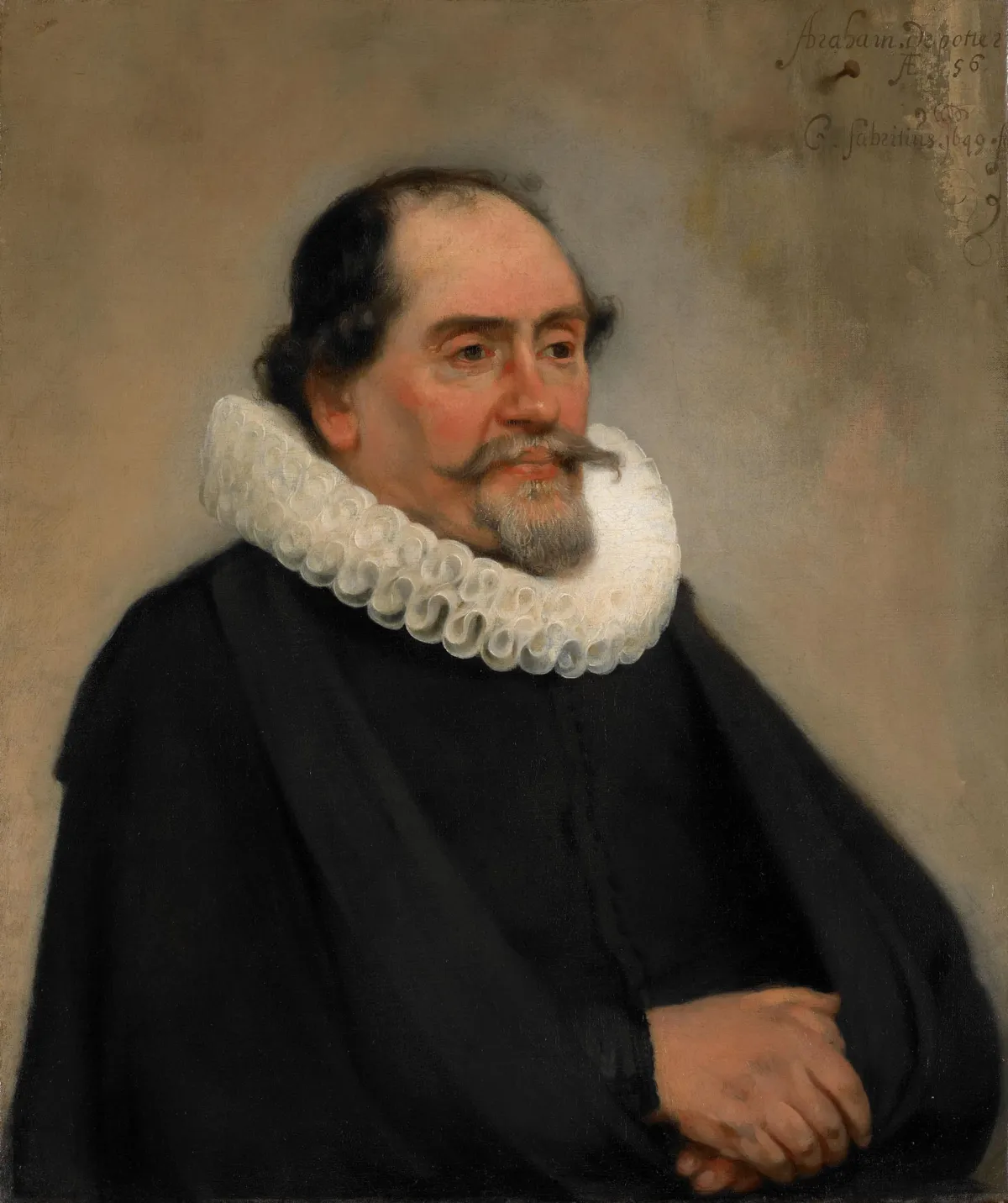
"Young Man Standing Holding a Rope" is more than a fine art painting for sale; it is a window into the symbolic world of the 17th century. Fabritius imbues the composition with layers of meaning, using the rope as a possible metaphor for connection or restraint. This depth of narrative aligns with other works from the artist, such as "Abraham De Potter" and "Portrait of a Seated Woman with a Handkerchief," enriching the tradition of allegory in Dutch Golden Age art.
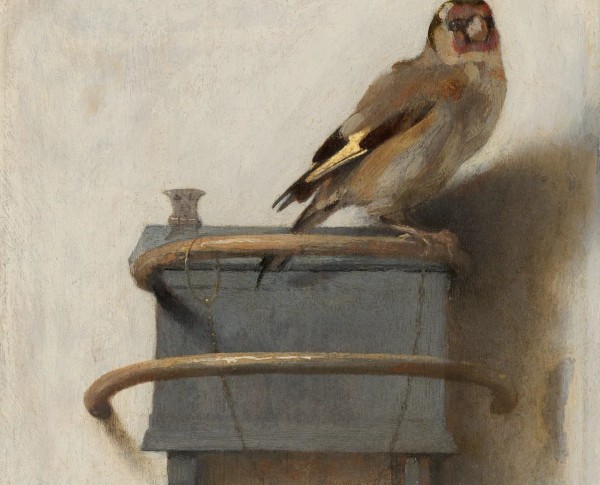
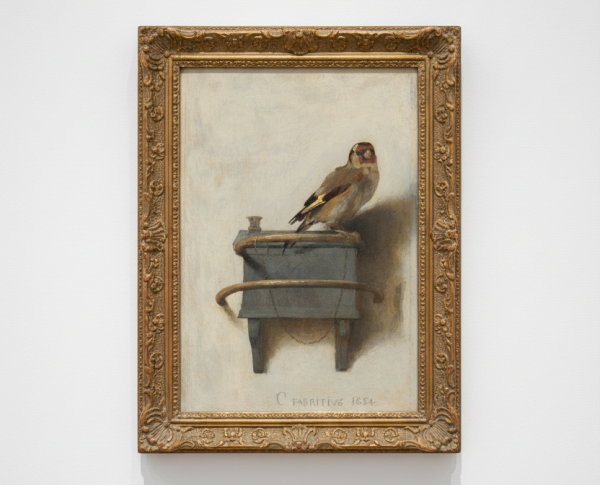
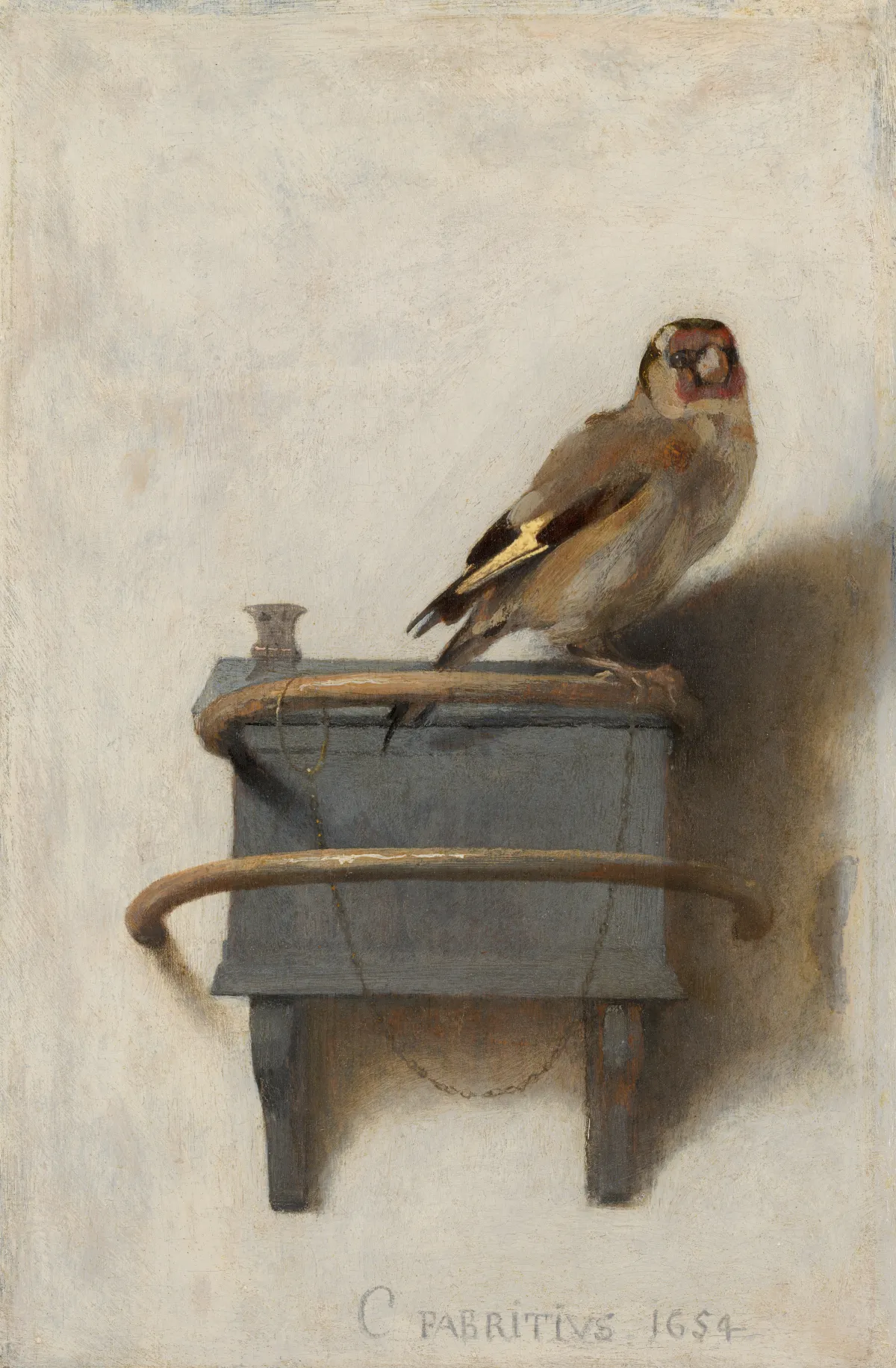
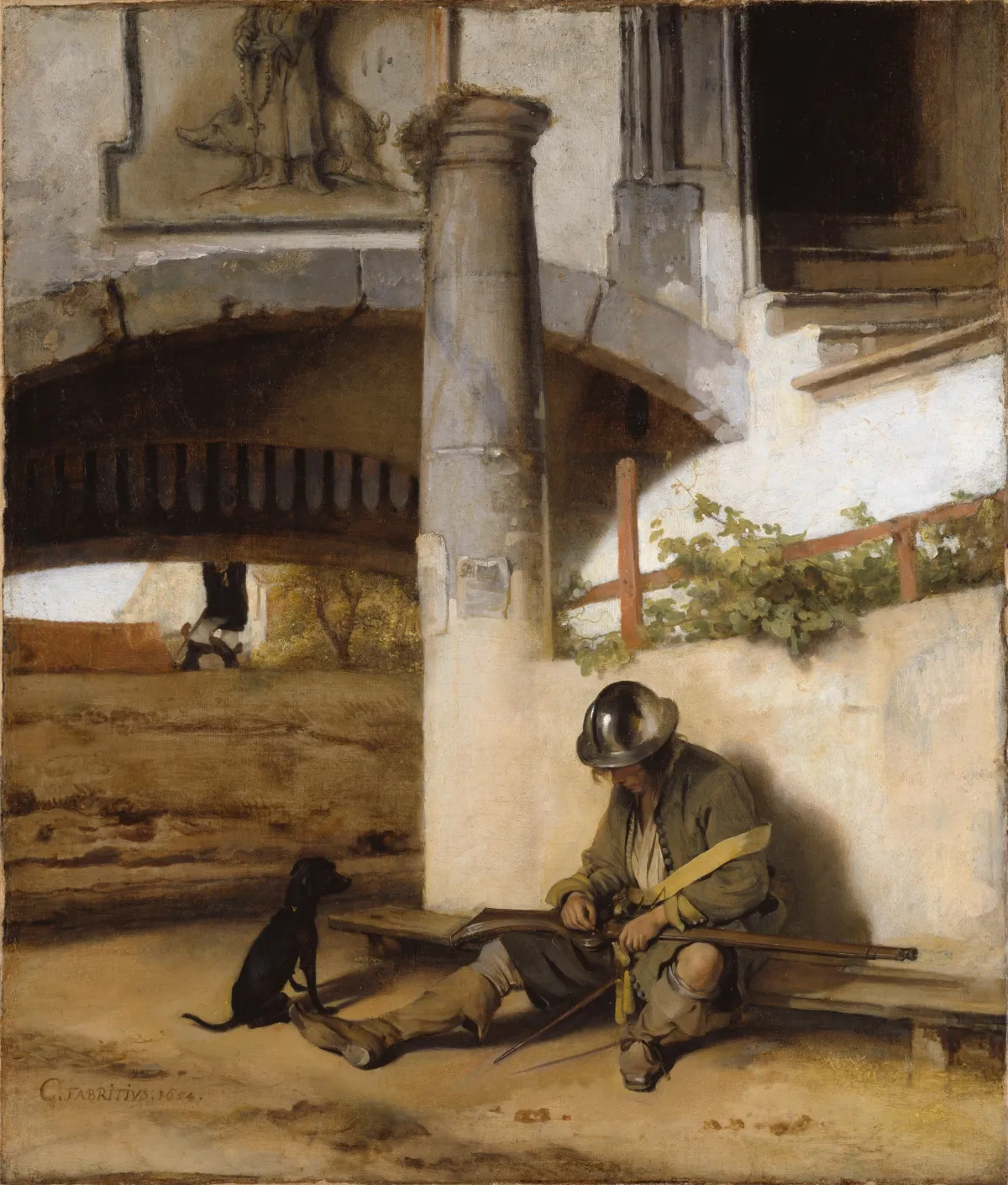
For collectors seeking a hand-painted oil painting from a master of the Dutch Golden Age, Fabritius’s "Young Man Standing Holding a Rope" is an exceptional choice. The painting’s rarity and exquisite execution make it a coveted piece, akin to "The Goldfinch" or "The Sentry." Acquiring such a work connects one to the enduring heritage of Dutch fine art, where each brushstroke tells a story worth preserving for generations.
When Art Meets History
Carel Fabritius, a notable figure of the Dutch Golden Age, created "Young Man Standing Holding a Rope" as a masterful hand-painted oil painting. This artwork captures the spirit of 17th-century Netherlands, a period renowned for its cultural and artistic achievements. Fabritius’s contemporaries, such as Johannes Vermeer with "Girl with a Pearl Earring c. 1665" and Jan Steen with "Diana and her Nymphs," contributed to this thriving movement, making each piece a valuable window into history.
Techniques That Speak
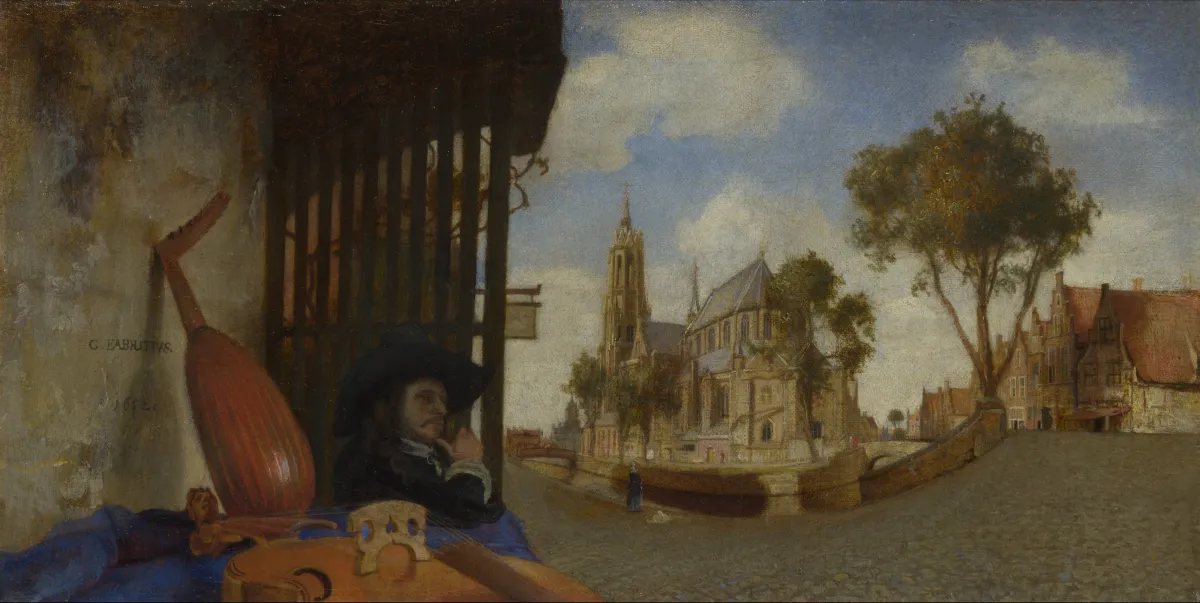
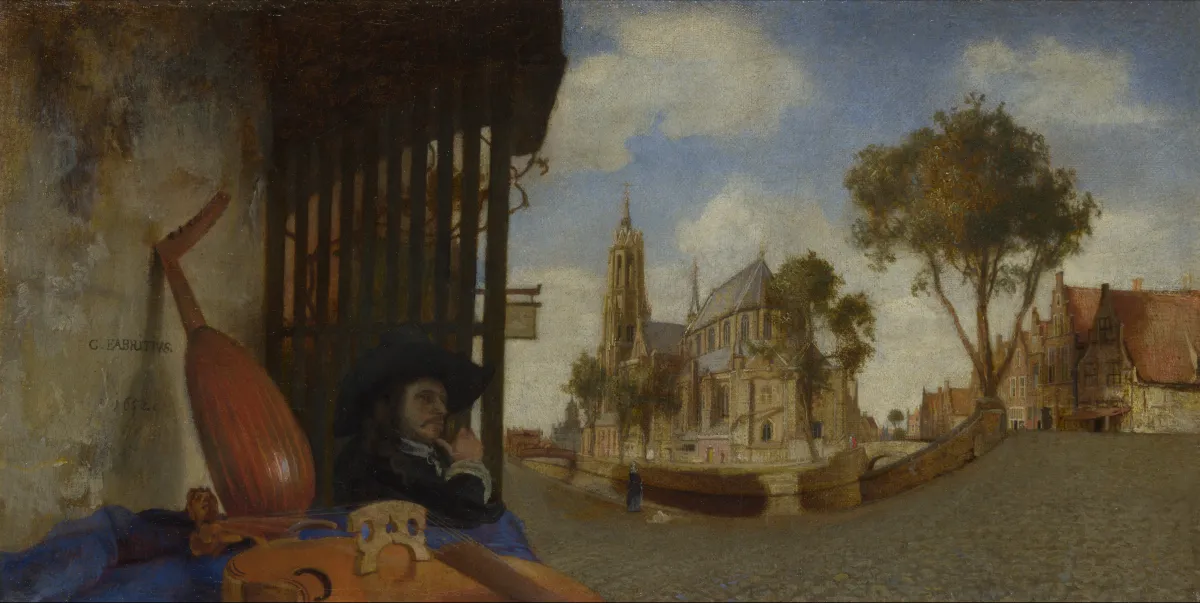
Fabritius’s "Young Man Standing Holding a Rope" exemplifies the refined skill of oil on canvas, a hallmark of Dutch Golden Age painting. His delicate brushwork and attention to light echo the techniques seen in related masterpieces like "View of Delft" and "The Geographer." The artist’s innovative use of perspective and texture demonstrates his mastery, setting his work apart as an enduring example of the period’s technical advancements.
Emotions on Display
The portrait by Carel Fabritius radiates a quiet introspection, inviting viewers to contemplate the subject’s inner world. Unlike dramatic scenes such as "Christ Driving the Moneychangers from the Temple," this fine art painting for sale captures subtle emotion through the sitter’s posture and gaze. The Dutch Golden Age movement excelled at conveying complex feelings, and Fabritius’s sensitive approach ensures this artwork resonates with modern audiences.
Coveted by Collectors
"Young Man Standing Holding a Rope" remains highly sought after by art enthusiasts and collectors alike. As a hand-painted oil painting from the Dutch Golden Age, it shares prestige with iconic works like "Girl with a Pearl Earring c. 1665" and "Diana and her Nymphs." Collectors prize Fabritius’s paintings for their rarity and historical significance, making this piece a standout among fine art painting for sale in today’s market.
Related Dutch Golden Age Hand-Painted Oil Paintings by Other Artists
Other Famous Dutch Golden Age Artists:
Frequently Asked Questions About Young Man Standing Holding a Rope
Who is the artist of "Young Man Standing Holding a Rope"?
The painting was created by the Dutch artist Carel Fabritius, who was a prominent figure in the Dutch Golden Age of painting.
What is the historical context of "Young Man Standing Holding a Rope"?
This artwork was painted in the mid-17th century, a time when the Netherlands was experiencing significant cultural and economic growth, leading to a flourishing of the arts.
What artistic techniques did Carel Fabritius employ in this painting?
Fabritius is known for his innovative use of light and shadow, as well as his ability to capture intricate details and textures, which are evident in this work.
What is the significance of the rope in the painting?
The rope may symbolize restraint or control, suggesting themes of power dynamics or the tension between freedom and obligation.
How does "Young Man Standing Holding a Rope" reflect the style of the Dutch Golden Age?
The painting exemplifies the realism and attention to detail characteristic of the Dutch Golden Age, showcasing Fabritius's skill in portraying human emotion and physical presence.
What are the notable features of the young man depicted in the painting?
The young man is portrayed with a contemplative expression, dressed in contemporary clothing of the time, which adds to the painting's relatability and depth.
In what ways does this painting reflect Carel Fabritius's artistic philosophy?
Fabritius believed in the power of observation and the importance of capturing the essence of his subjects, which is evident in the lifelike representation of the young man.
What impact did Carel Fabritius have on later artists?
Fabritius's innovative techniques and focus on light influenced many later artists, particularly those in the Baroque and Impressionist movements.
Where can I view "Young Man Standing Holding a Rope"?
The painting is part of a collection in a museum, where it is displayed alongside other works from the Dutch Golden Age, allowing for contextual appreciation.
What themes are commonly explored in Fabritius's works?
Common themes in Fabritius's works include the exploration of human emotion, the interplay of light and shadow, and the depiction of everyday life in 17th-century Holland.






















_GFM_Painting_(1).webp)



 100% Hand-Painted: Finished in 3-6 Weeks


.png)















_(1).webp)