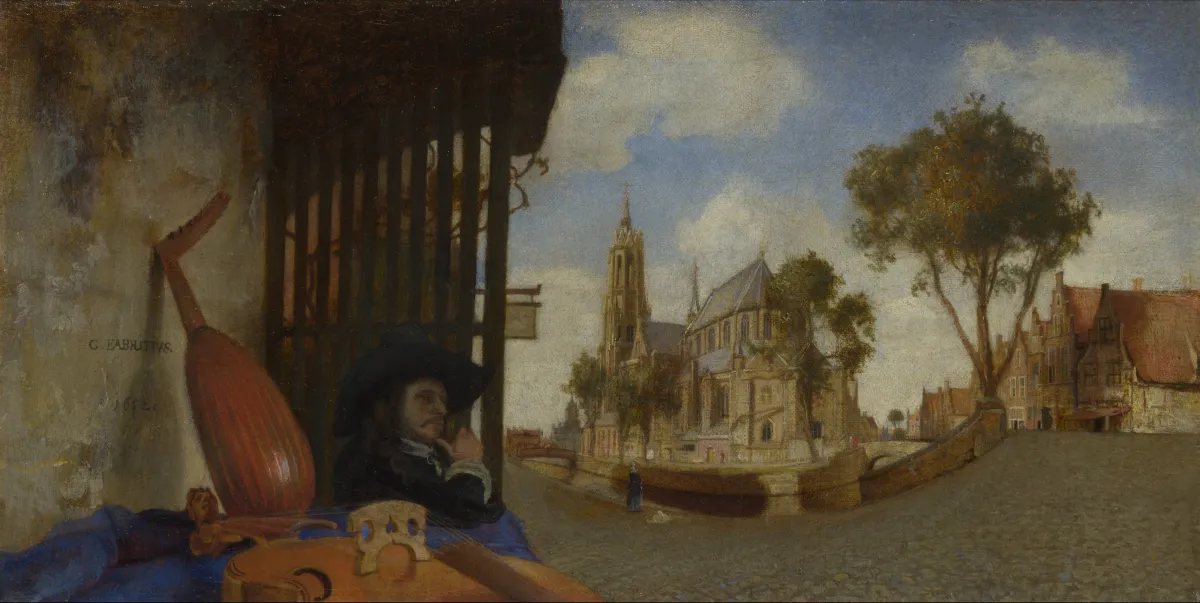
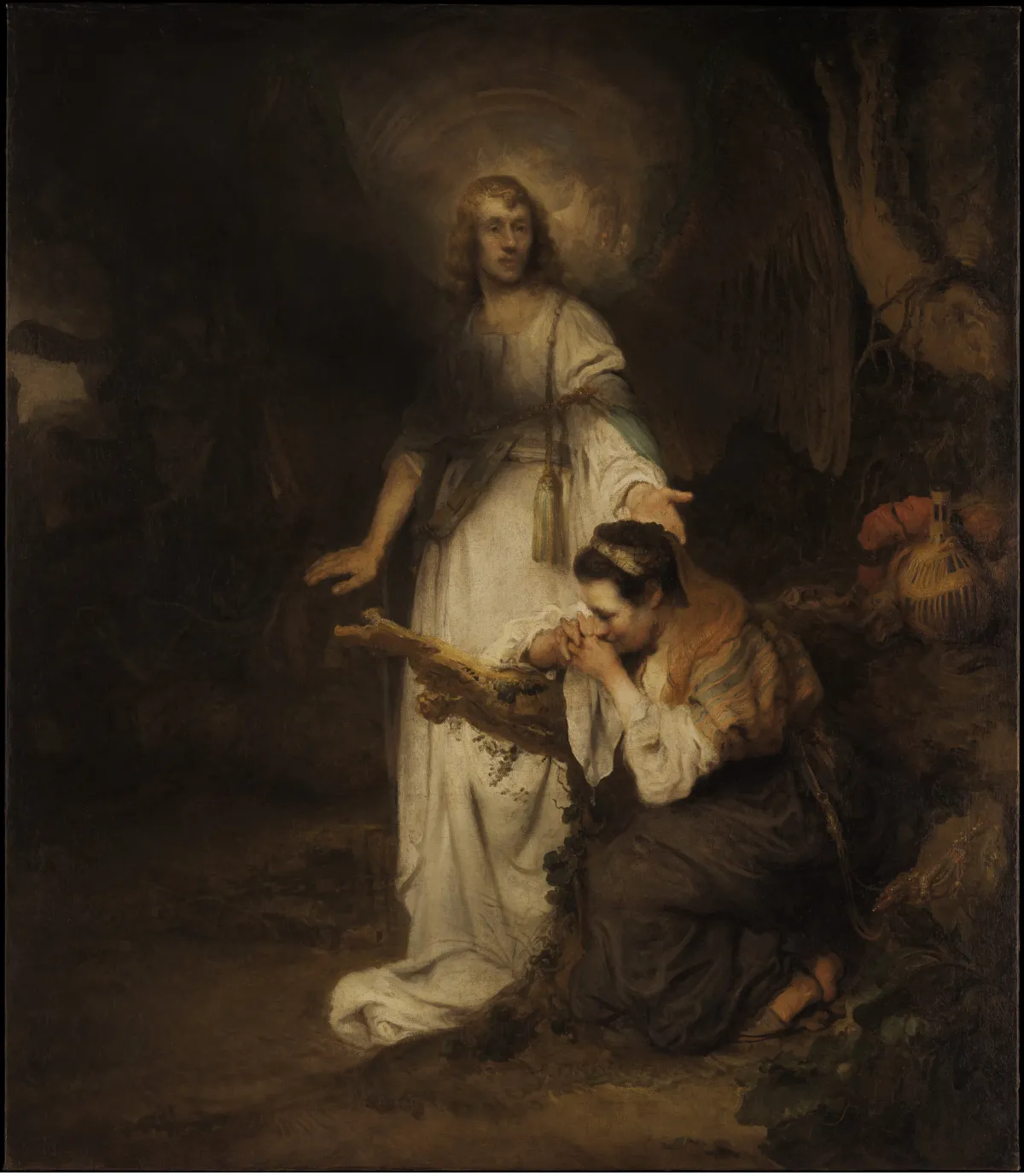
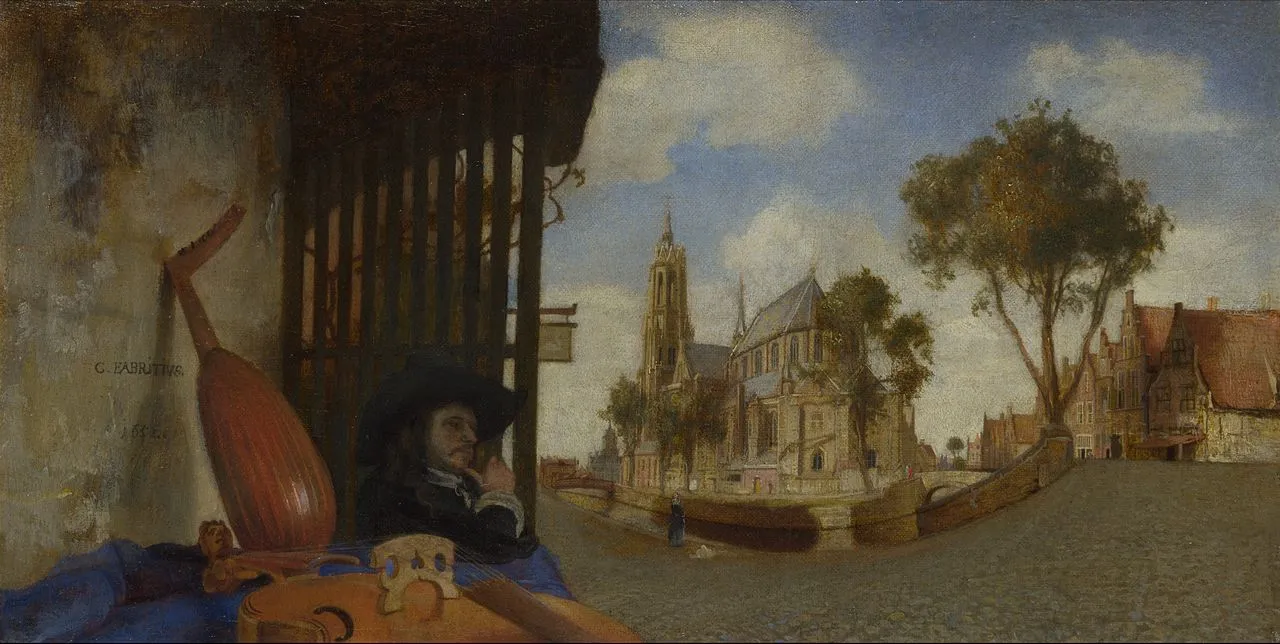
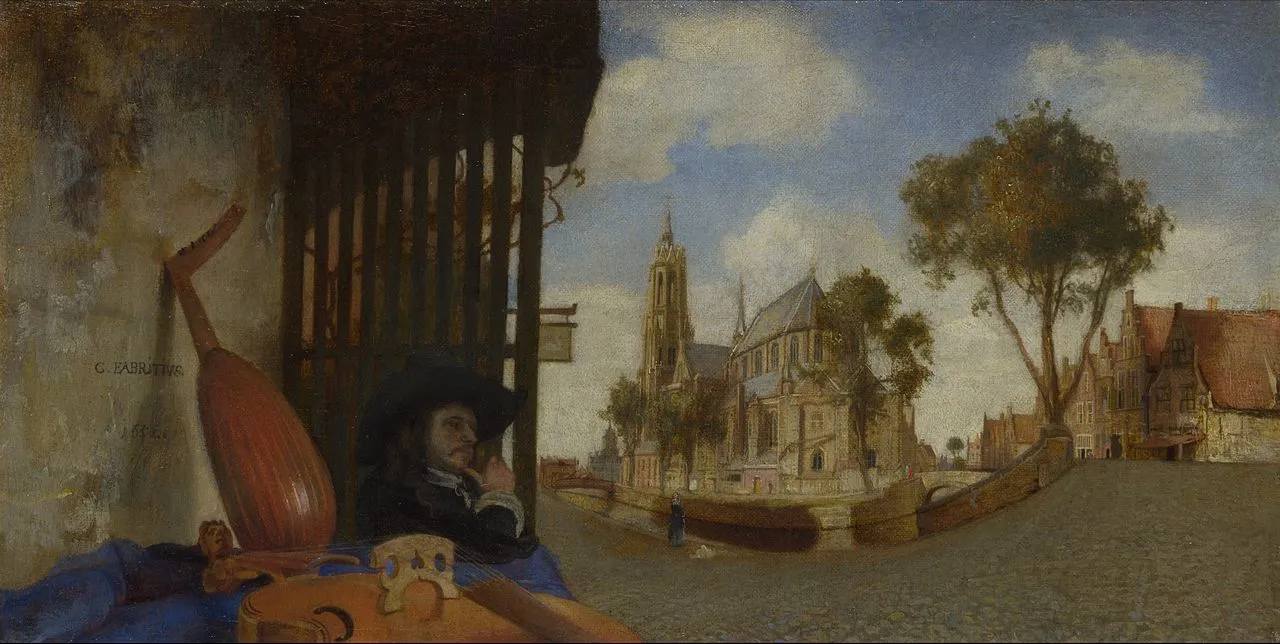
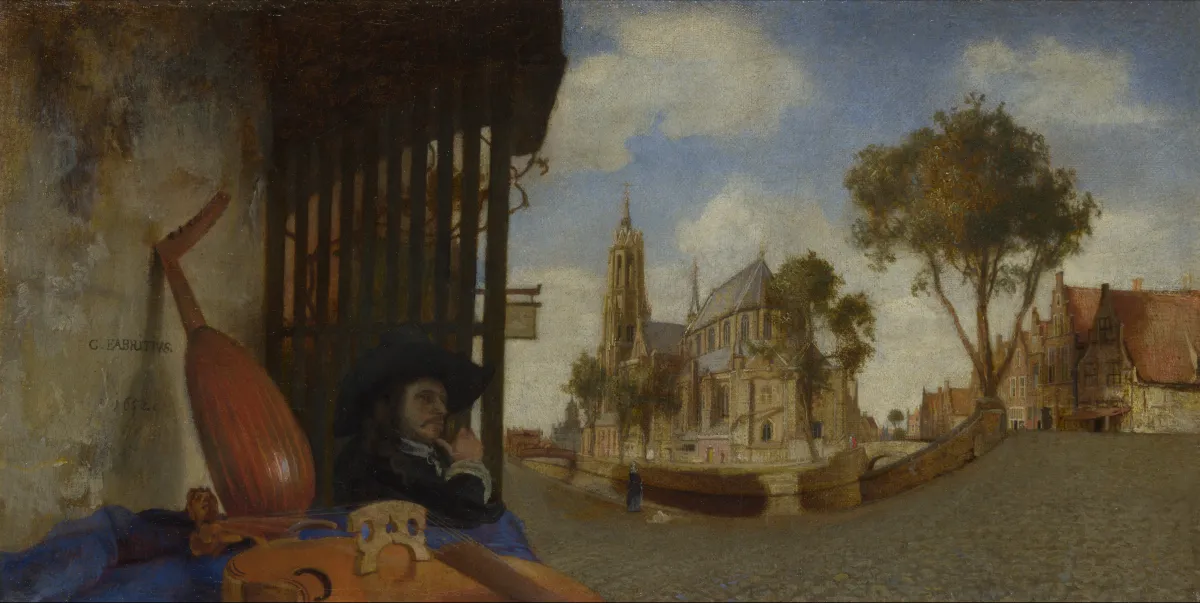
The intricate detail and luminous atmosphere in "A View of Delft with a Musical Instrument Seller’s Stall" reveal Fabritius’s expertise with oil on canvas. His brushwork captures the bustling life of Delft, demonstrating the technical advancements that defined the Dutch Golden Age. This piece stands alongside other remarkable works such as "Mercury and Aglauros" and "A View of Delft," each a fine art painting for sale that embodies the era’s artistic brilliance and enduring appeal.
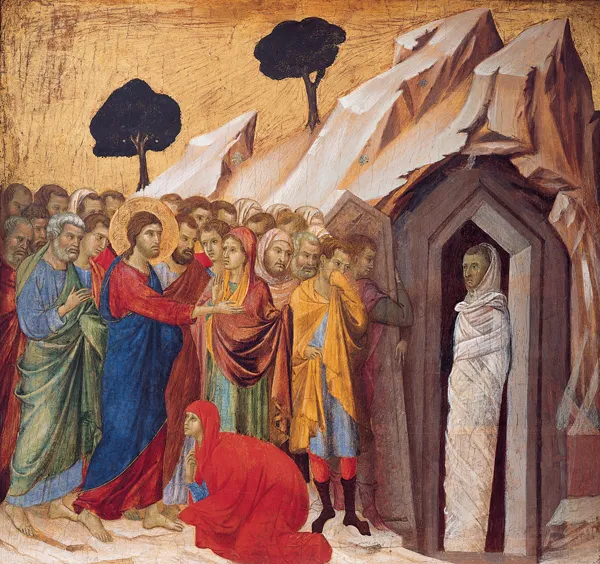
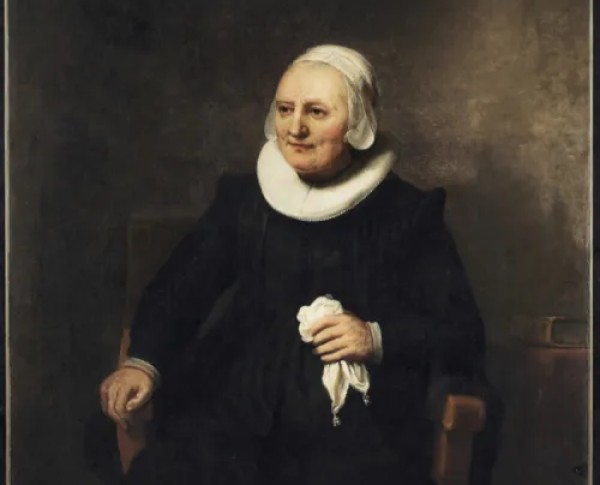
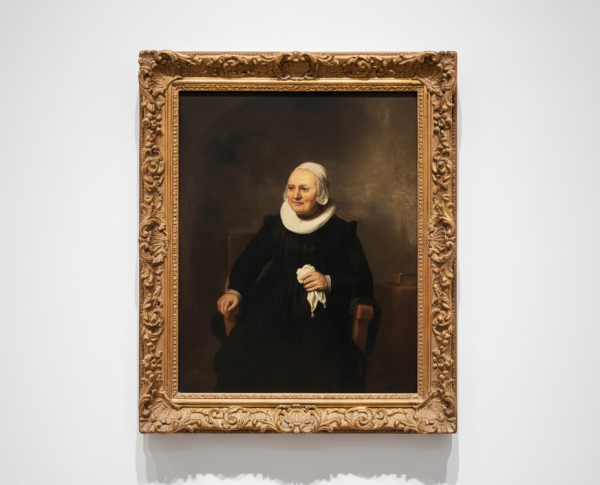
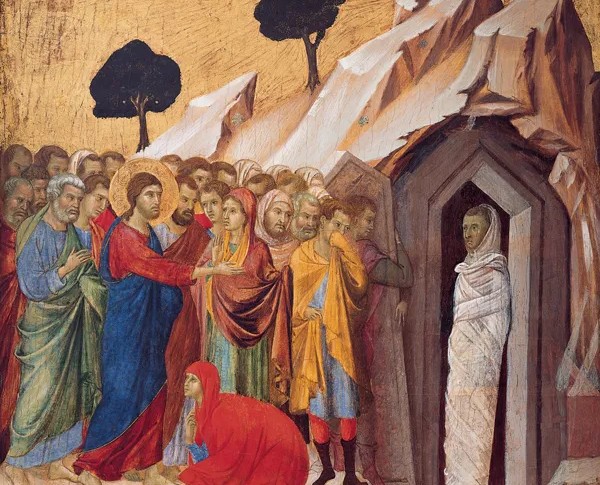
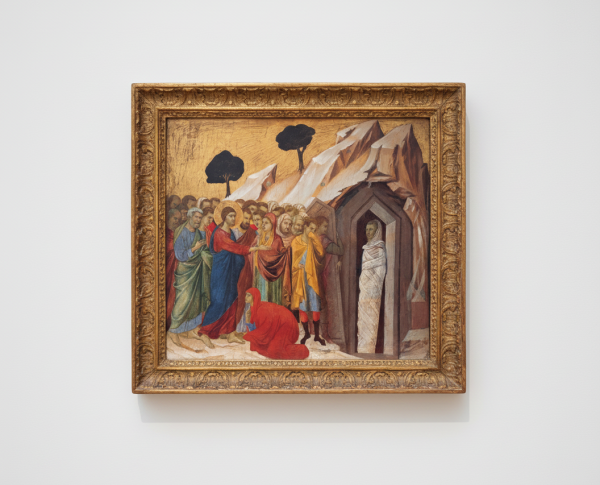
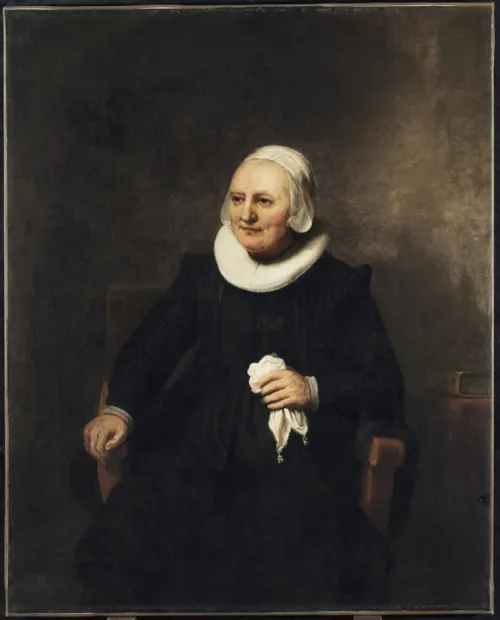
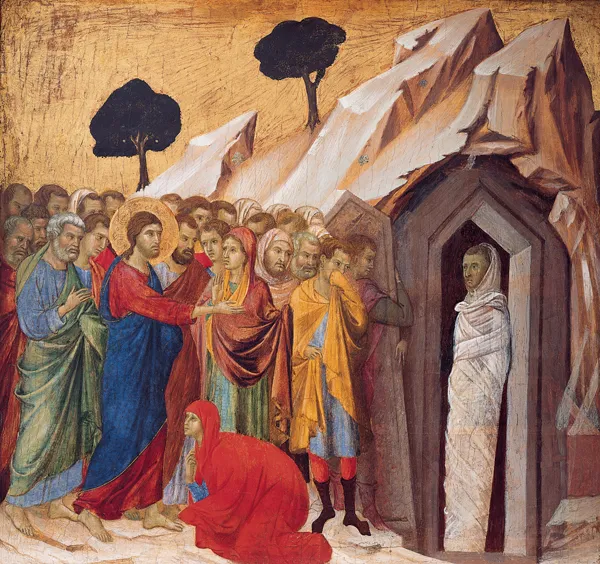
Every element in "A View of Delft with a Musical Instrument Seller’s Stall" offers a glimpse into 17th-century Dutch society. Fabritius masterfully weaves narrative and symbolism, inviting viewers to interpret the lively marketplace scene. Such storytelling is a hallmark of Dutch Golden Age art, making this hand-painted oil painting especially desirable. Collectors often pair it with works like "The Raising of Lazarus" and "Portrait of a Seated Woman with a Handkerchief" to enrich their collections with layered meanings.
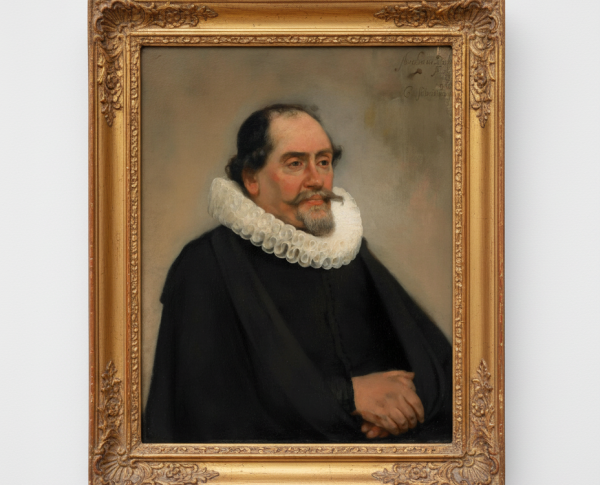
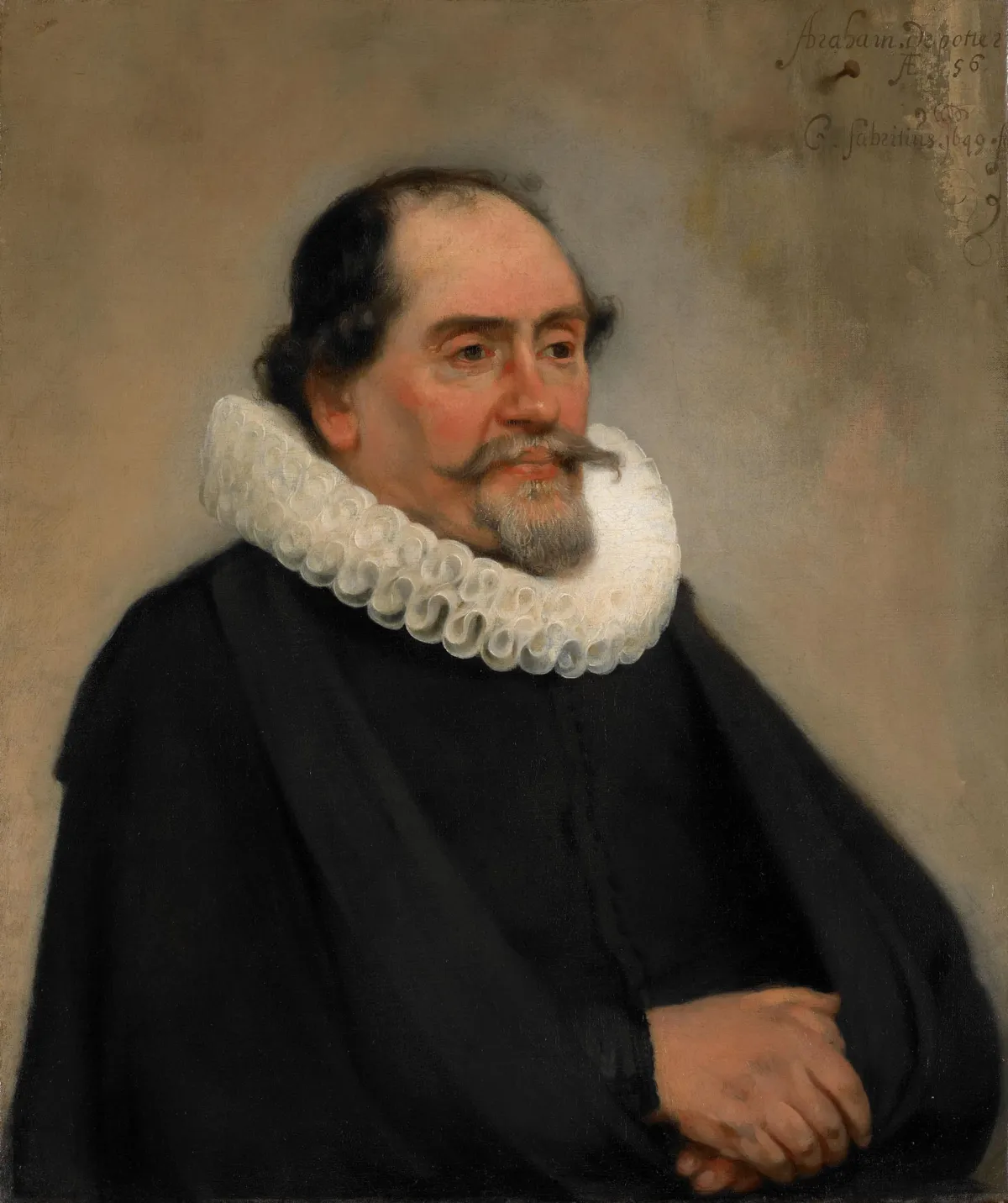
For art collectors, "A View of Delft with a Musical Instrument Seller’s Stall" by Carel Fabritius represents a rare opportunity to own a piece of history. As an oil on canvas masterpiece from the Dutch Golden Age, it stands out among fine art paintings for sale. Those seeking to build a cohesive collection may also consider acquiring "Saint Peter Being Freed from Prison" or "Portrait of Abraham de Potter," both exemplary works that complement Fabritius’s celebrated legacy.
When Art Meets History
Carel Fabritius, a prominent figure of the Dutch Golden Age, masterfully captures urban life in "A View of Delft with a Musical Instrument Seller’s Stall." This hand-painted oil painting immerses viewers in the bustling streets of Delft, reflecting the vibrant spirit of 17th-century Netherlands. Fabritius’s work shares historical resonance with related paintings such as "The Art of Painting" and "The Stoning Of St. Stephen," all echoing the era’s cultural richness and attention to everyday life.
Techniques That Speak
Fabritius’s "A View of Delft with a Musical Instrument Seller’s Stall" showcases exceptional oil on canvas technique, with his signature use of light and shadow creating depth and realism. The detailed brushwork brings the lively marketplace to life, much like in "The Wine Glass" and "The Procuress." His innovative perspective and atmospheric effects set him apart among Dutch Golden Age painters, making this and other works remarkable examples of technical mastery in oil painting.
Emotions on Display
In this evocative scene, Carel Fabritius conveys the emotions of daily life through subtle expressions and dynamic interactions. The painting’s characters, much like those in "Christ In The Storm On The Sea Of Galilee," are depicted with empathy and realism. Each figure in this fine art painting for sale invites the viewer to experience the vibrancy and humanity of Delft’s streets, capturing the essence of community, curiosity, and the simple joys of urban existence.
Coveted by Collectors
Collectors highly value "A View of Delft with a Musical Instrument Seller’s Stall" for its historical significance and masterful execution. As a quintessential Dutch Golden Age piece by Carel Fabritius, this painting stands alongside esteemed works like "The Art of Painting." Its timeless appeal and rarity make it a sought-after oil on canvas creation, ensuring its place among the most treasured fine art painting for sale within private and public collections worldwide.
Related Dutch Golden Age Hand-Painted Oil Paintings by Other Artists
Other Famous Dutch Golden Age Artists:
Frequently Asked Questions About A View of Delft with a Musical Instrument Seller S Stall
What is the historical significance of "A View of Delft with a Musical Instrument Seller S Stall"?
This painting, created by Carel Fabritius in 1652, is significant as it showcases the city of Delft during the Dutch Golden Age, highlighting the prosperity and cultural richness of the period.
Who was Carel Fabritius and what is his importance in art history?
Carel Fabritius was a Dutch painter and a pupil of Rembrandt. He is known for his innovative use of light and color, and his works are considered pivotal in the development of Dutch painting in the 17th century.
What artistic techniques did Fabritius employ in this painting?
Fabritius utilized chiaroscuro to create depth and dimension, along with a meticulous attention to detail that captures both the textures of the instruments and the atmospheric qualities of Delft.
What does the presence of the musical instrument seller symbolize in the painting?
The musical instrument seller represents the flourishing arts and culture of Delft, suggesting a society that values music and creativity as integral components of daily life.
How does this painting reflect the characteristics of Dutch Golden Age art?
This painting exemplifies the Dutch Golden Age through its realistic depiction of everyday life, attention to detail, and the use of light to enhance the scene's vibrancy and depth.
What elements in the painting suggest a sense of community in Delft?
The depiction of the bustling market scene, with various figures engaged in commerce and social interaction, illustrates a vibrant community where trade and culture intersect.
What role does color play in "A View of Delft with a Musical Instrument Seller S Stall"?
Color in this painting is used strategically to draw attention to the musical instruments, while the warm tones of the buildings create a harmonious atmosphere that reflects the lively spirit of the city.
How does this work compare to other paintings by Fabritius?
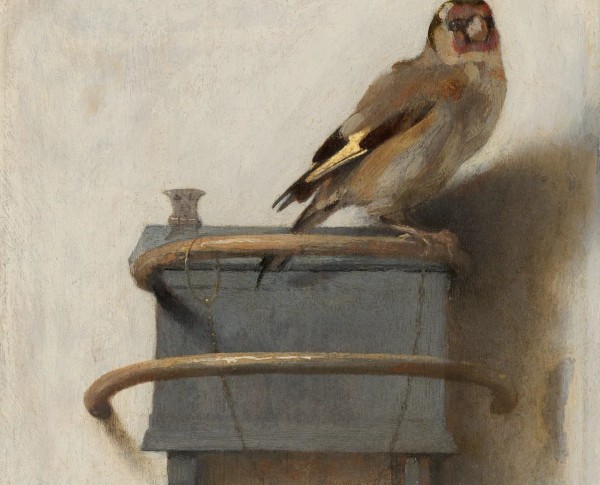
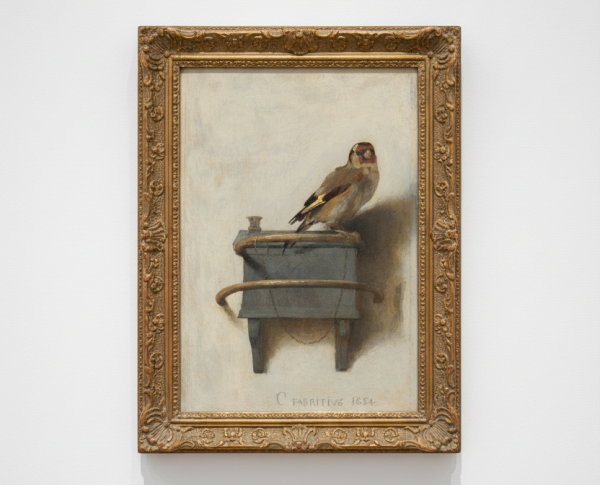
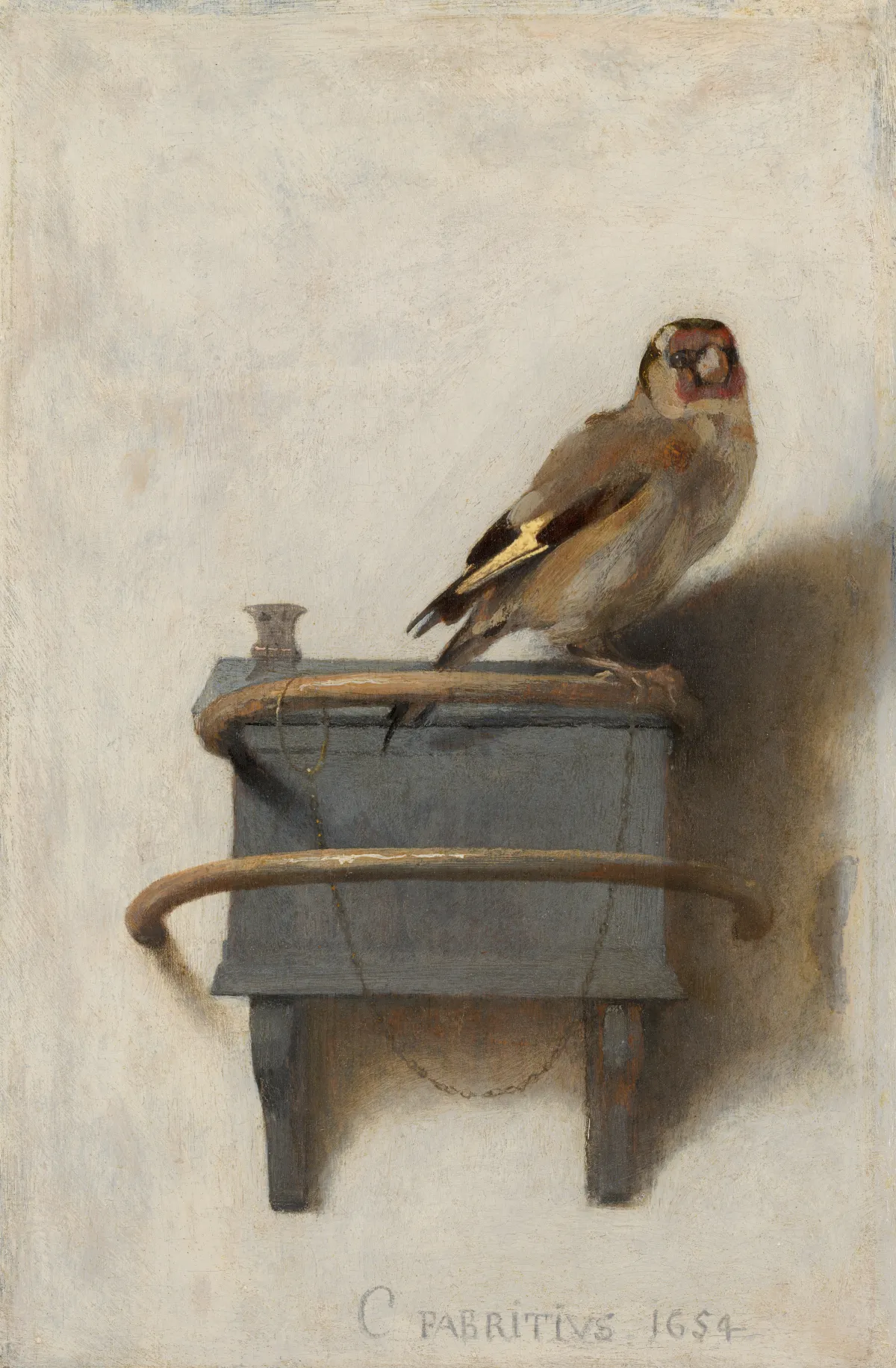
Compared to other works by Fabritius, such as "The Goldfinch," this painting displays a more complex composition and a focus on urban life, showcasing his versatility as an artist.
What is the significance of the architectural elements in the background?
The architectural elements serve not only as a backdrop but also as a representation of Delft's unique urban landscape, emphasizing the city's historical context and architectural heritage.
What can we learn about the social dynamics of 17th century Delft from this painting?
The painting reveals a society engaged in commerce and cultural exchange, highlighting the importance of music and art in daily life, and suggesting a community that thrives on collaboration and creativity.






















_GFM_Painting_(1).webp)


 100% Hand-Painted: Finished in 3-6 Weeks

.png)















_(1).webp)