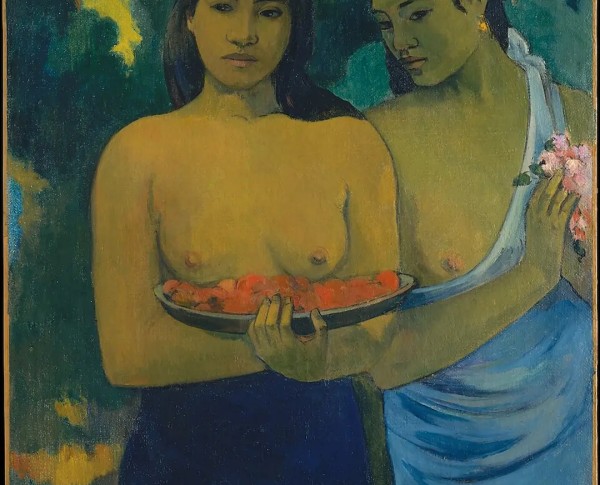
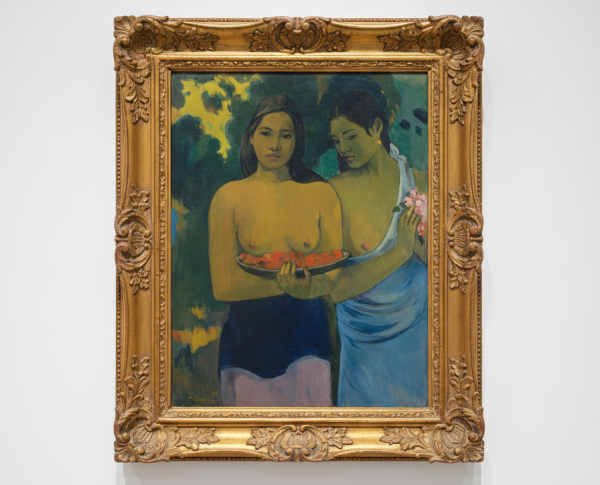
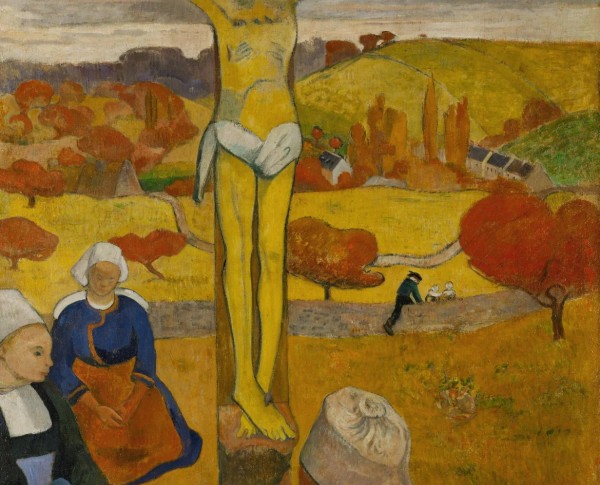
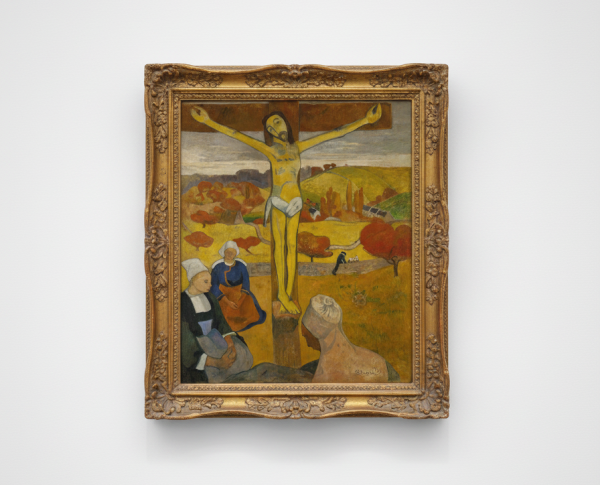
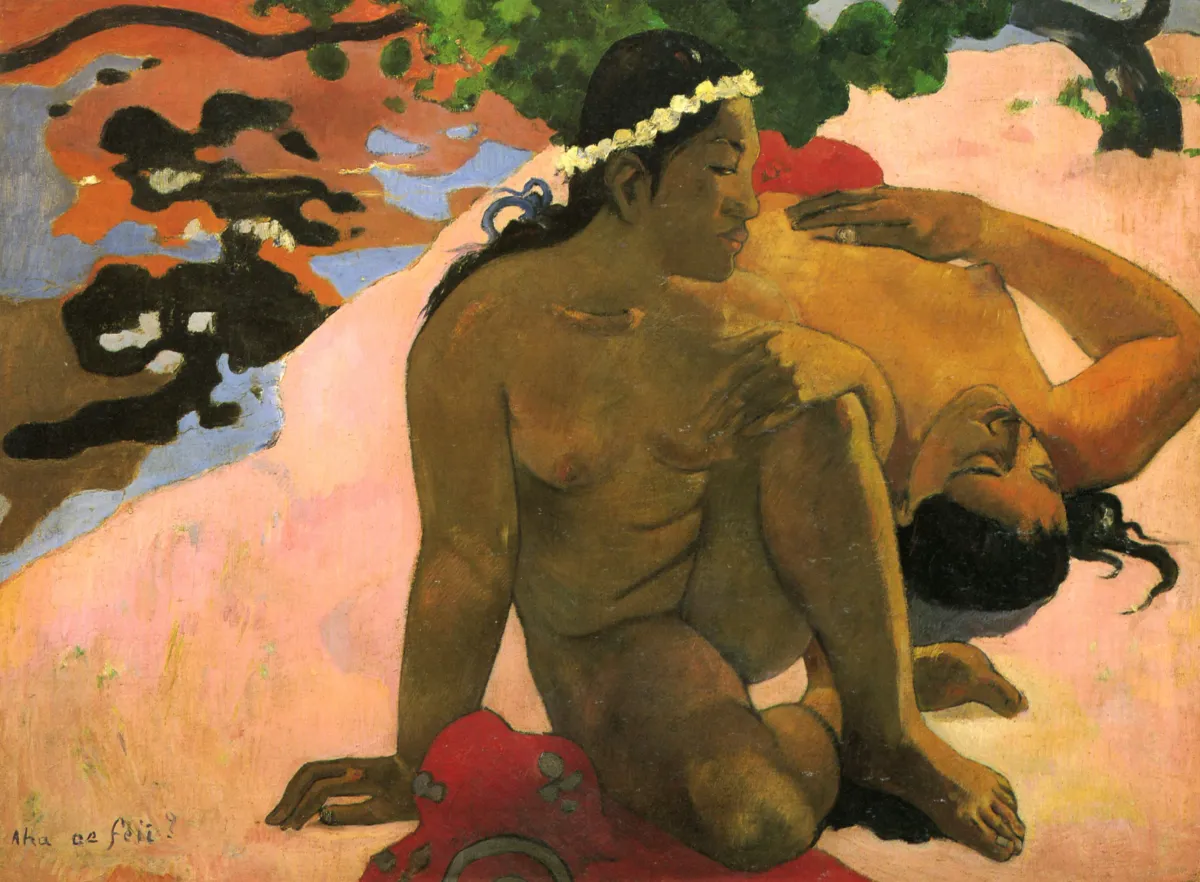
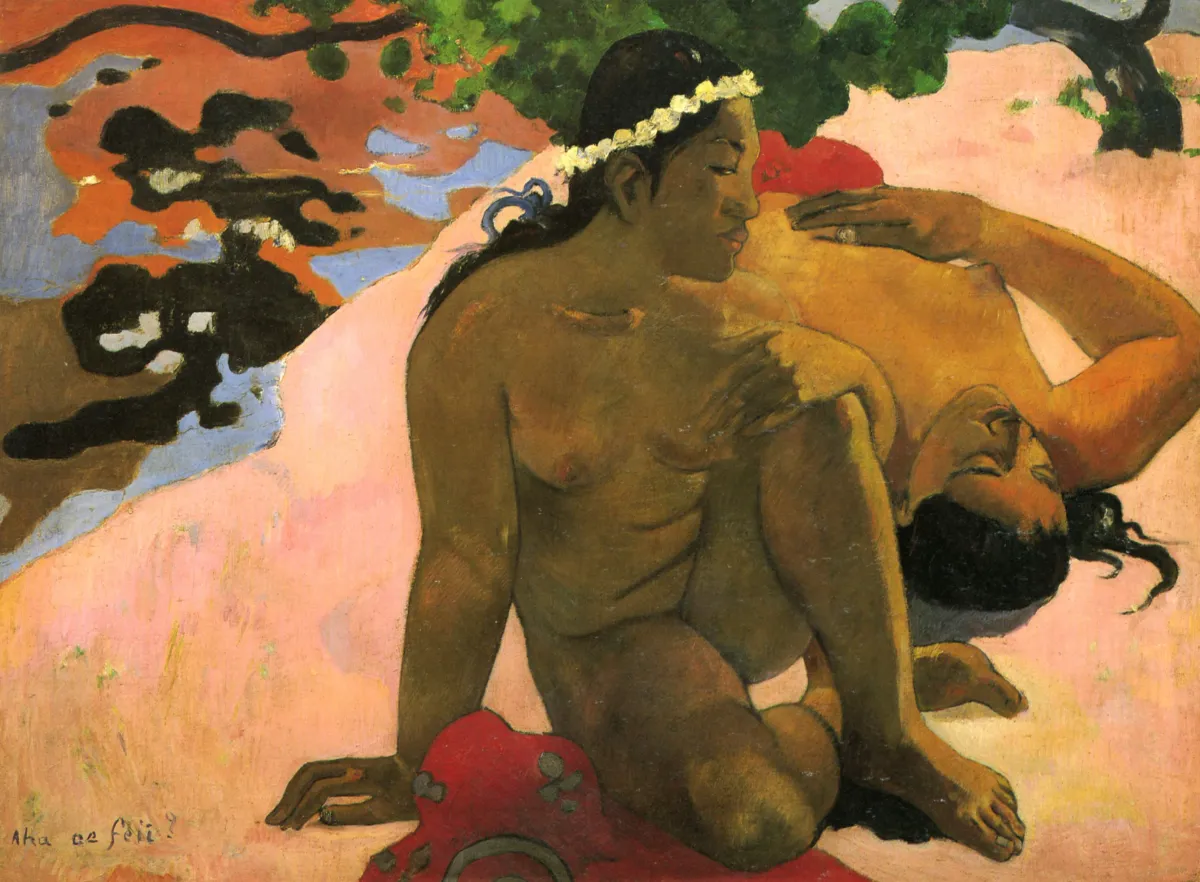
Paul Gauguin’s expert use of oil on canvas in "Aha Oe Feii?" showcases his command of vibrant color and bold composition, hallmarks of the Post-Impressionism era. The artist’s technique brings the figures to life, imbuing them with emotion and cultural depth. Admirers of "Vairumati" and "The Yellow Christ" will recognize Gauguin’s distinctive style, making this oil on canvas a coveted addition to any discerning collection.
The narrative within "Aha Oe Feii?" is rich with stories and symbols, reflecting Paul Gauguin’s fascination with Tahitian myths and daily life. This fine art painting for sale reveals layers of meaning through expressive gestures and enigmatic expressions. Like "Ia Orana Maria" and "Where Do We Come From? What Are We? Where Are We Going?", this work invites viewers to interpret its deeper messages, making it a conversation piece for any art enthusiast.
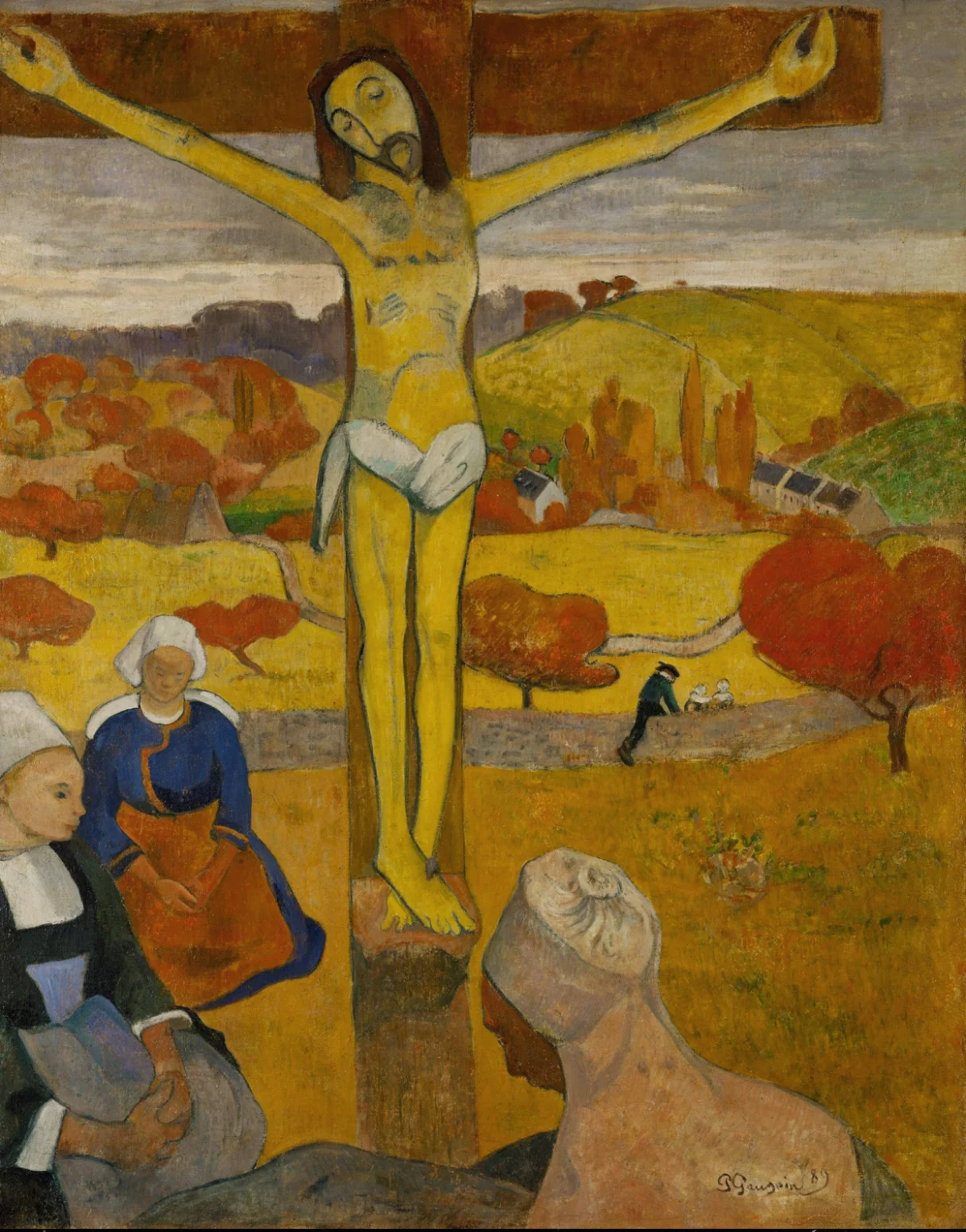
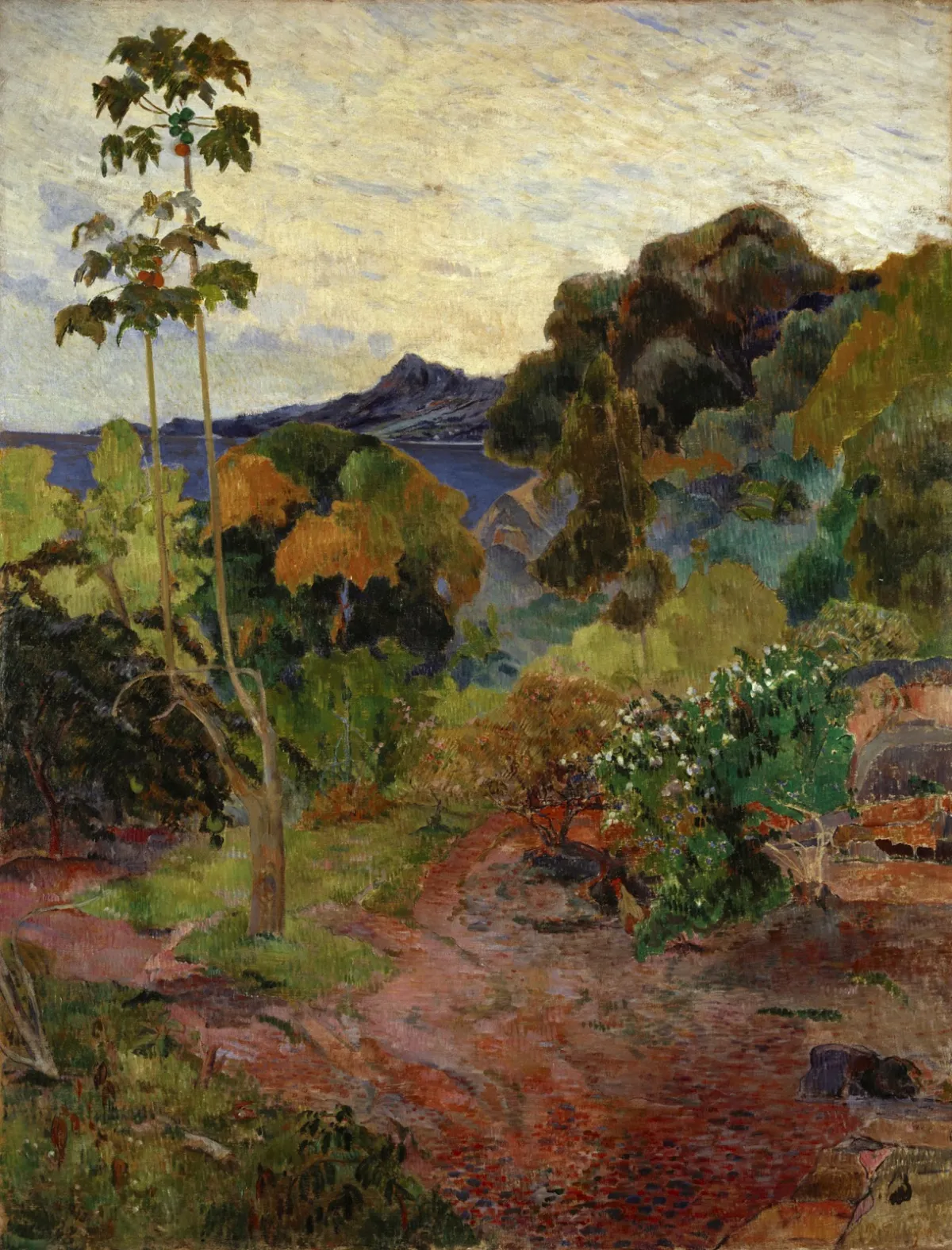
As a fine art painting for sale, "Aha Oe Feii?" by Paul Gauguin is a prized acquisition for collectors of Post-Impressionism. Its unique blend of color, narrative, and cultural insight ensures lasting value and appeal. Those interested in related products such as "The Yellow Christ" or "Martinique Landscape" will find this masterpiece a worthy centerpiece, embodying the spirit and innovation of Paul Gauguin’s artistic legacy.
When Art Meets History
"Aha Oe Feii?" is a remarkable hand-painted oil painting by Paul Gauguin, a leading figure in the Post-Impressionism movement. Created during Gauguin's transformative time in Tahiti, this artwork captures the intersection of European artistry and Polynesian culture. Alongside masterpieces like "Church Pew with Worshippers" and "The Potato Eaters," Gauguin's work reflects a pivotal era in fine art, where history and creativity blend seamlessly on canvas, shaping the future of modern painting.
Techniques That Speak
Paul Gauguin's mastery of oil on canvas is evident in "Aha Oe Feii?" with its bold color palette and expressive brushwork characteristic of Post-Impressionism. His innovative approach, seen also in "An English Traveling Circus" and "Breton Women and Children," breaks away from traditional realism, emphasizing emotional resonance over literal representation. By layering vivid hues and dynamic forms, Gauguin invites viewers to experience his unique perspective, making each oil on canvas a visual conversation.
Emotions on Display
In "Aha Oe Feii?", Gauguin channels deep emotion through his vivid imagery, echoing the spirit of Post-Impressionism. The painting’s subjects and vibrant colors evoke curiosity and contemplation, inviting viewers into a world of introspection. Similar to the evocative mood in "Wheatfield with Crows," this fine art painting for sale reveals the artist's inner turmoil and fascination with exotic cultures, making it a powerful testament to the emotional depth found in Gauguin's body of work.
Coveted by Collectors
As a standout hand-painted oil painting from the Post-Impressionism movement, "Aha Oe Feii?" by Paul Gauguin is highly sought after by art enthusiasts and collectors alike. The painting’s historical significance and unique aesthetic, shared by related works like "The Potato Eaters" and "Church Pew with Worshippers," contribute to its desirability. Owning such a fine art painting for sale not only brings beauty into a space but also connects collectors to an iconic era in art history.
Related Post-Impressionism Hand-Painted Oil Paintings by Other Artists
Other Famous Post-Impressionism Artists:
Frequently Asked Questions About Aha Oe Feii?
What is the historical context of "Aha Oe Feii?"
"Aha Oe Feii?" was painted by Paul Gauguin in 1894 during his time in Tahiti, a period marked by his desire to escape European civilization and explore the primal aspects of life and art.
What artistic techniques did Gauguin use in "Aha Oe Feii?"
Gauguin employed bold colors, simplified forms, and strong outlines, characteristic of his post-impressionist style. He also utilized a flat perspective that emphasizes the decorative quality of the composition.
What are the main themes depicted in "Aha Oe Feii?"
The painting explores themes of spirituality, nature, and the connection between humanity and the divine, reflecting Gauguin's fascination with Tahitian culture and mythology.
What does the title "Aha Oe Feii?" mean?
The title translates to "Where are we going?" in Tahitian, which invites viewers to ponder the journey of life and the search for meaning, a recurring motif in Gauguin's work.
How does "Aha Oe Feii?" reflect Gauguin's views on civilization?
In "Aha Oe Feii?", Gauguin contrasts the simplicity and perceived purity of Tahitian life with the complexities and moral ambiguities of Western civilization, advocating for a return to a more authentic existence.
What symbolic elements are present in "Aha Oe Feii?"
The painting features symbolic motifs such as the figures' poses and expressions, which convey a sense of contemplation and connection to the spiritual world, enhancing the overall narrative of the artwork.
How did Gauguin's experiences in Tahiti influence "Aha Oe Feii?"
Gauguin's time in Tahiti profoundly influenced his artistic vision, leading him to embrace local culture, mythology, and the vibrant colors of the landscape, all of which are vividly represented in "Aha Oe Feii?".
What role does color play in "Aha Oe Feii?"
Color in "Aha Oe Feii?" serves not only to attract the viewer's eye but also to convey emotional depth and symbolic meaning, with vibrant hues representing the richness of Tahitian life and spirituality.
In what ways does "Aha Oe Feii?" reflect the Symbolist movement?
The painting embodies the Symbolist movement through its emphasis on emotional experience and the use of visual symbols to express deeper meanings, moving beyond mere representation to evoke a spiritual journey.
How has "Aha Oe Feii?" been received by art critics over time?
Initially met with mixed reviews, "Aha Oe Feii?" has since been recognized as a significant work that encapsulates Gauguin's innovative approach and his quest for a new artistic language, influencing generations of artists.






















_GFM_Painting_(1).webp)


 100% Hand-Painted: Finished in 3-6 Weeks

.png)















_(1).webp)