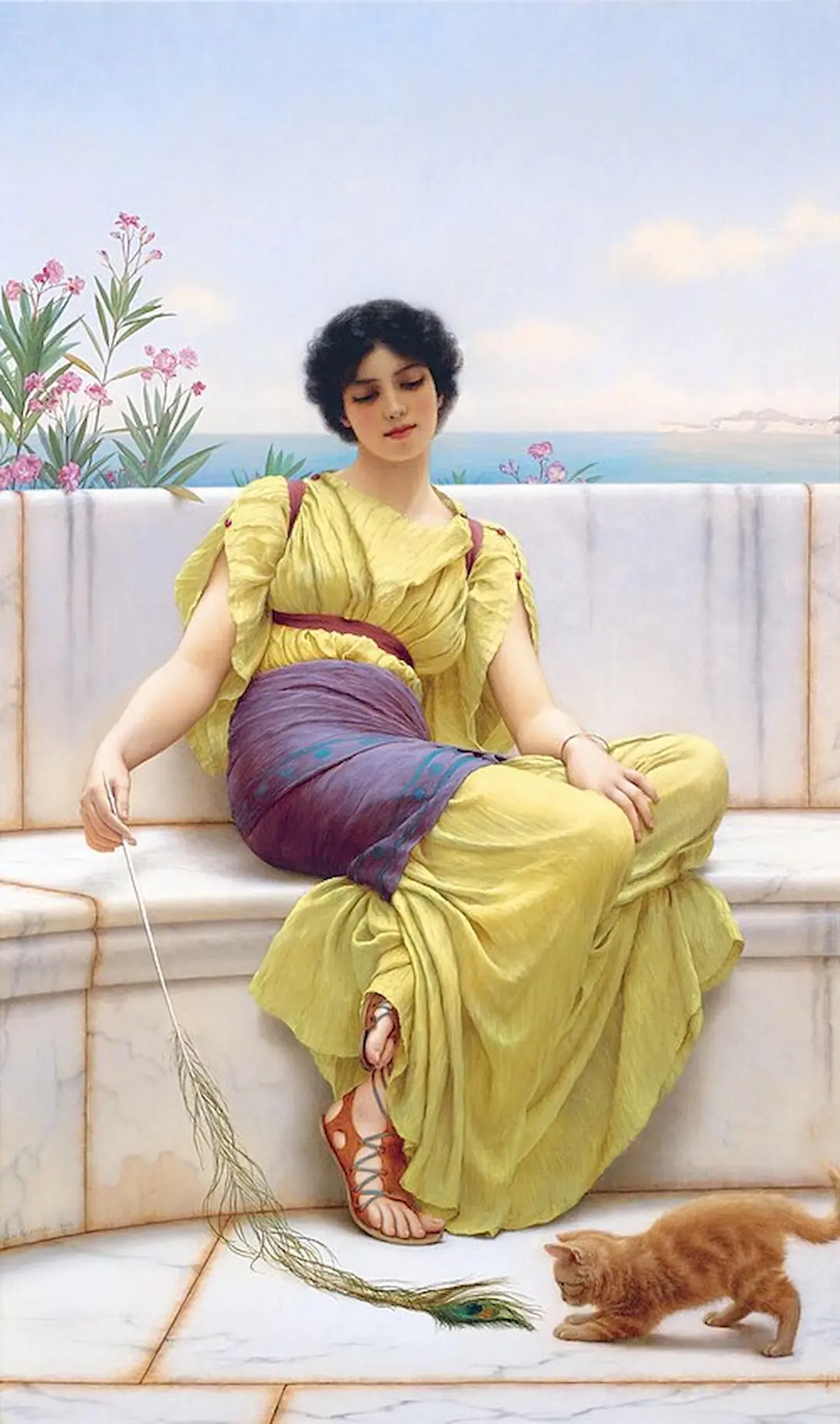
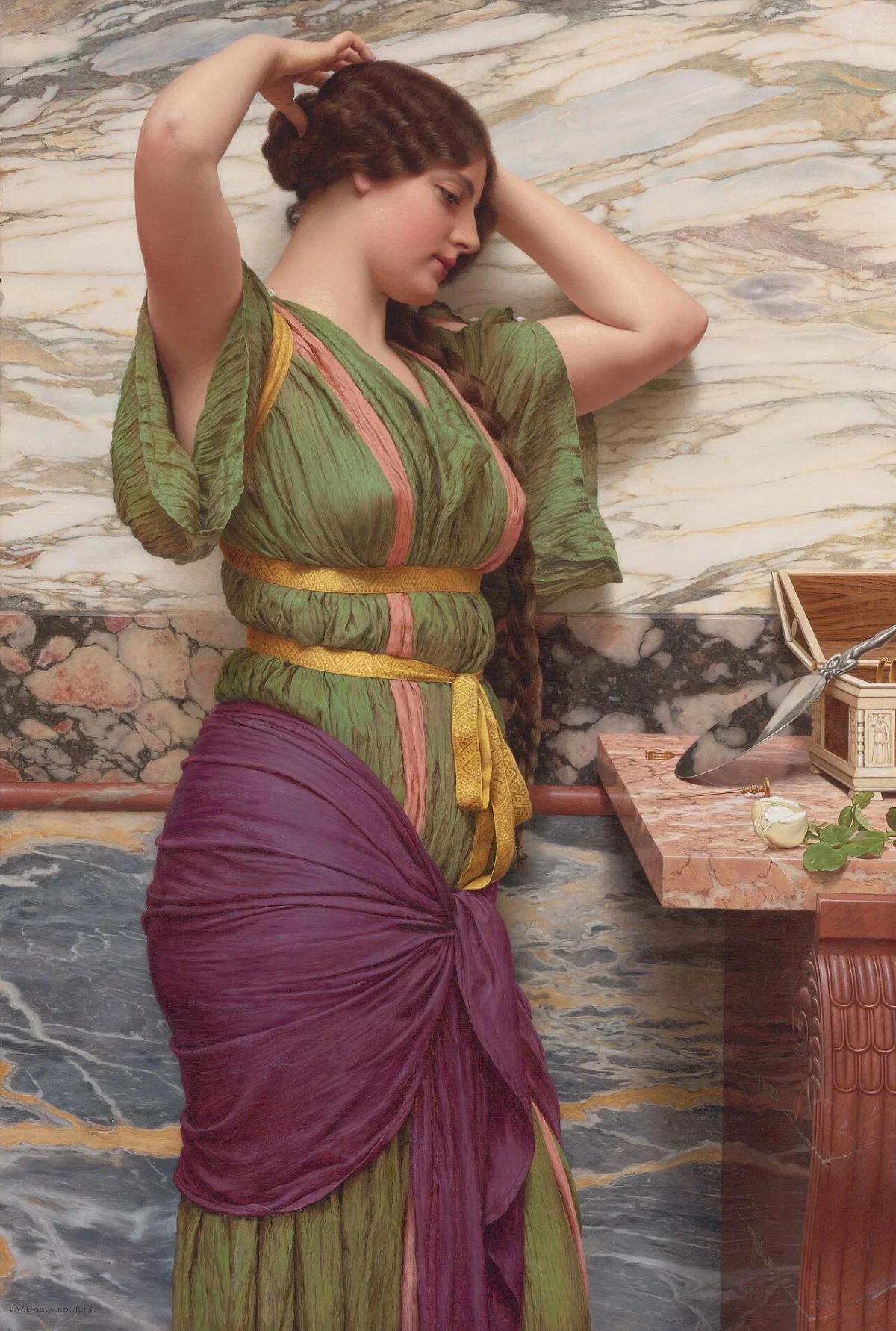
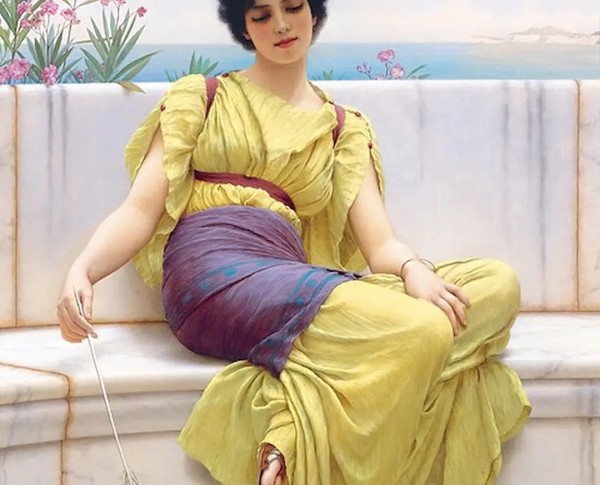
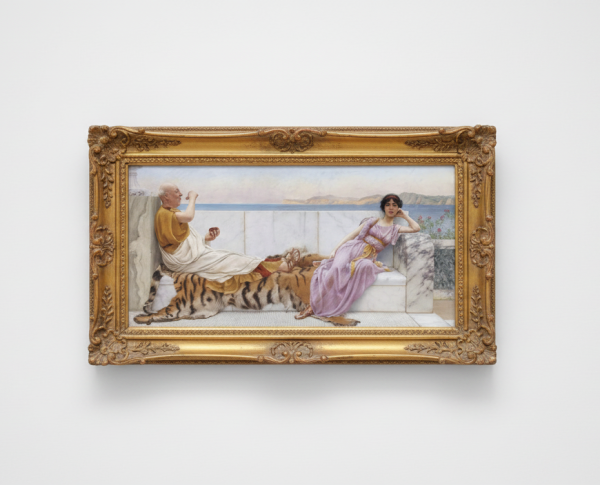
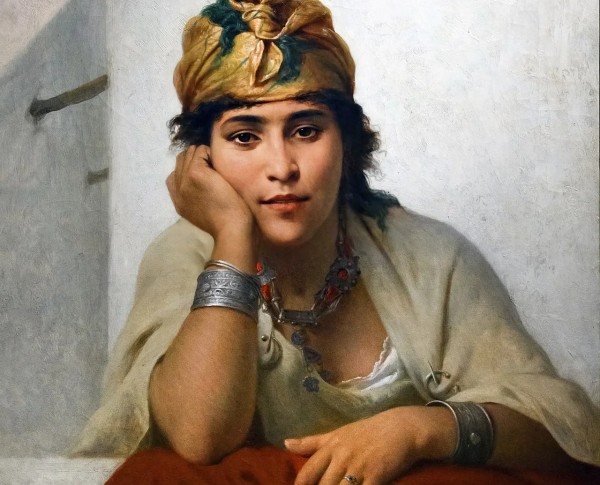
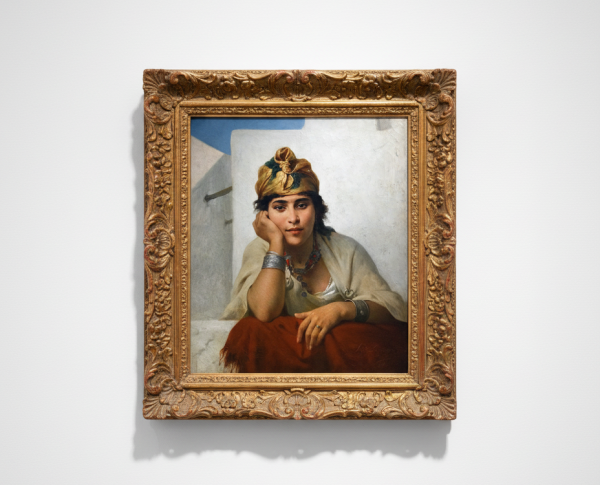
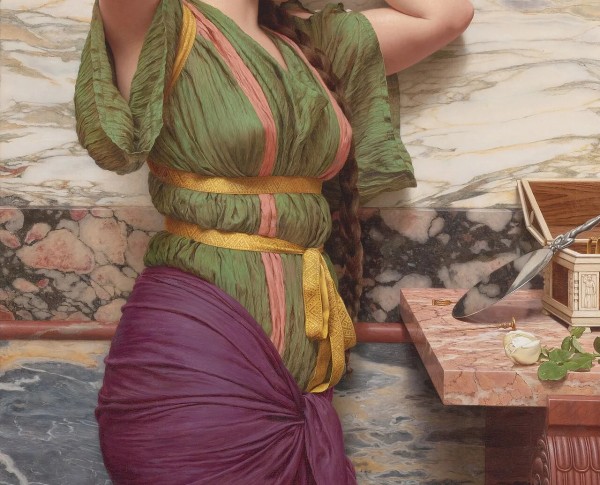
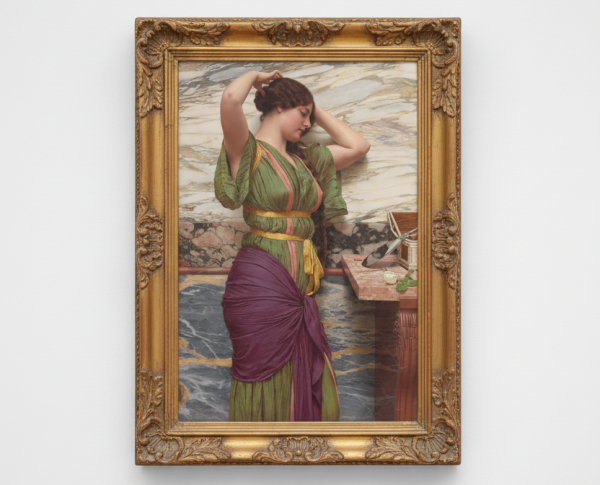
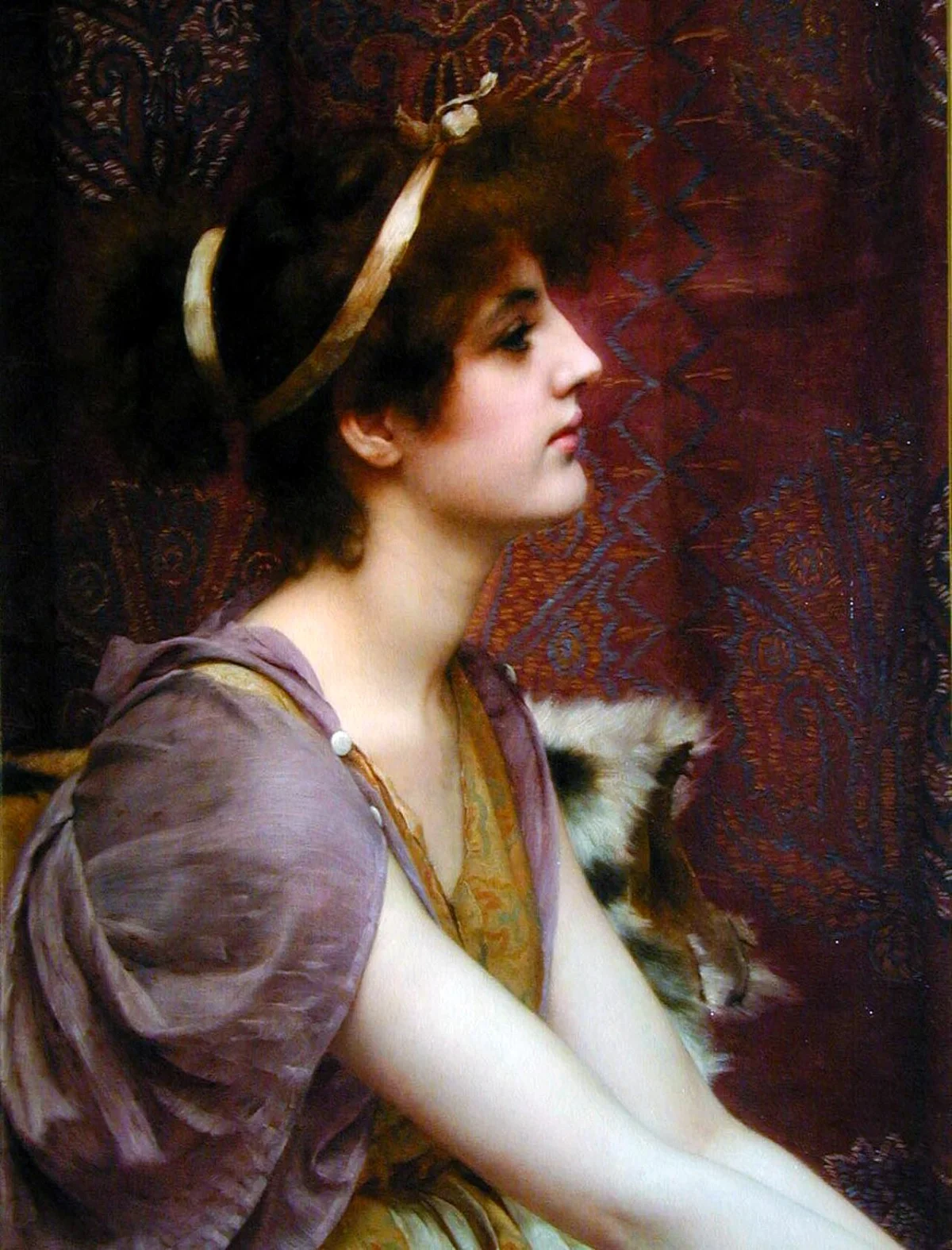
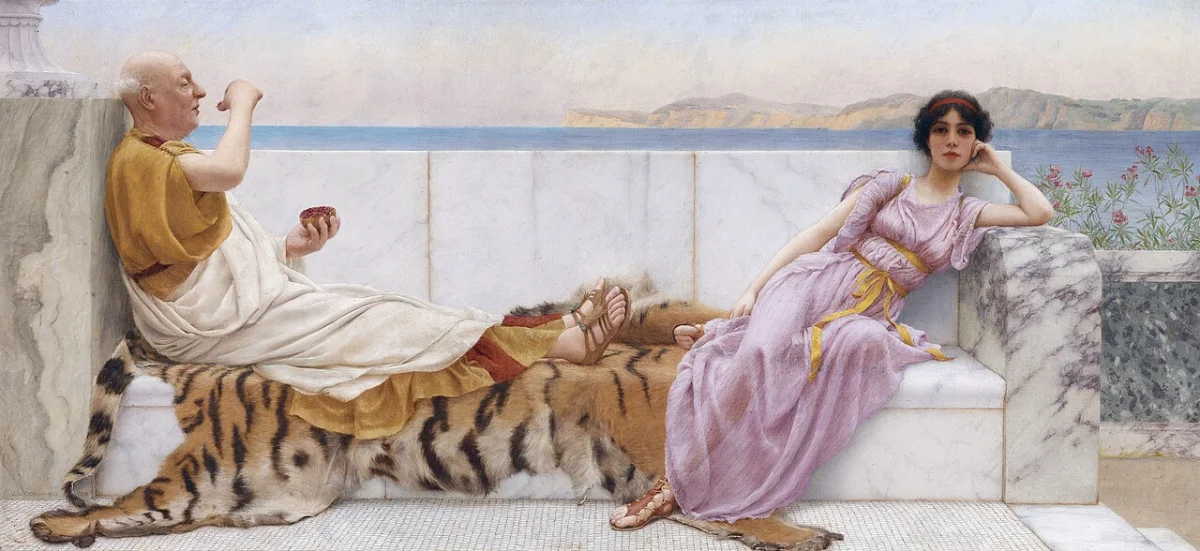
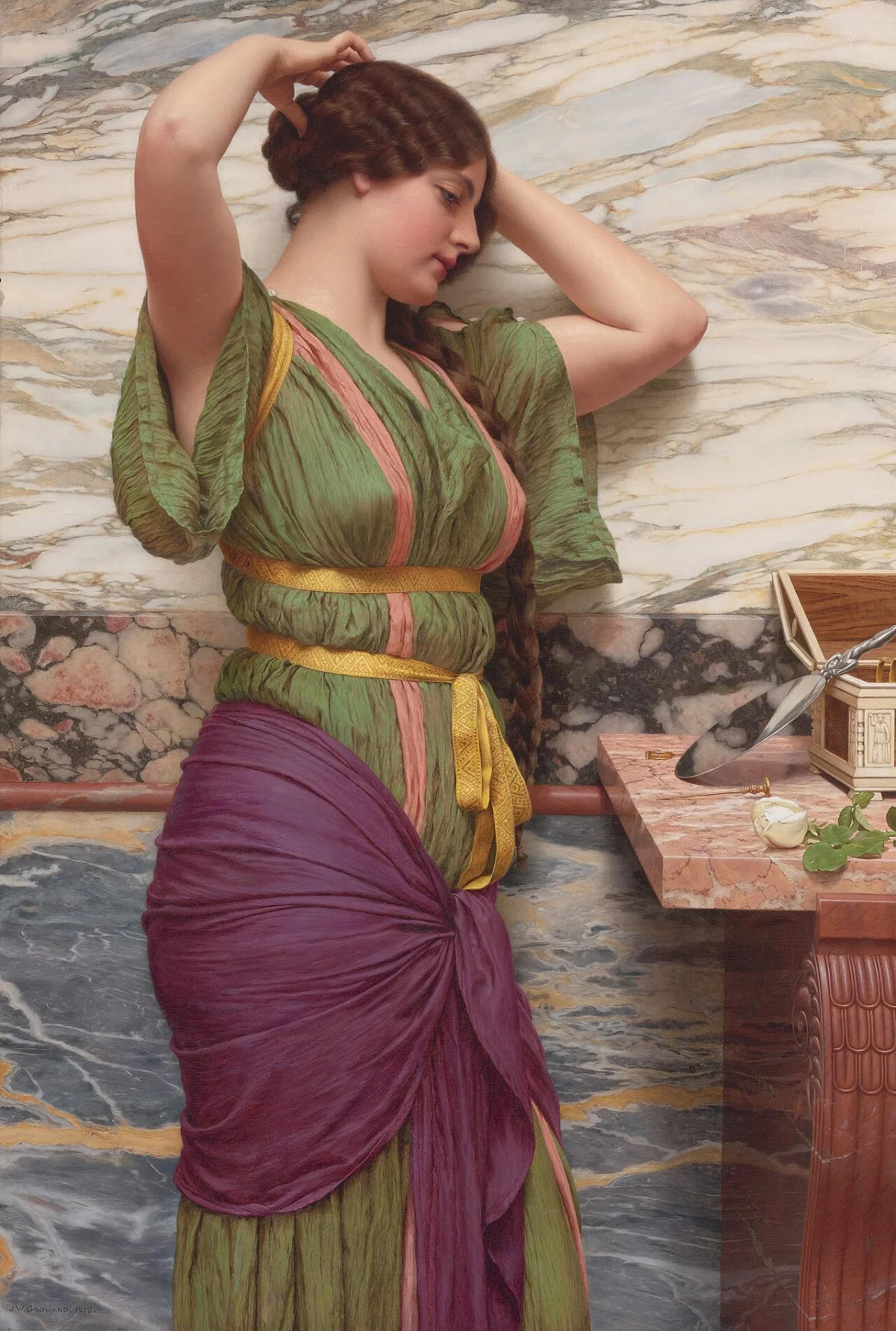
"Classical Beauty" exemplifies Godward’s unmatched skill with oil on canvas, where every brushstroke brings lifelike detail to the fore. The artist’s meticulous technique, characteristic of Neoclassical Academic Realism, is evident in the delicate rendering of fabrics and the serene expression of the subject. For admirers of masterful craftsmanship, related works such as "The Melody" and "Ethel Warwick" provide further examples of Godward’s artistic prowess and devotion to classical perfection.
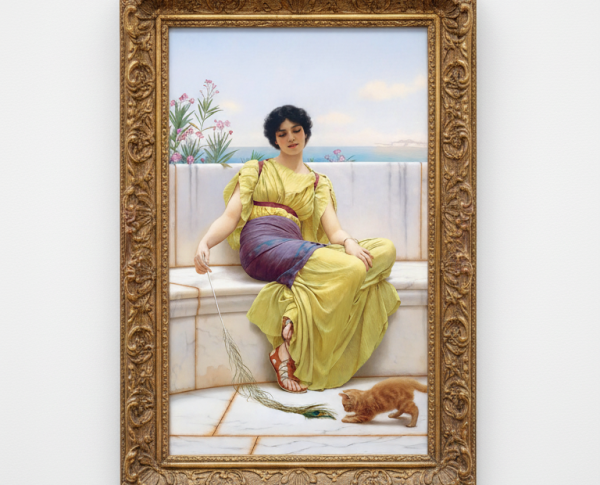
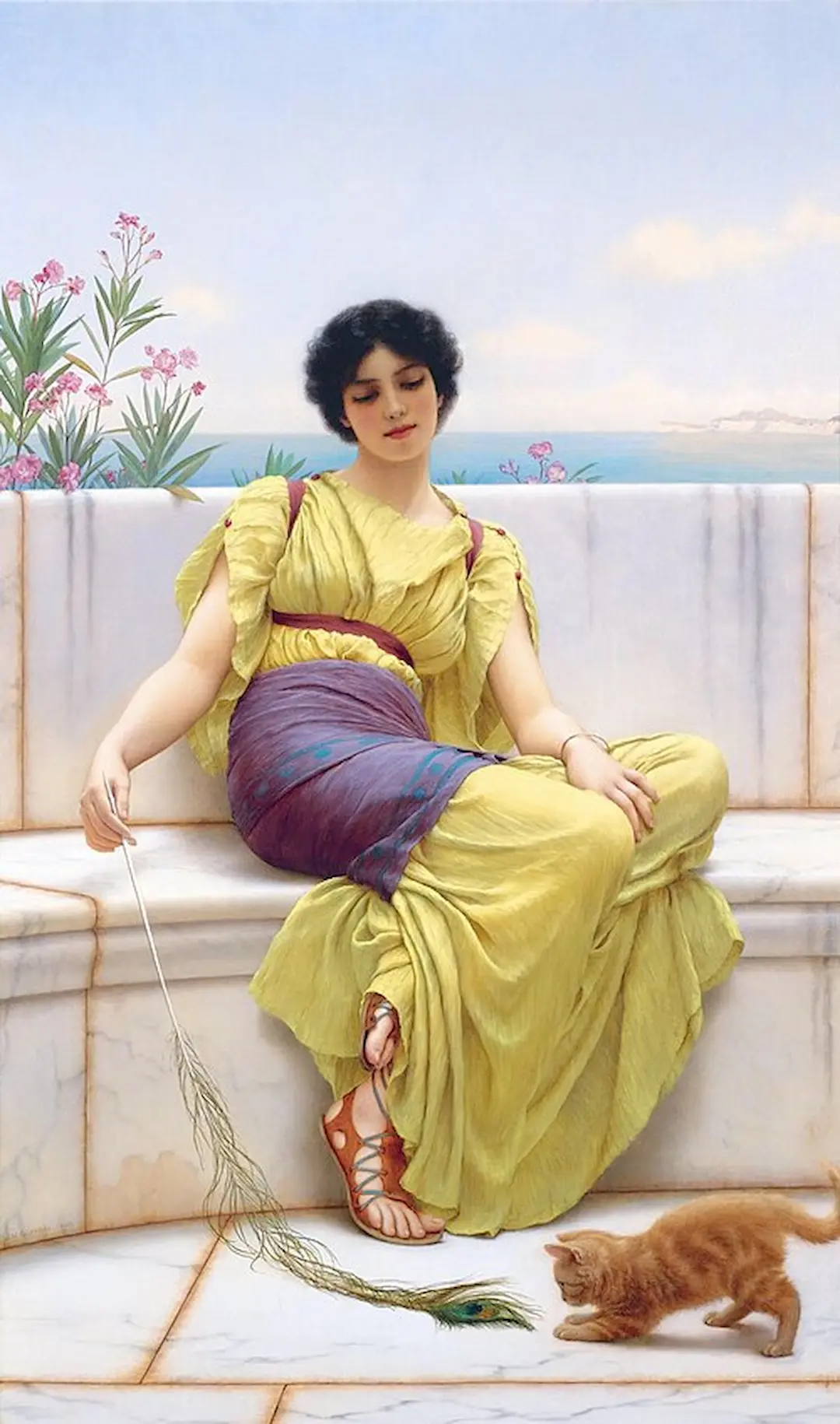
Within "Classical Beauty," Godward weaves subtle narratives and symbolism, inviting viewers to interpret the subject’s grace and setting. The painting’s pose and attire echo ideals cherished in Neoclassical Academic Realism, where beauty and virtue intertwine. For collectors seeking a fine art painting for sale that tells a deeper story, other evocative works like "The Quiet Pet" and "Coast Of Capri" offer an opportunity to explore the artist’s rich thematic repertoire.
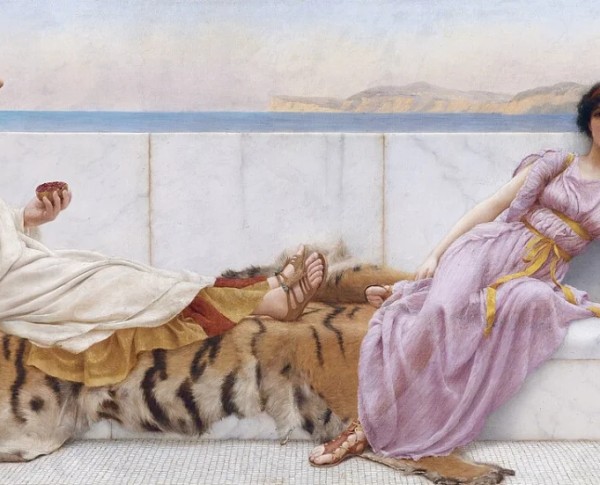
Owning "Classical Beauty" by John William Godward means possessing a true gem of the Neoclassical Academic Realism movement. This hand-painted oil painting not only enhances any collection but also connects owners to the artist’s enduring vision. For those interested in expanding their collection, related products such as "A Pompeian Bath," "The Melody," and "Coast Of Capri" present additional opportunities to acquire exquisite fine art painting for sale from this remarkable era.
When Art Meets History
"Classical Beauty" by John William Godward stands as a testament to the Neoclassical Academic Realism movement, capturing the elegance and grace of antiquity. This hand-painted oil painting transports viewers to a world where history and artistry intertwine. Godward, renowned for his exquisite attention to detail, creates a visual narrative reminiscent of other masterpieces like "The Death of Socrates" and "Napoleon Crossing the Alps," making "Classical Beauty" a true historical gem.
Techniques That Speak
Godward’s mastery is evident in the precise brushwork and refined textures found in "Classical Beauty." Utilizing oil on canvas, he achieves a luminous quality that brings the subject to life, echoing the techniques admired in works such as "Portrait of Antoine-Laurent Lavoisier and his wife." The Neoclassical Academic Realism movement emphasized clarity and form, and Godward’s technique aligns perfectly with this tradition, resulting in a painting that is both technically and visually stunning.
Emotions on Display
In "Classical Beauty," John William Godward conveys a sense of serene introspection, characteristic of Neoclassical Academic Realism. The subject’s tranquil pose and delicate expression evoke a calm that resonates with viewers, much like the emotive power found in "Consecration of the Emperor Napoleon I and Coronation of the Empress Josephine 1805-07." This fine art painting for sale invites admirers to experience the timeless emotional depth that Godward masterfully portrays.
Coveted by Collectors
Collectors of Neoclassical Academic Realism eagerly seek out works like "Classical Beauty" for their historical significance and aesthetic appeal. As with Godward’s contemporaries who created renowned pieces like "Bonaparte, Calm on a Fiery Steed," this hand-painted oil painting holds a special place in the art market. Its meticulous execution and enduring beauty ensure that "Classical Beauty" remains a highly desirable choice for enthusiasts looking for an exceptional addition to their collection.
Related Neoclassical Academic Realism Hand-Painted Oil Paintings by Other Artists
Other Famous Neoclassical Academic Realism Artists:
Frequently Asked Questions About Classical Beauty
What is the historical context of "Classical Beauty"?
"Classical Beauty," painted by John William Godward in 1897, reflects the late Victorian era's fascination with classical themes and aesthetics, emphasizing a return to traditional values and ideals in art.
What artistic movement is "Classical Beauty" associated with?
This painting is associated with the Neoclassical movement, which sought to revive the classical ideals of ancient Greece and Rome, focusing on harmony, proportion, and beauty.
Who was John William Godward?
John William Godward was a British painter known for his depictions of beautiful women in classical settings, often characterized by meticulous detail and vibrant colors, making him a prominent figure in the late 19th-century art scene.
What themes are explored in "Classical Beauty"?
The painting explores themes of idealized beauty, femininity, and the harmony between nature and art, encapsulating the timeless allure of classical mythology and aesthetics.
What techniques did Godward use in "Classical Beauty"?
Godward employed techniques such as precise brushwork, a rich color palette, and careful attention to detail, particularly in the rendering of fabrics and the play of light, to create a sense of realism and depth.
What is the significance of the setting in "Classical Beauty"?
The setting, often featuring classical architecture and lush landscapes, serves to enhance the painting's themes of beauty and tranquility, creating an idealized world that reflects the artist's vision of harmony.
How does "Classical Beauty" reflect the values of its time?
The painting reflects the Victorian values of beauty, morality, and the idealization of women, showcasing a cultural preference for elegance and refinement in art during the late 19th century.
What symbolism can be found in "Classical Beauty"?
The painting is rich in symbolism, with elements such as the flowers representing beauty and transience, and the classical attire symbolizing timelessness and the pursuit of ideal beauty.
How has "Classical Beauty" influenced modern art?
"Classical Beauty" has influenced modern art by inspiring contemporary artists to explore themes of beauty and idealism, often prompting discussions about the representation of women and classical motifs in art.
Where can I view "Classical Beauty"?
"Classical Beauty" is part of the collection at various art galleries and museums, and it is advisable to check specific exhibition schedules for opportunities to view this remarkable work.























_GFM_Painting_(1).webp)


 100% Hand-Painted: Finished in 3-6 Weeks

.png)
















_(1).webp)