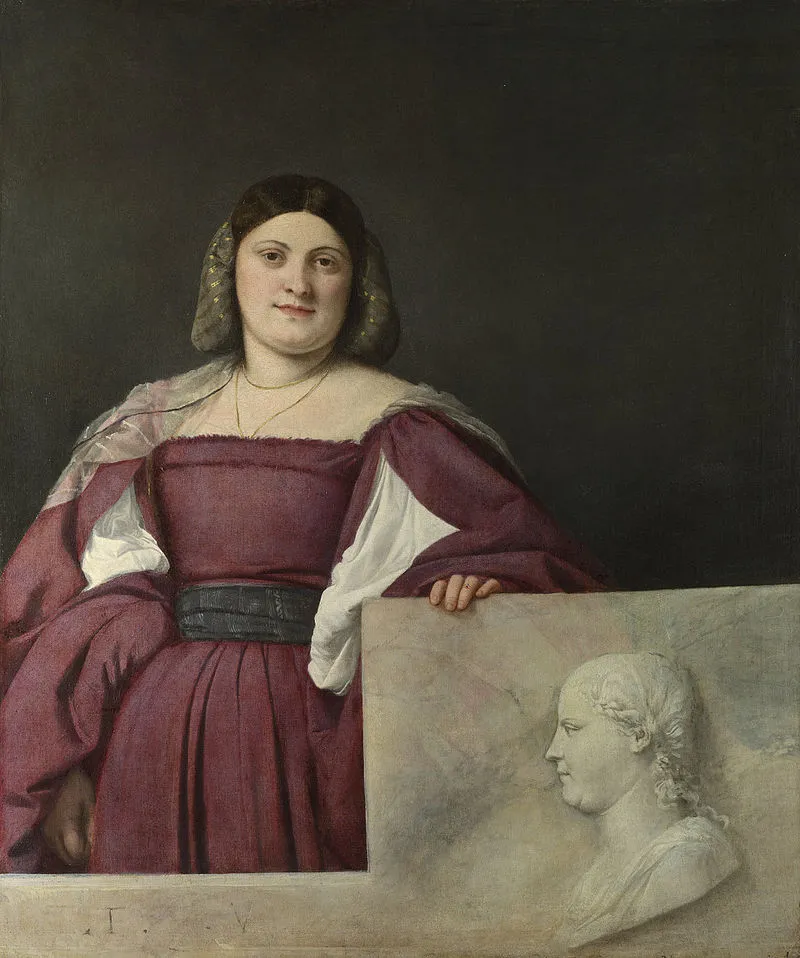
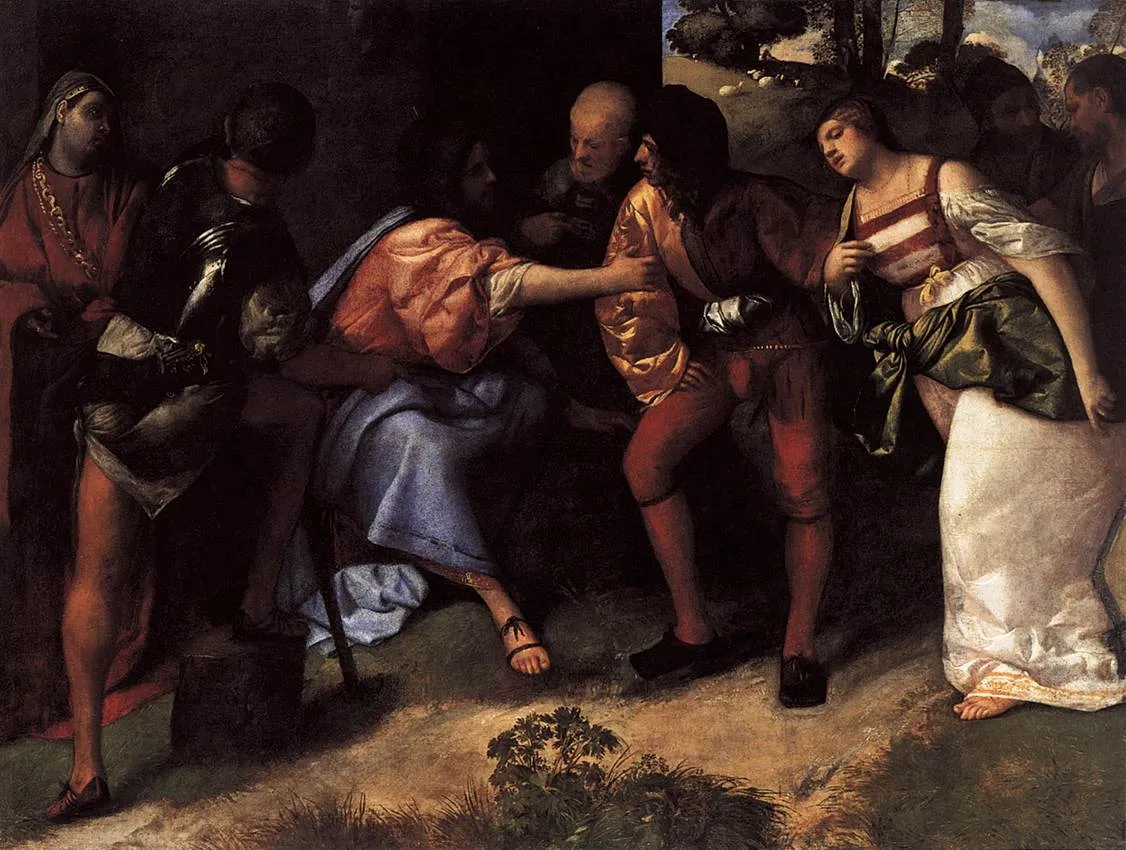
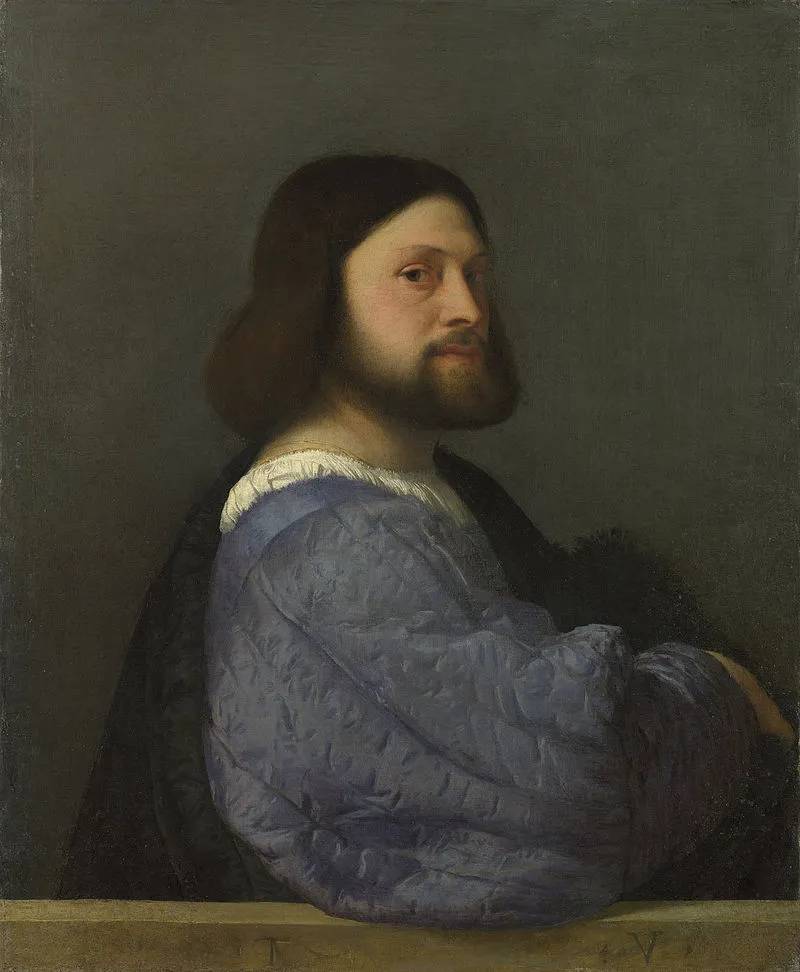
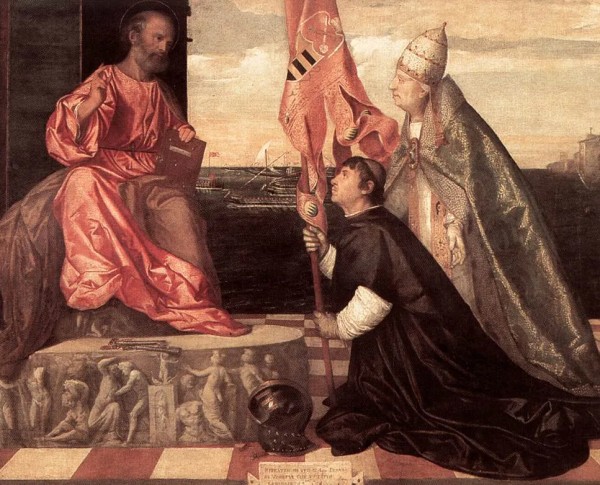
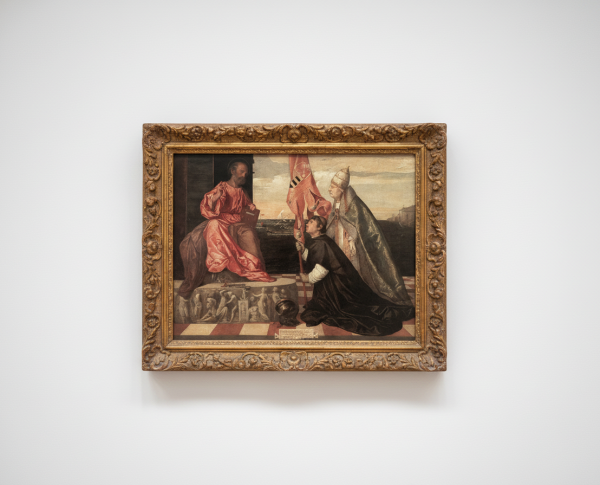
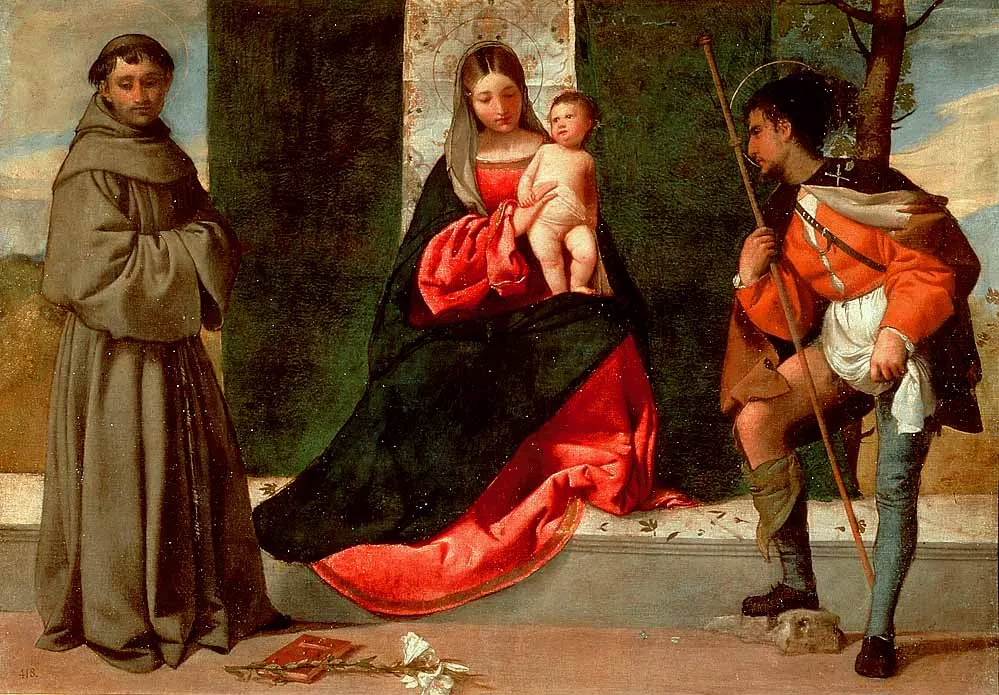
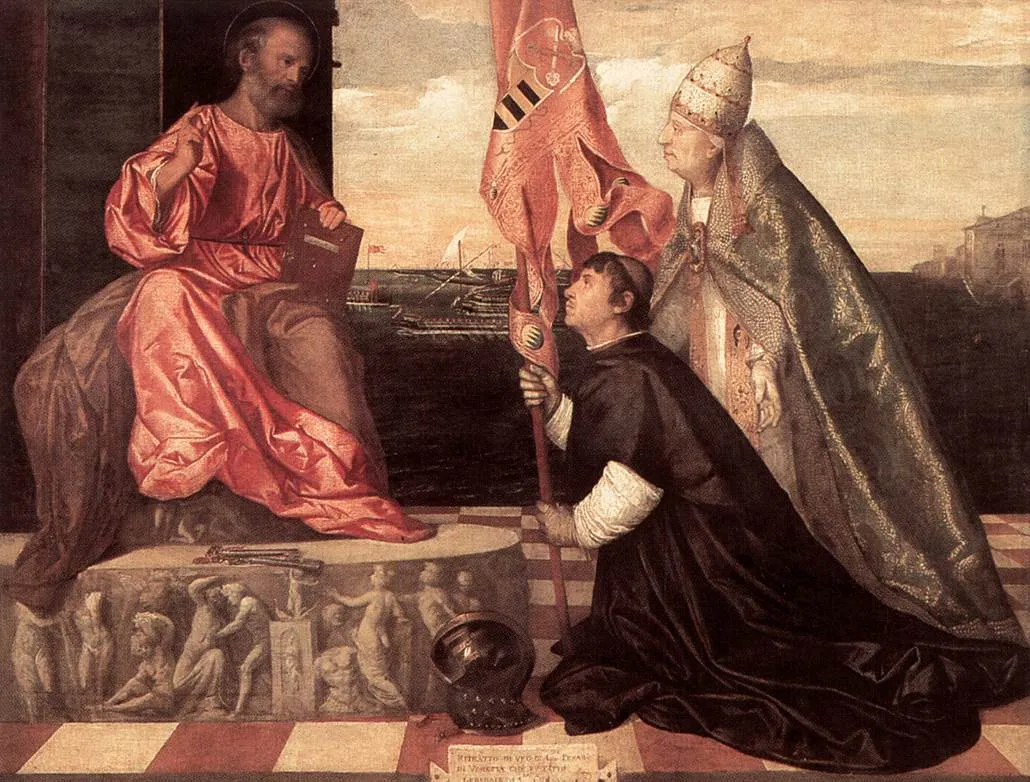
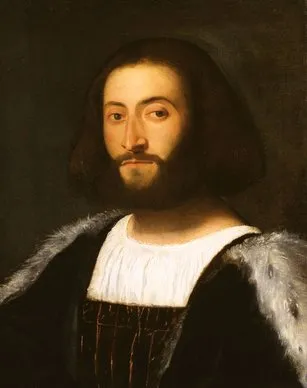
Tiziano Vecelli’s masterful technique is evident in every detail of this oil on canvas. The soft blending of colors and delicate rendering of figures showcase the artist’s exceptional talent, characteristic of the Renaissance period. Collectors of "Portrait of Ariosto" or "Pope Alexander IV Presenting Jacopo Pesaro to St Peter" will appreciate the same level of craftsmanship in this fine art painting for sale, making it a prized possession for any connoisseur.
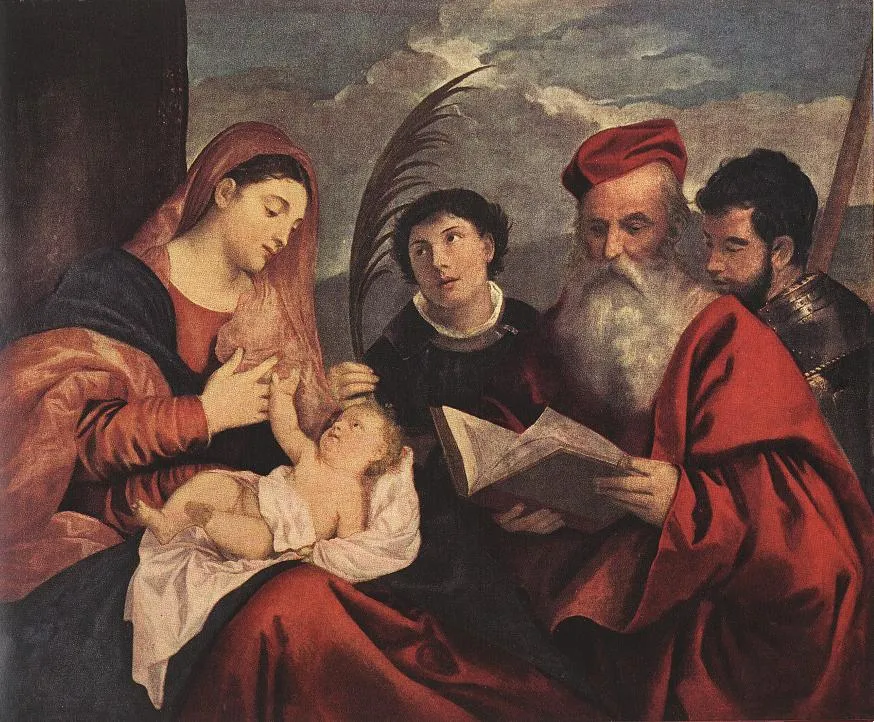
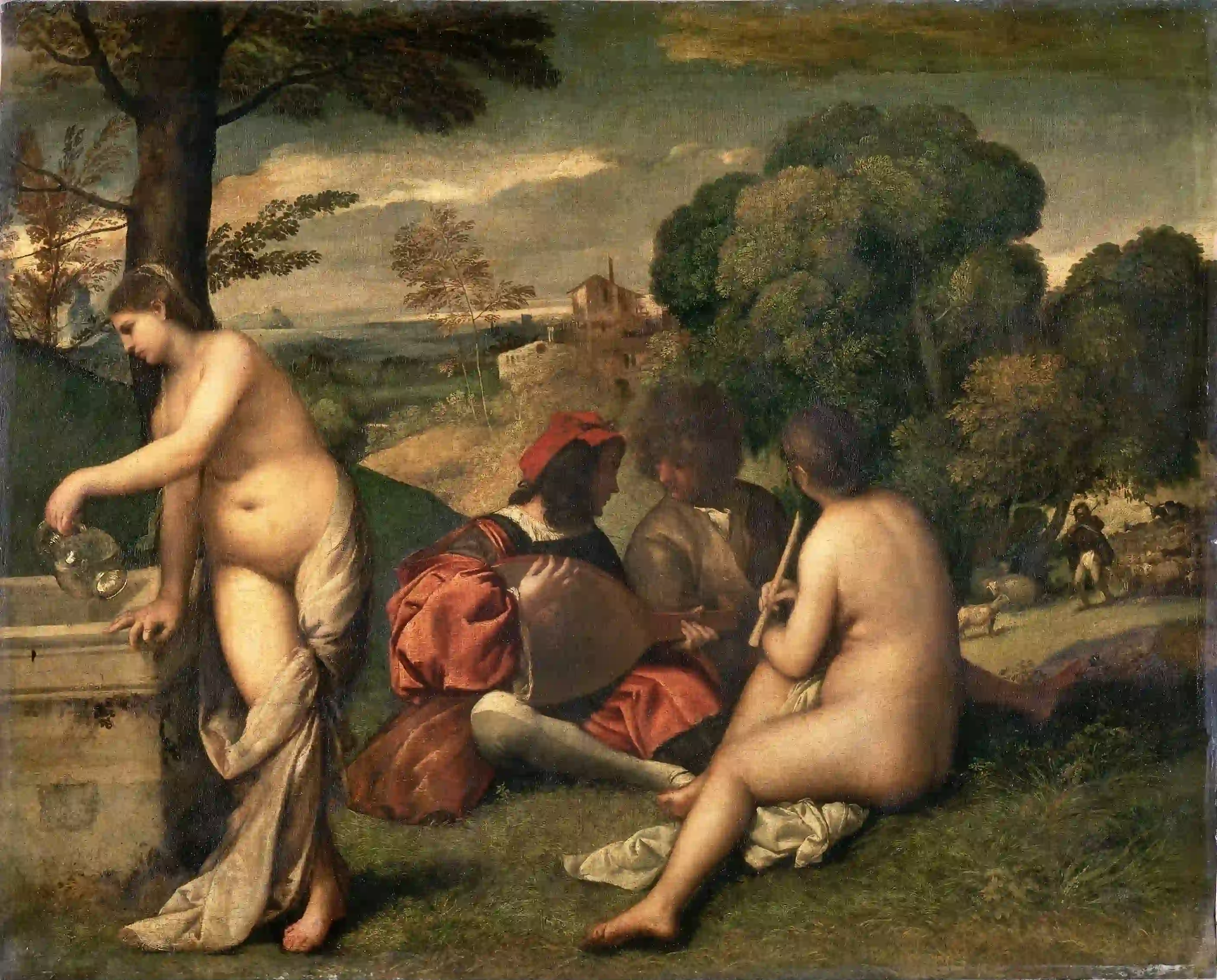
Within this hand-painted oil painting, Tiziano Vecelli weaves a narrative rich with symbolism. The presence of Sts Anthony of Padua and Roch alongside the Madonna and Child reflects themes of protection and healing, central to the Renaissance movement. Similar symbolic storytelling is found in related works like "Saint Mark Enthroned" and "The Concert," inviting viewers to explore deeper meanings within each composition and enhancing the allure of this fine art painting for sale.
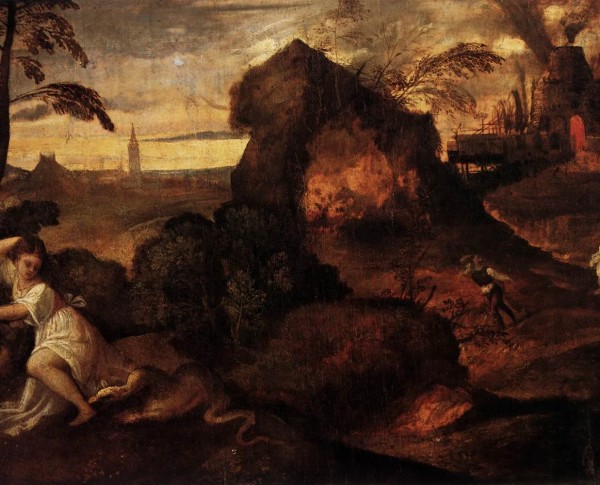
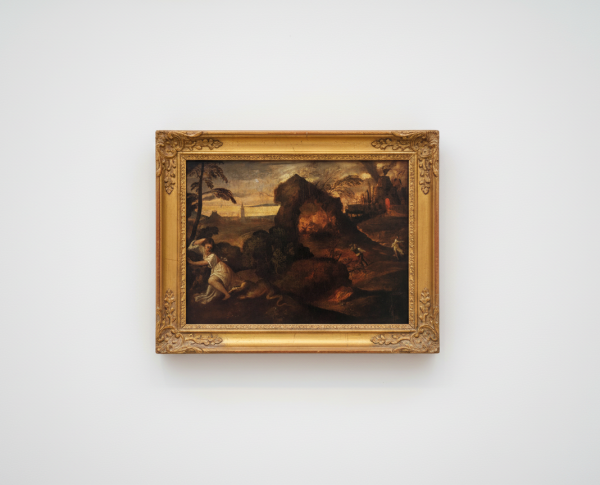
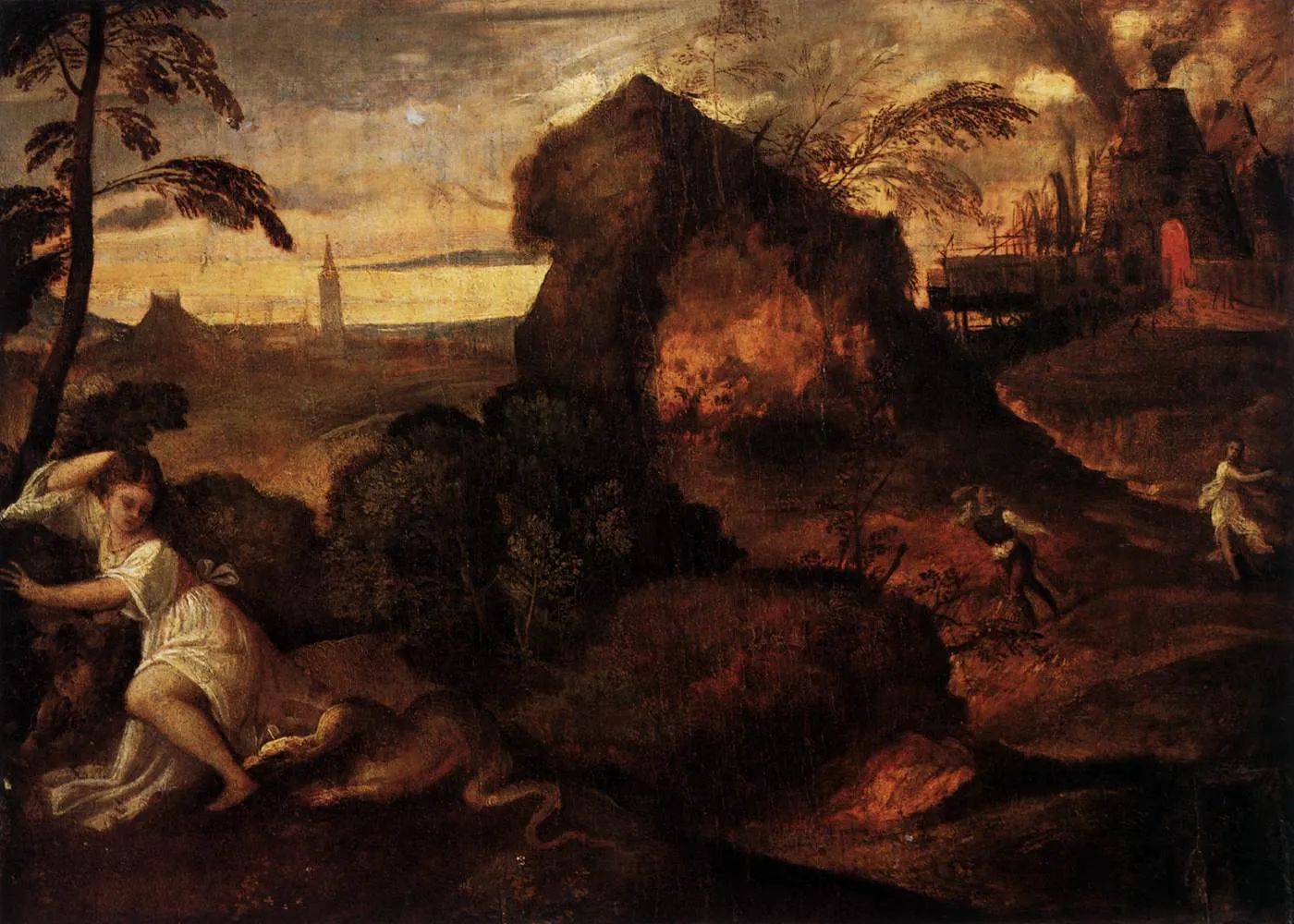
As a fine art painting for sale, "Madonna and Child with Sts Anthony of Padua and Roch" offers collectors an opportunity to own a piece of Renaissance history. Tiziano Vecelli’s oil on canvas not only captivates with its spiritual beauty but also complements collections featuring pieces such as "Mary with the Child and Saints" and "The Legend of Polydorus." This masterpiece stands as a testament to enduring artistry and refined taste.
When Art Meets History
"Madonna and Child with Sts Anthony of Padua and Roch" by Tiziano Vecelli, a master of the Renaissance movement, beautifully captures the spiritual fervor of its era. This hand-painted oil painting not only honors religious devotion but also reflects the profound changes sweeping through 16th-century Europe. Comparable works by Vecelli, such as "Coronation of the Virgin" and "Holy Family with Sts Anthony Abbot, Catherine and the Infant John the Baptist," similarly showcase the artist’s historical significance and enduring legacy.
Techniques That Speak
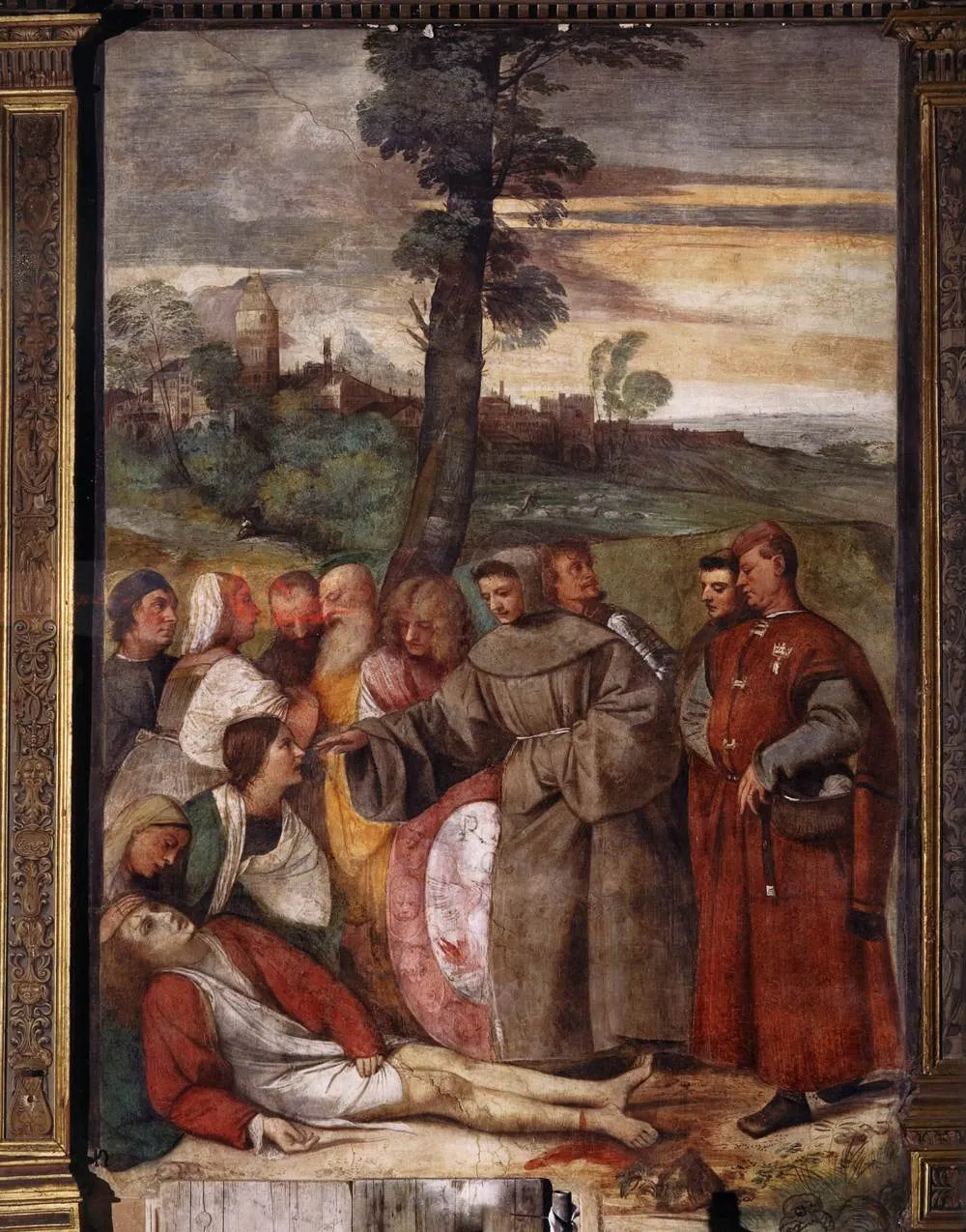
Tiziano Vecelli’s mastery of oil on canvas is evident in "Madonna and Child with Sts Anthony of Padua and Roch." His innovative brushwork and sophisticated use of light and color hallmark the Renaissance movement. Much like in "Allegory of Virtue and Vice" and "Raising of the Daughter of Jairus," Vecelli’s technique brings depth and realism to sacred subjects, setting his work apart as a beacon of artistic achievement in fine art painting for sale.
Emotions on Display
The emotional resonance in "Madonna and Child with Sts Anthony of Padua and Roch" is unmistakable, as Tiziano Vecelli imbues each figure with lifelike expressions and gestures. This hand-painted oil painting draws viewers into an intimate scene of devotion and compassion, a hallmark of the Renaissance. Related works like "Temptation of St. Anthony" reveal Vecelli’s continued exploration of human feeling, making his paintings deeply moving and universally admired.
Coveted by Collectors
Collectors and art enthusiasts worldwide highly prize "Madonna and Child with Sts Anthony of Padua and Roch" for its exceptional quality as an oil on canvas masterpiece. Tiziano Vecelli’s works, including "Coronation of the Virgin" and "Allegory of Virtue and Vice," have long been sought after as fine art painting for sale. The Renaissance movement’s influence ensures that these paintings remain valuable centerpieces in prestigious collections and museums.
Related Renaissance Hand-Painted Oil Paintings by Other Artists
Other Famous Renaissance Artists:
Frequently Asked Questions About Madonna and Child with Sts Anthony of Padua and Roch
What is the historical context of "Madonna and Child with Sts Anthony of Padua and Roch"?
This painting was created during the Italian Renaissance, a period characterized by a renewed interest in classical antiquity and humanism. Tiziano Vecelli, known as Titian, was a prominent figure in this movement, and his work reflects the artistic innovations of the time.
Who are the figures depicted in the painting?
The painting features the Virgin Mary holding the Christ Child, accompanied by Saints Anthony of Padua and Roch. Each saint has specific attributes that signify their roles in Christian tradition, with St. Anthony often depicted with the Infant Jesus and St. Roch recognized for his association with plague relief.
What artistic techniques did Titian use in this painting?
Titian employed a technique known as "painterly" style, characterized by loose brushwork and rich color palettes. This approach enhances the emotional depth of the figures and creates a sense of movement and life within the composition.
What is the significance of the Madonna and Child in Christian art?
The Madonna and Child symbolize the divine motherhood of Mary and the incarnation of Christ. This theme is central to Christian theology, representing love, compassion, and the promise of salvation.
How does the composition of the painting contribute to its meaning?
The composition is carefully arranged to draw the viewer's eye towards the central figures of the Madonna and Child, emphasizing their importance. The placement of the saints on either side creates a sense of balance and harmony, reinforcing the theme of intercession in Christian belief.
What symbolism can be found in the attributes of St. Anthony and St. Roch?
St. Anthony is often depicted with a lily and the Christ Child, symbolizing purity and the divine connection. St. Roch is frequently shown with a dog and a plague sore, representing his role as a protector against disease and his compassion for the suffering.
How does this painting reflect Titian's artistic evolution?
This work showcases Titian's mastery of color and form, illustrating his evolution from the more rigid compositions of earlier Renaissance artists to a more dynamic and expressive style. It highlights his ability to convey emotion and depth through his use of light and shadow.
What influence did "Madonna and Child with Sts Anthony of Padua and Roch" have on later artists?
The painting has influenced numerous artists in the Baroque period and beyond, particularly in its emotional expressiveness and use of color. Titian's approach to religious subjects set a precedent for future depictions of similar themes in Western art.
What is the significance of the setting in the painting?
The setting, often depicted with a serene and heavenly background, enhances the spiritual atmosphere of the work. It serves to elevate the figures of the Madonna and Child, suggesting their divine nature and the sanctity of the scene.
How does this painting exemplify the themes of the Renaissance?
This painting exemplifies Renaissance themes such as the celebration of human emotion, the importance of individual figures, and the integration of classical elements with Christian iconography, reflecting the period's complex relationship between faith and humanism.























_GFM_Painting_(1).webp)


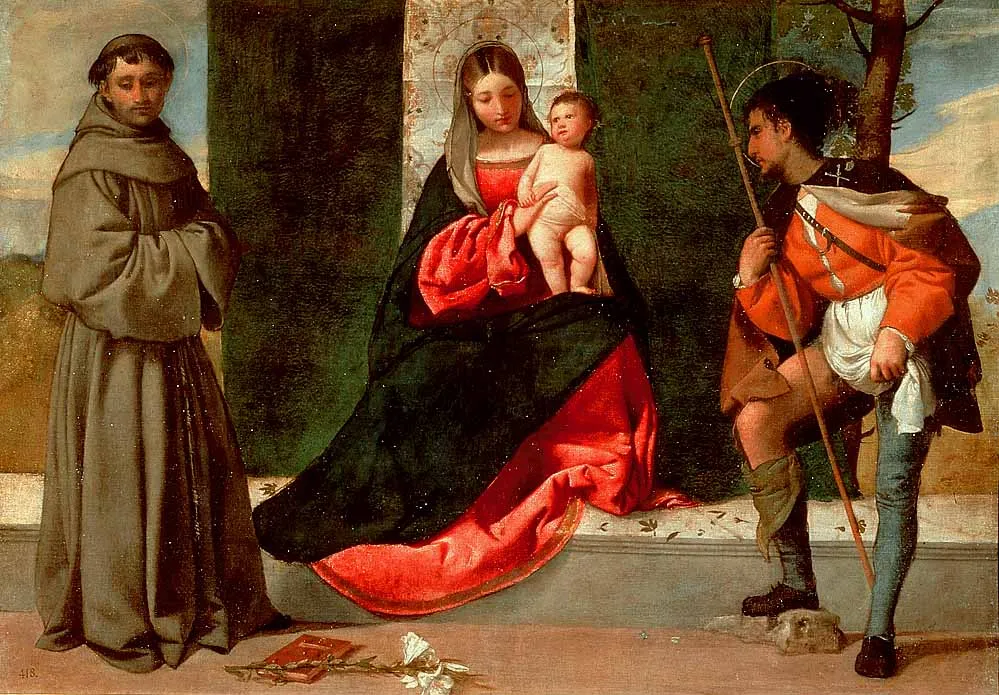
 100% Hand-Painted: Finished in 3-6 Weeks

.png)















_(1).webp)