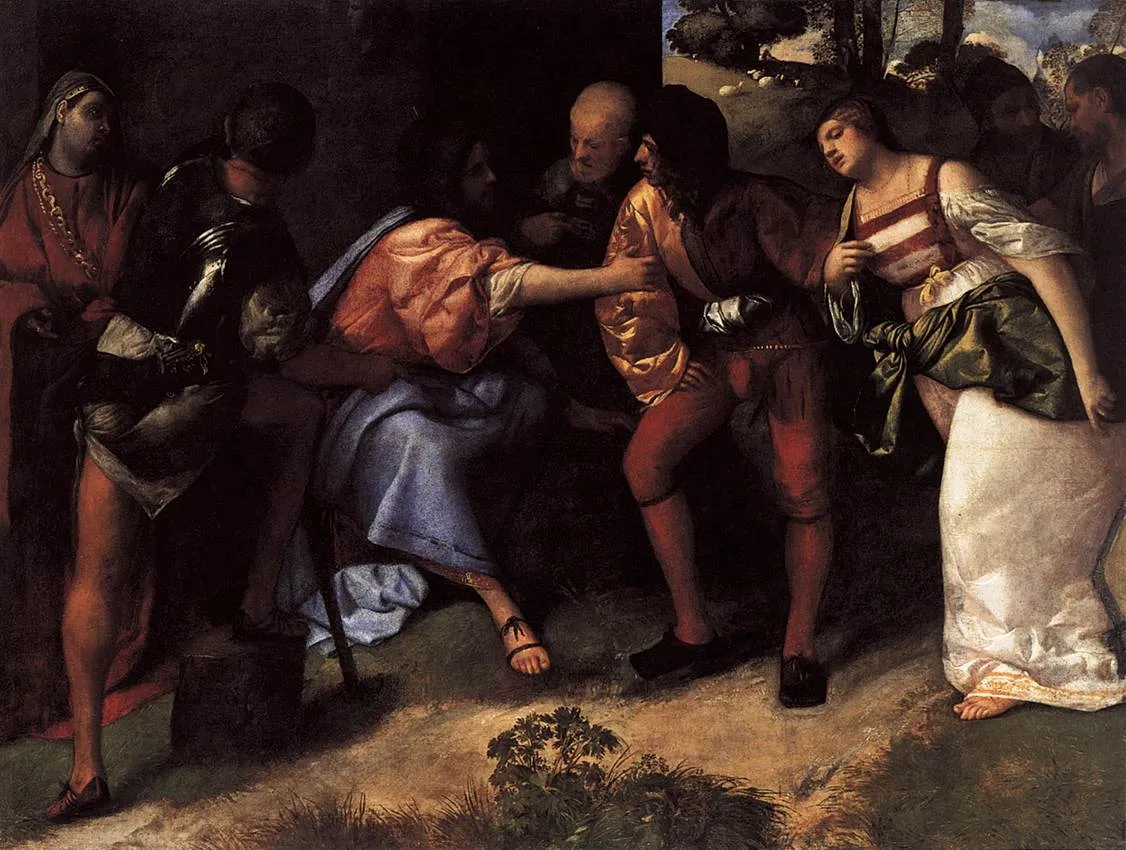
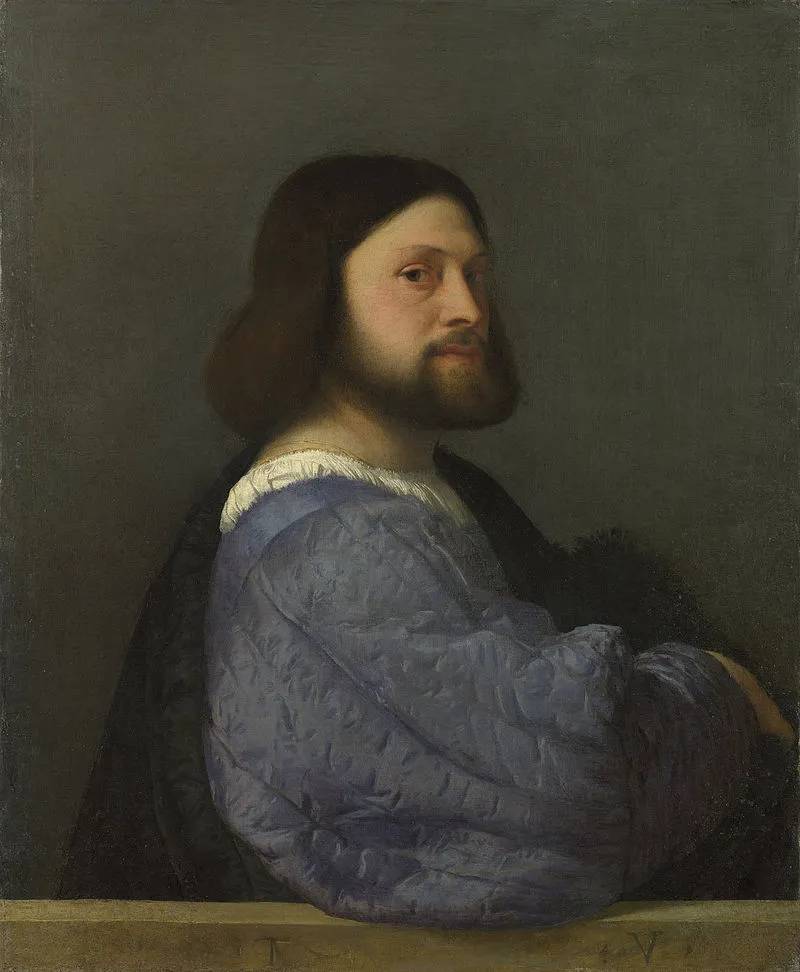
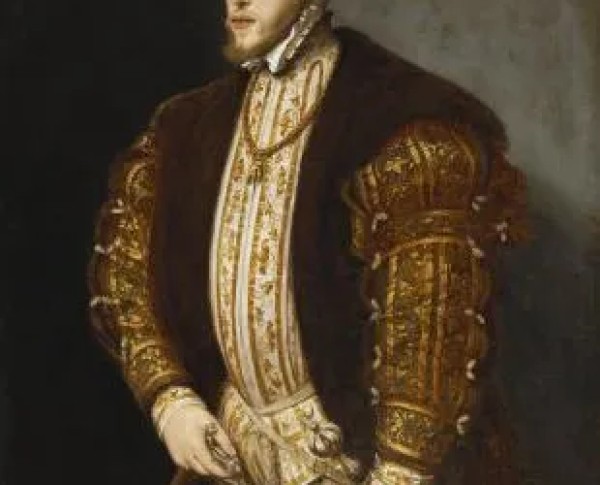
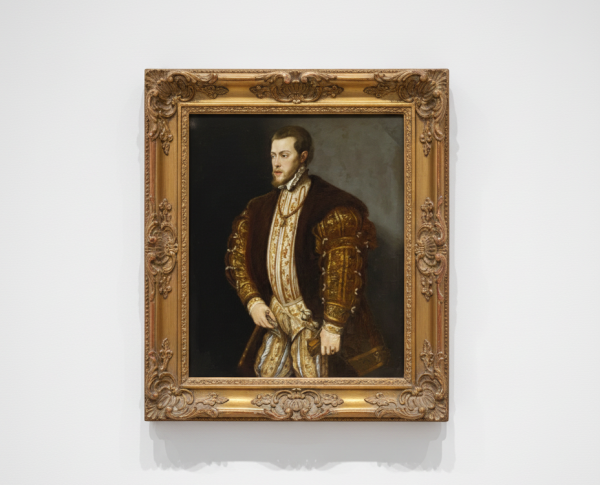
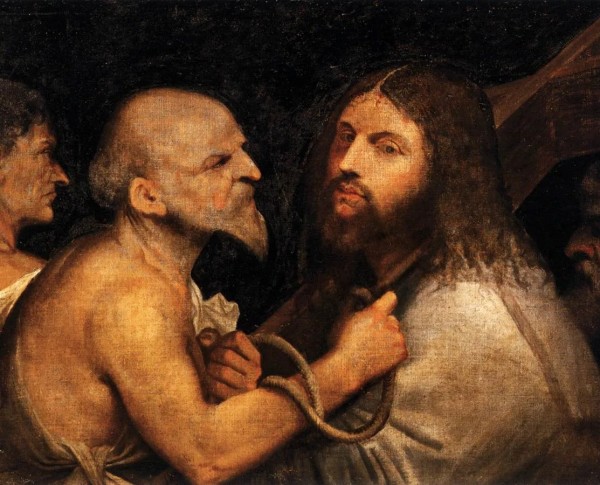
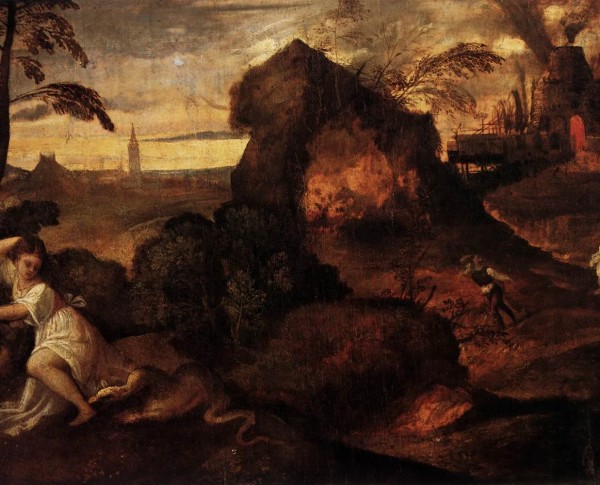
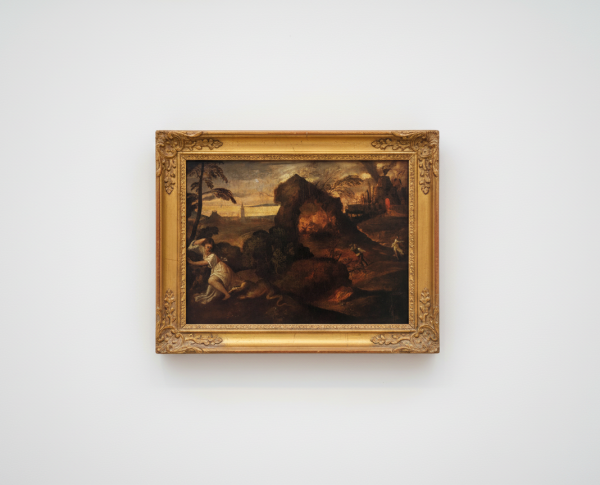
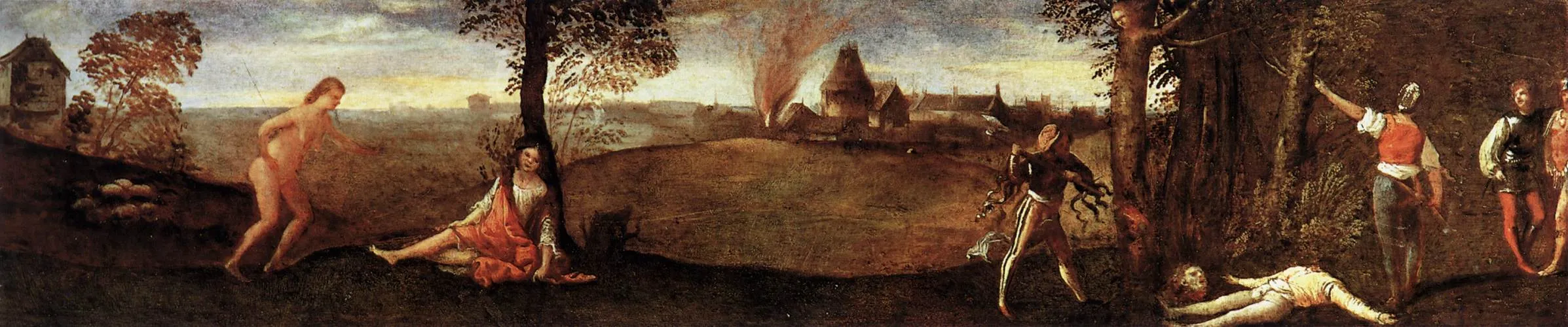
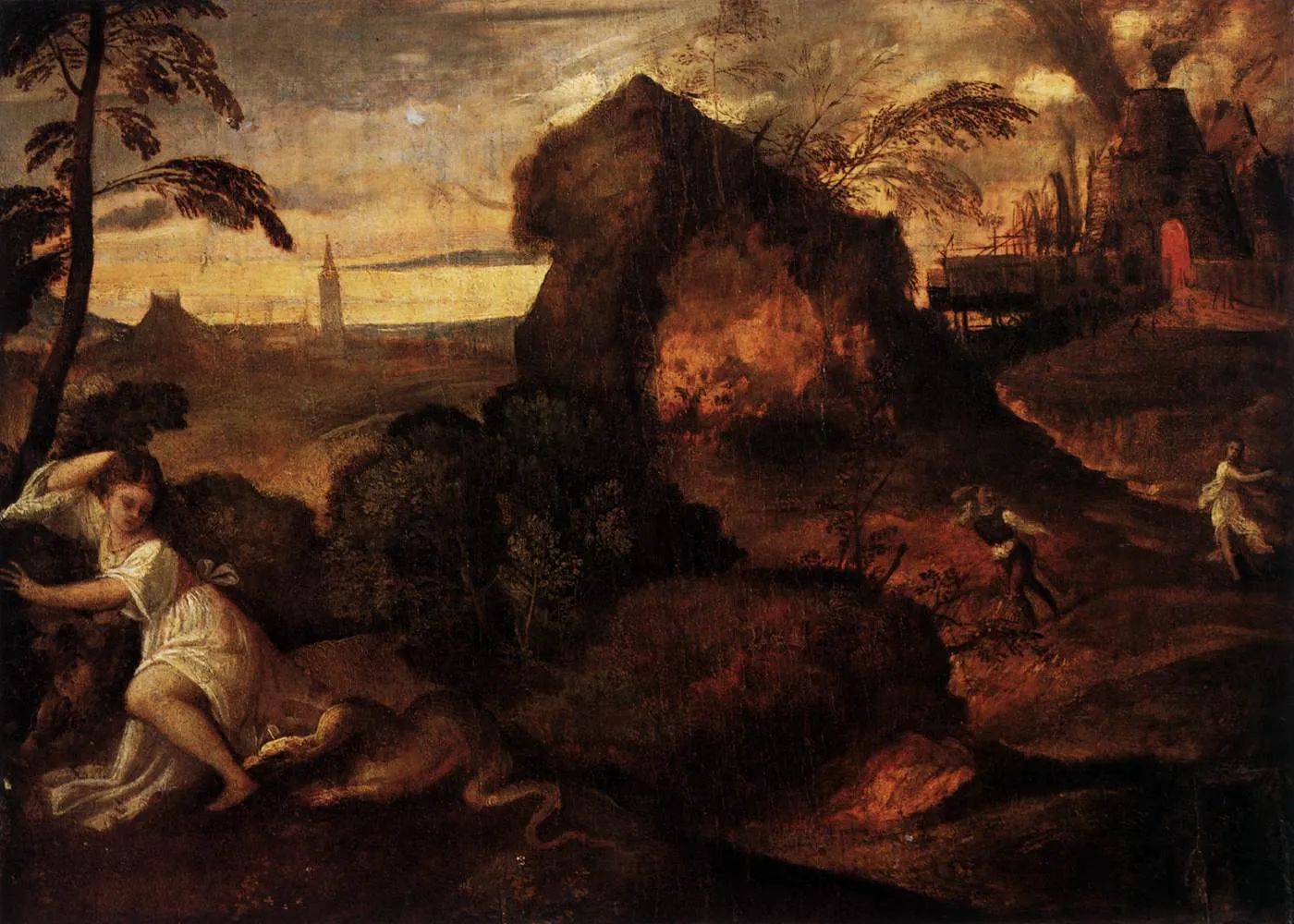
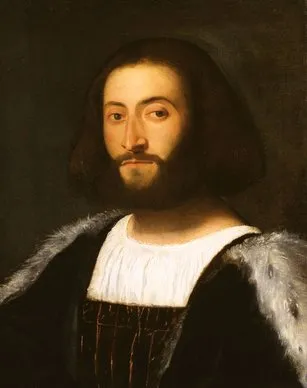
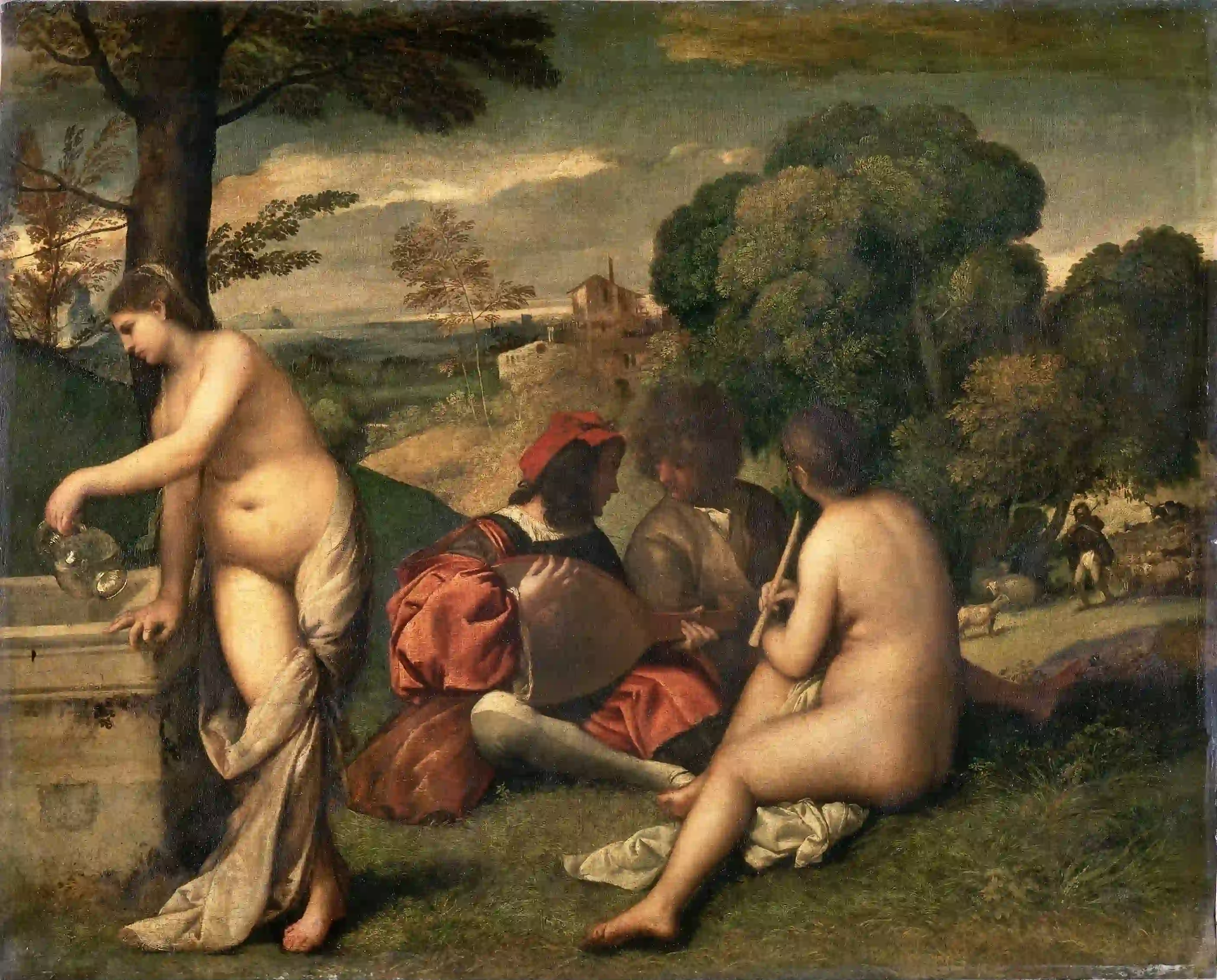
Tiziano Vecelli’s expertise is evident in every detail of "The Legend of Polydorus." The oil on canvas technique enables rich textures and vibrant colors, hallmarks of the Renaissance style. Vecelli’s ability to convey drama and depth elevates this painting among his contemporaries. Art lovers may also find inspiration in related masterpieces such as "Portrait of Ariosto" and "Concert Champetre," both exemplifying the exquisite skill present in oil on canvas works of this period.
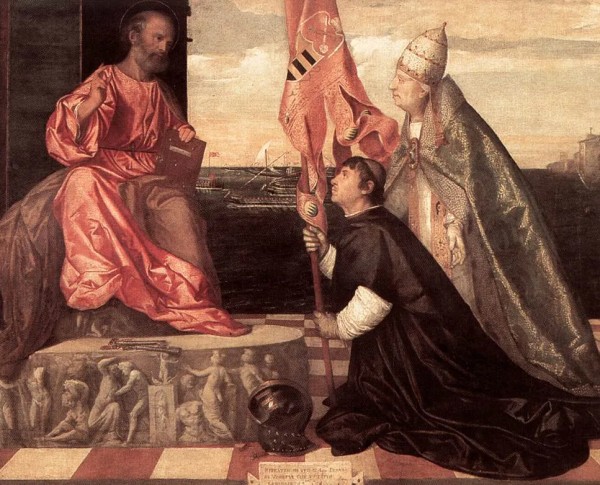
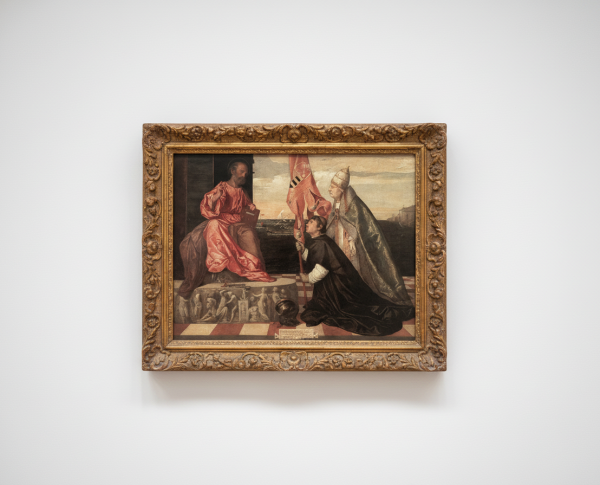
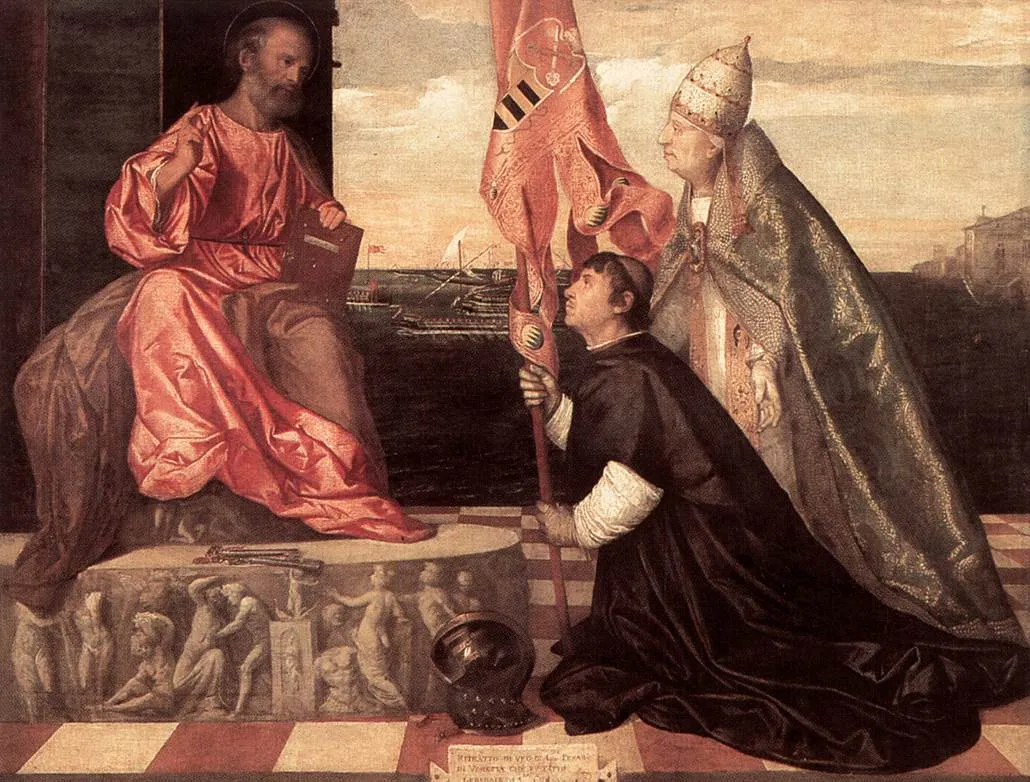
Every inch of "The Legend of Polydorus" is steeped in myth and meaning, making it a standout fine art painting for sale. Tiziano Vecelli weaves the tragic tale of Polydorus with symbolic elements characteristic of Renaissance storytelling. The composition invites viewers to uncover hidden narratives, much like his celebrated works "The Birth of Adonis" and "Pope Alexander IV Presenting Jacopo Pesaro to St Peter," which similarly blend legend and symbolism in fine art painting for sale.
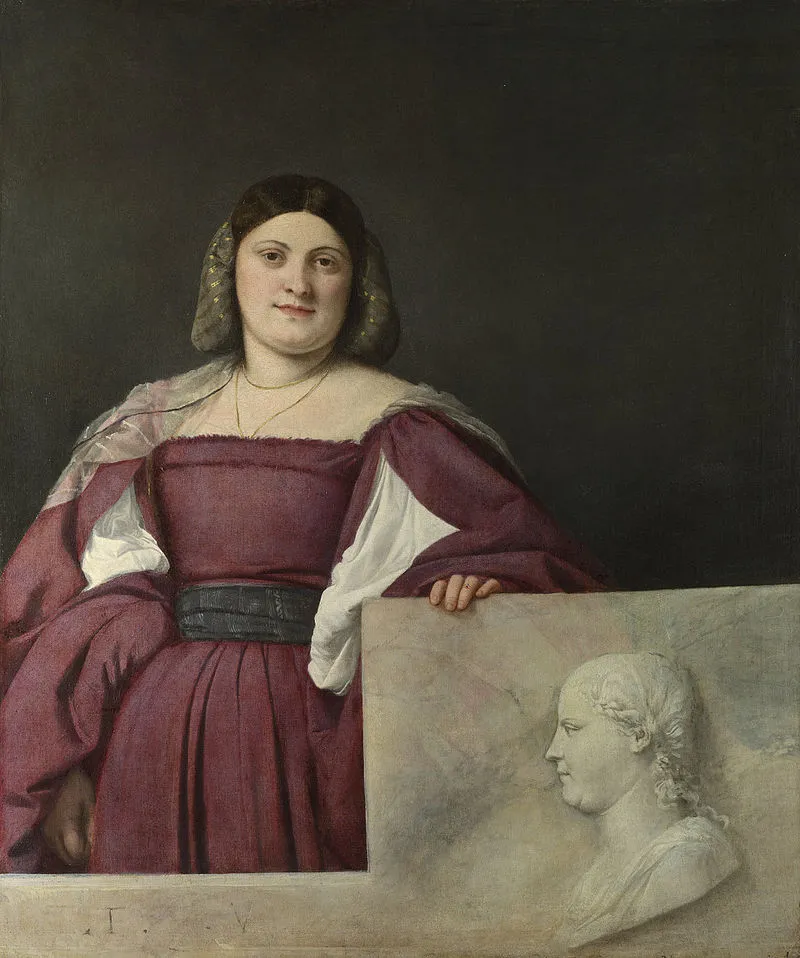
For collectors, "The Legend of Polydorus" represents a unique addition to any Renaissance collection—a hand-painted oil painting that embodies Tiziano Vecelli’s genius. Its provenance and artistry make it highly sought-after among connoisseurs. Those interested in expanding their collection can explore related treasures like "Portrait of a Man," "Concert Champetre," and "The Holy Family with a Shepherd," each a remarkable fine art painting for sale from the same illustrious era.
When Art Meets History
Tiziano Vecelli, a master of the Renaissance, crafted "The Legend of Polydorus" as a hand-painted oil painting that beautifully bridges myth and reality. This work, like his "The Feast in the House of Levi" and "The Wedding at Cana," captures the tension and drama of ancient tales. The Renaissance movement embraced storytelling through art, and Vecelli's interpretation of Polydorus reflects the era's fascination with classical legends, blending historical narrative with artistic innovation.
Techniques That Speak
Employing oil on canvas, Tiziano Vecelli demonstrates his signature mastery in "The Legend of Polydorus." His brushwork, reminiscent of "Coronation of the Virgin" and "Lucretia," showcases dynamic composition and lifelike textures. The Renaissance movement’s emphasis on realism and perspective is evident in every stroke, bringing depth to the scene. This oil on canvas technique allows for vibrant color transitions and intricate detail, hallmarks of Vecelli’s celebrated artistry throughout his prolific career.
Emotions on Display
"The Legend of Polydorus" is a fine art painting for sale that channels profound emotion, a hallmark of Tiziano Vecelli’s Renaissance masterpieces. The expressions and gestures of the figures echo the intensity found in works like "Portrait of woman with a child and a dog." Through subtle contrasts and dramatic lighting, Vecelli conveys sorrow, betrayal, and hope, inviting viewers to connect with the timeless human experience depicted in this evocative scene.
Coveted by Collectors
Collectors worldwide prize "The Legend of Polydorus" as a hand-painted oil painting from the storied Renaissance movement. Tiziano Vecelli’s works, including related paintings like "The Feast in the House of Levi," are highly sought after for their historical significance and artistic brilliance. Owning such a masterpiece is not only a testament to refined taste but also an investment in cultural heritage, making this painting a coveted treasure in any collection.
Related Renaissance Hand-Painted Oil Paintings by Other Artists
Other Famous Renaissance Artists:
Frequently Asked Questions About The Legend of Polydorus
What historical event does "The Legend of Polydorus" depict?
"The Legend of Polydorus" illustrates the mythological tale of Polydorus, the son of Priam, who was abandoned and ultimately killed by the Thracians during the Trojan War. This narrative highlights themes of betrayal and the tragic fate of heroes in Greek mythology.
Who was the artist behind "The Legend of Polydorus"?
The painting was created by Tiziano Vecelli, commonly known as Titian, a prominent Italian Renaissance painter renowned for his use of color and dynamic compositions.
What artistic techniques did Titian employ in this painting?
Titian is celebrated for his masterful use of color and light. In "The Legend of Polydorus," he employs chiaroscuro to create depth and drama, as well as a rich palette that enhances the emotional intensity of the scene.
What are the symbolic elements present in the painting?
The painting features several symbolic elements, including the depiction of Polydorus himself, who represents innocence and the tragic consequences of war. The surrounding figures and the use of nature symbolize the chaos and turmoil of human conflict.
How does "The Legend of Polydorus" reflect the values of the Renaissance period?
This work reflects Renaissance values through its emphasis on human emotion, classical themes, and the exploration of individual narratives. Titian's focus on the human experience aligns with the period's interest in humanism and the complexities of life.
What influences can be seen in Titian's style in this painting?
Titian's style in "The Legend of Polydorus" exhibits influences from Venetian painting traditions, characterized by vibrant colors and a focus on the interplay of light and shadow. His work also shows the impact of earlier masters like Giorgione and Raphael.
What is the significance of the figures depicted in the painting?
The figures in "The Legend of Polydorus" serve to convey the emotional weight of the narrative. Each character's expression and posture contribute to the overall theme of loss and the tragic consequences of war, enhancing the viewer's connection to the story.
How does the composition of the painting contribute to its narrative?
The composition of "The Legend of Polydorus" is dynamic, guiding the viewer's eye through the scene and emphasizing the central figure of Polydorus. The arrangement of figures creates a sense of movement and tension, reflecting the chaos of the story being told.
In what ways does this painting address themes of fate and destiny?
The painting addresses themes of fate and destiny through the tragic outcome of Polydorus, illustrating how the characters are often at the mercy of larger forces beyond their control. This aligns with the broader narrative of the Trojan War, where fate plays a crucial role.
What impact has "The Legend of Polydorus" had on subsequent art and culture?
"The Legend of Polydorus" has influenced subsequent generations of artists by demonstrating the power of narrative in painting. Its emotional depth and technical mastery have inspired countless works that explore similar themes of tragedy and human experience in art and literature.























_GFM_Painting_(1).webp)


 100% Hand-Painted: Finished in 3-6 Weeks

.png)















_(1).webp)