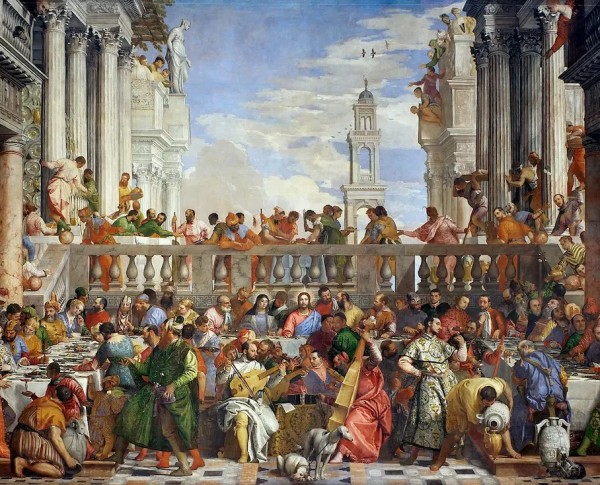
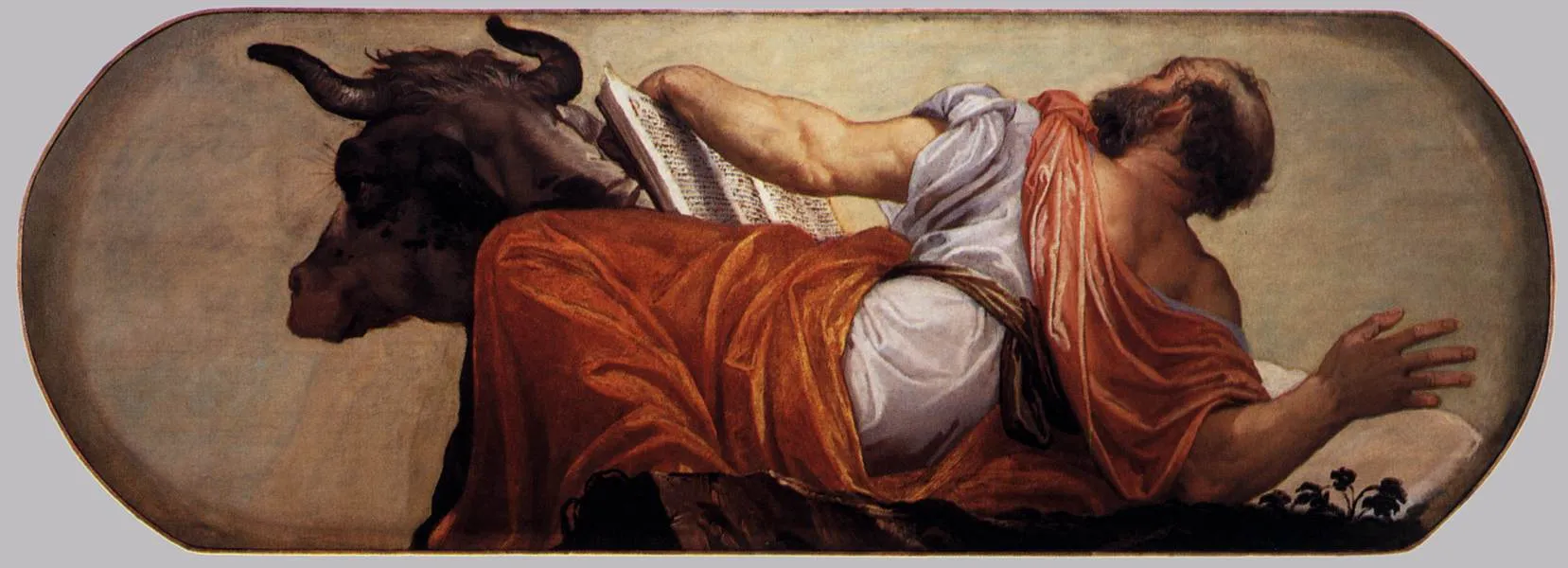
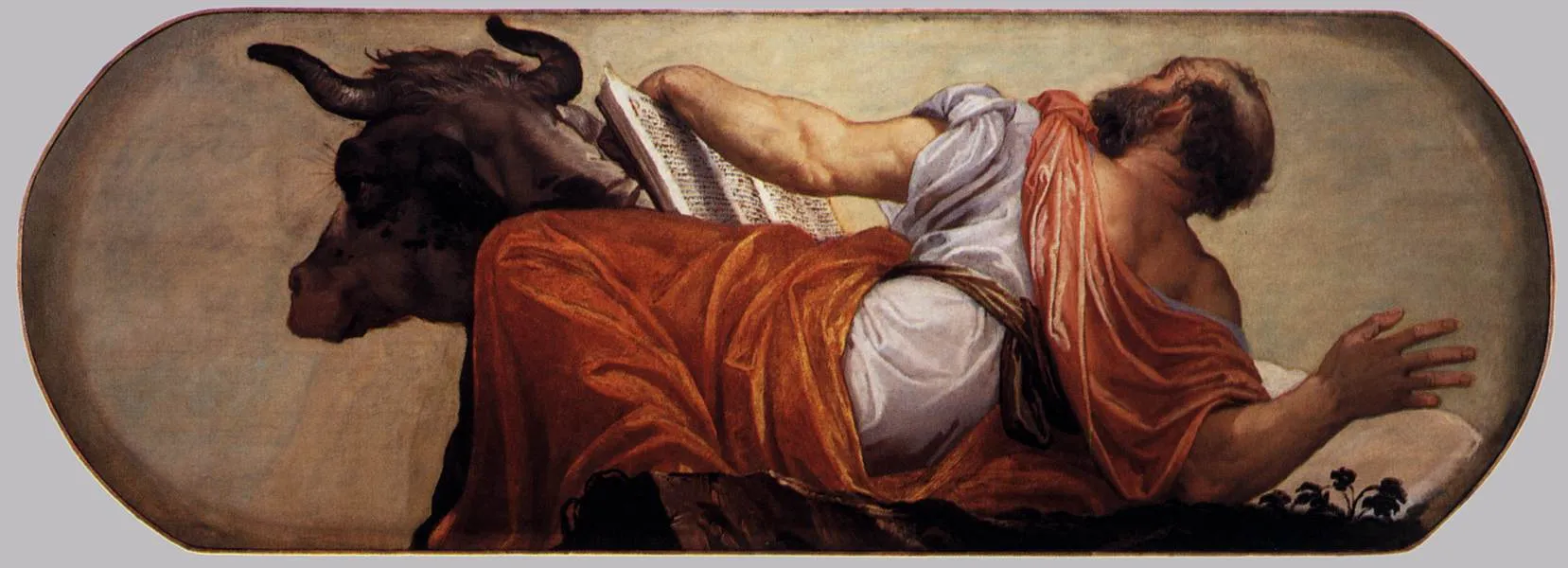
Paolo Veronese’s "St Luke" showcases the artist’s exceptional skill with oil on canvas, a medium prized during the Renaissance for its vibrant colors and subtle shading. Each brushstroke demonstrates Veronese’s attention to detail, bringing the saint’s features and garments to life. The painting stands alongside other masterworks such as "Iseppo and Adriano da Porto" and "Minerva between the Geometry and Arithmetic," highlighting the technical brilliance that defines Veronese’s contribution to fine art.
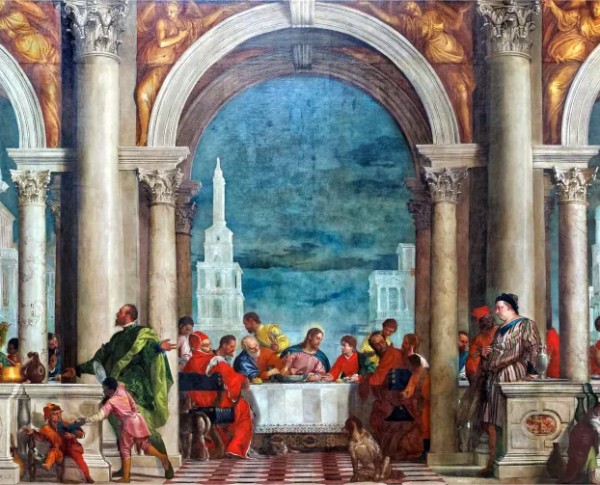
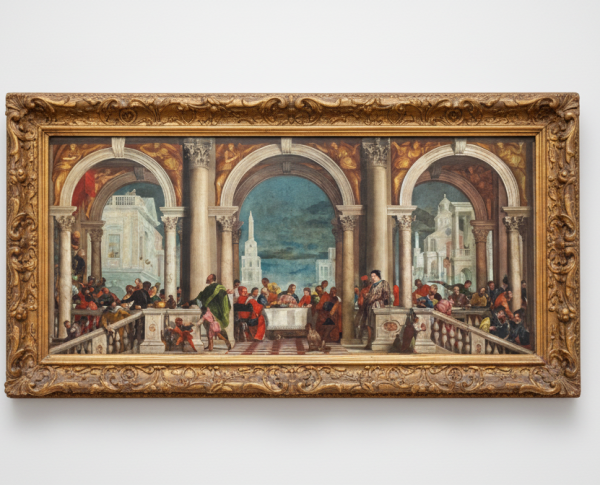
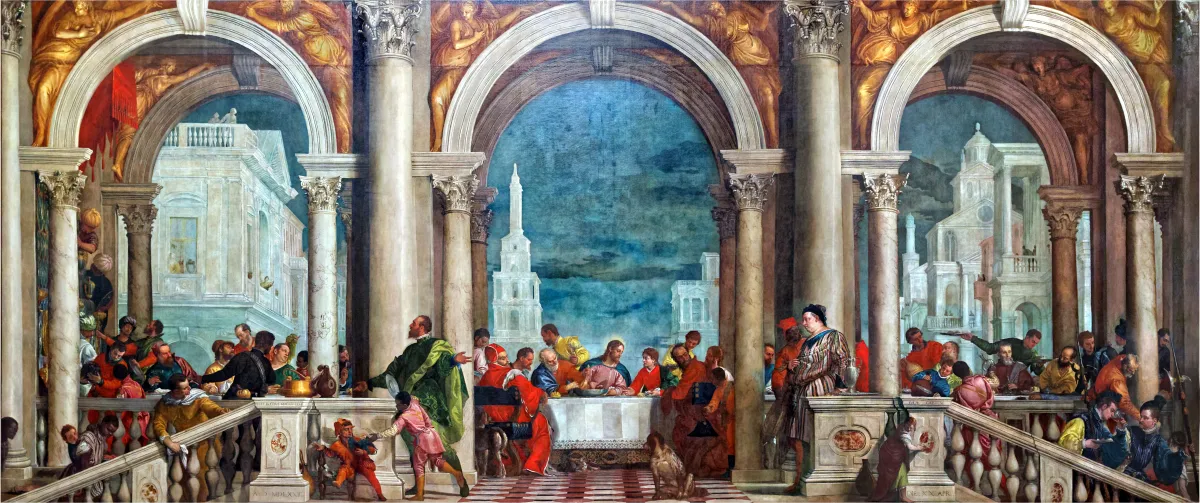
Within "St Luke," Veronese weaves narrative and symbolism, hallmarks of Renaissance storytelling in art. The saint’s contemplative pose and traditional attributes invite viewers to explore deeper meanings rooted in faith and history. As with "Conversion of Mary Magdalene" and "The Feast in the House of Levi," this fine art painting for sale offers both visual beauty and intellectual engagement, making it a prized addition to any collection of religious or historical artworks.
Owning "St Luke" by Paolo Veronese means possessing a piece of Renaissance heritage, lovingly preserved through centuries. This hand-painted oil painting is more than just decor—it is a statement of appreciation for timeless artistry. Collectors seeking distinguished works will find value in pairing it with related products like "St John the Evangelist" or "The Feast in the House of Levi," enriching their galleries with the finest examples of Renaissance creativity and expression.
When Art Meets History
"St Luke" by Paolo Veronese stands as a testament to the grandeur of the Renaissance movement. This hand-painted oil painting captures the intellectual spirit and religious fervor of its era, much like Veronese’s other masterpieces such as "Christ Carrying the Cross" and "Portrait of a Man." As a celebrated artist of the period, Veronese's works were deeply influenced by the cultural and historical currents of 16th-century Italy, making each canvas a unique historical document.
Techniques That Speak
Paolo Veronese’s "St Luke" showcases his exceptional mastery of oil on canvas, a technique that defines Renaissance artistry. His use of vibrant color palettes and delicate brushwork brings depth and realism to the saint’s visage, echoing the technical prowess seen in "Concert Champetre" and "Mary with the Child and Saints." The meticulous layering and blending of oils allow Veronese to create a luminous effect, highlighting his innovative approach within the Renaissance movement.
Emotions on Display
The emotional resonance of "St Luke" is palpable, as Paolo Veronese skillfully conveys the saint’s contemplative nature and spiritual devotion. This fine art painting for sale invites viewers to connect with the subject’s gentle resolve, echoing the emotive power found in "Pope Alexander IV Presenting Jacopo Pesaro to St Peter." Veronese’s ability to capture subtle expressions and nuanced gestures has made his Renaissance works enduringly captivating for art lovers and collectors alike.
Coveted by Collectors
"St Luke" by Paolo Veronese remains highly sought after, cherished alongside celebrated Renaissance pieces like "Portrait of a Man" and "Mary with the Child and Saints." Collectors value this hand-painted oil painting for its historical significance and exquisite artistry. As a fine art painting for sale, it represents not only Veronese’s remarkable legacy but also the enduring appeal of Renaissance masterpieces, which continue to inspire admiration and investment from art connoisseurs worldwide.
Related Renaissance Hand-Painted Oil Paintings by Other Artists
Other Famous Renaissance Artists:
Frequently Asked Questions About St Luke
Who is the artist of "St Luke"?
The painting "St Luke" was created by the renowned Venetian artist Paolo Veronese, known for his vibrant colors and grand compositions.
What is the historical context of "St Luke"?
What are the main themes depicted in "St Luke"?
The painting explores themes of faith, divine inspiration, and the role of the Evangelist, with St Luke being portrayed as a symbol of knowledge and enlightenment.
What artistic techniques did Veronese use in "St Luke"?
Veronese employed techniques such as chiaroscuro to create depth, as well as a rich color palette that enhances the emotional impact of the scene.
What is the significance of St Luke in Christian iconography?
St Luke is traditionally regarded as the patron saint of artists and physicians, symbolizing the intersection of art and healing in Christian thought.
How does "St Luke" reflect the characteristics of Veronese's style?
The painting exemplifies Veronese's signature style through its dramatic composition, elaborate use of color, and intricate detailing, typical of his religious works.
What elements in "St Luke" convey its religious significance?
Elements such as the open book, the quill, and the presence of divine light emphasize St Luke's role as a writer of the Gospel and a conduit of divine wisdom.
What is the composition of "St Luke" like?
The composition is dynamic, often featuring a triangular arrangement that draws the viewer's eye towards St Luke, enhancing the sense of movement and focus on the subject.
Where can "St Luke" be viewed today?
"St Luke" is housed in a prominent art collection, allowing visitors to appreciate Veronese's masterful execution and the historical context of the work.
What impact did "St Luke" have on later artists?
The painting influenced subsequent generations of artists by demonstrating the power of color and composition in conveying complex religious narratives, inspiring both admiration and emulation.























_GFM_Painting_(1).webp)


 100% Hand-Painted: Finished in 3-6 Weeks

.png)
















_(1).webp)