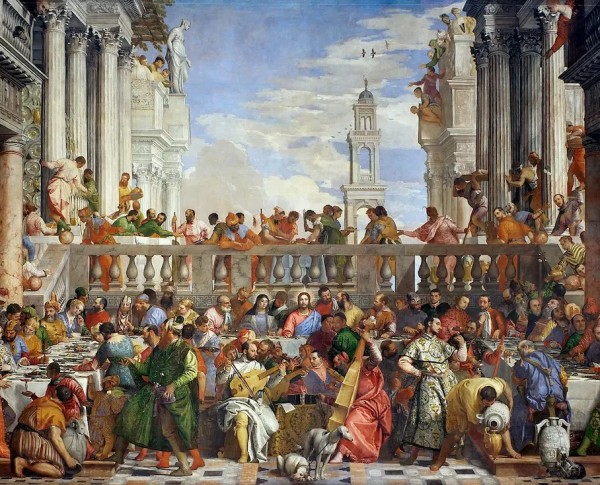
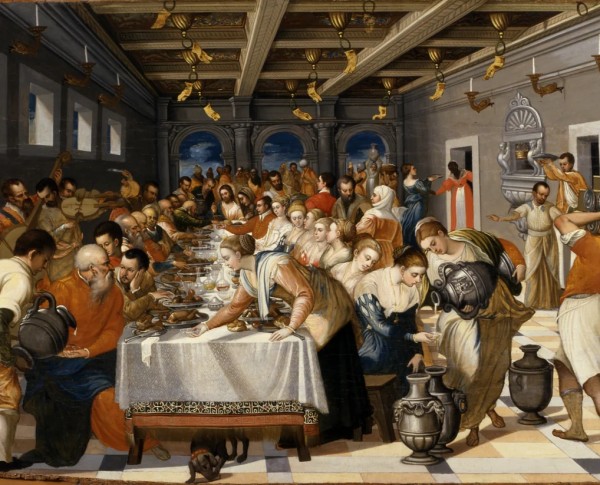
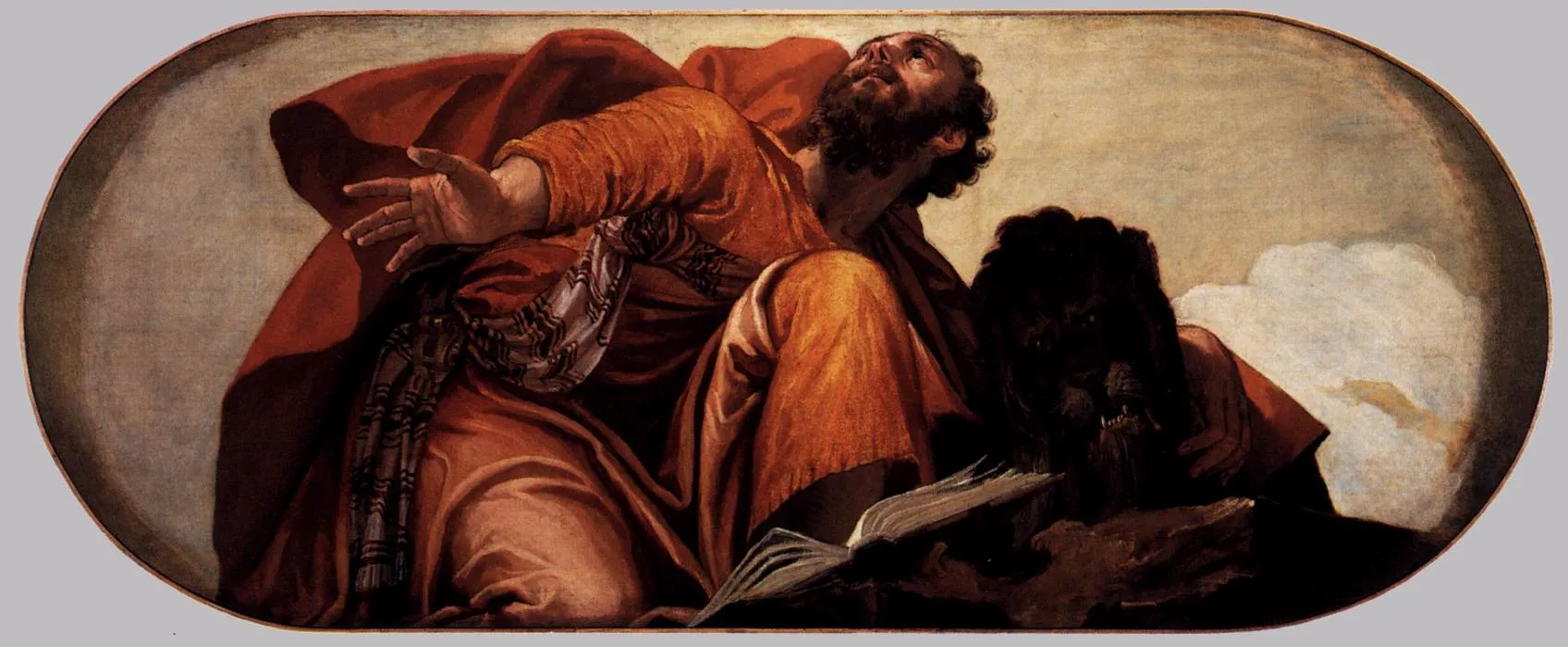
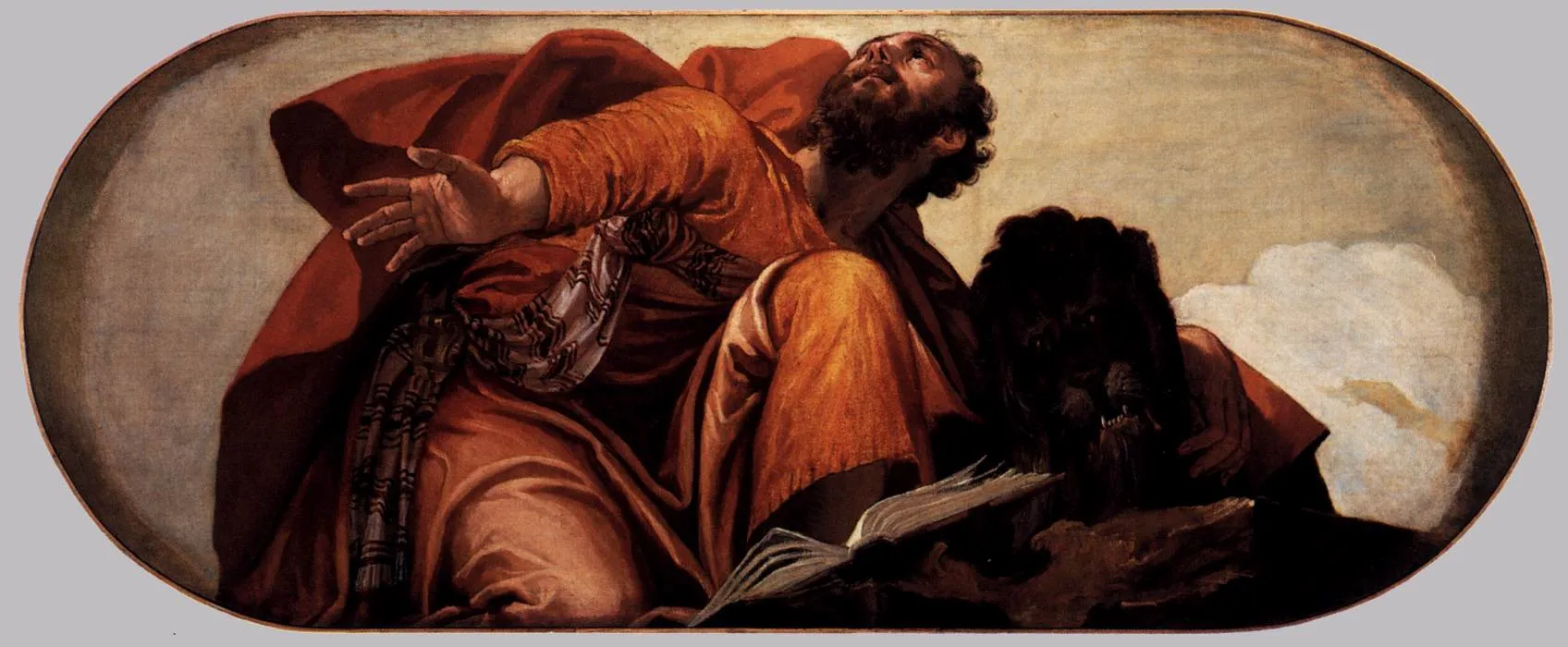
Veronese’s "St Mark" demonstrates his exceptional technique with oil on canvas, a hallmark of his artistic process. Every brushstroke reveals his keen attention to detail, from the rich textures of St Mark’s robes to the luminous play of light. This painting shares its refined elegance with works like "Portrait of a Young Man Wearing Lynx Fur" and "Deposition of Christ," underscoring the technical prowess that made Veronese a leading figure of the Renaissance movement.
In "St Mark," Veronese weaves a visual narrative filled with symbolic depth, characteristic of Renaissance fine art painting for sale. The saint’s dignified posture and expressive features invite viewers to explore themes of faith and wisdom. Similar narrative richness can be found in related products like "Minerva between the Geometry and Arithmetic" and "Portrait of woman with a child and a dog," where symbolism and storytelling merge seamlessly with artistic excellence.
Owning a piece like Paolo Veronese’s "St Mark" means acquiring more than just an oil on canvas; it is an investment in art history and culture. This fine art painting for sale appeals to collectors seeking the prestige of Renaissance masterpieces. Alongside related works such as "Deposition of Christ" and "Coronation of the Virgin," "St Mark" offers a unique opportunity to cherish Veronese’s artistry within a distinguished collection.
When Art Meets History
"St Mark" by Paolo Veronese stands as a testament to the grandeur of the Renaissance movement. This hand-painted oil painting captures the spirit of its era, blending religious reverence with artistic innovation. Veronese, celebrated for masterpieces like "Pope Alexander IV Presenting Jacopo Pesaro to St Peter" and "Portrait of Ariosto," brings both history and legend to life. The painting's historical depth places it among the most significant works from the Renaissance, admired by art lovers and historians alike.
Techniques That Speak
Veronese’s mastery of oil on canvas is evident in every brushstroke of "St Mark." His use of vibrant colors and dynamic composition sets his work apart within the Renaissance movement. The artist’s innovative techniques, also seen in "Philip II of Spain" and "Christ and the Adulteress," showcase his command over light and shadow. These methods not only highlight the subject’s dignity but also reveal Veronese’s commitment to elevating the fine art painting for sale to new heights.
Emotions on Display
The emotional intensity in "St Mark" is palpable, a hallmark of Veronese’s finest creations. Through subtle gestures and expressive faces, the artist imbues his hand-painted oil painting with profound feeling. Like his "Portrait of a Woman," Veronese’s work invites viewers to connect deeply with the subject. This emotional resonance, combined with the painting’s Renaissance roots, ensures "St Mark" remains a cherished piece among both art enthusiasts and those seeking meaningful works.
Coveted by Collectors
"St Mark" continues to be a fine art painting for sale that captivates collectors worldwide. Paolo Veronese’s reputation, established through masterpieces such as "Portrait of Ariosto" and "Christ and the Adulteress," enhances the painting’s desirability. As an exceptional example of Renaissance oil on canvas, "St Mark" attracts those who appreciate historical significance and artistic brilliance. Its enduring allure ensures it holds a prominent place in both private collections and esteemed galleries.
Related Renaissance Hand-Painted Oil Paintings by Other Artists
Other Famous Renaissance Artists:
Frequently Asked Questions About St Mark
What is the historical significance of "St Mark" by Paolo Veronese?
"St Mark" is significant as it reflects the Venetian Renaissance's embrace of religious themes, showcasing the importance of St Mark as the patron saint of Venice. The painting highlights the cultural identity of Venice during the 16th century.
What artistic techniques did Veronese employ in "St Mark"?
Veronese utilized a rich color palette, dynamic composition, and dramatic lighting to enhance the emotional impact of the painting. His mastery of oil paint allowed for intricate details and a sense of depth in the depiction of figures and architecture.
What are the key symbols present in "St Mark"?
The painting features several symbols, including the lion, which represents St Mark himself, and the book, symbolizing the Gospel. These elements convey the saint's role as a messenger of faith and his connection to Venice.
How does "St Mark" reflect the characteristics of the Venetian Renaissance?
"St Mark" exemplifies the Venetian Renaissance through its emphasis on color, light, and the grandeur of religious themes. Veronese's work embodies the era's blend of spirituality and humanism, showcasing the divine in a manner that resonates with viewers.
In what context was "St Mark" created?
The painting was created during a time of great artistic innovation in Venice, reflecting the city's wealth and cultural aspirations. It was commissioned for a church, serving both a decorative and devotional purpose within the community.
What influences can be seen in Veronese's style in "St Mark"?
Veronese's style in "St Mark" shows influences from both the High Renaissance and Mannerism, characterized by elegant poses, vibrant colors, and a theatrical quality. His work often draws from classical themes while integrating contemporary Venetian elements.
What role does composition play in "St Mark"?
The composition of "St Mark" is carefully structured to guide the viewer's eye towards the central figure of the saint. Veronese's use of diagonal lines and grouping of figures creates a sense of movement and drama, enhancing the narrative quality of the painting.
How does "St Mark" compare to other works by Veronese?
Compared to other works by Veronese, "St Mark" showcases his ability to blend religious iconography with vibrant storytelling. While many of his paintings feature grand historical or mythological themes, "St Mark" focuses on a singular, pivotal figure in Christian history.
What is the significance of the setting in "St Mark"?
The setting of "St Mark" is significant as it reflects the architectural grandeur of Venice, with elements that resonate with the city's identity. The background often includes intricate details that enhance the narrative and contextualize the saint's importance within Venetian culture.
How has "St Mark" been received by art historians and critics?
"St Mark" has been widely praised by art historians and critics for its technical brilliance and emotional depth. It is often regarded as a quintessential example of Veronese's work, illustrating his ability to convey complex themes through visual artistry.























_GFM_Painting_(1).webp)


 100% Hand-Painted: Finished in 3-6 Weeks

.png)


















_(1).webp)