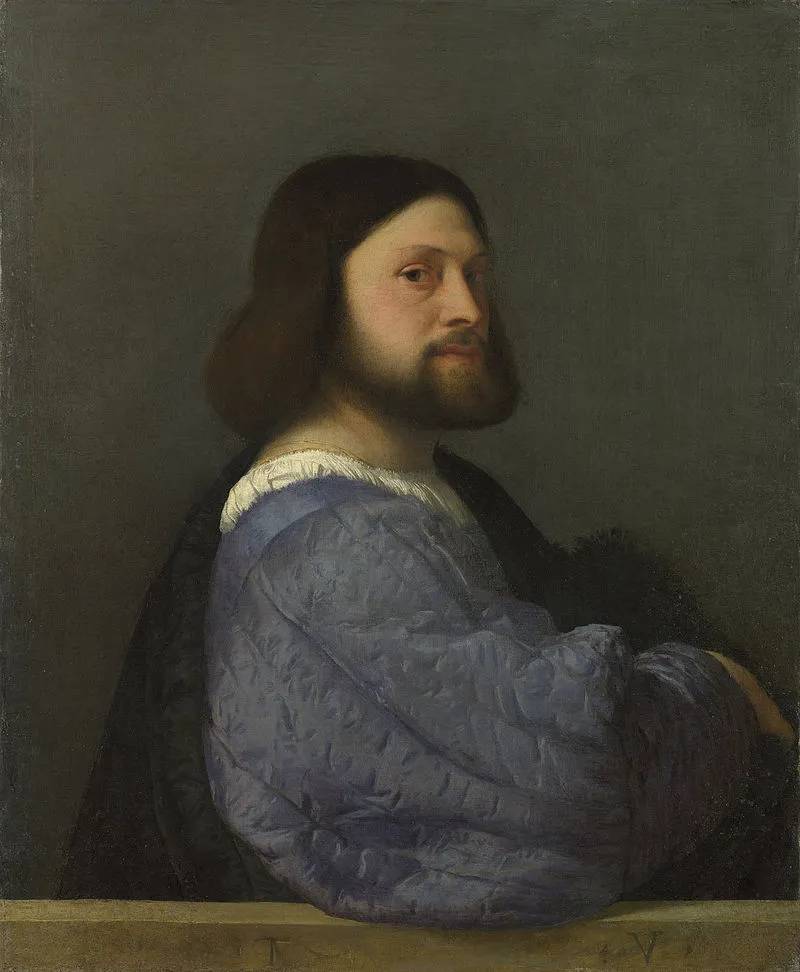
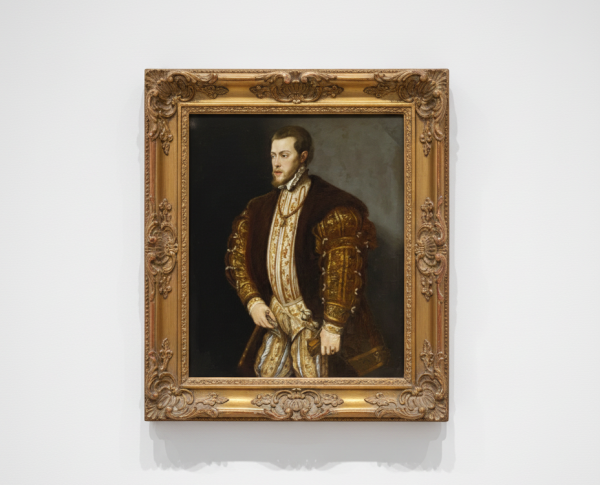
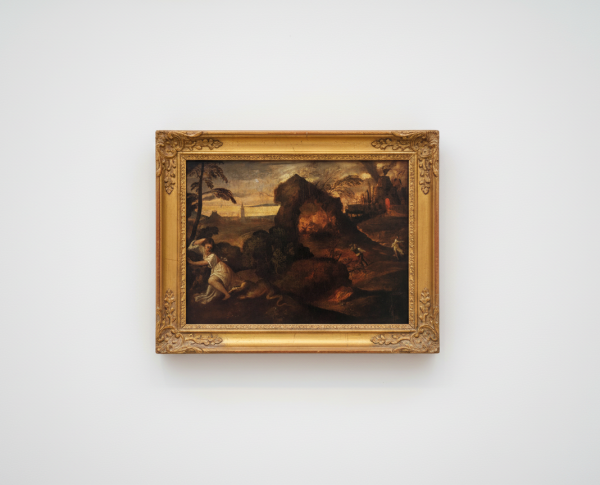
Tiziano Vecelli’s expertise is evident in every detail of "The Birth of Adonis." Using oil on canvas, he achieves a remarkable depth of color and luminosity that defines the Renaissance period. The artist’s brushwork brings to life the mythological narrative, inviting viewers to appreciate the technical brilliance behind each form. Collectors of fine art painting for sale often seek out Tiziano’s works, including "Philip II of Spain" and "Portrait of Ariosto," for their unmatched quality and beauty.
"The Birth of Adonis" tells a captivating story rooted in ancient mythology, a theme often explored in Renaissance art. Tiziano Vecelli weaves symbolism throughout the hand-painted oil painting, illustrating themes of love, fate, and transformation. Like his other works—such as "Concert Champetre" and "Orpheus and Eurydice"—this painting invites viewers to delve into the deeper meanings hidden within the composition, making it a fascinating piece for admirers of symbolic narrative art.
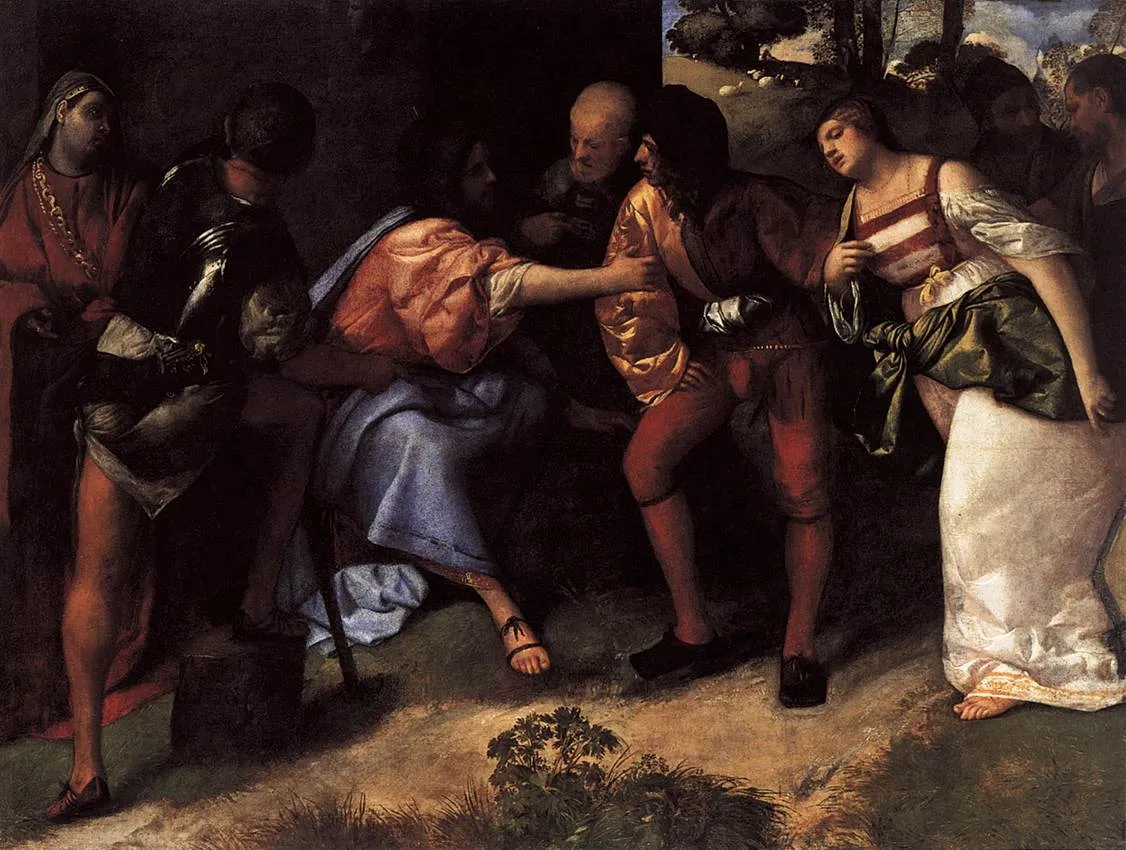
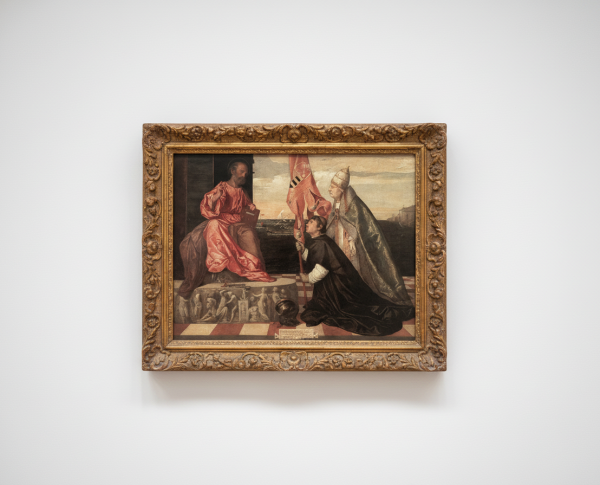
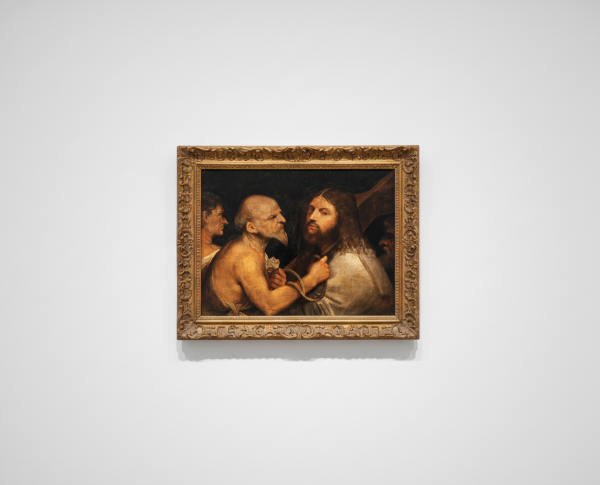
As a fine art painting for sale, "The Birth of Adonis" by Tiziano Vecelli represents a prized addition to any collection. Its Renaissance heritage, masterful technique, and mythological intrigue make it a standout among oil on canvas works. Collectors often pair it with related masterpieces like "Christ and the Adulteress" or "Saint Mark Enthroned" to create a rich tapestry of Renaissance artistry that celebrates the genius of Tiziano and his contemporaries.
When Art Meets History
"The Birth of Adonis" by Tiziano Vecelli, a master of the Renaissance movement, elegantly bridges myth and artistry. As a hand-painted oil painting, it captures the spirit of an era when classical stories were brought to life through vivid imagery. Vecelli’s interpretation stands among his celebrated works like "Venus and Adonis" and "The Vision of St Helena," making it a compelling testament to Renaissance ideals and the enduring allure of mythological subjects in fine art.
Techniques That Speak
Tiziano Vecelli’s "The Birth of Adonis" showcases the artist’s renowned mastery of oil on canvas. His delicate layering of color and attention to light bring depth and vitality to the figures, a hallmark of Renaissance technique. Comparable to his works such as "Madonna Enthroned with Child" and "The Feast in the House of Levi," this painting reveals Vecelli’s unique ability to infuse classical themes with lifelike realism, making each composition a timeless visual experience.
Emotions on Display
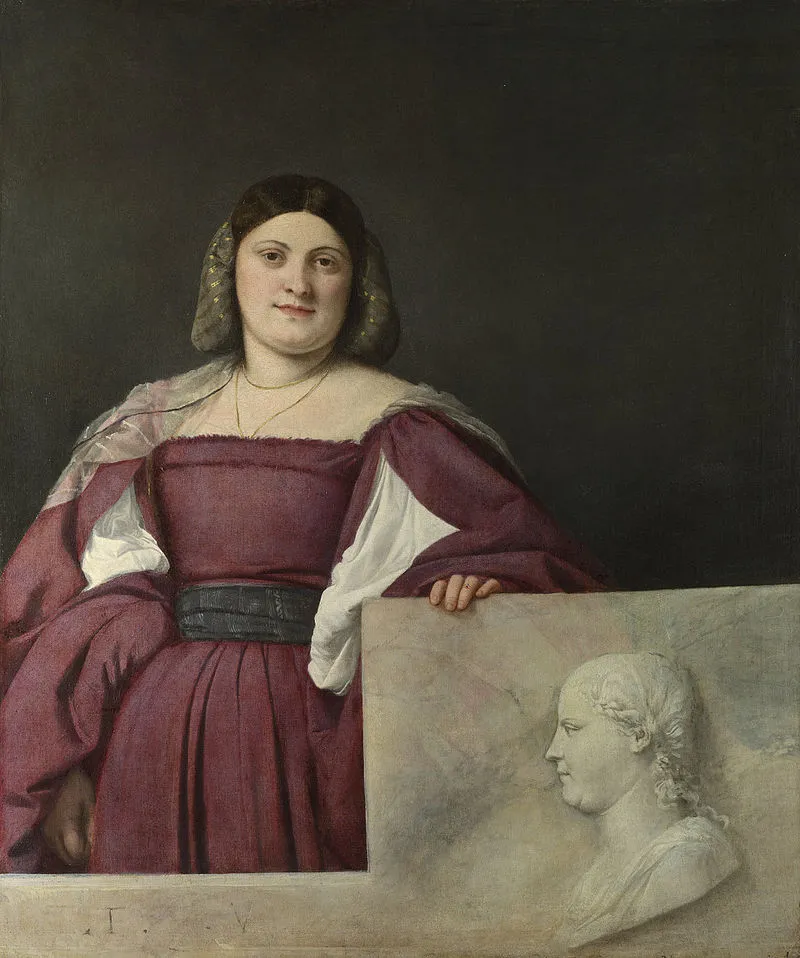
In "The Birth of Adonis," Tiziano Vecelli evokes powerful emotions through expressive faces and dynamic postures. The scene’s drama and intimacy, rendered in lush oil on canvas, invite viewers to connect deeply with the mythological narrative. Like "Portrait of woman with a child and a dog" and "St John the Baptist, St Louis of Toulouse and Donors," this fine art painting for sale exemplifies the Renaissance emphasis on human feeling, inviting us to witness both vulnerability and strength.
Coveted by Collectors
As a fine art painting for sale, "The Birth of Adonis" is highly prized among collectors who value Renaissance masterpieces. Tiziano Vecelli’s work, alongside related paintings like "Venus and Adonis" and "The Vision of St Helena," is sought after for its historical significance and exquisite craftsmanship. The enduring appeal of this hand-painted oil painting lies in its blend of myth, artistry, and technical finesse, making it a jewel in any distinguished collection.
Related Renaissance Hand-Painted Oil Paintings by Other Artists
Other Famous Renaissance Artists:
Frequently Asked Questions About The Birth of Adonis
What is the historical context of "The Birth of Adonis"?
"The Birth of Adonis" was painted by Tiziano Vecelli, commonly known as Titian, during the early 16th century, a period marked by the Renaissance's flourishing of art and culture in Italy. This painting reflects the era's fascination with classical mythology and humanism.
Who is the central figure in the painting and what does he represent?
The central figure in the painting is Adonis, a youth of extraordinary beauty in Greek mythology, who symbolizes desire and the transient nature of life. His birth from the sea foam signifies the connection between beauty and mortality.
What artistic techniques did Titian employ in "The Birth of Adonis"?
Titian utilized a vibrant color palette, dynamic composition, and masterful use of light and shadow to create depth and emotion. His brushwork is characterized by a loose, expressive style that enhances the painting's dramatic effect.
How does the painting reflect Renaissance ideals?
The painting embodies Renaissance ideals through its celebration of beauty, nature, and the human form. Titian's depiction of Adonis emphasizes the importance of individualism and the exploration of classical themes, which were central to Renaissance thought.
What symbolism is present in "The Birth of Adonis"?
The painting is rich in symbolism, with elements such as the flowers surrounding Adonis representing beauty and the fleeting nature of life. The presence of Venus, the goddess of love, further underscores themes of passion and desire.
What role does color play in the painting?
Color plays a crucial role in "The Birth of Adonis," as Titian employs a warm palette to evoke emotion and highlight the figures. The contrasting colors enhance the sense of movement and vitality, drawing the viewer's eye to the central figures.
How does Titian's composition guide the viewer's eye?
Titian's composition is carefully structured to lead the viewer's eye through the painting. The diagonal lines formed by the figures and the flowing drapery create a sense of movement, while the placement of Adonis at the center draws immediate attention.
What influence did "The Birth of Adonis" have on later artists?
The painting had a significant influence on later artists, particularly in its approach to color and composition. Titian's blending of mythological themes with emotional depth inspired subsequent generations, including Baroque artists who sought to capture similar intensity in their works.
Where can "The Birth of Adonis" be viewed today?
"The Birth of Adonis" is housed in the Museo del Prado in Madrid, Spain. It remains a significant example of Titian's mastery and the rich artistic heritage of the Renaissance period.
What is the significance of the myth of Adonis in art history?
The myth of Adonis has been a popular subject in art history, symbolizing beauty, love, and the inevitability of death. Artists have drawn on this narrative to explore themes of desire and loss, making it a timeless motif in Western art.























_GFM_Painting_(1).webp)



 100% Hand-Painted: Finished in 3-6 Weeks


.png)





















_(1).webp)