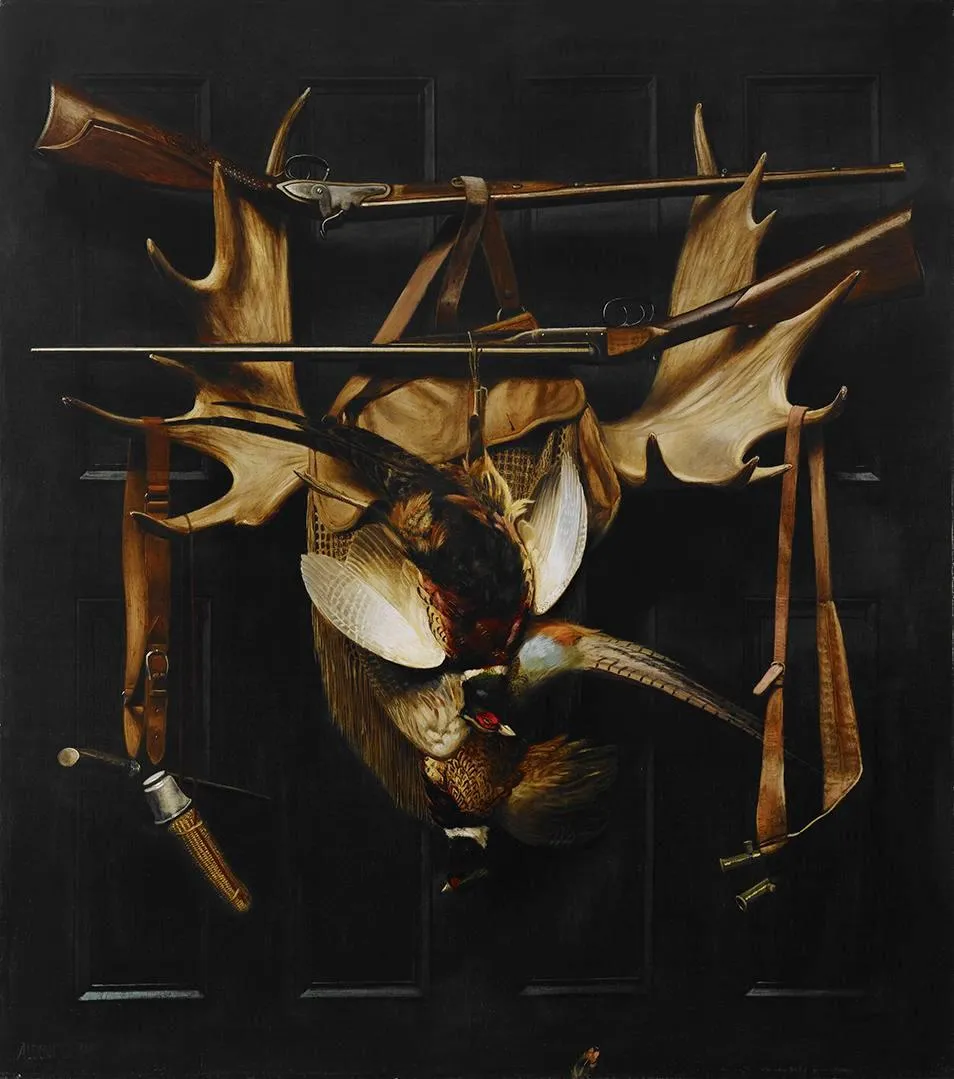
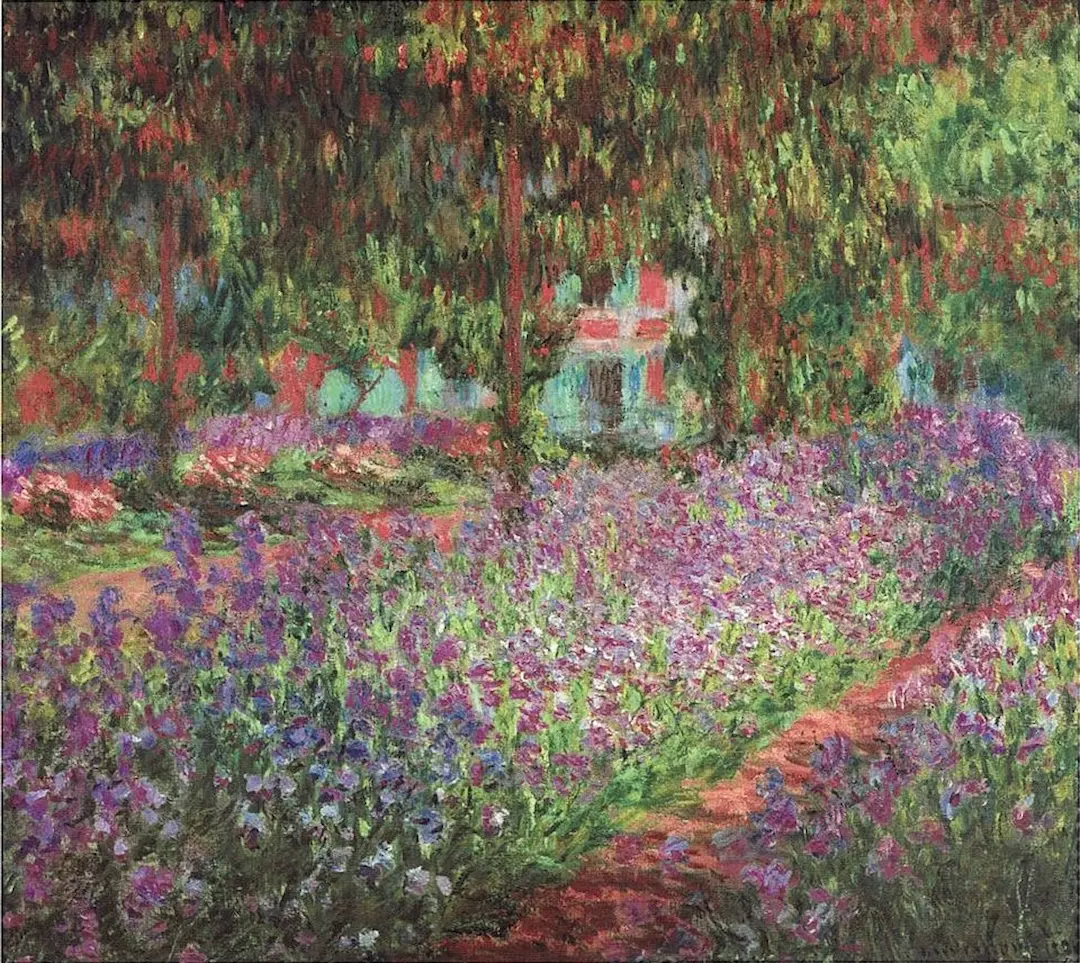
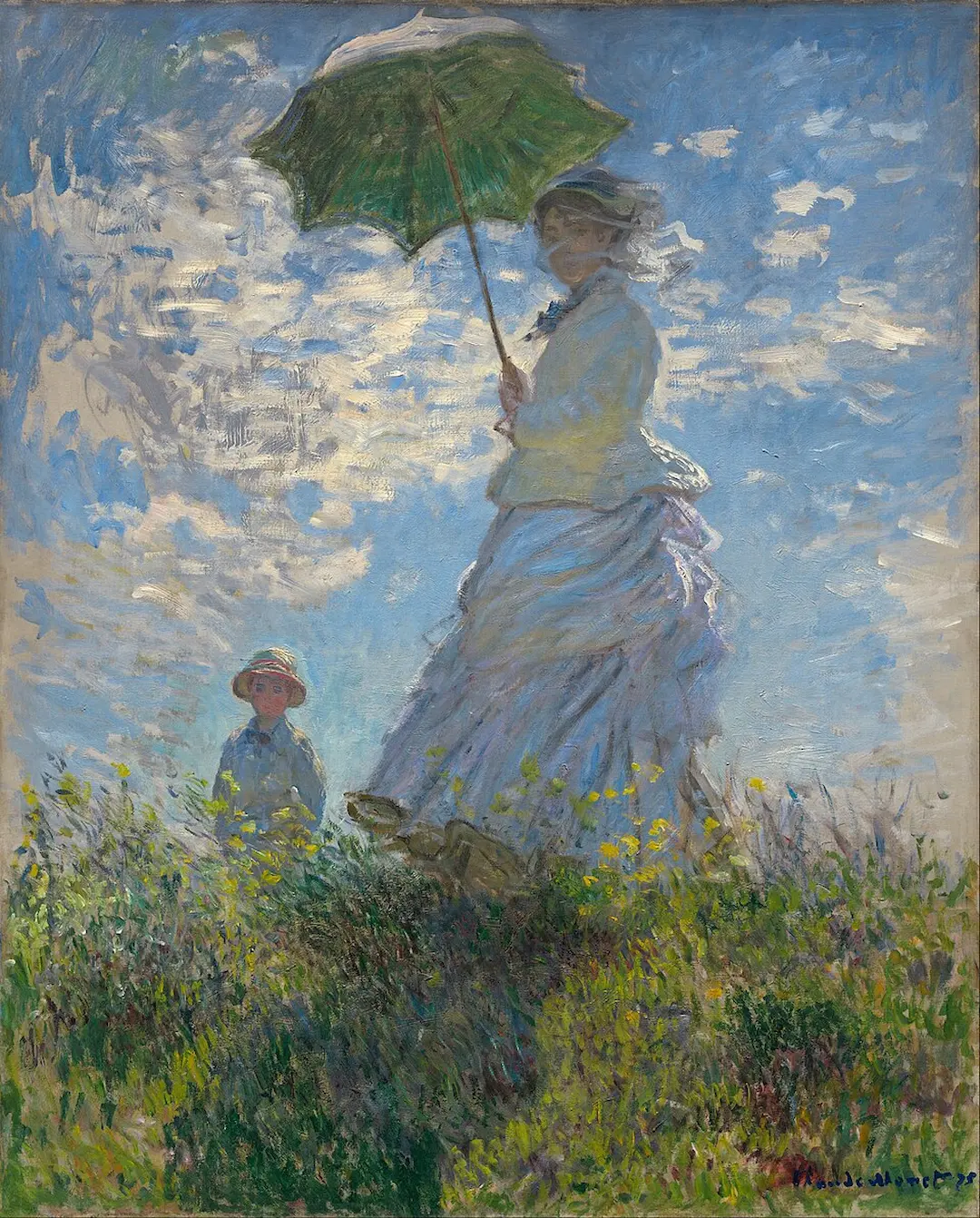
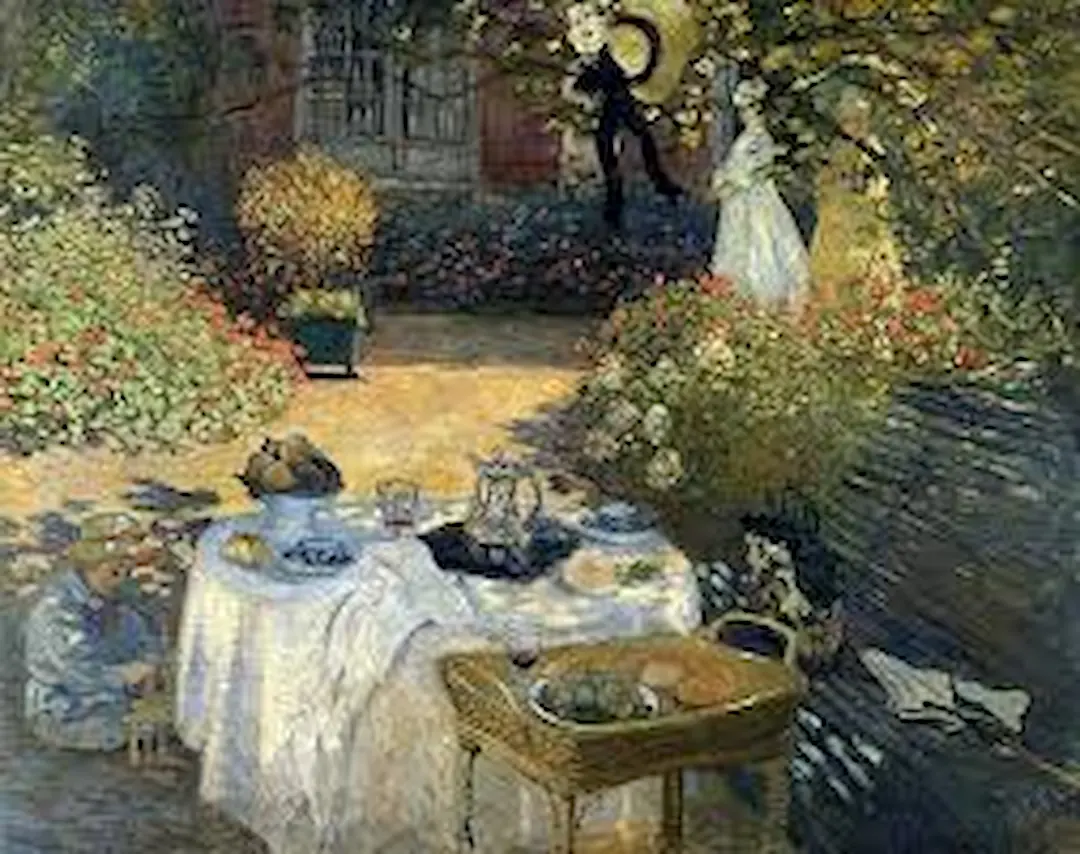
Rendered in exquisite oil on canvas, "Trophies of the Hunt" demonstrates Monet’s signature brushwork, layering color and light to evoke atmosphere and emotion. The Impressionism movement, embodied here, celebrates spontaneity and natural beauty. As a fine art painting for sale, this piece appeals to those who value both technique and history. Enthusiasts of Monet’s distinctive style should also consider "The Luncheon (Monet's Garden At Argenteuil)" and "Woman in the Garden" for their collections.
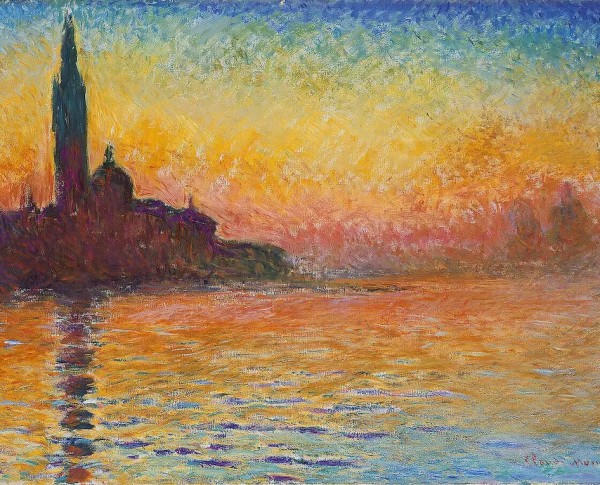
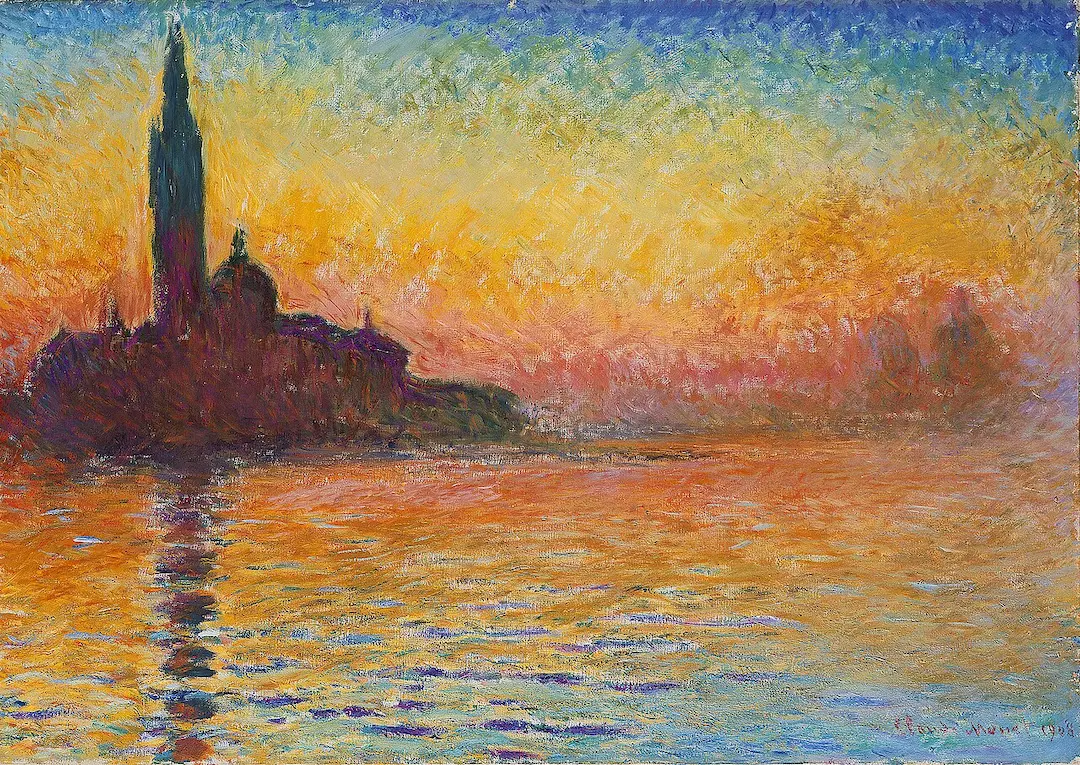
In "Trophies of the Hunt," Monet weaves narrative and symbolism into every detail, encouraging viewers to interpret personal stories within the composition. This hand-painted oil painting reflects the Impressionist fascination with everyday life and fleeting impressions. Monet’s mastery brings depth to the subject, connecting the viewer to the era’s cultural context. Art lovers may find similar symbolic storytelling in "San Giorgio Maggiore At Dusk" or "Road to the Saint-Simeon Farm," both notable Monet works.
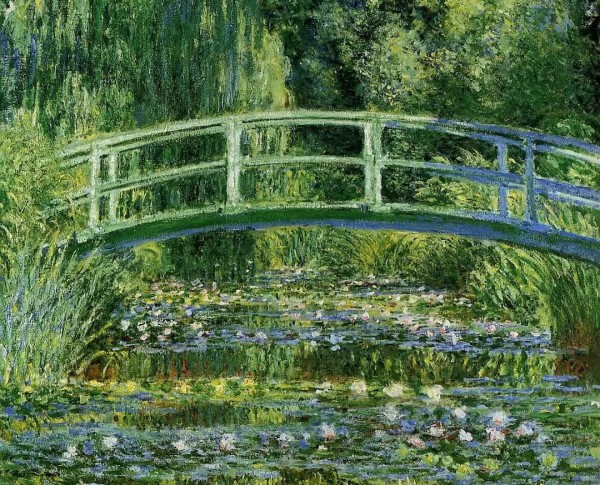
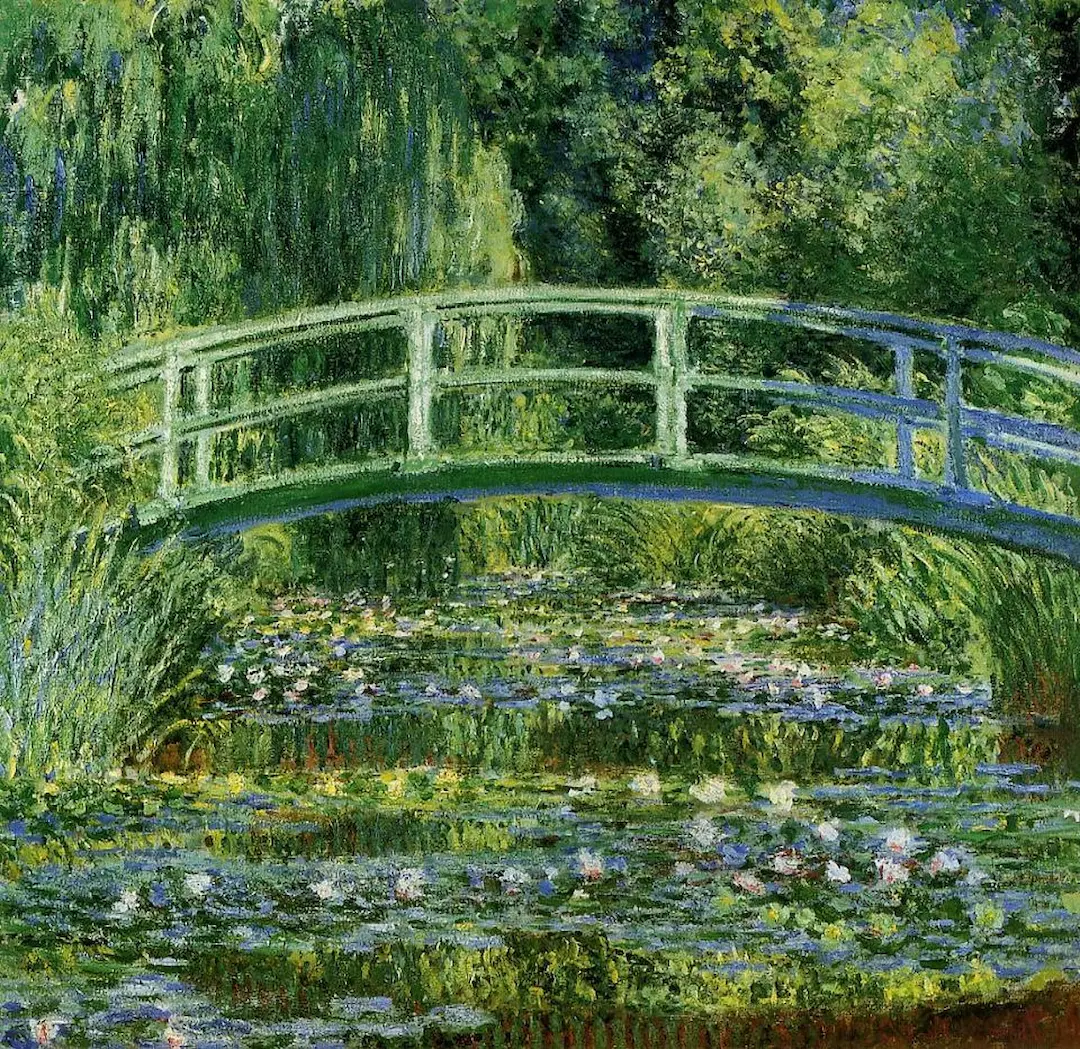
Owning "Trophies of the Hunt" is an opportunity to possess a remarkable oil on canvas, crafted by Claude Monet at the height of the Impressionism movement. This fine art painting for sale is more than a decorative piece—it’s a fragment of art history. Discerning collectors often seek out related Monet paintings, such as "The Water Lily Pond Aka Japanese Bridge" and "The Railway Bridge at Argenteuil," to enrich their portfolios with timeless masterpieces.
When Art Meets History
"Trophies of the Hunt" by Claude Monet is a remarkable example of Impressionism, a movement that revolutionized the art world in the late 19th century. This hand-painted oil painting captures a unique moment in history, reflecting the era's fascination with nature and hunting. Monet, known for masterpieces like "Woman in Black" and "A Girl with a Watering Can," skillfully intertwines pastimes and artistry, making this work a valuable addition to any fine art collection.
Techniques That Speak
Claude Monet’s "Trophies of the Hunt" showcases his masterful use of oil on canvas, a technique synonymous with the Impressionism movement. The brushstrokes are loose yet intentional, infusing the scene with a sense of immediacy and life. Similar to his works "Spring Bouquet" and "Dance At Bougival," Monet employs vibrant colors and light effects, inviting viewers to experience the fleeting beauty of the moment. This technique makes each painting a timeless treasure.
Emotions on Display
In "Trophies of the Hunt," Monet conveys a range of emotions through subtle details and color choices, a hallmark of Impressionism. The painting’s atmosphere evokes nostalgia and contemplation, much like his "Young Girls in Black." This fine art painting for sale provides a window into Monet’s emotional world, allowing collectors and admirers to connect personally with the scene. The blend of realism and impressionistic flair invites viewers to interpret the story behind the hunt.
Coveted by Collectors
As a celebrated work by Claude Monet, "Trophies of the Hunt" is highly sought after by enthusiasts of Impressionism. Owning this hand-painted oil painting means possessing a piece of art history, akin to acquiring "Dance At Bougival" or "A Girl with a Watering Can." Its rarity and connection to Monet’s legacy make it a prized addition for collectors, offering the allure and prestige associated with original masterpieces from the Impressionist movement.
Related Impressionism Hand-Painted Oil Paintings by Other Artists
Other Famous Impressionism Artists:
Frequently Asked Questions About Trophies of the Hunt
What is the historical context of "Trophies of the Hunt"?
"Trophies of the Hunt" was created during the late 19th century, a period characterized by the rise of Impressionism, which sought to capture the fleeting effects of light and atmosphere. Monet was influenced by the changing landscape of France and the evolving social dynamics of the time.
What artistic techniques did Claude Monet use in this painting?
Monet employed loose brushwork and a vibrant color palette to convey movement and emotion. His technique of layering colors and using short, quick strokes allows the viewer to experience the immediacy of the scene, a hallmark of Impressionist art.
What symbols are present in "Trophies of the Hunt"?
The painting features elements that symbolize victory and the relationship between nature and humanity. The trophies themselves represent the triumph of the hunt, while the surrounding landscape reflects the beauty and fragility of the natural world.
How does "Trophies of the Hunt" reflect Monet's artistic philosophy?
This work exemplifies Monet's belief in capturing the essence of a moment rather than focusing on detailed realism. His emphasis on light, color, and atmosphere aligns with his pursuit of portraying nature's transient beauty.
What influences can be seen in Monet's depiction of nature in this painting?
Monet's depiction of nature in "Trophies of the Hunt" showcases his fascination with the interplay of light and shadow. The lush greenery and the dynamic composition reflect his admiration for the natural environment and its ability to evoke emotion.
How does the composition of "Trophies of the Hunt" contribute to its overall impact?
The composition is carefully balanced, drawing the viewer's eye through the painting. The placement of the trophies against the backdrop of a vibrant landscape creates a dialogue between man-made and natural elements, enhancing the thematic depth of the work.
What role does color play in "Trophies of the Hunt"?
Color is pivotal in this painting, as Monet uses a rich palette to evoke mood and atmosphere. The contrasting hues of the trophies against the verdant background highlight the tension between civilization and nature, a recurring theme in his work.
In what ways does "Trophies of the Hunt" reflect societal attitudes towards hunting in Monet's time?
The painting reflects a complex relationship with hunting, which was both a sport and a symbol of status during the late 19th century. Monet's portrayal may suggest a critique of this practice, emphasizing the beauty of nature that is often overshadowed by human intervention.
What is the significance of the title "Trophies of the Hunt"?
The title suggests a celebration of conquest, yet it also invites contemplation on the consequences of such pursuits. It encapsulates the duality of admiration for nature and the implications of human dominance over it.
How does "Trophies of the Hunt" compare to other works by Monet?
Compared to Monet's other works, "Trophies of the Hunt" stands out for its thematic exploration of human interaction with nature. While many of his paintings focus on landscapes and water scenes, this piece integrates the concept of hunting, offering a unique perspective within his oeuvre.






















_GFM_Painting_(1).webp)


 100% Hand-Painted: Finished in 3-6 Weeks

.png)















_(1).webp)