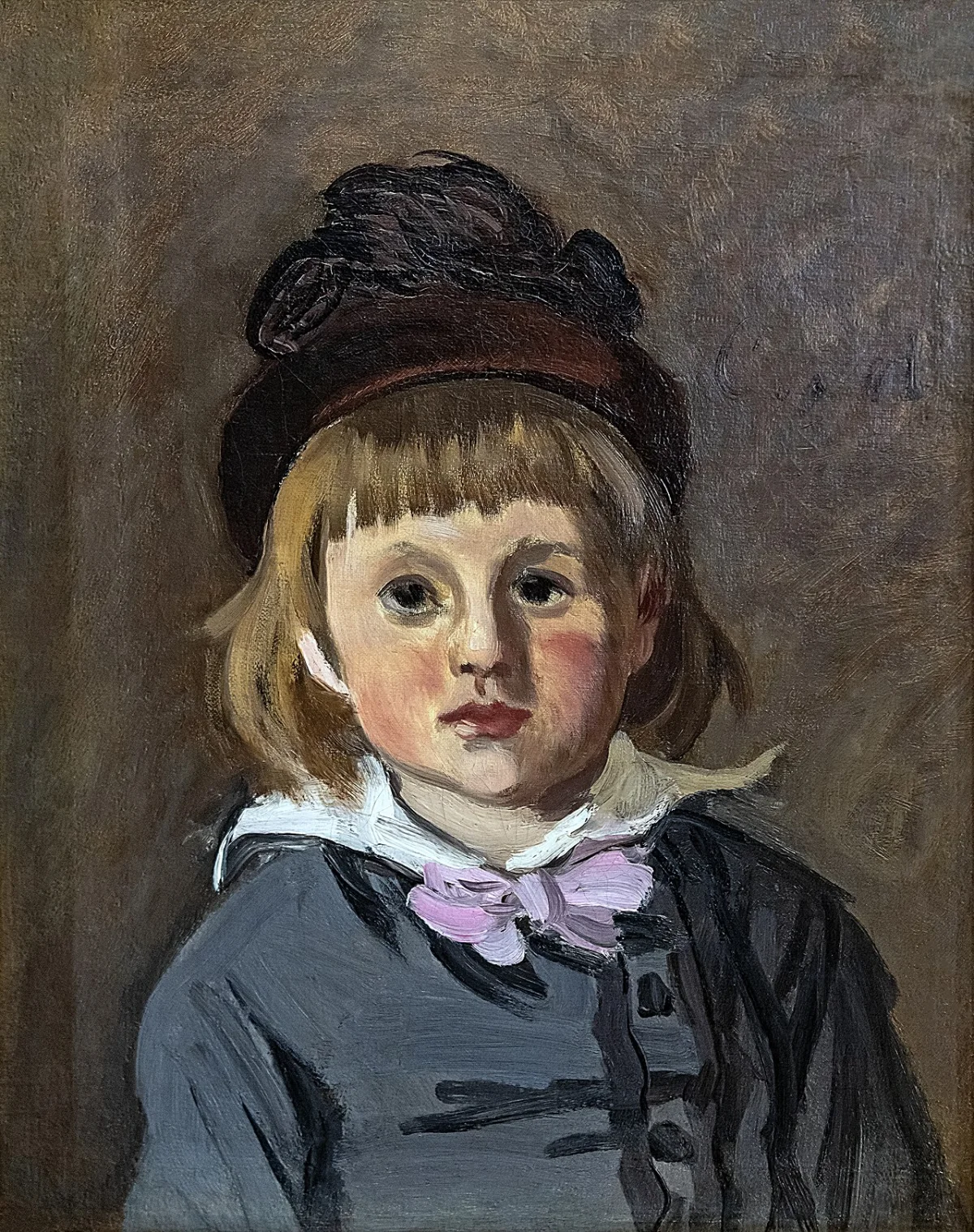
The painting "Bemberg Fondation Toulouse Portrait De Son Fils Jean En Bonnet à Pompon 42x33 Inv." by Claude Monet is a remarkable example of a hand-painted oil painting from the Impressionism movement. Monet’s dedication to capturing the intimate moments of his family shines through, making this artwork a cherished piece in art history. Collectors and enthusiasts alike treasure such works, often seeking related products like "The Road from Chailly to Fontainebleau" and "Woman in the Garden."
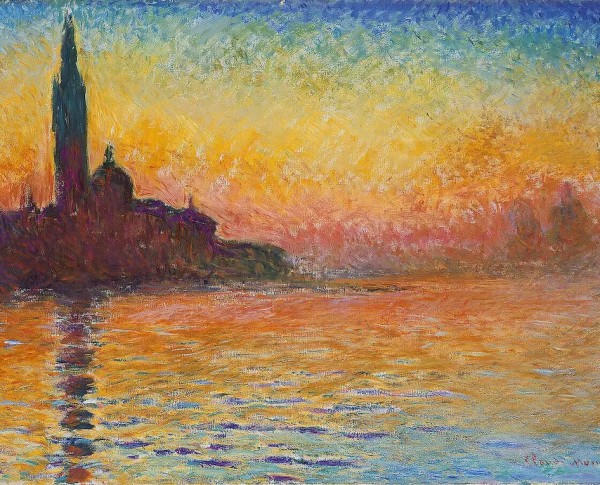
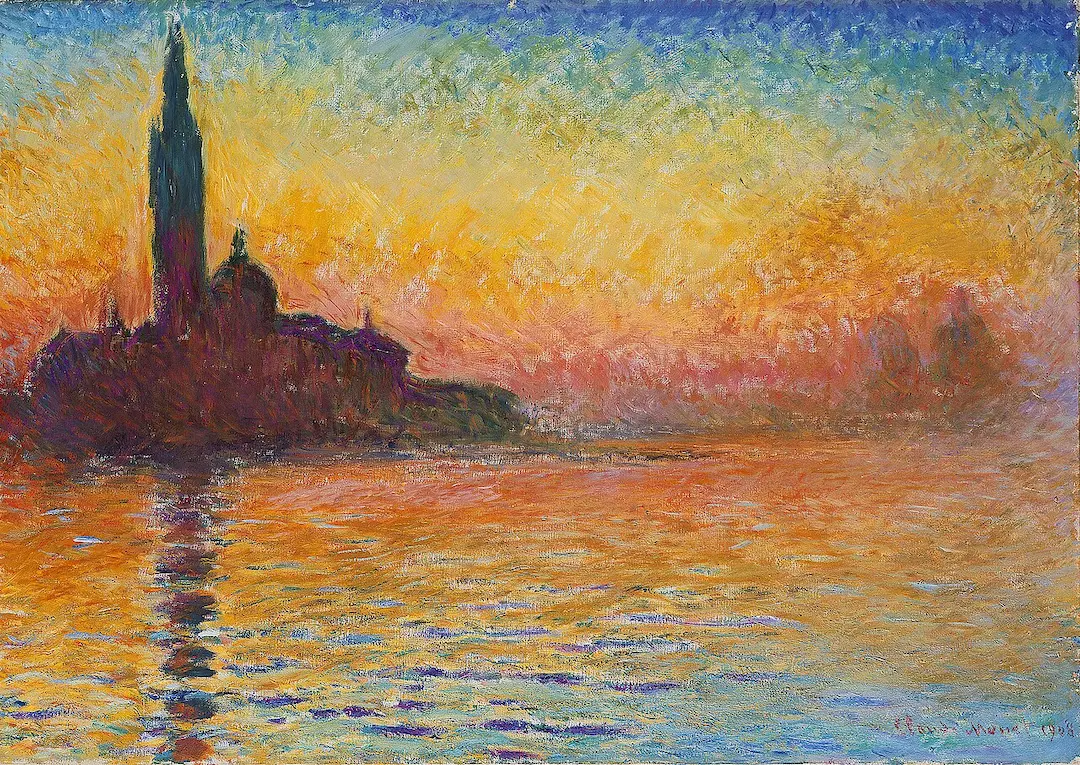
Claude Monet's expertise with oil on canvas is evident in this portrait, where every brushstroke conveys emotion and depth. As a leading figure in Impressionism, Monet’s unique technique brings vitality to the depiction of his son, Jean. Admirers of his style may also appreciate related masterpieces such as "San Giorgio Maggiore At Dusk" and "Road to the Saint-Simeon Farm," each demonstrating the artist’s mastery of color and light in oil on canvas.
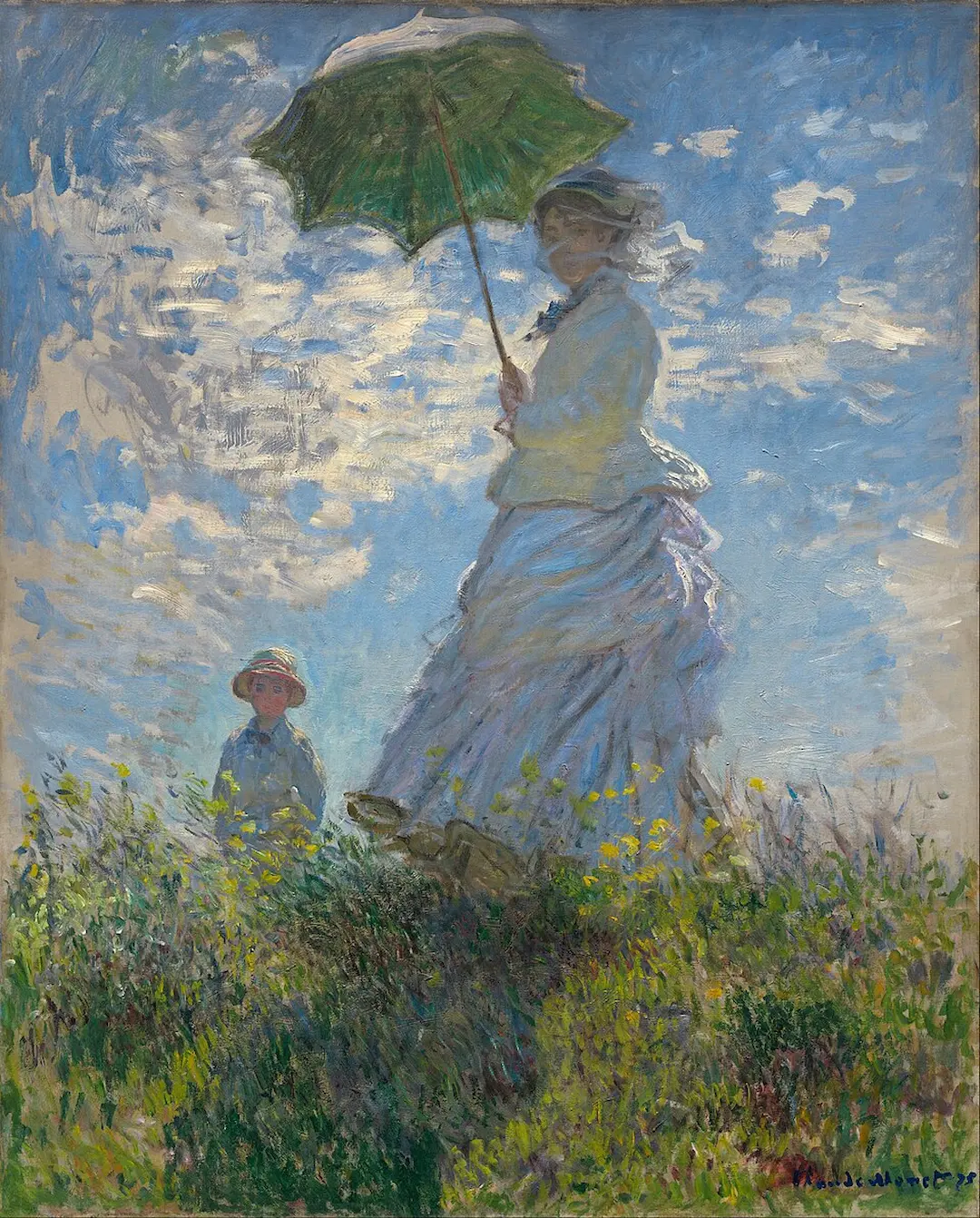
Through this fine art painting for sale, Monet invites viewers to explore the tender relationship between father and son. The bonnet à pompon worn by Jean adds a symbolic touch, signifying innocence and familial love. Collectors interested in the Impressionism movement often compare this intimate portrait to other Monet works, including "The Walk Woman With A Parasol" and "Still Life With Bottles," for their narrative depth and emotional resonance.
"Bemberg Fondation Toulouse Portrait De Son Fils Jean En Bonnet à Pompon 42x33 Inv." is a prized hand-painted oil painting that enriches any fine art collection. Claude Monet’s Impressionist legacy ensures lasting value and admiration for this piece. Those seeking to expand their collections might also consider acquiring related products like "Woman in the Garden" or "San Giorgio Maggiore At Dusk," each a testament to Monet’s enduring artistry and the movement he helped define.
When Art Meets History
The painting "Bemberg Fondation Toulouse Portrait De Son Fils Jean En Bonnet à Pompon 42x33 Inv." by Claude Monet is a remarkable testament to the Impressionism movement. This hand-painted oil painting captures not only the likeness of Monet’s son but also the spirit of an era where art and personal history intertwined. Comparable works such as "The Floor Scrapers 1875" and "Bal du moulin de la Galette" further highlight the historical context in which Monet thrived.
Techniques That Speak
Claude Monet’s mastery of oil on canvas is evident in this portrait, where swift, expressive brushstrokes bring both subject and background to life. As seen in related paintings like "Vue de toits" and "After a Bath. Woman Drying the Back of her Neck.", Monet’s technique emphasizes light, texture, and movement. The Impressionism movement, championed by Monet, revolutionized the approach to oil on canvas, making each work vibrant and engaging.
Emotions on Display
Monet’s "Portrait De Son Fils Jean En Bonnet à Pompon" radiates a deep paternal affection, a theme also felt in "The Fisherman" and other fine art painting for sale from the Impressionism era. The gentle gaze and soft light evoke warmth and intimacy, hallmarks of Monet’s emotional depth. His ability to capture fleeting moments and personal connections makes each painting resonate with viewers on an emotional level, ensuring their lasting impact.
Coveted by Collectors
As a prime example of Impressionism, this painting by Claude Monet is highly sought after by art enthusiasts. The allure of owning a hand-painted oil painting from a master is undeniable, as seen with related works like "Bal du moulin de la Galette". Collectors value the authenticity and historical significance of Monet’s pieces, making this portrait not just an artwork but a treasured investment in the world of fine art painting for sale.
Related Impressionism Hand-Painted Oil Paintings by Other Artists
Other Famous Impressionism Artists:
Frequently Asked Questions About Bemberg Fondation Toulouse Portrait De Son Fils Jean En Bonnet à Pompon 42x33 Inv.
What is the historical significance of this painting?
This painting is significant as it reflects the intimate relationship between Claude Monet and his family, showcasing his son Jean in a moment of childhood innocence. It also highlights the artist's transition from landscape to portraiture during the late 19th century.
What artistic techniques did Monet employ in this portrait?
Monet utilized loose brushwork and a vibrant color palette to convey the warmth and liveliness of his son. The use of light and shadow adds depth, while the impressionistic style captures the fleeting nature of childhood.
What is the symbolism behind the bonnet à pompon worn by Jean?
The bonnet à pompon symbolizes childhood and innocence, often associated with the carefree nature of youth. It serves as a visual cue to the viewer, evoking a sense of nostalgia and the simplicity of childhood joys.
How does this painting reflect Monet's overall artistic style?
This portrait exemplifies Monet's impressionistic style, characterized by its emphasis on light, color, and everyday subjects. It marks a departure from his earlier landscapes, illustrating his versatility as an artist.
What influences can be seen in Monet's portrayal of Jean?
Monet's portrayal of Jean reflects influences from both the Realist movement and the emerging Impressionist style. The focus on everyday life and personal subjects was a departure from traditional portraiture, which often emphasized idealization.
In what ways does this painting connect to Monet's other works?
This painting connects to Monet's other works through its exploration of light and color. Similar to his landscapes, the portrait captures the effects of natural light, demonstrating his ongoing fascination with how light interacts with form.
What emotions does the painting evoke?
The painting evokes feelings of warmth, tenderness, and nostalgia. It captures a fleeting moment in time, inviting viewers to reflect on their own childhood memories and the bond between parent and child.
What role does composition play in this portrait?
The composition of the portrait is carefully balanced, with Jean positioned centrally, drawing the viewer's focus. The soft background enhances the subject, allowing the viewer to connect emotionally with the child.
How does this painting fit within the context of Monet's life?
This painting was created during a period when Monet was deeply engaged with family life. It reflects his desire to document personal moments, showcasing his evolution as both an artist and a father.
What is the significance of the size of this painting?
The dimensions of 42x33 cm suggest an intimate scale, suitable for a personal portrait. This size allows for detailed brushwork while maintaining a sense of closeness, inviting viewers to engage with the subject on a personal level.






















_GFM_Painting_(1).webp)


 100% Hand-Painted: Finished in 3-6 Weeks

.png)















_(1).webp)