Monet’s "The Road from Chailly to Fontainebleau" showcases his expertise with oil on canvas, demonstrating his mastery of light and color. His brushwork creates a lively landscape that embodies the essence of Impressionism. Every detail in this painting reflects Monet’s dedication to capturing natural beauty. Those interested in fine art painting for sale may also appreciate related works such as "Spring Flowers" and "Camille," which exemplify Monet’s remarkable technique and vision.
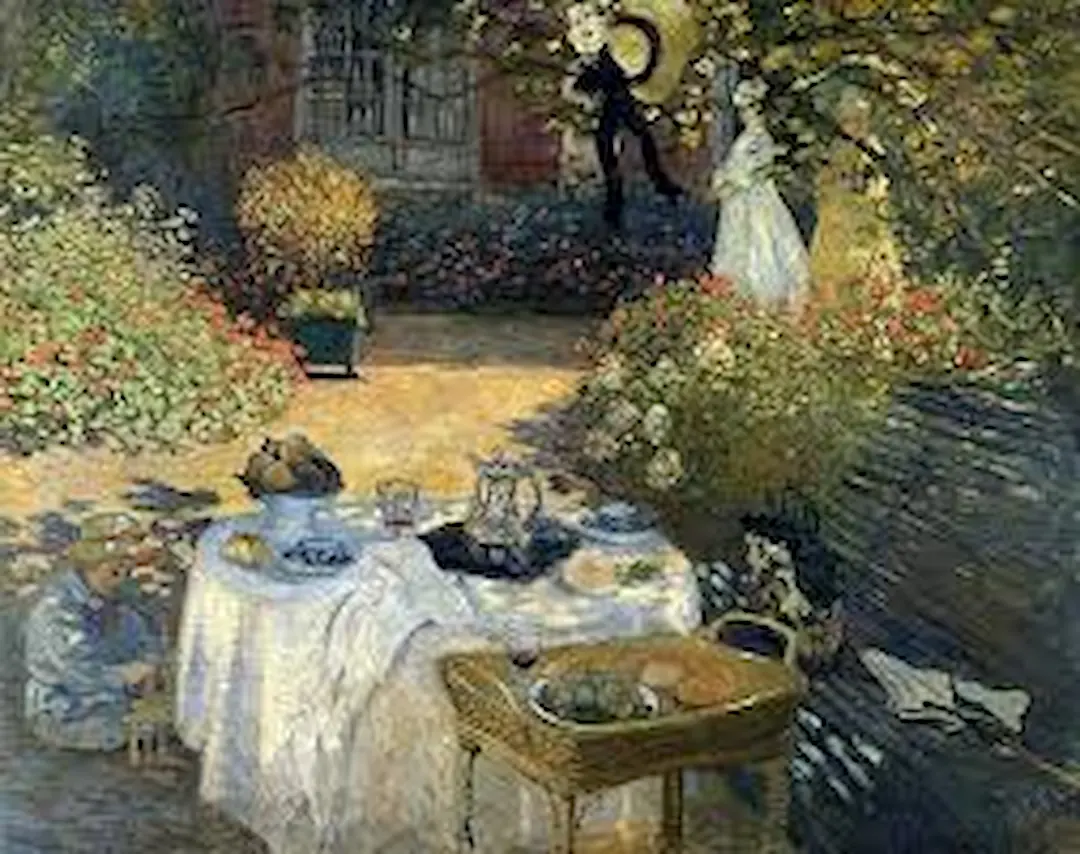
This evocative scene from "The Road from Chailly to Fontainebleau" tells a story of journey and discovery, themes central to Monet’s art. The painting’s composition invites viewers to wander the sunlit path, symbolizing freedom and exploration. As a celebrated hand-painted oil painting, it resonates with those who appreciate Impressionism’s focus on atmosphere and emotion. Collectors may also be drawn to related pieces like "The Luncheon (Monet's Garden At Argenteuil)" for their symbolic depth.
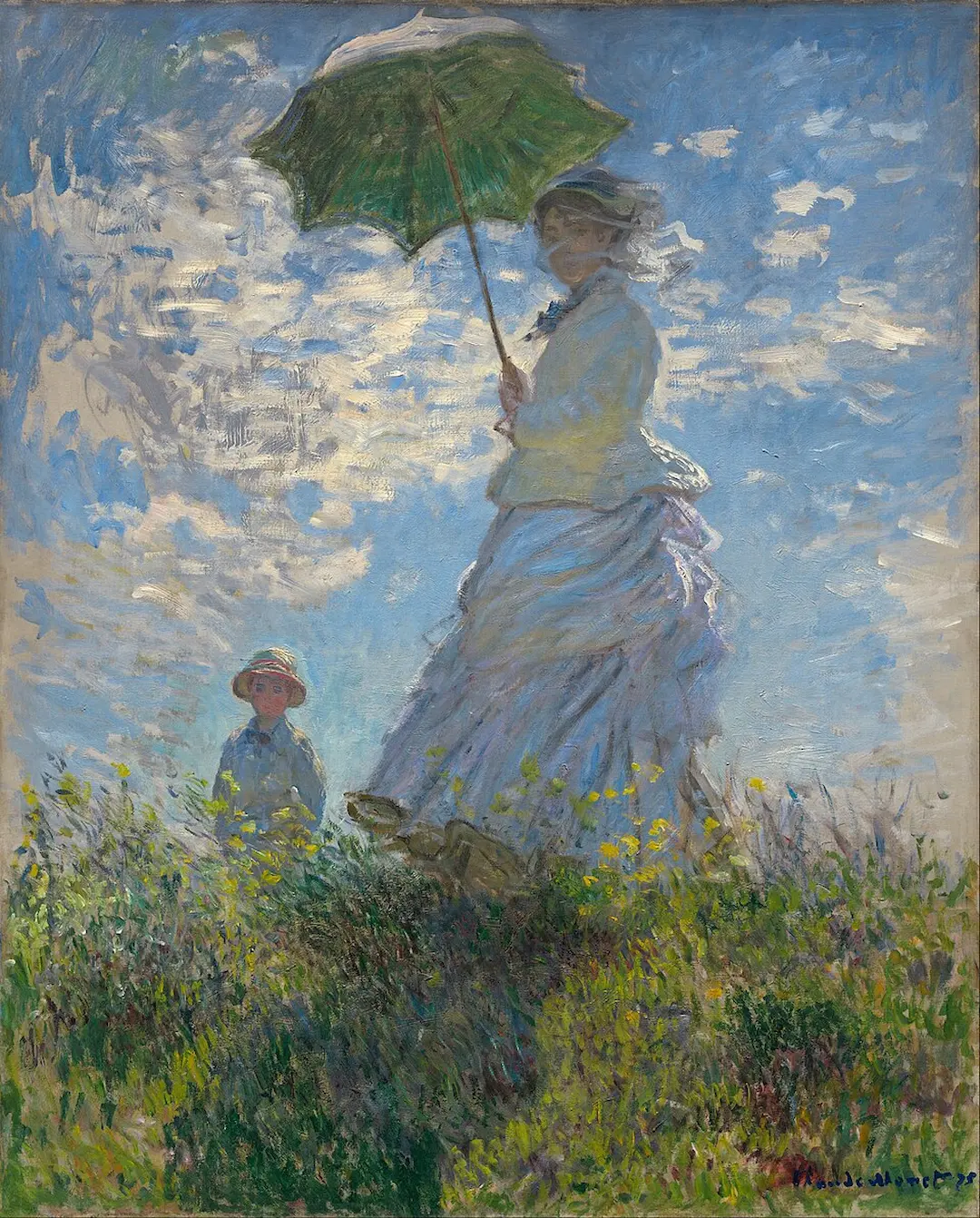
Owning "The Road from Chailly to Fontainebleau" is a dream for admirers of Impressionist art. This oil on canvas masterpiece by Claude Monet offers timeless appeal, making it a prized fine art painting for sale. Its enduring beauty enhances any collection, especially when displayed with related products like "Road to the Saint-Simeon Farm" and "The Walk Woman With A Parasol." Monet’s legacy ensures that each piece remains a collector’s treasure for generations.
When Art Meets History
"The Road from Chailly to Fontainebleau" by Claude Monet stands as a testament to the transformative years of the Impressionism movement. Painted during a period of rapid change, this hand-painted oil painting captures the lush French countryside just outside Paris. Monet, alongside contemporaries who created works like "Paris Street - Rainy Weather 1877" and "A Girl with a Watering Can," sought to immortalize fleeting moments in history with vivid brushwork and natural light.
Techniques That Speak
Monet’s mastery in "The Road from Chailly to Fontainebleau" is evident through his quick, expressive brushstrokes and vibrant palette—hallmarks of oil on canvas techniques typical of Impressionism. The artist’s approach allows viewers to feel the dappled sunlight and gentle breezes. Similar to related paintings such as "Le Café-concert aux ambassadeurs" and "Girls At The Piano2," Monet’s work demonstrates how technical innovation can breathe life into landscape scenes.
Emotions on Display
Every inch of "The Road from Chailly to Fontainebleau" is imbued with emotion, inviting viewers to wander along the sunlit path. Monet’s Impressionist sensibilities evoke a sense of tranquility and nostalgia, reminiscent of moments spent in nature. This fine art painting for sale appeals to collectors who appreciate the emotional depth found in masterpieces like "And They Still Say Fish is Expensive!" and other Impressionist classics, making it a cherished addition to any collection.
Coveted by Collectors
As an iconic work by Claude Monet, "The Road from Chailly to Fontainebleau" remains highly sought after among enthusiasts of the Impressionism movement. Its timeless beauty and historical significance make it a prized hand-painted oil painting in private and public collections alike. Collectors often seek out related masterpieces, including "A Girl with a Watering Can" and "Paris Street - Rainy Weather 1877," to complement their Monet-inspired art collections.
Related Impressionism Hand-Painted Oil Paintings by Other Artists
Other Famous Impressionism Artists:
Frequently Asked Questions About The Road from Chailly to Fontainebleau
What is the historical context of "The Road from Chailly to Fontainebleau"?
This painting was created by Claude Monet in 1865, during a period when he was exploring the effects of light and color in landscape painting. This era marked the rise of Impressionism, a movement that sought to capture the fleeting moments of nature.
What artistic techniques did Monet employ in this painting?
Monet utilized loose brushwork and a vibrant color palette to convey the natural beauty of the landscape. His technique of layering colors allows for a sense of depth and movement, characteristic of his Impressionist style.
What does the painting depict, and what is its significance?
How does this painting relate to Monet's other works?
This work is emblematic of Monet's exploration of landscape painting, similar to his other famous works such as "Impression, Sunrise" and "Water Lilies." It showcases his evolving style and commitment to capturing the essence of nature.
What symbols can be found in "The Road from Chailly to Fontainebleau"?
The winding road can be interpreted as a symbol of journey and exploration, while the lush greenery represents tranquility and the beauty of nature. Together, they evoke a sense of peace and connection to the natural world.
What was Monet's intention in creating this landscape?
Monet aimed to capture the ephemeral qualities of light and atmosphere in the landscape. His intention was to evoke an emotional response from viewers, inviting them to experience the beauty of the moment he portrayed.
How did "The Road from Chailly to Fontainebleau" influence the Impressionist movement?
This painting exemplifies the core principles of Impressionism, particularly the focus on capturing light and color in a natural setting. It helped to solidify Monet's role as a leading figure in the movement, inspiring future artists to explore similar themes.
What materials did Monet use for this painting?
Monet typically used oil paints on canvas for his works, allowing for rich color application and texture. This medium was ideal for his technique of blending colors directly on the canvas to achieve the luminosity seen in this painting.
Where can "The Road from Chailly to Fontainebleau" be viewed today?
This painting is part of the collection at the Musée d'Orsay in Paris, France. It is displayed alongside other masterpieces of the Impressionist era, allowing visitors to appreciate its historical significance within the context of the movement.
What impact did this painting have on Monet's career?























_GFM_Painting_(1).webp)


 100% Hand-Painted: Finished in 3-6 Weeks

.png)















_(1).webp)