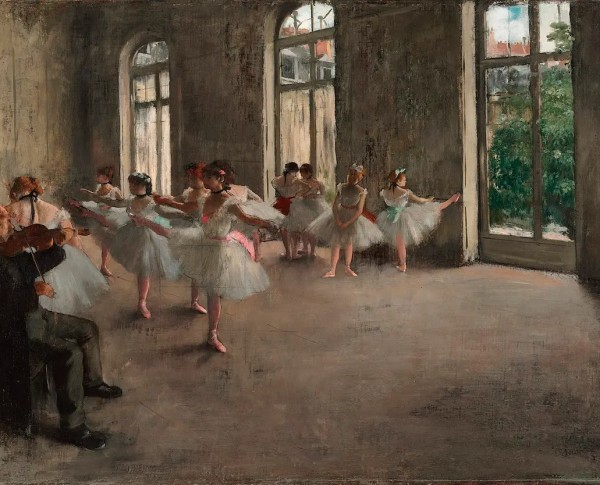
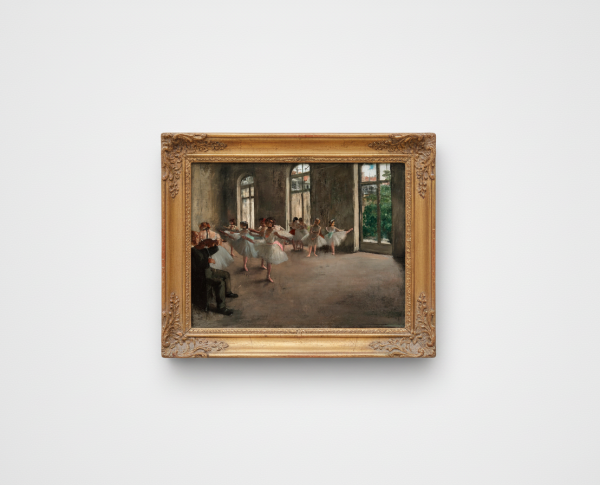
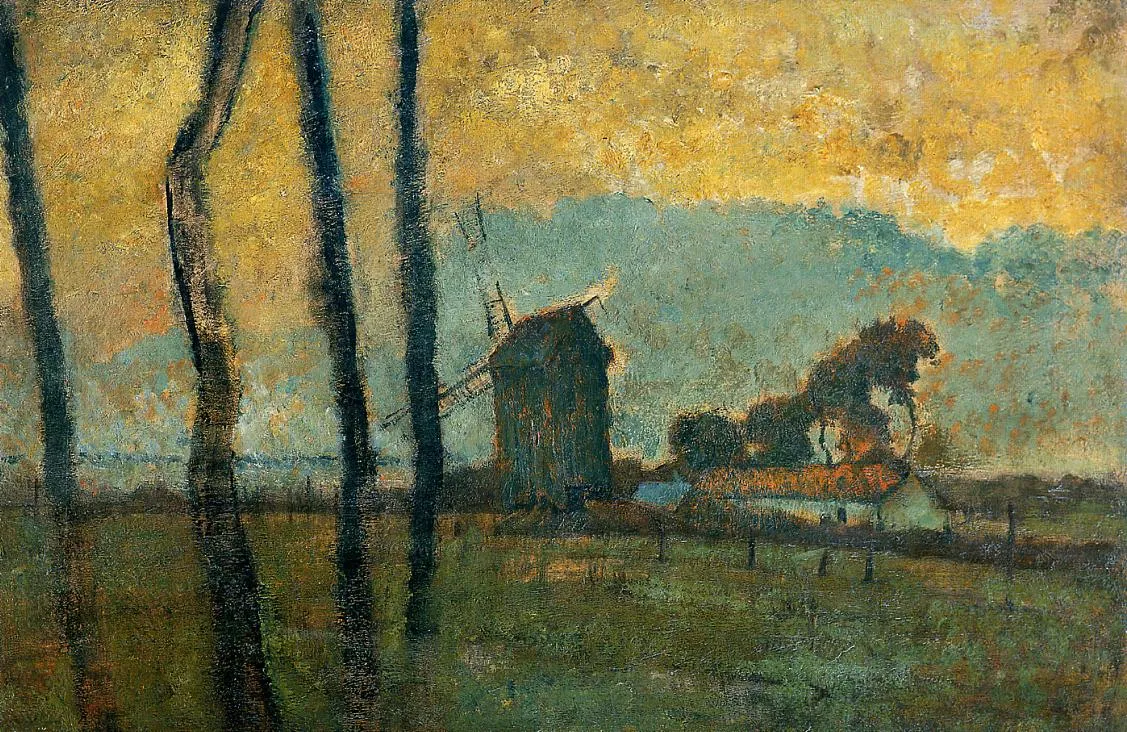
Edgar Degas' "Landscape at Valery-sur-Somme" showcases his technical prowess with oil on canvas. Each brushstroke in this Impressionist painting reveals his mastery in rendering natural light and subtle movement. Degas, renowned for his works like "Ballet Rehearsal, 1873" and "Racehorses at Longchamp," brings the same attention to detail and vibrant color palette to this landscape. Such oil on canvas pieces are celebrated for their delicate balance of spontaneity and control.
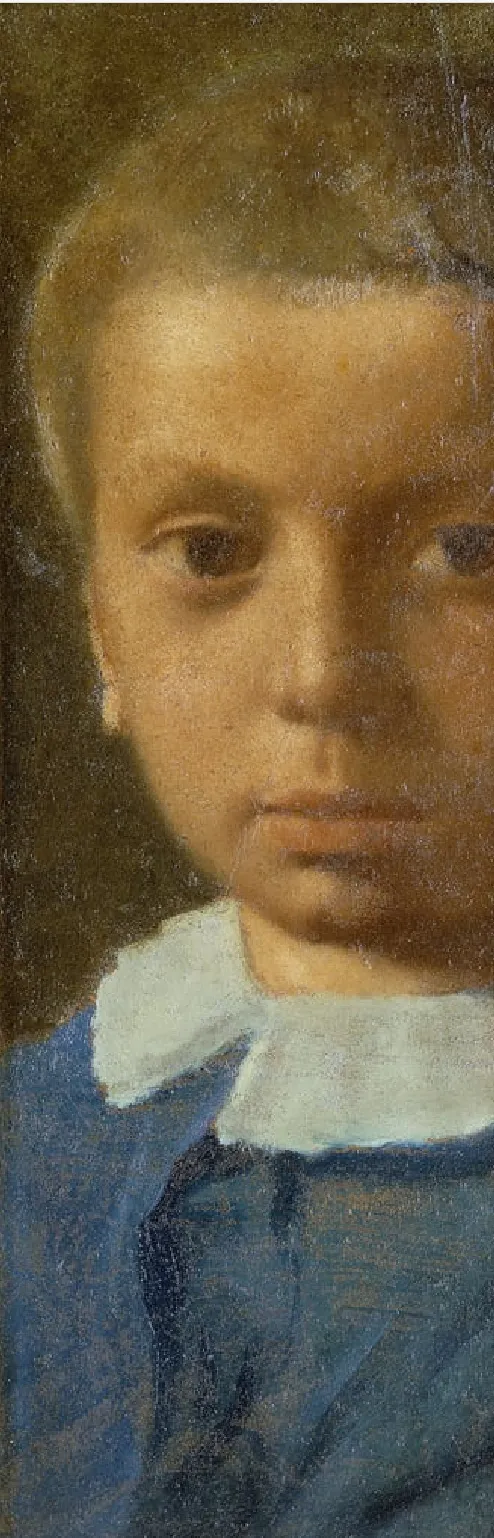
Behind "Landscape at Valery-sur-Somme" lies a tapestry of stories and symbols, emblematic of the Impressionism movement. Degas infuses the serene scenery with emotional depth, inviting viewers to interpret the landscape's mood and meaning. Like "The Child in Blue" and "After a Bath. Woman Drying the Back of her Neck.," this fine art painting for sale encourages contemplation and connection. Collectors admire how Degas weaves narrative and nuance into every canvas.
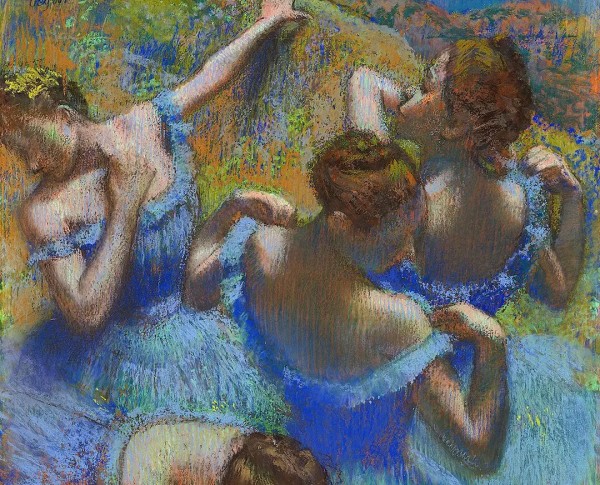
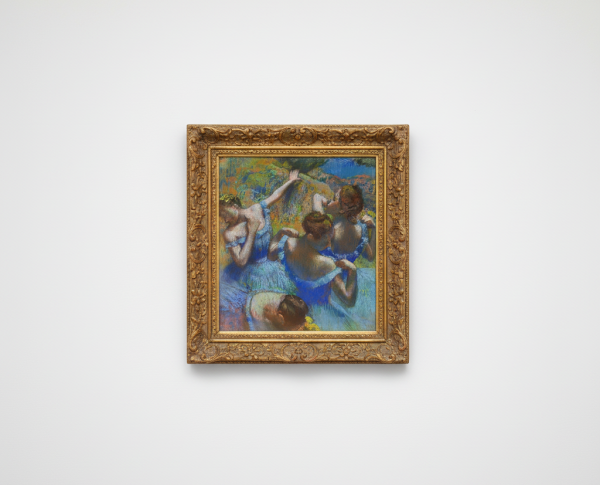
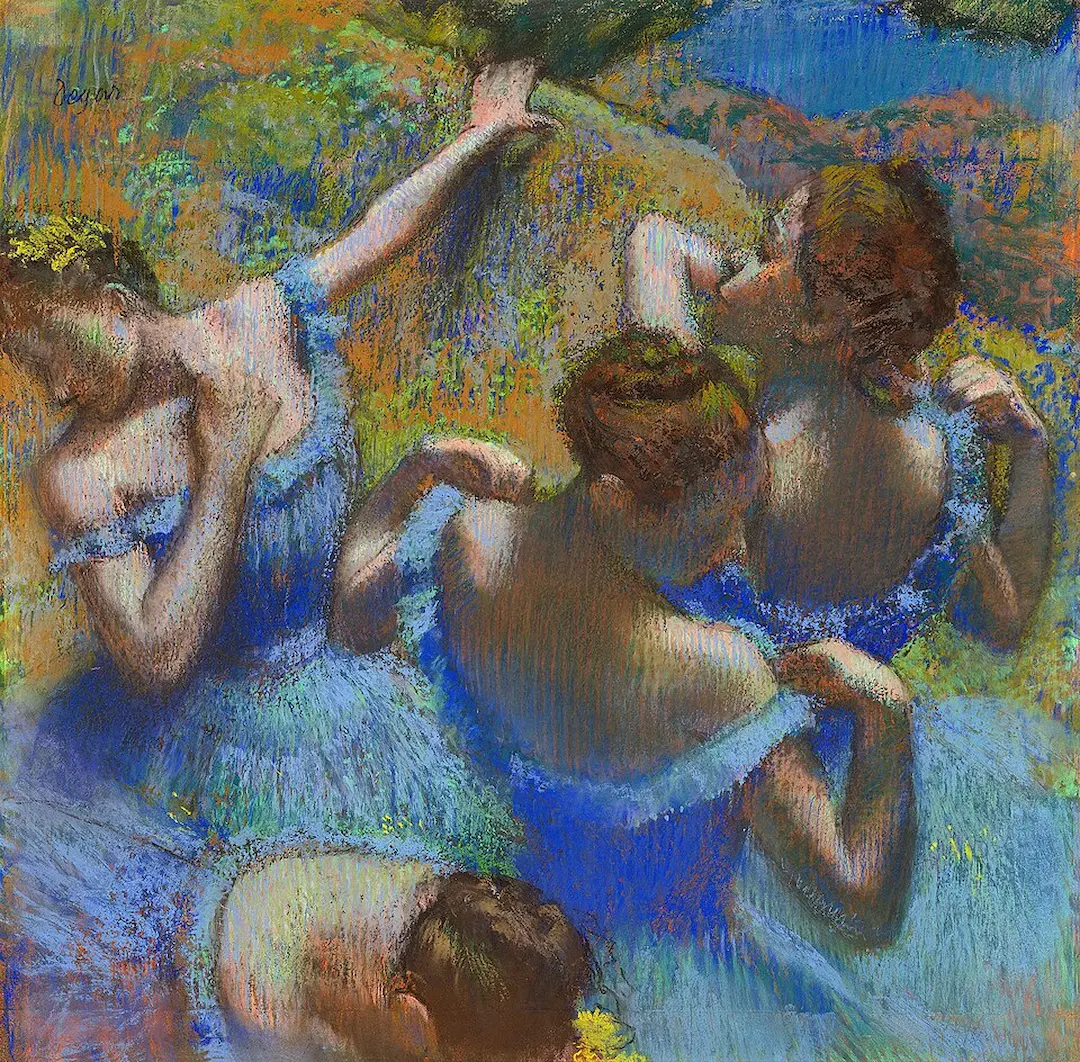
Owning "Landscape at Valery-sur-Somme" by Edgar Degas is a dream for many art enthusiasts, especially those passionate about Impressionism. This hand-painted oil painting stands alongside sought-after works such as "Blue Dancers, c.1899" and "Racehorses at Longchamp." With its historical significance and exquisite artistry, this masterpiece is a fine art painting for sale that elevates any collection. Degas' unique vision ensures each piece remains a treasured asset for generations.
When Art Meets History
"Landscape at Valery-sur-Somme" by Edgar Degas, a celebrated figure in the Impressionism movement, captures a fleeting moment in the French countryside. This hand-painted oil painting reflects the era's fascination with light, nature, and everyday scenery. Like related works such as "Irises In Monets Garden" and "La Gare Saint Lazare," Degas offers viewers a window into 19th-century France, blending history and artistry in every brushstroke to create a timeless masterpiece.
Techniques That Speak
Edgar Degas employed masterful techniques in "Landscape at Valery-sur-Somme," using oil on canvas to achieve luminous color and texture. His brushwork, characteristic of Impressionism, brings the landscape to life with vibrant, dynamic strokes. This approach is seen in related paintings like "Ambroise Vollard" and "Still life with flesh." Degas’s innovative methods highlight his unique perspective, making each oil on canvas work a testament to his enduring influence in the art world.
Emotions on Display
The serene beauty of "Landscape at Valery-sur-Somme" evokes a peaceful, contemplative mood, typical of Degas’s Impressionist style. Each element in this fine art painting for sale is carefully composed to stir gentle emotions, drawing viewers into the tranquility of the scene. Like "The Cliff Walk at Pourville," the painting’s atmospheric qualities invite personal reflection, demonstrating Degas’s ability to communicate subtle feelings through color, light, and composition.
Coveted by Collectors
"Landscape at Valery-sur-Somme" is highly sought after by collectors who appreciate hand-painted oil paintings from the Impressionist movement. Edgar Degas’s reputation, along with the painting’s historical significance and artistic mastery, makes it a prized addition to any collection. Similar to works like "La Gare Saint Lazare" and "Irises In Monets Garden," this masterpiece exemplifies why fine art painting for sale by Degas continues to attract admiration and significant value in the art market.
Related Impressionism Hand-Painted Oil Paintings by Other Artists
Other Famous Impressionism Artists:
Frequently Asked Questions About Landscape at Valery-sur-Somme
What is the historical context of "Landscape at Valery-sur-Somme"?
"Landscape at Valery-sur-Somme" was created during the late 19th century, a period marked by the rise of Impressionism. This painting reflects the transition in art from traditional techniques to a focus on light and color, characteristic of the Impressionist movement.
What artistic techniques did Edgar Degas employ in this painting?
Degas utilized loose brushwork and a vibrant color palette to capture the essence of the landscape. His technique emphasizes the play of light on the water and the atmospheric conditions of the scene, showcasing his mastery of capturing fleeting moments in nature.
What themes are explored in "Landscape at Valery-sur-Somme"?
The painting explores themes of tranquility and the beauty of nature. It reflects Degas's fascination with the natural world and his ability to evoke emotion through landscape, highlighting the relationship between humans and their environment.
How does "Landscape at Valery-sur-Somme" compare to Degas's other works?
Unlike his more famous works featuring ballet dancers and women in domestic settings, this painting showcases Degas's versatility as an artist. It highlights his ability to capture landscapes with the same sensitivity and attention to detail as his figurative works.
What symbolism can be found in the painting?
The landscape symbolizes serenity and the passage of time. The calm waters and soft colors evoke a sense of peace, suggesting a moment of reflection and contemplation, which is often a recurring theme in Degas's oeuvre.
What influences can be seen in Degas's approach to this landscape?
Degas was influenced by the works of earlier Romantic and Realist painters, as well as the emerging Impressionist movement. His approach to capturing light and atmosphere in "Landscape at Valery-sur-Somme" reflects these influences while also showcasing his unique perspective.
What is the significance of the location depicted in the painting?
Valery-sur-Somme, located in France, is known for its picturesque landscapes and coastal views. By choosing this location, Degas not only captures the beauty of the French countryside but also emphasizes the importance of nature in his artistic exploration.
How does this painting reflect the Impressionist movement?
"Landscape at Valery-sur-Somme" embodies the principles of the Impressionist movement through its emphasis on capturing light, color, and the ephemeral qualities of the landscape. Degas's innovative approach to composition and brushwork aligns with the movement's focus on spontaneity and natural beauty.
What impact did "Landscape at Valery-sur-Somme" have on future artists?
This painting contributed to the evolution of landscape painting by inspiring future generations of artists to explore the interplay of light and color in their works. Degas's techniques have influenced many modern artists who seek to capture the essence of their surroundings.
What can we learn from "Landscape at Valery-sur-Somme" today?
The painting encourages viewers to appreciate the beauty of nature and the importance of preserving it. It serves as a reminder of the emotional connections we can forge with our environment and the artistic possibilities that arise from observing the world around us.






















_GFM_Painting_(1).webp)


 100% Hand-Painted: Finished in 3-6 Weeks

.png)















_(1).webp)