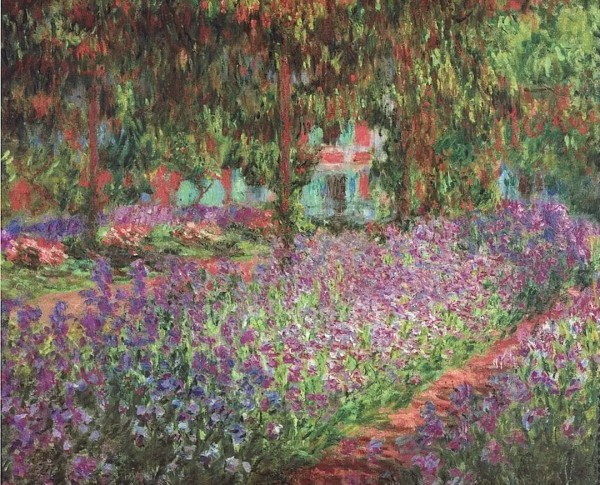
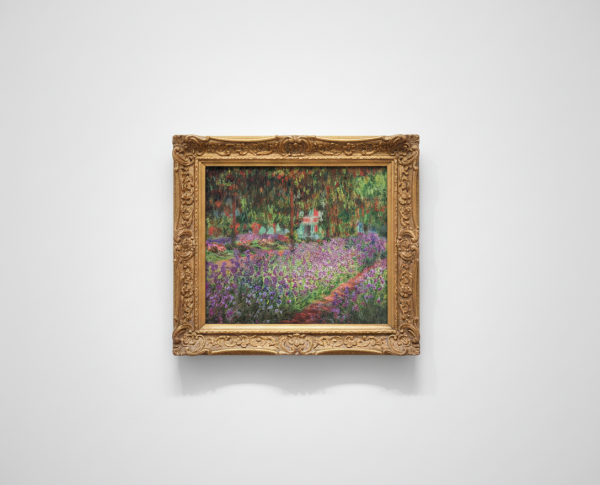
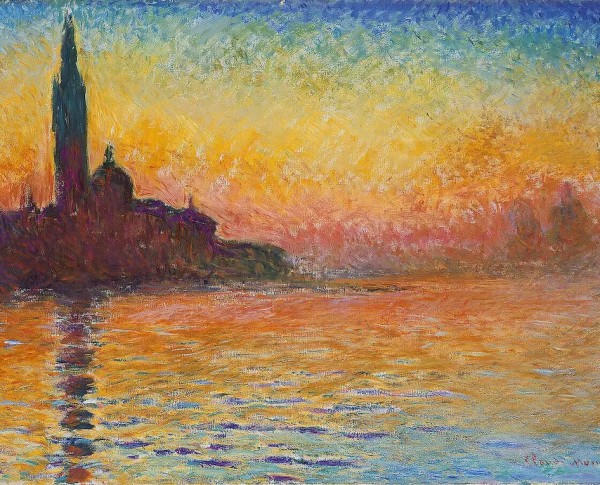
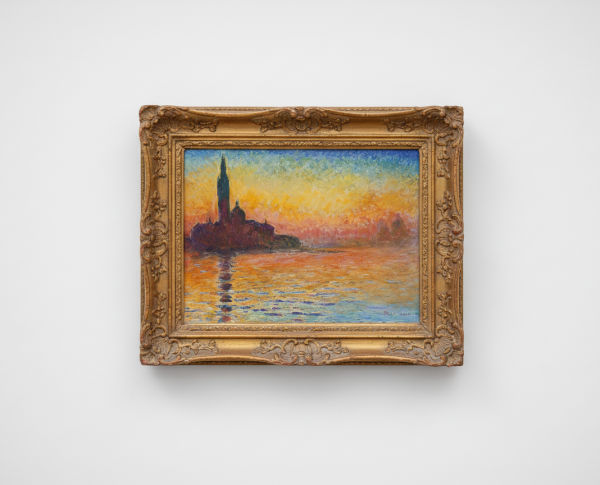
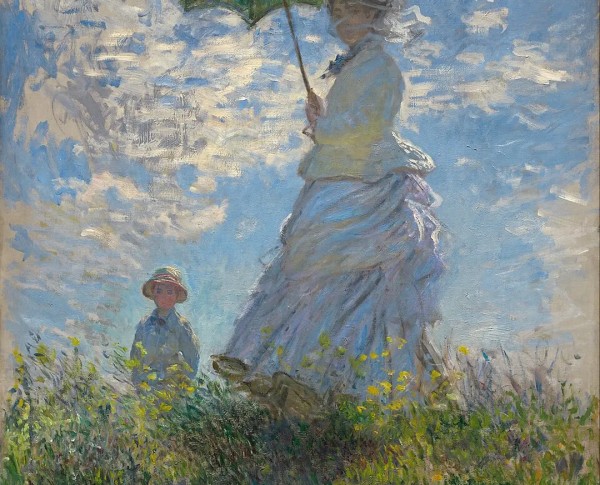
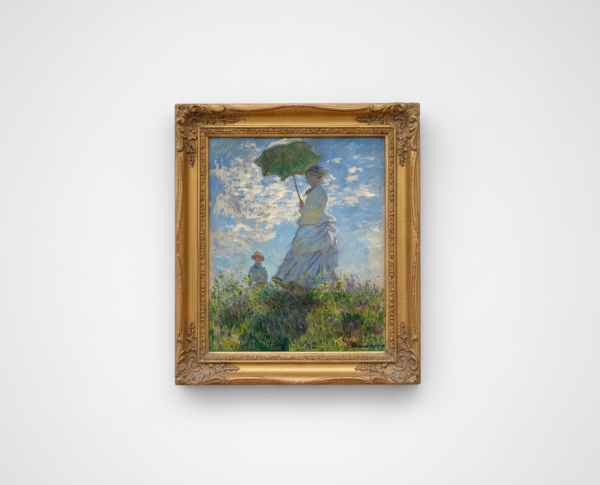
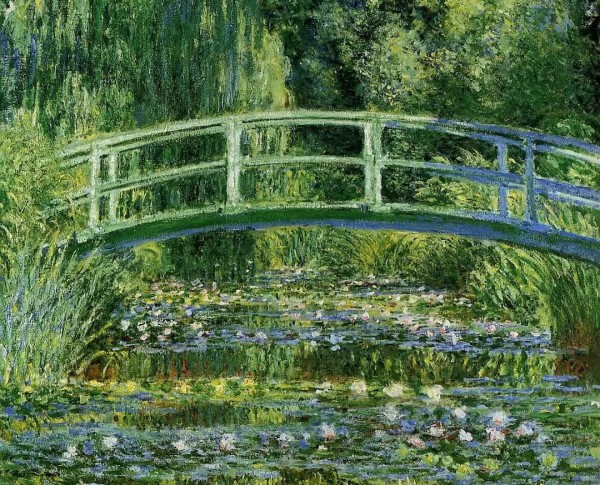
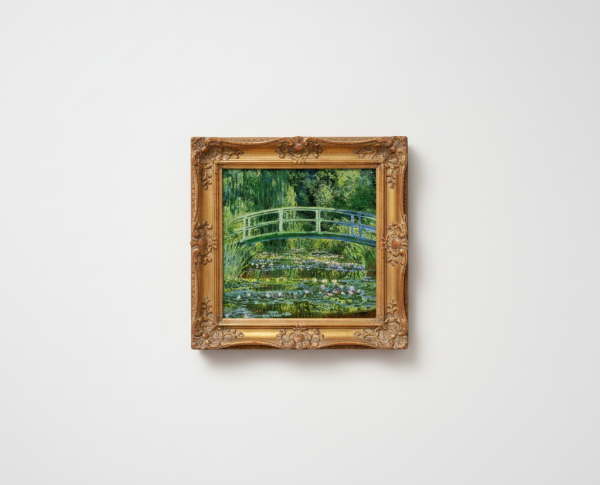
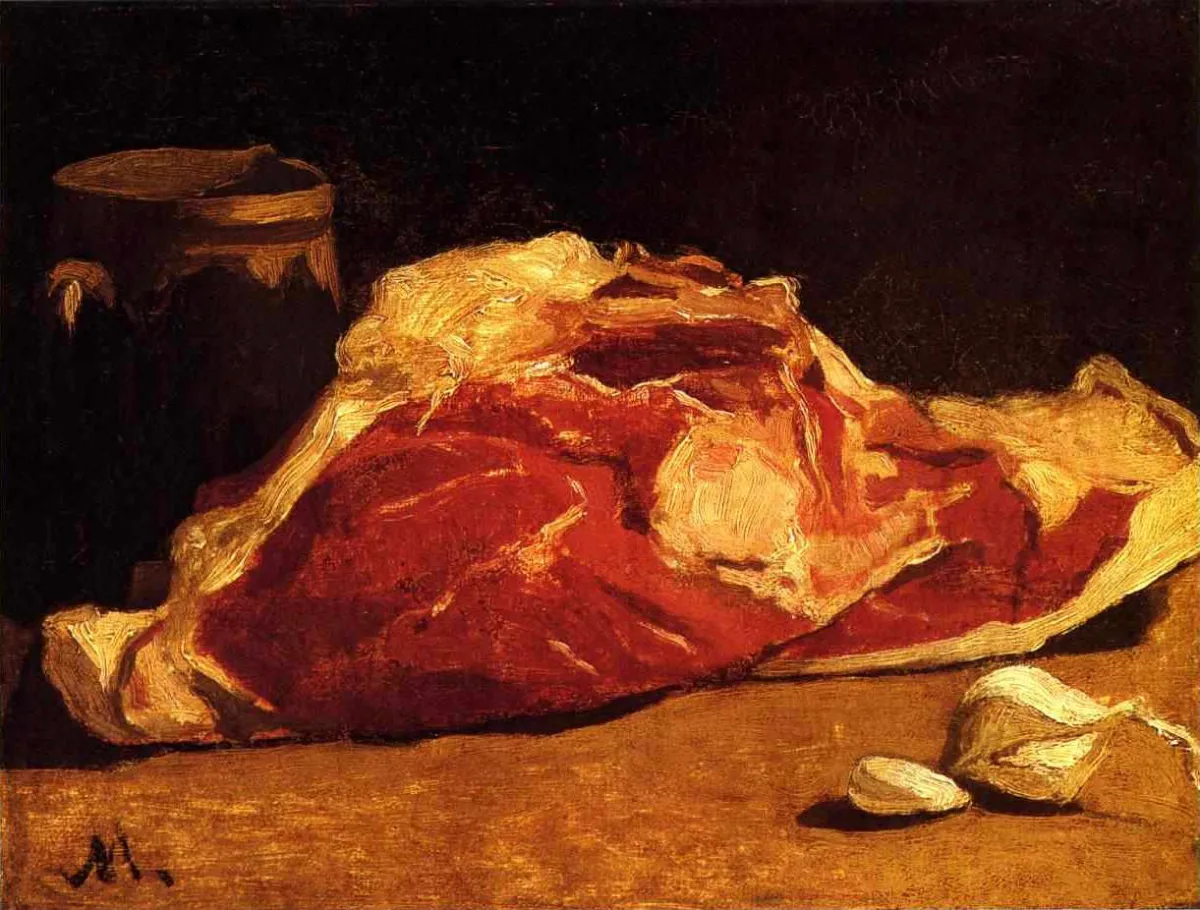
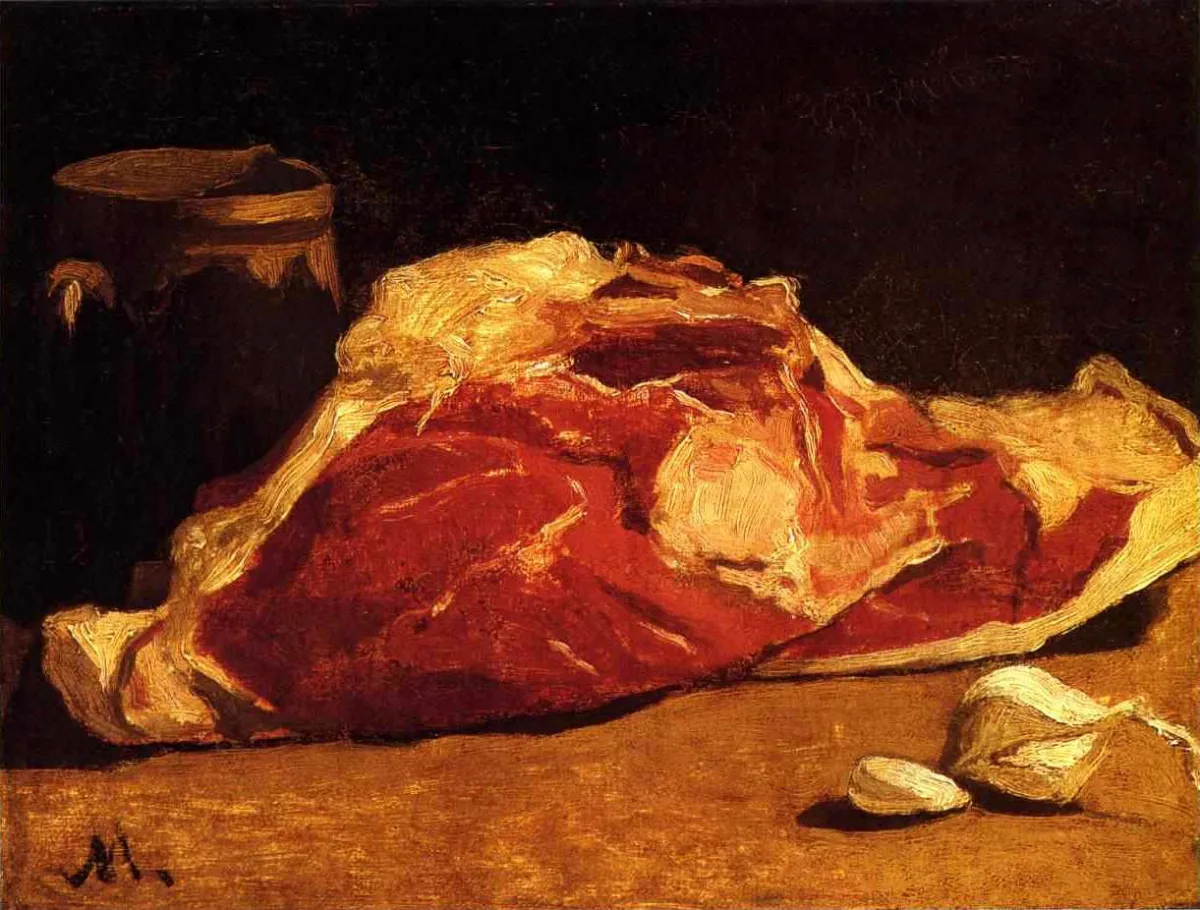
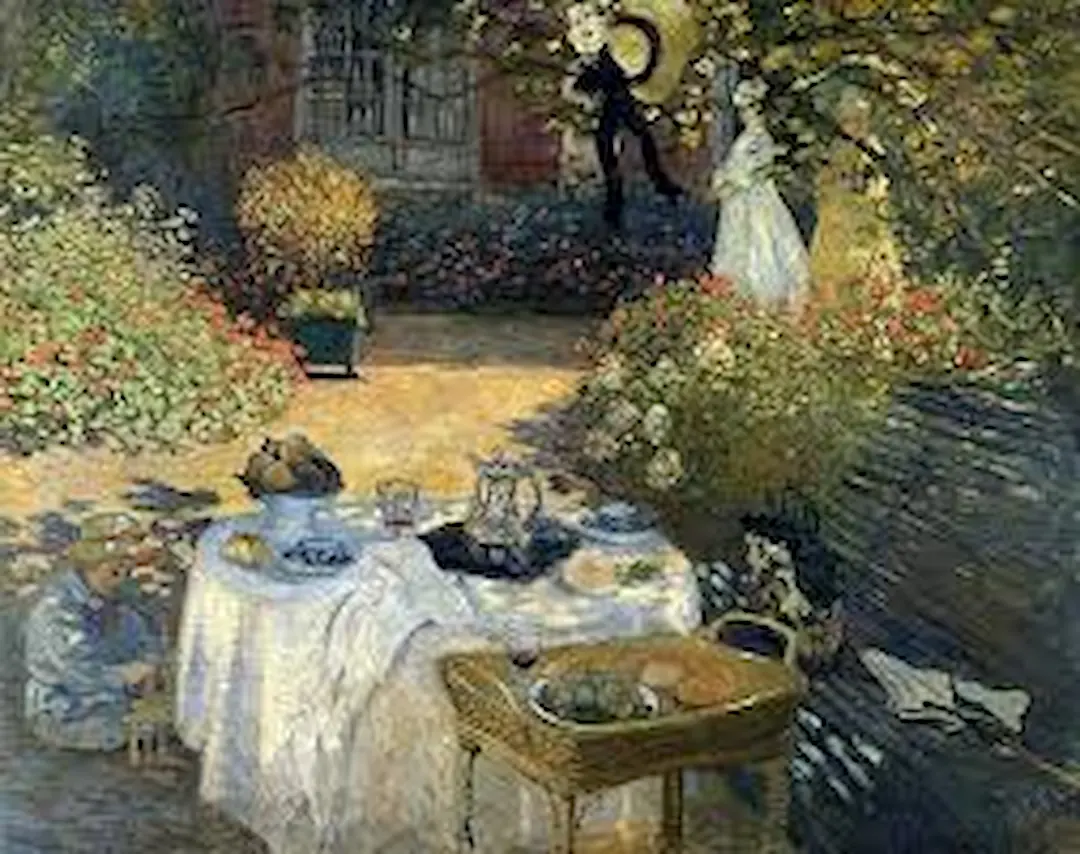
Claude Monet’s "Still life with flesh" exemplifies his remarkable skill with oil on canvas. Each brushstroke reveals the artist’s dedication to Impressionism, blending color and movement with unmatched precision. The painting’s tactile quality invites viewers to appreciate Monet’s mastery, just as seen in related pieces like "Lighthouse at the Hospice" and "Hauling a Boat Ashore, Honfleur." For collectors, this oil on canvas work is a testament to Monet’s enduring influence in the art world.
Within "Still life with flesh," Monet weaves a narrative rich with symbolism, characteristic of his Impressionist style. This fine art painting for sale captures the fleeting beauty of everyday objects, inviting viewers to contemplate deeper meanings. Monet’s attention to light and shadow connects this piece to his other works, such as "Road in a Forest Fontainebleau" and "Farm near Honfleur," making it a conversation starter for any collection of Impressionist masterpieces.
For art enthusiasts seeking a remarkable addition, "Still life with flesh" by Claude Monet is a fine art painting for sale that embodies the essence of Impressionism. Its vibrant composition complements other Monet masterpieces like "Wild Poppies, Near Argenteuil." Owning this painting not only elevates a collection but also honors the timeless legacy of Monet’s hand-painted oil paintings, cherished by collectors and admirers of exquisite oil on canvas artworks.
When Art Meets History
"Still life with flesh" by Claude Monet is a remarkable example of the Impressionism movement, a period that revolutionized the world of art. This hand-painted oil painting captures a moment in time, reflecting both the traditions and innovations of late 19th-century France. Monet, known for masterpieces like "The Fisherman" and "Spring Bouquet," used his canvas to bridge the gap between classical still lifes and the modern vision of Impressionism, making this piece a significant historical artifact.
Techniques That Speak
Claude Monet’s mastery of oil on canvas is evident in "Still life with flesh." The brushwork demonstrates the vibrant, fleeting qualities characteristic of Impressionism, using light and color to evoke mood. Monet’s technique, similar to that found in "Chapel on the Láchar estate" and "Umbrellas," brings a sense of immediacy and life to the scene. Each stroke in this oil on canvas painting reveals Monet’s dedication to exploring new artistic avenues within the Impressionist movement.
Emotions on Display
The emotional resonance of "Still life with flesh" is undeniable, as Monet invites viewers to experience the richness and subtlety of everyday moments. This fine art painting for sale demonstrates how Impressionism conveys not just what is seen, but what is felt. Like "The Bellelli Family," Monet’s composition captures both tranquility and vibrancy, infusing the ordinary with profound meaning and making his work a sought-after addition to any collection of fine art.
Coveted by Collectors
Collectors worldwide prize "Still life with flesh" by Claude Monet, recognizing its unique place within the Impressionism movement. As a hand-painted oil painting, it stands alongside works like "Spring Bouquet" and "Umbrellas" as a testament to Monet’s enduring influence. The painting’s historical significance and masterful technique make it a fine art painting for sale that appeals to both seasoned collectors and those new to the world of Impressionist art.
Related Impressionism Hand-Painted Oil Paintings by Other Artists
Other Famous Impressionism Artists:
Frequently Asked Questions About Still life with flesh
What is the historical context of "Still life with flesh"?
"Still life with flesh" was created during the late 19th century, a period marked by the rise of Impressionism, which sought to capture the effects of light and color in everyday subjects. Monet, a leading figure of this movement, often explored themes of nature and the human experience in his works.
What artistic techniques did Monet employ in this painting?
Monet utilized loose brushwork and a vibrant color palette to convey the interplay of light and shadow. His technique of layering colors and using quick, expressive strokes creates a sense of immediacy and movement within the still life composition.
What symbolism can be found in "Still life with flesh"?
The juxtaposition of flesh with other elements in the still life may symbolize the transient nature of life and the inevitability of decay. This theme is common in still life paintings, where the inclusion of perishable items serves as a reminder of mortality.
How does "Still life with flesh" reflect Monet's artistic philosophy?
This painting reflects Monet's belief in capturing the essence of a moment rather than adhering to strict realism. By focusing on the sensory experience of the scene, he invites viewers to engage with the artwork on an emotional level.
In what ways does this work differ from traditional still life paintings?
Unlike traditional still life paintings that often emphasize meticulous detail and composition, Monet's approach is more spontaneous and fluid. He prioritizes the effects of light and color over precise representation, which is characteristic of the Impressionist movement.
What elements are commonly found in Monet's still life works?
Monet often includes natural elements such as flowers, fruits, and vegetables, as well as human-made objects. In "Still life with flesh," the inclusion of flesh adds a layer of complexity, inviting contemplation on the relationship between nature and human existence.
How does "Still life with flesh" fit into Monet's overall body of work?
This painting represents a lesser-known aspect of Monet's oeuvre, showcasing his versatility beyond landscapes. It highlights his ability to explore different subjects while maintaining his signature style, contributing to the broader narrative of Impressionism.
What influence did "Still life with flesh" have on later artists?
The painting influenced subsequent generations of artists who sought to explore the boundaries of still life and the use of color and light. Monet's innovative approach encouraged artists to experiment with abstraction and emotional expression in their work.
What role does color play in "Still life with flesh"?
Color plays a pivotal role in this painting, as Monet uses it to evoke mood and atmosphere. The vibrant hues and contrasts not only enhance the visual appeal but also serve to convey deeper emotional undertones associated with the subject matter.
How has "Still life with flesh" been received by art critics over the years?
Art critics have praised "Still life with flesh" for its innovative approach and emotional depth. While it may not be as widely recognized as Monet's landscapes, it is acknowledged as an important work that showcases his mastery of light and form in still life compositions.






















_GFM_Painting_(1).webp)


 100% Hand-Painted: Finished in 3-6 Weeks

.png)















_(1).webp)