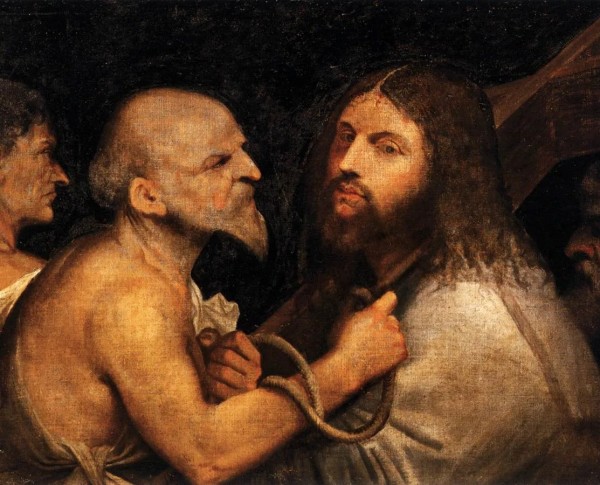
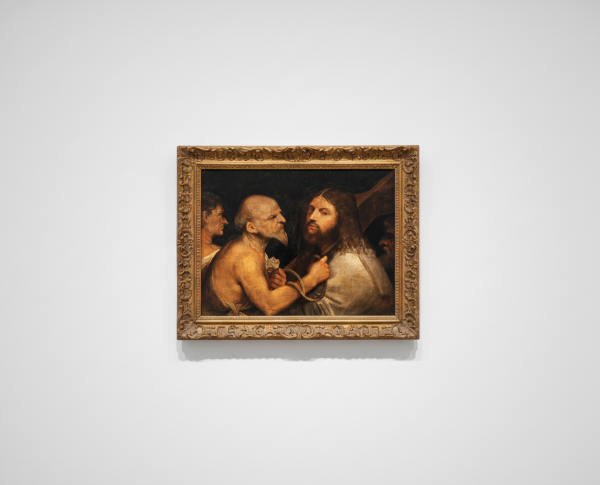
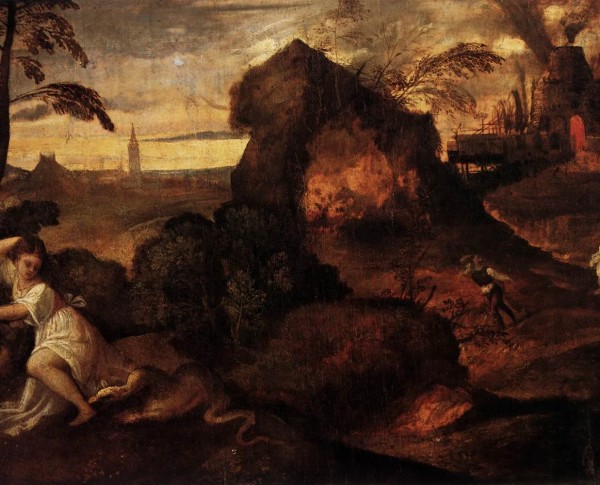
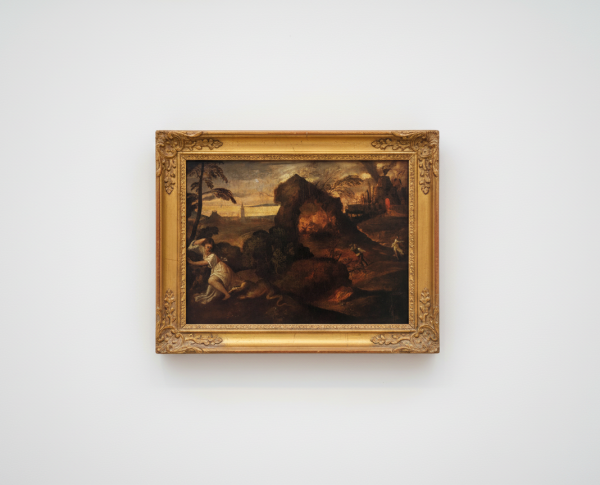
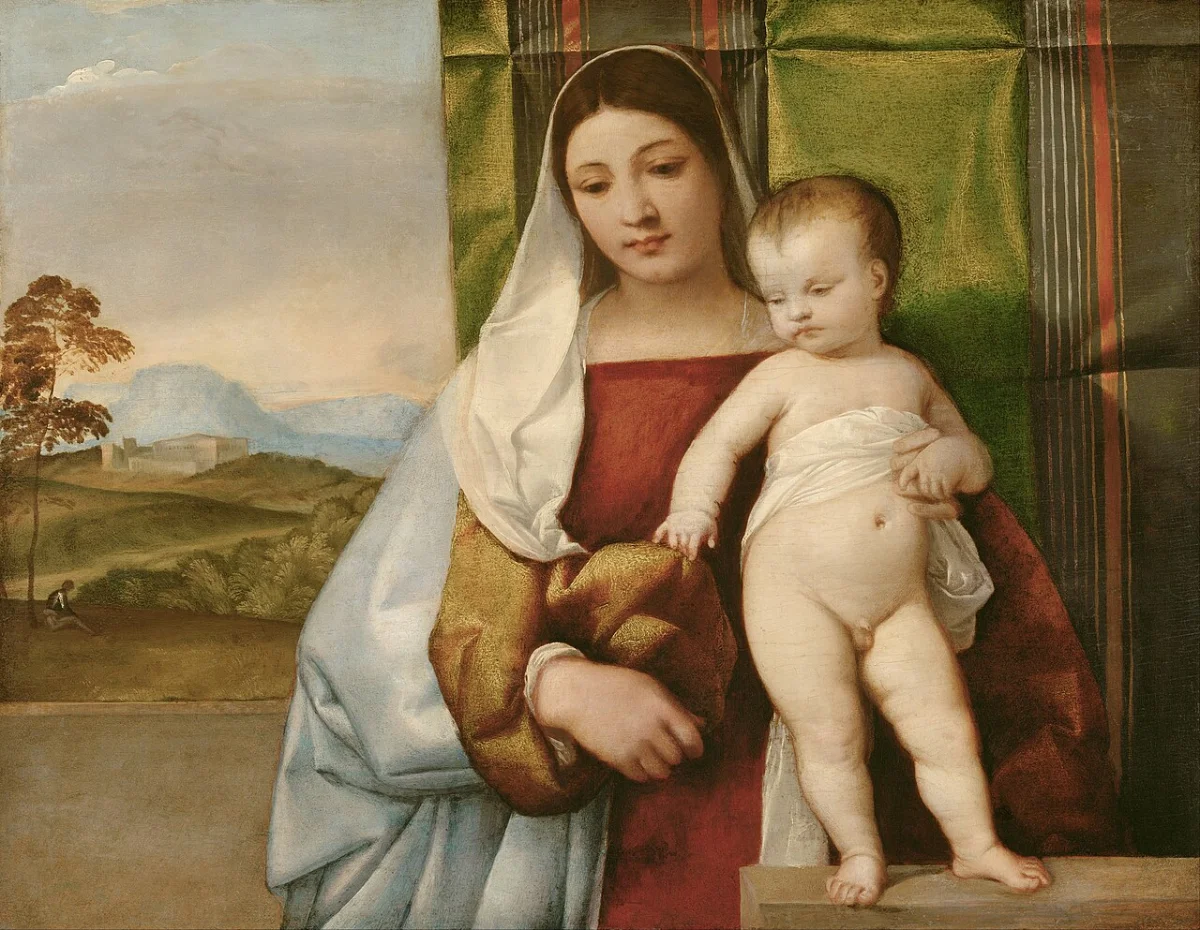
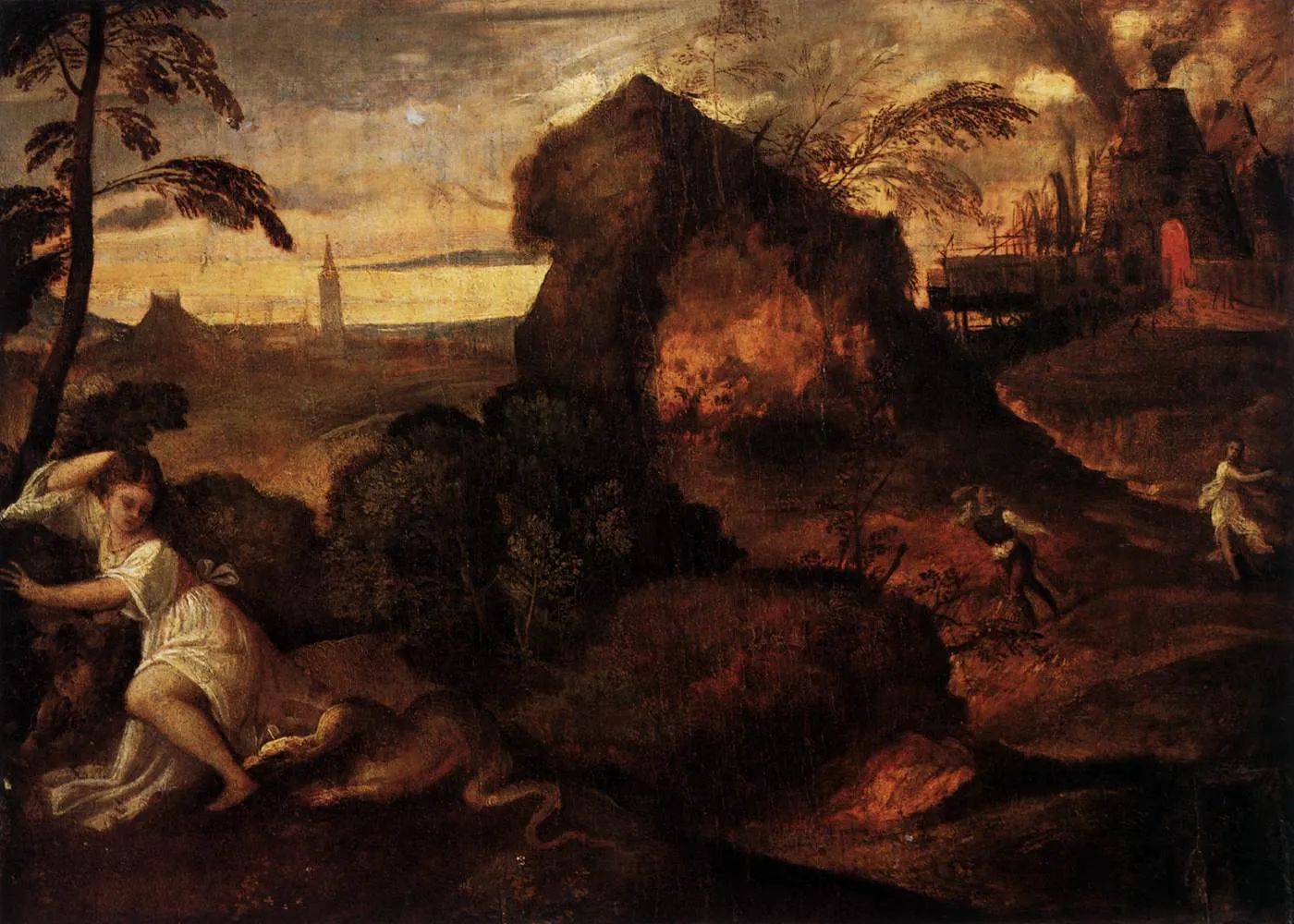
Expertly rendered in oil on canvas, "The Gipsy Madonna" showcases Tiziano Vecelli’s unparalleled skill in blending color, light, and texture. The Renaissance master’s technique brings lifelike vibrancy to the Madonna’s gentle expression and the delicate folds of her garment. Art lovers will notice similar mastery in works like "Madonna and Child with Sts Anthony of Padua and Roch" and "Orpheus and Eurydice," making these paintings coveted additions to any collection.
Every element in "The Gipsy Madonna" is rich with meaning, from the Madonna’s serene gaze to the subtle gestures that evoke Renaissance symbolism. Tiziano Vecelli weaves narrative and emotion into this fine art painting for sale, inviting viewers to uncover layers of spiritual and cultural significance. Those drawn to symbolic storytelling may also appreciate "Mary with the Child and Saints" and "The Holy Family with a Shepherd," both celebrated for their profound iconography.
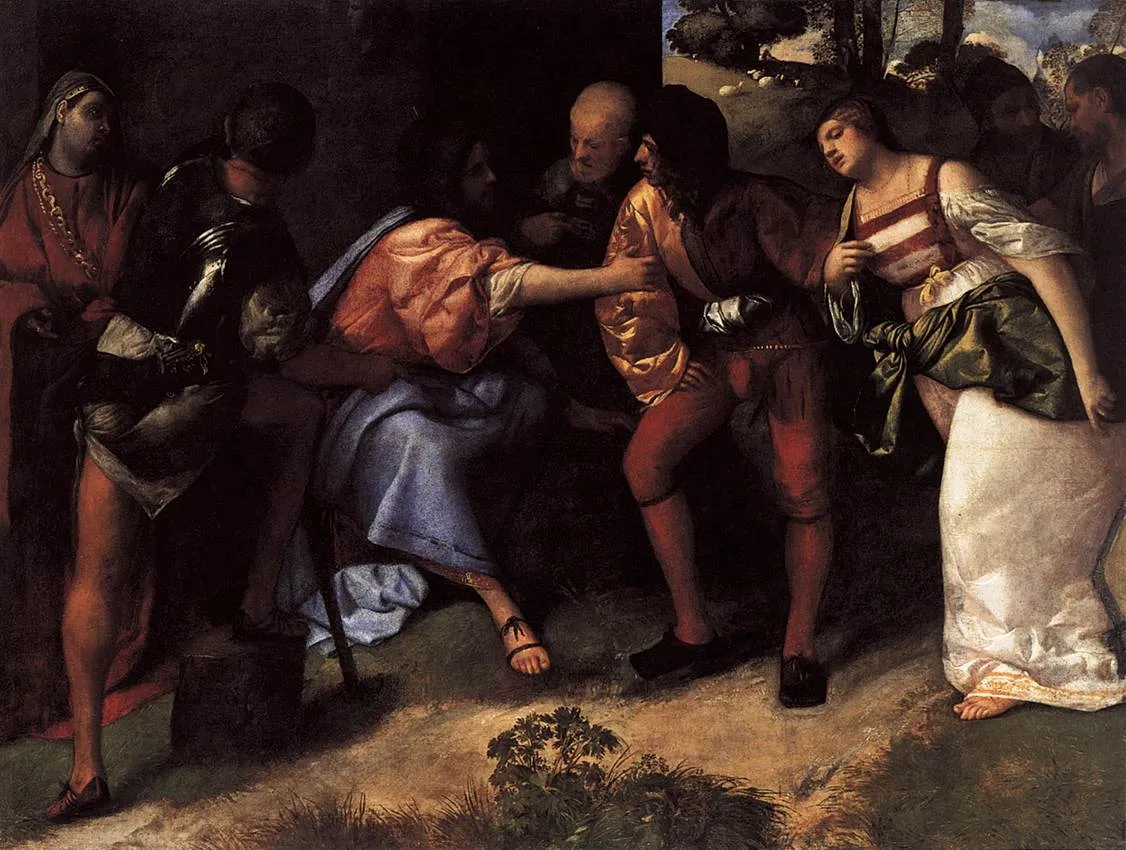
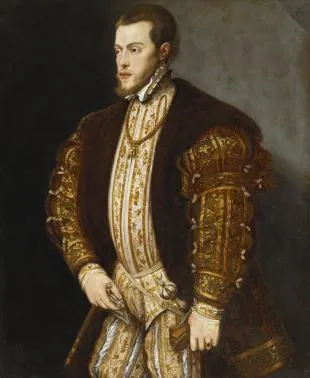
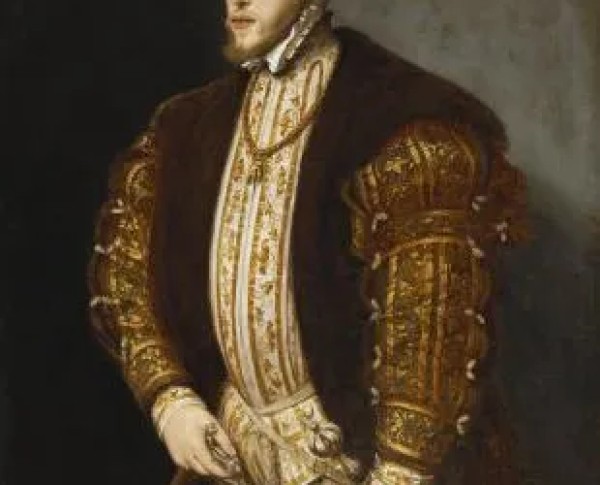
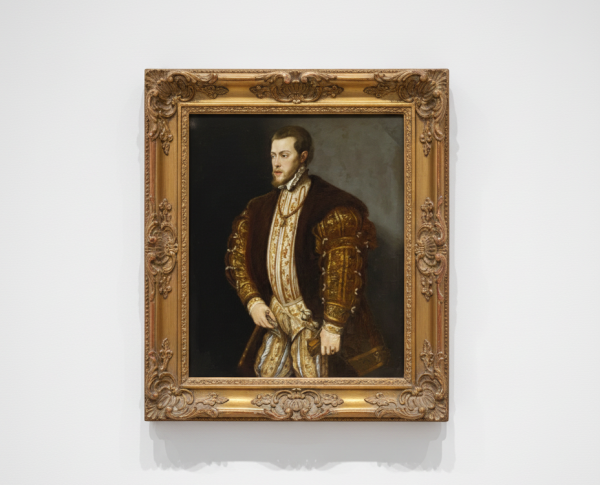
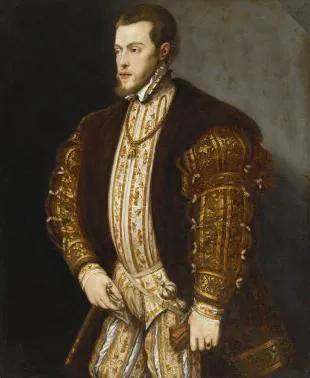
"The Gipsy Madonna" remains a sought-after piece for collectors who value the legacy of Renaissance art and authentic hand-painted oil painting. Tiziano Vecelli’s masterwork is often featured alongside related treasures like "Christ and the Adulteress" and "Philip II of Spain," making it an essential acquisition for any fine art enthusiast. Such works not only enhance private collections but also embody the timeless allure of Renaissance creativity.
When Art Meets History
"The Gipsy Madonna" by Tiziano Vecelli, a celebrated figure of the Renaissance movement, captures a pivotal era where art and history intertwined seamlessly. This hand-painted oil painting exemplifies the refined aesthetic and cultural shifts of 16th-century Venice. Vecelli’s mastery is echoed in related works such as "Bathsheba at Her Bath" and "The Vision of St Helena," all contributing to the enduring legacy of Renaissance masterpieces that continue to inspire scholars and art lovers alike.
Techniques That Speak
Tiziano Vecelli’s "The Gipsy Madonna" showcases his innovative approach to oil on canvas, a hallmark of Renaissance artistry. The artist’s delicate layering and vibrant color palette bring the Madonna’s gentle expression to life, making the scene both intimate and grand. Techniques evident in related paintings like "St Luke" and "Conversion of Mary Magdalene" reveal Vecelli’s skillful manipulation of light and shadow, further cementing his reputation as a master of oil on canvas techniques.
Emotions on Display
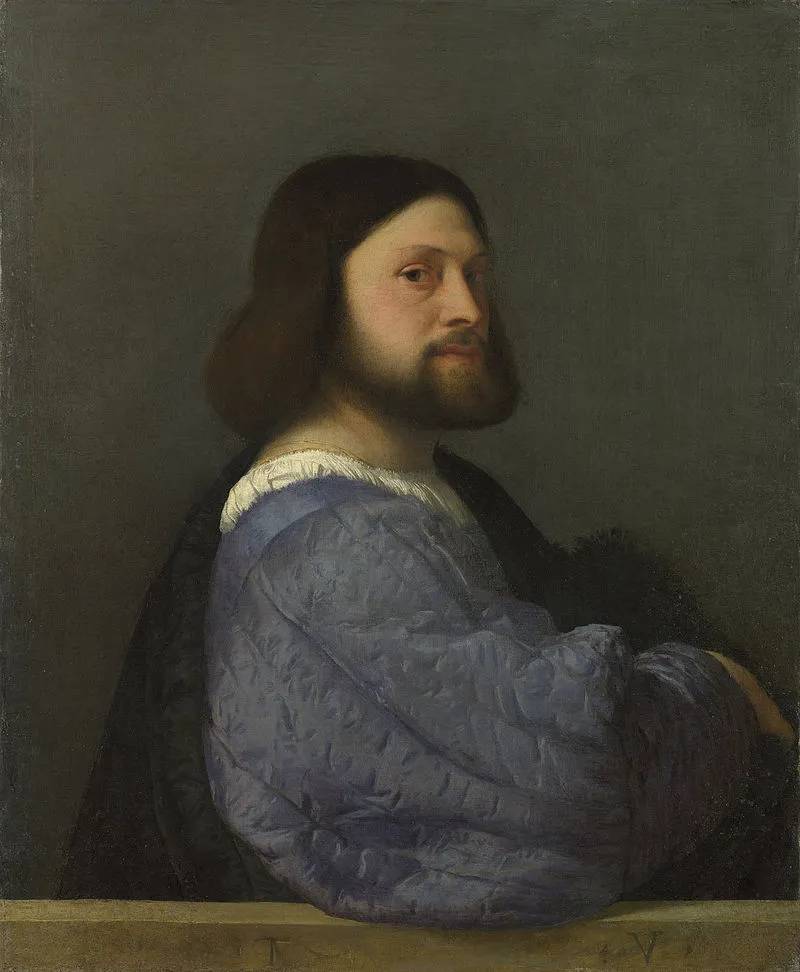
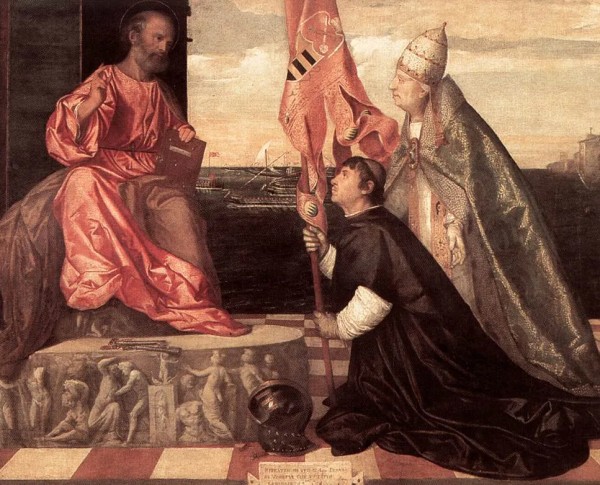
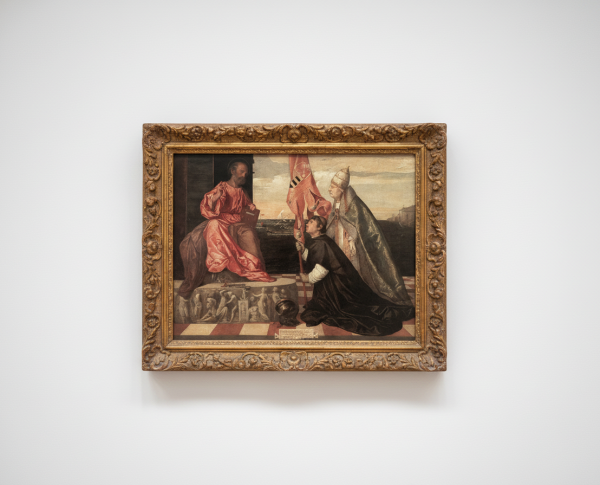
In "The Gipsy Madonna," Tiziano Vecelli evokes profound emotion through subtle gestures and serene gazes, hallmarks of Renaissance portraiture. The fine art painting for sale draws viewers into the Madonna’s tranquil world, inviting contemplation and reverence. Similar emotional depth can be found in Vecelli’s works such as "Iseppo and Adriano da Porto," where human sentiment is rendered with remarkable sensitivity, making each composition resonate across generations.
Coveted by Collectors
As a quintessential example of Renaissance brilliance, "The Gipsy Madonna" by Tiziano Vecelli remains highly sought after by collectors worldwide. Owning such a hand-painted oil painting is a testament to refined taste and appreciation for historical art. Collectors often pursue related masterpieces like "Bathsheba at Her Bath" and "The Vision of St Helena," recognizing the enduring value and prestige that comes with acquiring a Tiziano Vecelli fine art painting for sale.
Related Renaissance Hand-Painted Oil Paintings by Other Artists
Other Famous Renaissance Artists:
Frequently Asked Questions About The Gipsy Madonna
What is the historical context of The Gipsy Madonna?
The Gipsy Madonna was painted by Tiziano Vecelli, commonly known as Titian, during the early 16th century, a time marked by the Renaissance's flourishing of art and culture in Italy. This period saw a revival of classical themes and an emphasis on human emotion and naturalism.
What are the main artistic techniques used in The Gipsy Madonna?
In The Gipsy Madonna, Titian employs oil painting techniques that allow for rich color saturation and dynamic brushwork. His use of chiaroscuro enhances the three-dimensionality of the figures, while the vibrant palette captures the viewer's attention and evokes emotional depth.
What is the significance of the Madonna and Child in this painting?
The Madonna and Child are central figures in Christian iconography, symbolizing maternal love and divine grace. In this painting, the portrayal of the Madonna as a gypsy adds layers of meaning, suggesting themes of universality and the acceptance of marginalized figures in society.
How does Titian's style in The Gipsy Madonna compare to other works of his?
In The Gipsy Madonna, Titian's characteristic use of color and light is evident, similar to his other masterpieces. However, this work showcases a more intimate and personal approach, focusing on the emotional bond between the figures, which is a hallmark of his later style.
What symbols are present in The Gipsy Madonna?
Key symbols in The Gipsy Madonna include the Madonna's attire, which reflects her cultural identity, and the child, representing innocence and purity. The setting and objects surrounding them may also carry symbolic meanings related to protection and maternal care.
What influences did Titian draw upon for The Gipsy Madonna?
Titian was influenced by both classical art and the emerging Mannerist style of his time. The Gipsy Madonna reflects these influences through its idealized forms and emotional expressiveness, merging traditional religious themes with contemporary cultural elements.
What is the significance of the gypsy portrayal of the Madonna?
The portrayal of the Madonna as a gypsy challenges the conventional representations of religious figures, suggesting themes of inclusion and the celebration of diverse cultural identities. It invites viewers to reconsider societal norms and the universality of motherhood.
How has The Gipsy Madonna been received by art critics over time?
Over the years, The Gipsy Madonna has been praised for its emotional depth and innovative approach to religious themes. Critics have noted Titian's ability to blend realism with idealism, making this work a significant contribution to Renaissance art.
What role does light play in The Gipsy Madonna?
Light in The Gipsy Madonna serves to highlight the figures and create a sense of depth and atmosphere. Titian's masterful manipulation of light enhances the emotional impact of the scene, drawing the viewer's focus to the intimate interaction between the Madonna and Child.
Where can I view The Gipsy Madonna today?
The Gipsy Madonna is housed in a prominent art collection, where it continues to be a focal point for discussions about Titian's work and the broader themes of the Renaissance. Visitors can appreciate its historical and artistic significance in person.























_GFM_Painting_(1).webp)


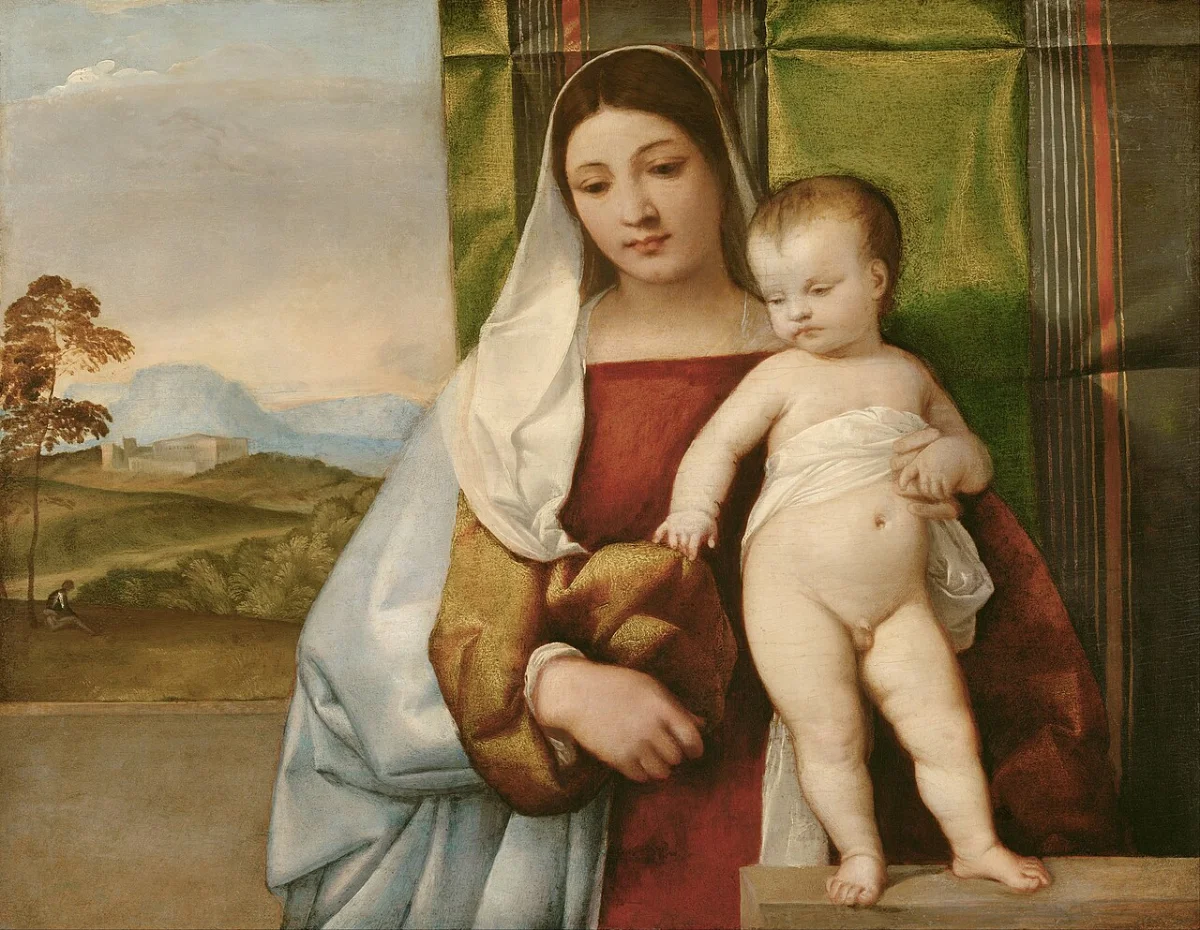
 100% Hand-Painted: Finished in 3-6 Weeks

.png)
















_(1).webp)