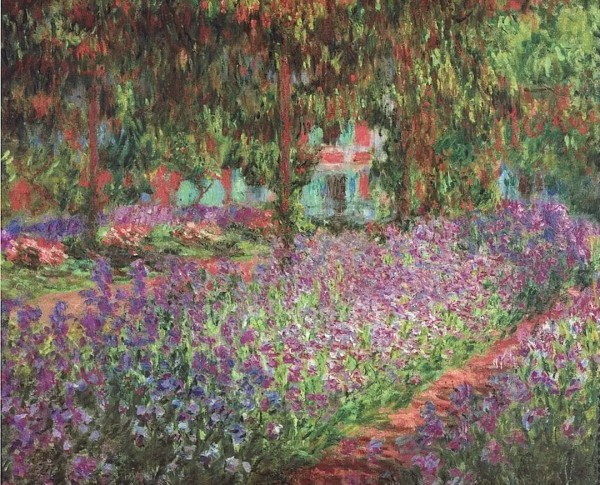
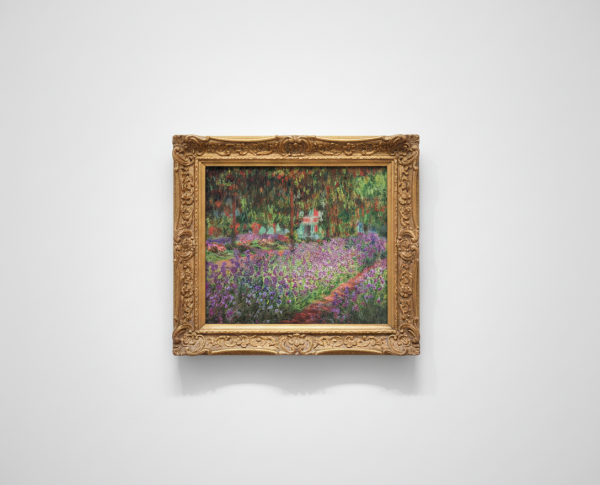
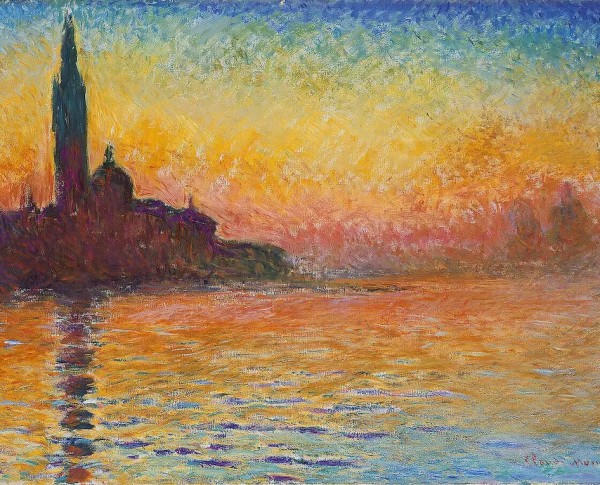
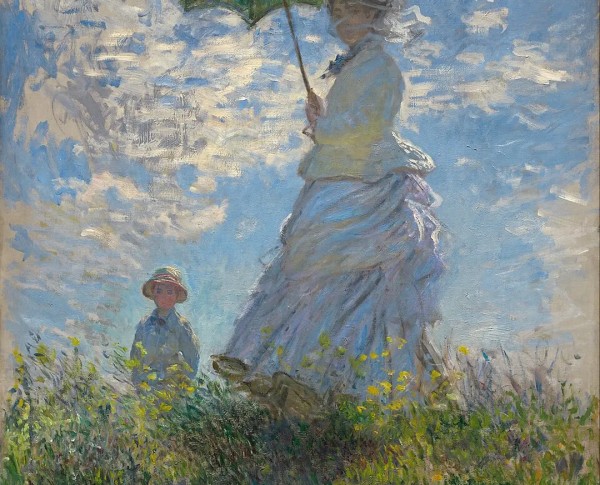
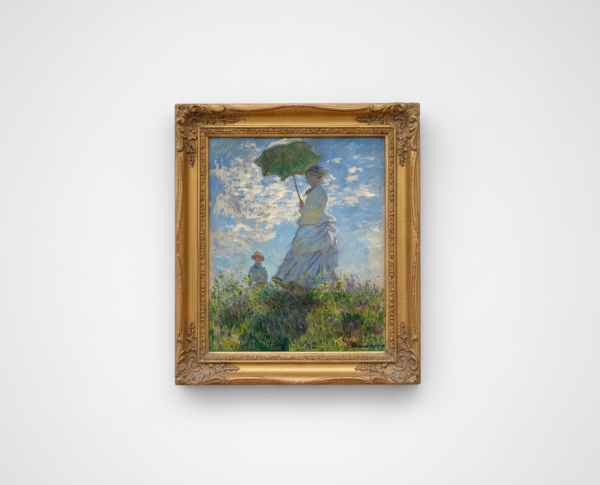
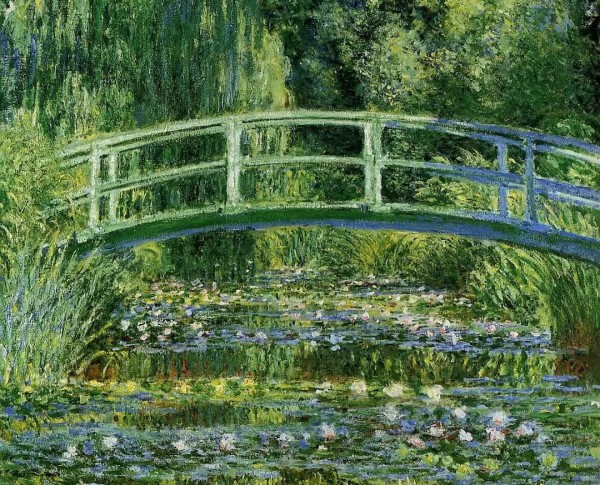
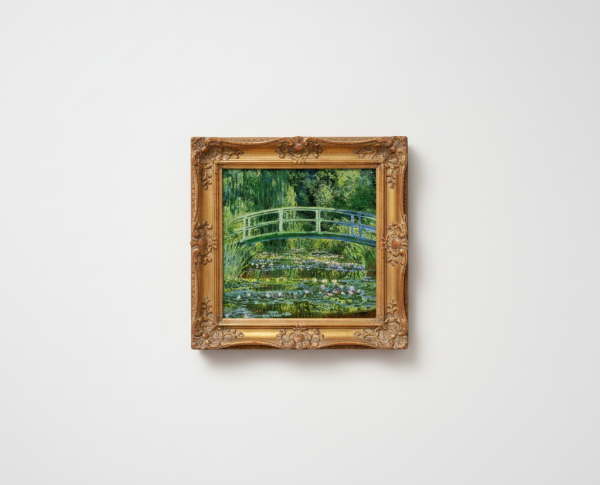
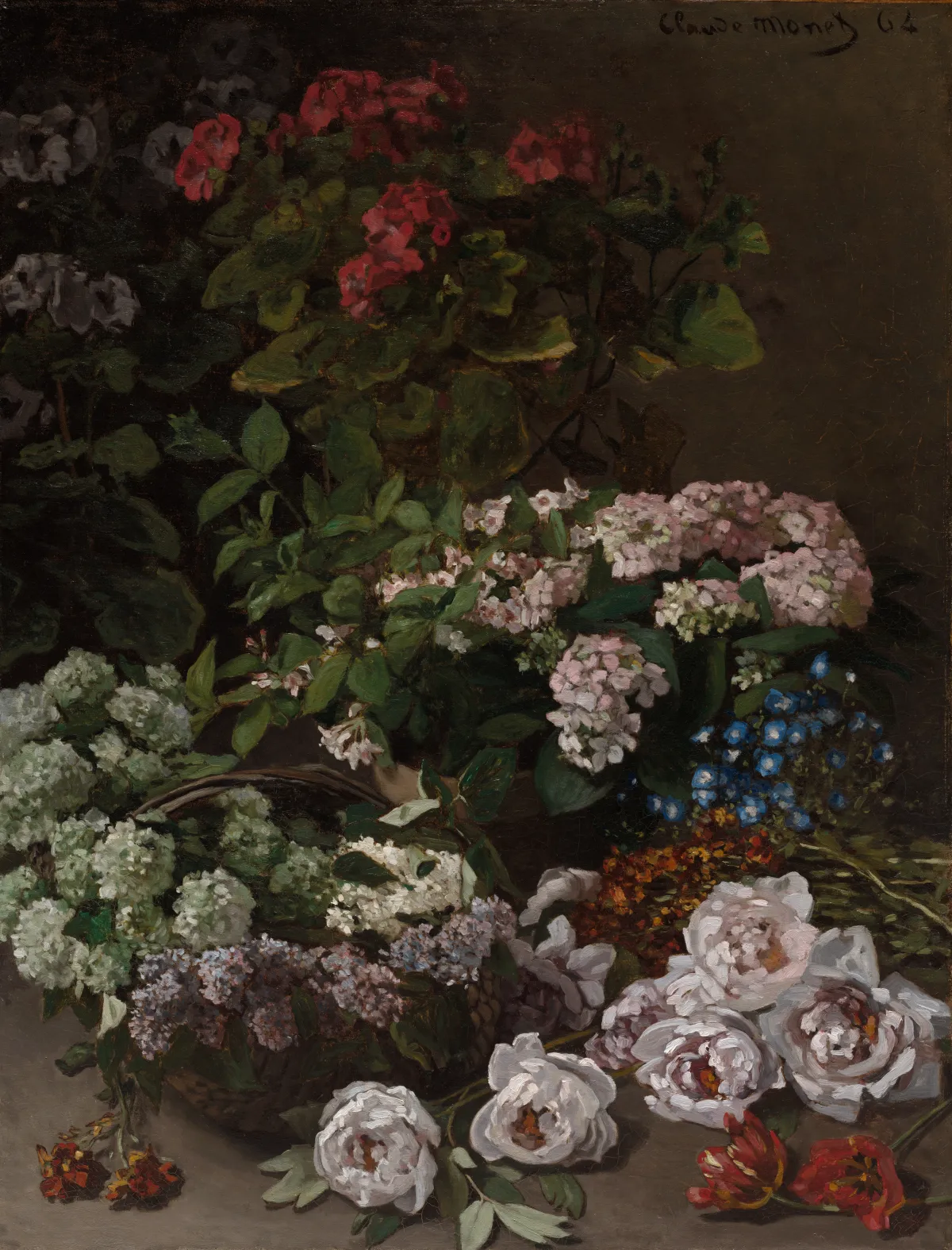
Monet’s expertise shines through in "Spring Flowers," where every brushstroke contributes to the painting’s ethereal quality. The artist’s renowned technique in oil on canvas brings forth the vibrant essence of blooming flowers, making the scene come alive. As a pioneer of Impressionism, Monet’s unique approach is evident here, paralleling his works such as "A Farmyard in Normandy" and "Camille," which also exemplify his mastery of color and light.
"Spring Flowers" is more than a fine art painting for sale—it’s a celebration of renewal and the passage of time. Monet’s use of color and composition in this Impressionist piece invites viewers to interpret the subtle stories hidden among the petals. Fans of Monet’s symbolic storytelling will also appreciate related paintings like "Water Lily Pond" and "A Corner of the Studio," which echo similar themes of nature and introspection within the Impressionism movement.
Owning "Spring Flowers" by Claude Monet means possessing a hand-painted oil painting that embodies the spirit of Impressionism. This exquisite artwork is highly sought after by collectors who value both historical significance and aesthetic beauty. For those looking to expand their collection, complementary pieces such as "Still Life With Bottles," "Camille," and "A Corner of the Studio" offer further opportunities to enjoy Monet’s timeless vision within the world of fine art.
When Art Meets History
"Spring Flowers" by Claude Monet is a hand-painted oil painting that beautifully encapsulates the spirit of the Impressionism movement. Created during a period when artists sought to capture fleeting moments and the play of natural light, this masterpiece stands alongside renowned works such as "Le Café-concert aux ambassadeurs" and "Dance At The Moulin De La Galette." Monet’s innovative approach helped redefine art history and continues to inspire both collectors and admirers of Impressionist paintings worldwide.
Techniques That Speak
Claude Monet’s "Spring Flowers" demonstrates his masterful use of oil on canvas, a technique that allows for vibrant colors and expressive brushwork. This method, also seen in his related pieces like "Les orangers" and "Sad Inheritance," enables Monet to create a sense of movement and life within his floral compositions. The visible brushstrokes and layered textures are hallmarks of the Impressionism movement, making the painting a prime example of Monet’s revolutionary artistic vision.
Emotions on Display
Through "Spring Flowers," Monet evokes the freshness and vitality of springtime, inviting viewers to experience the beauty and renewal of nature. The fine art painting for sale captures the artist’s emotional connection to his surroundings, much like "Madame Georges Charpentier and her Children." Monet’s use of color and light creates a joyful, uplifting mood, reflecting the Impressionist desire to depict the transient and emotive qualities of everyday scenes.
Coveted by Collectors
As a sought-after hand-painted oil painting, "Spring Flowers" is highly prized among art collectors and enthusiasts of Impressionism. Its connection to other celebrated works by Claude Monet, such as "Les orangers" and "Dance At The Moulin De La Galette," increases its desirability and value. The painting’s exquisite technique and historical significance ensure it remains a cherished addition to any collection of fine art painting for sale from the Impressionist era.
Related Impressionism Hand-Painted Oil Paintings by Other Artists
Other Famous Impressionism Artists:
Frequently Asked Questions About Spring Flowers
What is the historical context of Claude Monet's "Spring Flowers"?
"Spring Flowers" was created during the late 19th century, a period marked by the Impressionist movement, which sought to capture the fleeting effects of light and color in nature. Monet, a leading figure of this movement, painted this work around the time when he was exploring the themes of seasonal change and the beauty of the natural world.
What artistic techniques did Monet employ in "Spring Flowers"?
In "Spring Flowers," Monet utilized loose brushwork and vibrant colors to convey the essence of spring. His technique of layering paint allowed for a dynamic representation of light and shadow, creating a sense of depth and movement within the floral composition.
What symbolism is present in "Spring Flowers"?
The flowers in this painting symbolize renewal and the beauty of nature's cycle. Spring is often associated with rebirth and hope, reflecting Monet's appreciation for the natural world and his desire to convey the emotional response it evokes.
How does "Spring Flowers" reflect Monet's Impressionist style?
"Spring Flowers" exemplifies Monet's Impressionist style through its emphasis on capturing the momentary effects of light and color. The painting's vibrant palette and spontaneous brushstrokes invite viewers to experience the scene as if they were present in that fleeting moment.
What influences can be seen in Monet's "Spring Flowers"?
Monet was influenced by Japanese art, particularly in his use of color and composition. The arrangement of flowers in "Spring Flowers" reflects a sense of harmony and balance, reminiscent of traditional Japanese aesthetics, which Monet admired and incorporated into his work.
What role does color play in "Spring Flowers"?
Color plays a pivotal role in "Spring Flowers," as Monet employs a bright and varied palette to evoke the vibrancy of spring. The use of contrasting colors enhances the visual impact of the flowers, drawing the viewer's eye and creating a sense of liveliness.
How does "Spring Flowers" compare to Monet's other works?
Compared to Monet's other works, "Spring Flowers" showcases his mastery of floral subjects and seasonal themes. While many of his paintings focus on landscapes or water scenes, this piece highlights his ability to capture the essence of flowers in a way that is both intimate and expansive.
What is the significance of the floral subject matter in Monet's work?
The floral subject matter in Monet's work, including "Spring Flowers," signifies his deep connection to nature and his belief in the therapeutic qualities of the natural world. Flowers often serve as a metaphor for beauty and transience, themes that are central to Impressionism.
How did "Spring Flowers" contribute to the evolution of modern art?
"Spring Flowers" contributed to the evolution of modern art by pushing the boundaries of traditional representation. Monet's innovative approach to color and light influenced subsequent art movements, encouraging artists to explore abstraction and emotional expression in their work.
What impact did "Spring Flowers" have on viewers during Monet's time?
During Monet's time, "Spring Flowers" captivated viewers with its fresh perspective on nature and its vibrant colors. The painting challenged conventional artistic norms and inspired a new appreciation for the beauty of everyday scenes, helping to establish the Impressionist movement's popularity.























_GFM_Painting_(1).webp)


 100% Hand-Painted: Finished in 3-6 Weeks

.png)















_(1).webp)