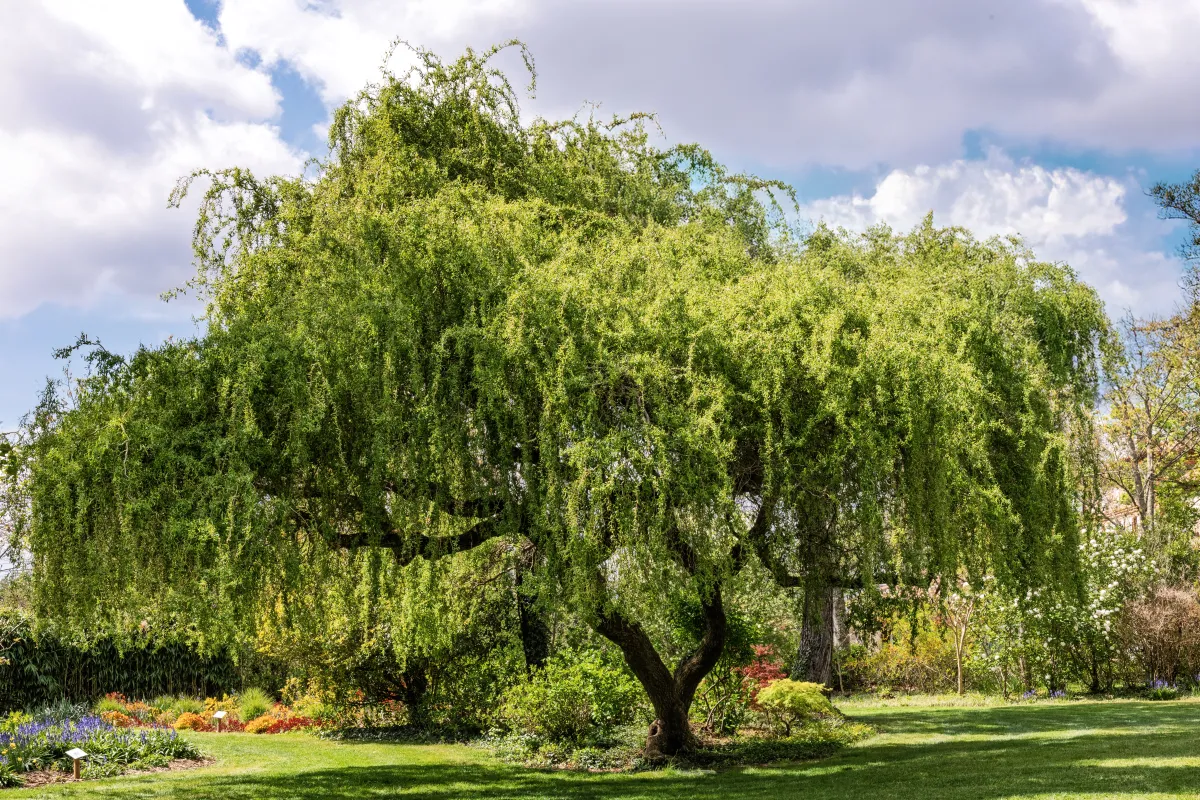
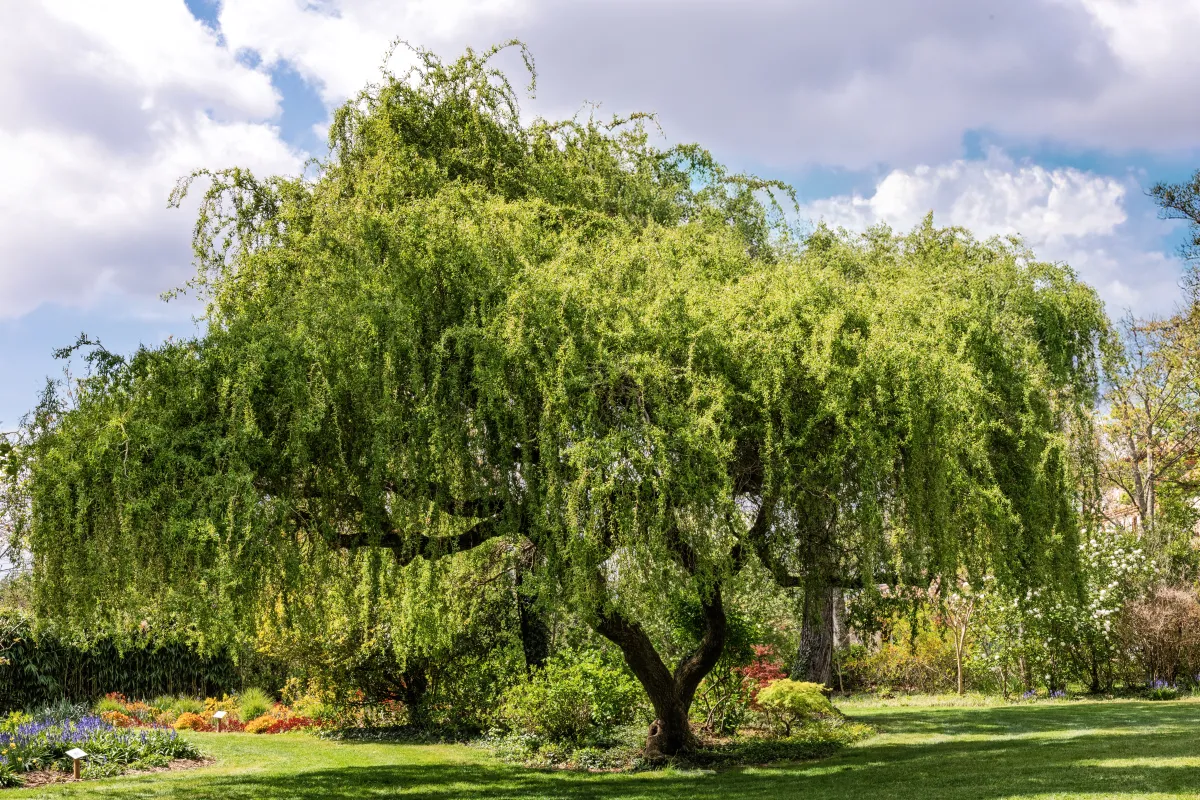
Monet’s expert use of oil on canvas in "Weeping Willow" highlights his signature Impressionist technique—dappled light, vibrant color, and dynamic composition. The painting’s sweeping forms and emotive palette draw viewers into a tranquil yet powerful scene. For admirers of Monet’s artistry, related products like "Still Life With Bottles" and "The Cliff Walk at Pourville" further showcase the mastery found in his celebrated works within the Impressionism movement.
Within "Weeping Willow," Monet weaves stories and symbols of resilience and sorrow, emblematic of the Impressionism movement’s focus on personal expression. This fine art painting for sale not only captures the beauty of nature but also the emotional landscape of its creator. Collectors intrigued by such narrative depth may also appreciate Monet’s "Water Lily Pond" and "Street of the Bavolle Honfleur," which similarly blend symbolism with artistic innovation.
"Weeping Willow" by Claude Monet remains a coveted piece for art collectors, embodying the essence of the Impressionism movement. As a hand-painted oil painting, it offers both aesthetic beauty and historical significance, making it a valuable addition to any collection. Those seeking to expand their galleries may consider related works such as "The Pointe of Heve" or "The Cliff Walk at Pourville," each exemplifying Monet’s timeless appeal in fine art.
When Art Meets History
"Weeping Willow" by Claude Monet, a masterwork of the Impressionism movement, was created during a turbulent era in France. Painted as World War I raged, Monet's "Weeping Willow" stands as a poignant tribute, capturing both personal grief and national sorrow. This hand-painted oil painting is part of Monet’s celebrated series, aligning with other iconic works like "The Fisherman" and "Vue de toits," reflecting the era's historical significance through expressive brushwork and atmospheric effects.
Techniques That Speak
Monet’s "Weeping Willow" showcases the artist’s renowned technique of rapid, expressive brushstrokes, a hallmark of Impressionism. Utilizing oil on canvas, Monet layered vibrant colors and varying textures to evoke the shimmering movement of willow leaves in the breeze. This approach, seen also in "Dance At Bougival" and "Two Sisters," creates a dynamic visual experience, immersing viewers in the fleeting beauty of nature. The oil on canvas medium enhances depth and luminosity, making each stroke resonate with emotion.
Emotions on Display
Claude Monet’s "Weeping Willow" is more than a fine art painting for sale—it is a window into the artist’s soul. Created during a period of personal sorrow, the painting’s somber tones and sweeping lines convey deep emotion and reflection. Like "Bal du moulin de la Galette," "Weeping Willow" expresses the raw feelings of its creator, allowing viewers to connect with the emotional landscape of Impressionism and experience the profound impact of nature and loss.
Coveted by Collectors
As with many masterpieces from the Impressionism movement, "Weeping Willow" by Claude Monet is highly sought after by collectors worldwide. Its status as a fine art painting for sale adds to its allure, sharing the spotlight with related treasures like "Two Sisters" and "Dance At Bougival." The painting’s historical significance, innovative technique, and emotional depth make it a prized possession, continually captivating art lovers and maintaining its value in prestigious collections.
Related Impressionism Hand-Painted Oil Paintings by Other Artists
Other Famous Impressionism Artists:
Frequently Asked Questions About Weeping Willow
What is the historical significance of "Weeping Willow" by Claude Monet?
"Weeping Willow" is significant as it reflects Monet's exploration of natural forms and his innovative use of color and light, characteristic of the Impressionist movement. Created during a period of personal turmoil, the painting also serves as a testament to Monet's emotional response to nature.
In what year was "Weeping Willow" painted?
"Weeping Willow" was painted in 1918, a time when Monet was deeply influenced by his surroundings and the emotional weight of World War I.
What artistic techniques did Monet employ in "Weeping Willow"?
Monet utilized loose brushwork and vibrant colors to convey the movement of the willow branches and the play of light on water. His technique emphasizes the ephemeral qualities of nature, a hallmark of Impressionism.
What symbolism is present in "Weeping Willow"?
The weeping willow tree often symbolizes mourning and reflection. In this painting, it may represent Monet's own grief and contemplation during a challenging period in his life, particularly following the loss of loved ones during the war.
How does "Weeping Willow" fit into the broader context of Monet's work?
"Weeping Willow" is part of Monet's later works, where he increasingly focused on emotional expression and the interplay of nature and light, moving beyond mere representation to evoke feelings and sensations.
What influences can be seen in Monet's "Weeping Willow"?
The painting exhibits influences from Japanese art, particularly in its composition and use of asymmetry, as well as the influence of Symbolism, which emphasizes emotional experience over realism.
Where can "Weeping Willow" be viewed today?
"Weeping Willow" is part of various private collections and may be exhibited in major art institutions. Its location can vary, so checking with specific galleries or museums is advisable for current exhibitions.
What emotions does "Weeping Willow" evoke in viewers?
The painting often evokes feelings of melancholy and introspection, inviting viewers to reflect on themes of loss, nature, and the passage of time through its serene yet poignant imagery.
How does "Weeping Willow" compare to Monet's other works featuring trees?
While many of Monet's works feature trees, "Weeping Willow" stands out due to its emotional depth and the dramatic portrayal of the willow's drooping branches, which convey a sense of vulnerability and fragility.
What was Monet's artistic philosophy during the time he painted "Weeping Willow"?
During this period, Monet believed in capturing the essence of nature and the transient effects of light and color. He sought to express his emotional responses to the landscape rather than merely depict it, which is evident in "Weeping Willow."






















_GFM_Painting_(1).webp)


 100% Hand-Painted: Finished in 3-6 Weeks

.png)















_(1).webp)