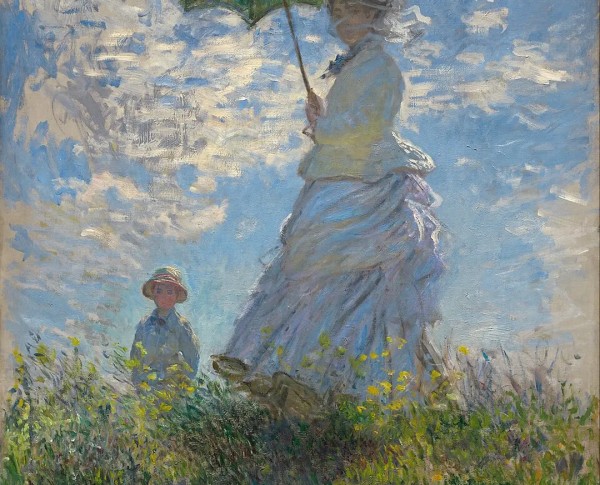
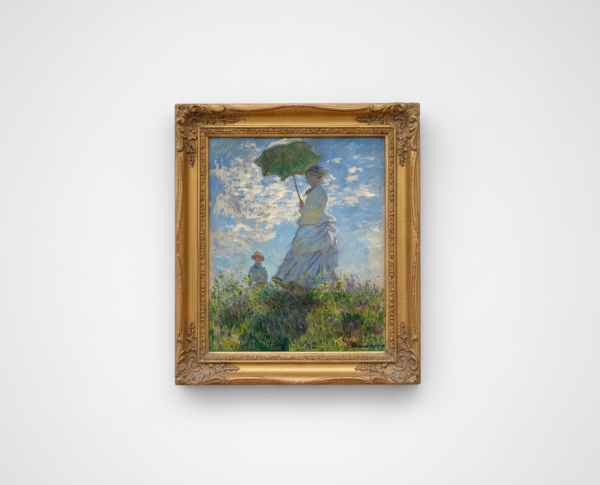
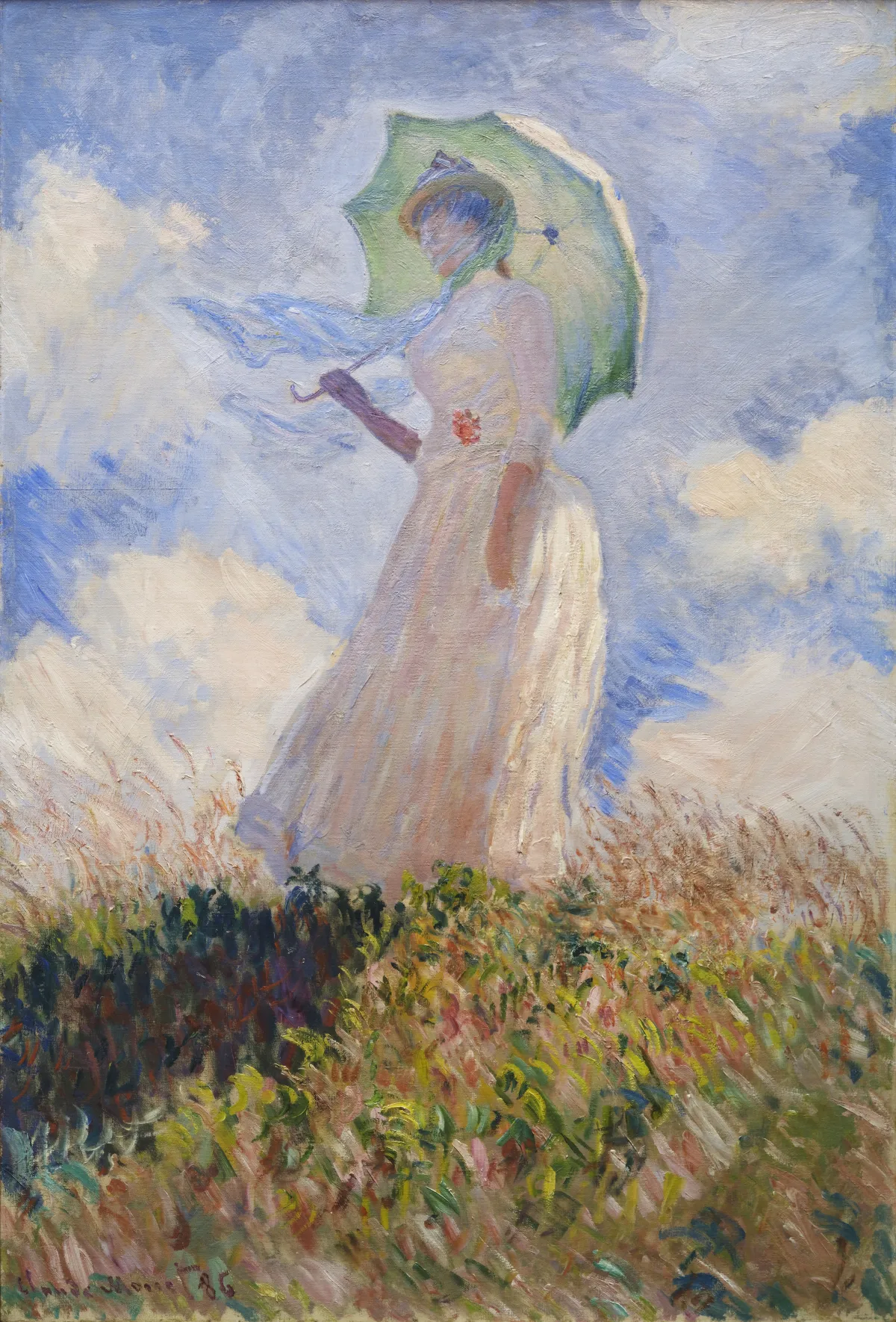
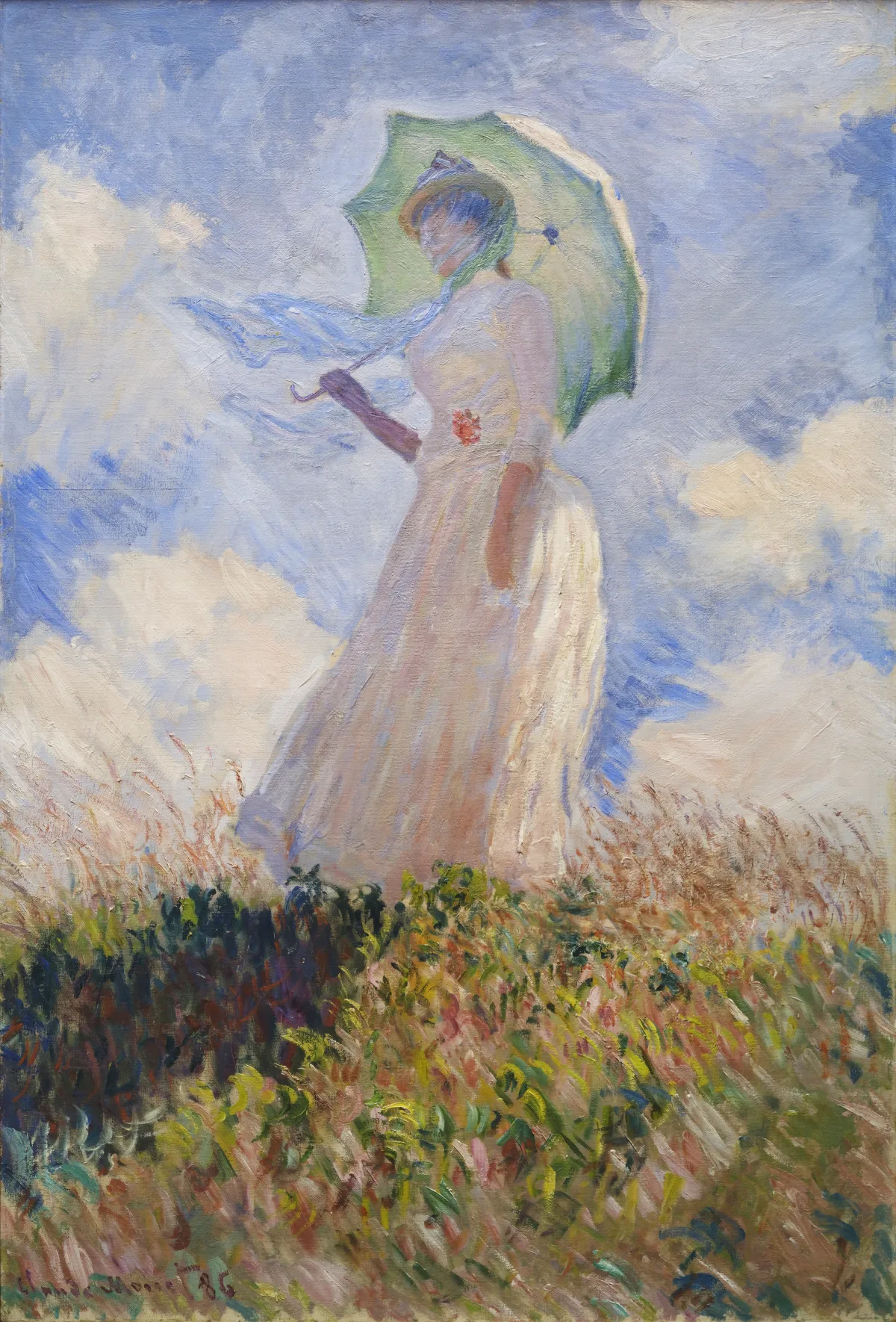
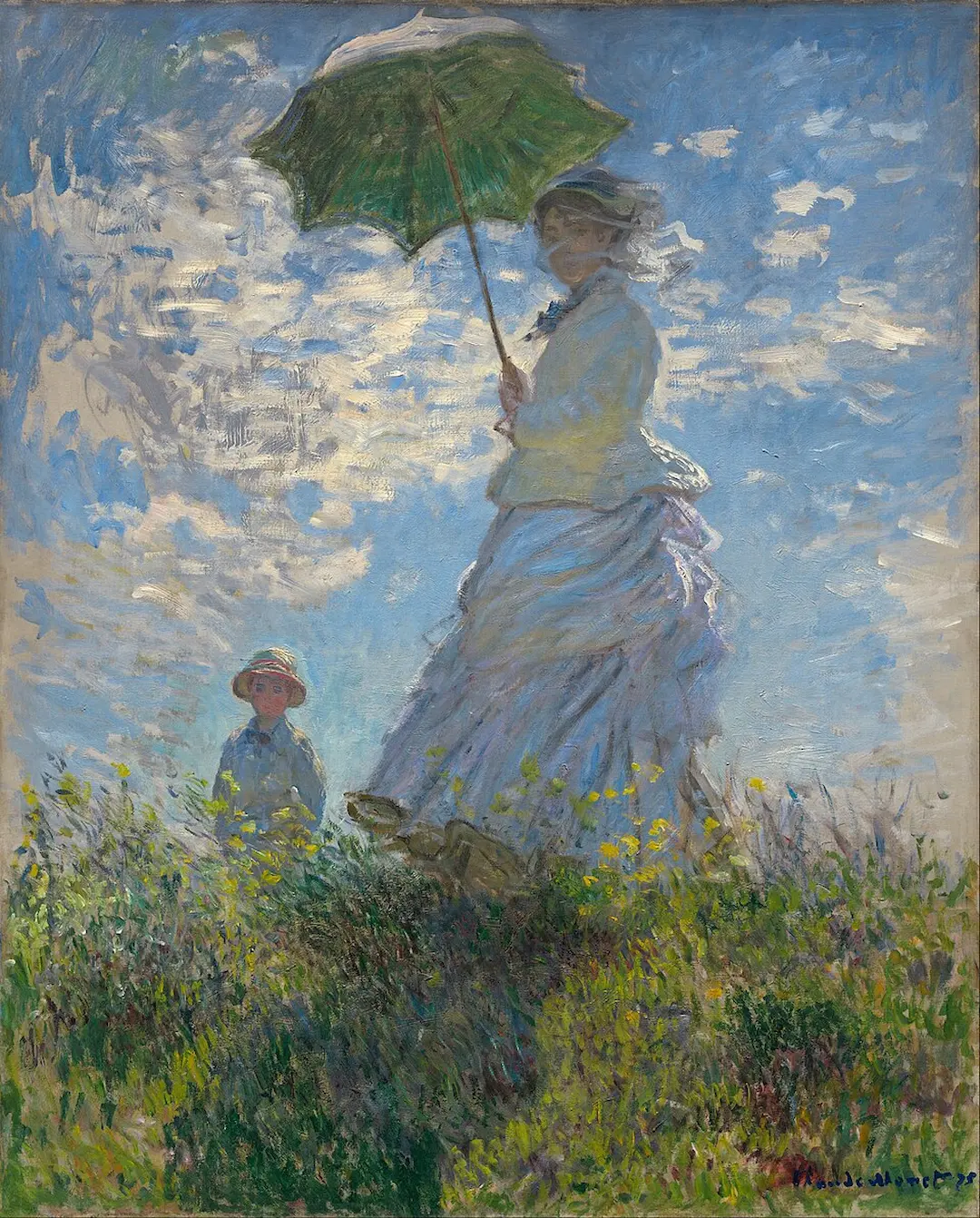
Monet’s technical brilliance is unmistakable in this oil on canvas, where rapid, expressive brushwork brings the scene to life. The artist’s deft handling of color and light demonstrates the Impressionist movement’s core values. "Woman with a Parasol, facing left" shares its radiant palette and dynamic composition with other Monet favorites like "Boatyard near Honfleur" and "Lighthouse at the Hospice," making it a centerpiece for any discerning admirer of fine art.
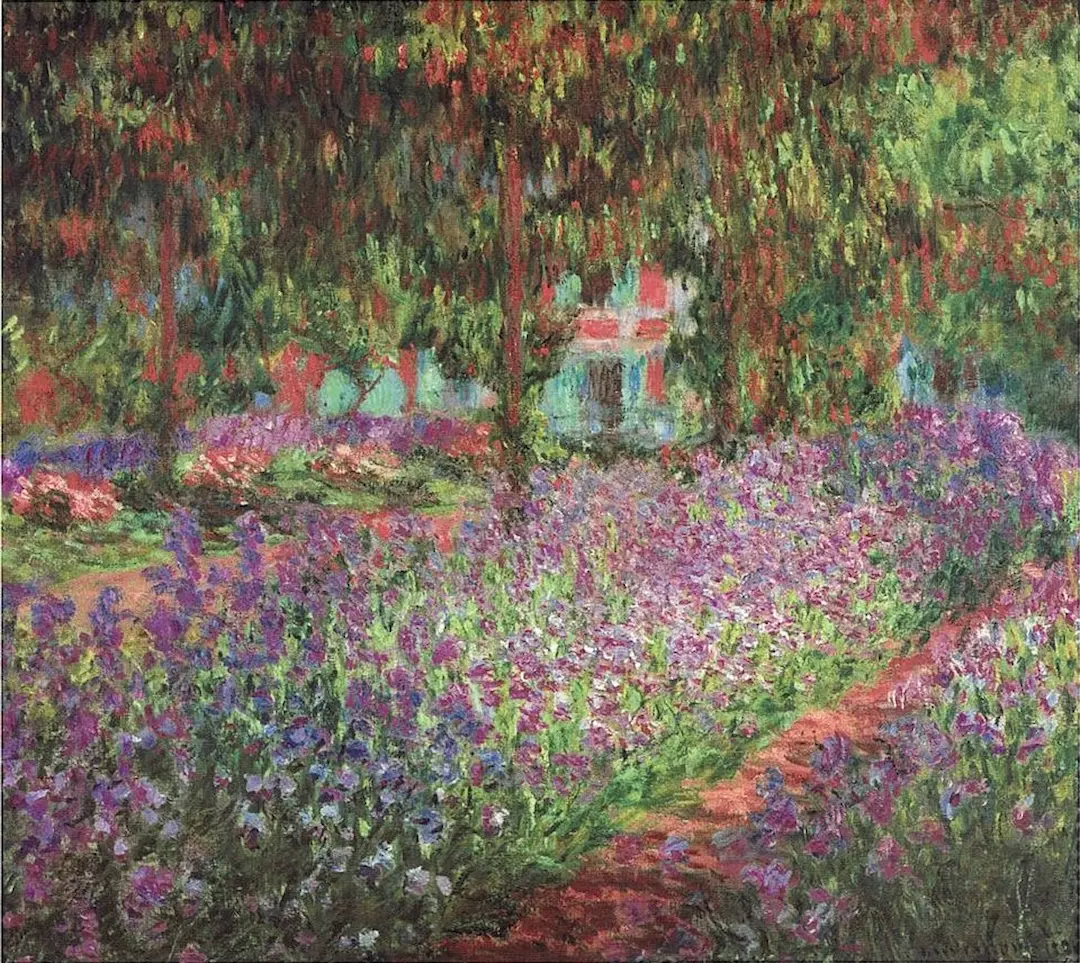
"Woman with a Parasol, facing left" is more than just a fine art painting for sale; it is a window into Monet’s personal world. The subject, believed to be Monet’s wife Camille, embodies the intimacy and spontaneity that defined Impressionism. This painting, like "By the Sea" and "Irises In Monets Garden," weaves together narrative and symbolism, offering viewers a glimpse into the artist’s emotional landscape and his devotion to capturing moments of everyday beauty.
As a hand-painted oil painting from the Impressionist movement, "Woman with a Parasol, facing left" remains a coveted gem for art collectors. Its value is heightened when displayed alongside related works such as "La Grenouillère" and "Irises In Monets Garden." Monet’s evocative technique and timeless subject matter ensure that this masterpiece continues to be a highly sought-after fine art painting for sale, appealing to both new and seasoned collectors.
When Art Meets History
"Woman with a Parasol, facing left" by Claude Monet stands as a hallmark of the Impressionism movement. This hand-painted oil painting, created in 1886, captures a fleeting moment in time, reflecting the era’s fascination with light and atmosphere. Like "By the Seashore" and "Blue Dancers, c.1899," Monet’s work bridges the gap between art and history, inviting viewers to experience the world as it was seen through the eyes of Impressionist masters.
Techniques That Speak
Monet’s "Woman with a Parasol, facing left" exemplifies the innovative techniques of oil on canvas that define Impressionism. The artist’s use of quick, visible brushstrokes and vibrant colors brings energy and movement to the scene. Similar to "Les raboteurs de parquet" and "Spring Bouquet," Monet’s technique emphasizes the play of natural light, allowing viewers to feel the gentle breeze and sunlight that dance across the canvas.
Emotions on Display
The painting radiates a sense of serenity and spontaneity, hallmarks of Impressionist emotion. Claude Monet’s portrayal of his subject evokes feelings of tranquility and joy, inviting viewers to share in the peaceful moment. Like "Young Spartans Exercising" and other Impressionist works, this fine art painting for sale captures the fleeting emotions of everyday life, making it a beloved piece for art enthusiasts and collectors alike.
Coveted by Collectors
"Woman with a Parasol, facing left" remains a prized masterpiece among collectors of Impressionist art. Its status as a celebrated oil on canvas by Claude Monet, alongside related works like "By the Seashore" and "Spring Bouquet," makes it highly desirable in the art market. As a fine art painting for sale, it continues to captivate those who appreciate the enduring beauty and historical significance of Impressionism.
Related Impressionism Hand-Painted Oil Paintings by Other Artists
Other Famous Impressionism Artists:
Frequently Asked Questions About Woman with a Parasol, facing left
What year was "Woman with a Parasol, facing left" painted?
"Woman with a Parasol, facing left" was painted in 1875.
Who is the subject of the painting?
The subject of the painting is Camille Monet, Claude Monet's wife, who is depicted holding a parasol.
What artistic movement does this painting belong to?
This painting is a prime example of Impressionism, characterized by its loose brushwork and emphasis on light and color.
What is the significance of the parasol in the painting?
The parasol serves as a symbol of femininity and protection, while also adding an element of dynamism and movement to the composition.
How does Monet's use of color contribute to the painting's atmosphere?
Monet employs a vibrant palette of greens, blues, and whites to evoke a sense of freshness and the fleeting quality of a sunny day.
What techniques did Monet use to create the sense of movement in the painting?
Monet utilized broken brushstrokes and a dynamic composition to convey the movement of the wind and the flowing fabric of the dress.
Where is "Woman with a Parasol, facing left" currently housed?
The painting is part of the collection at the National Gallery of Art in Washington, D.C.
What was the public's reaction to the painting upon its exhibition?
Upon its exhibition, the painting received acclaim for its innovative approach to light and color, solidifying Monet's reputation as a leading figure in Impressionism.
How does this painting reflect Monet's personal life?
The painting reflects Monet's personal life by portraying his wife in a moment of leisure, highlighting his affection for her and their family life.
What impact did "Woman with a Parasol, facing left" have on future artists?
The painting influenced future generations of artists by demonstrating the expressive potential of color and light, encouraging a break from traditional forms of representation.






















_GFM_Painting_(1).webp)


 100% Hand-Painted: Finished in 3-6 Weeks

.png)















_(1).webp)