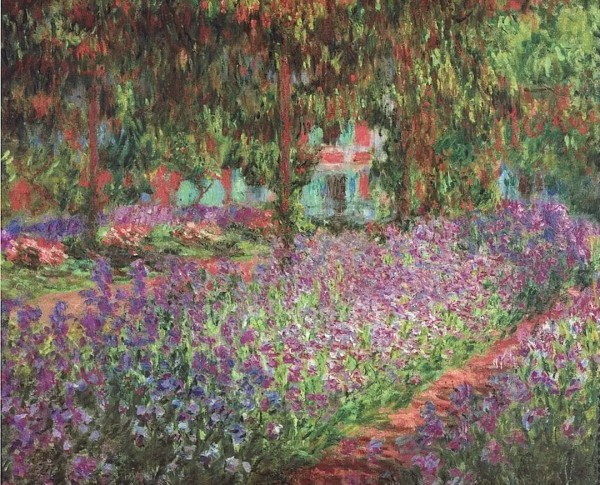
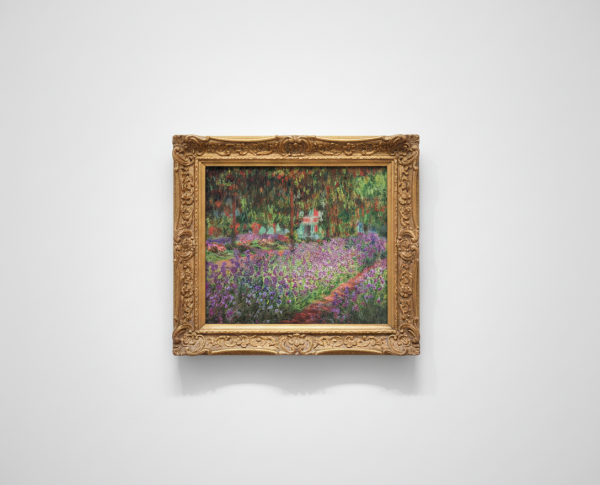
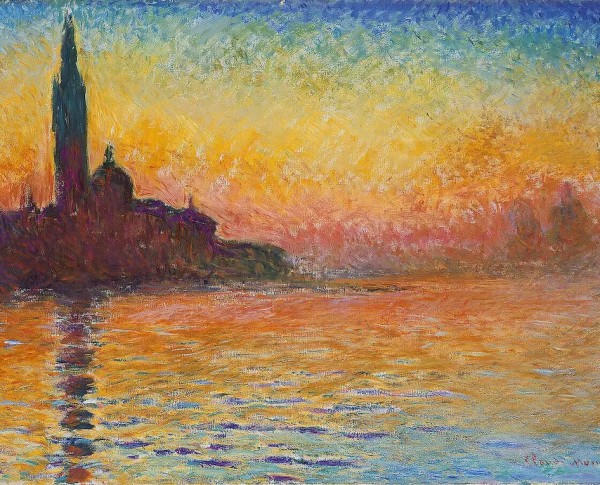
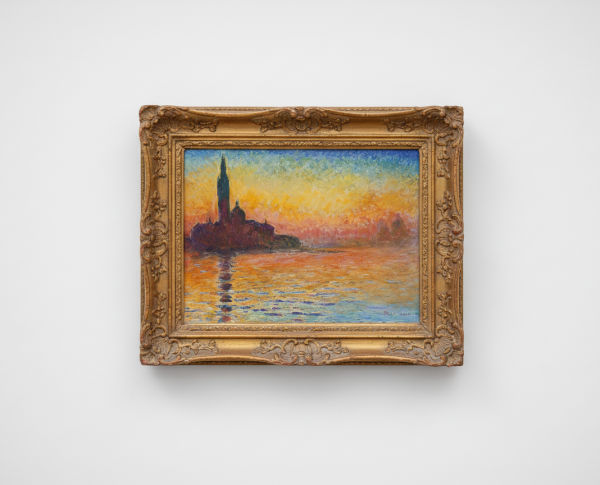
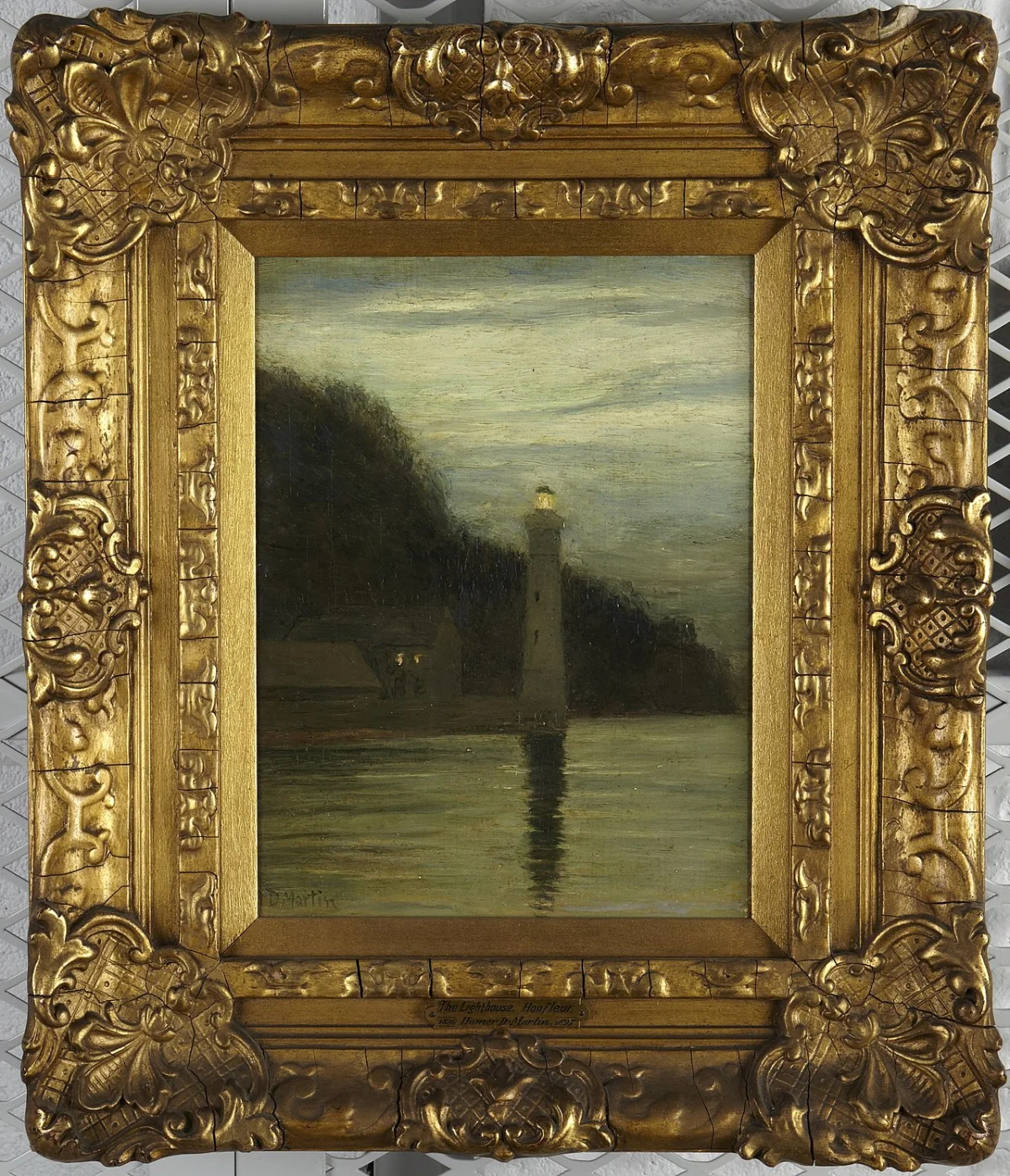
Claude Monet’s "Lighthouse at the Hospice" demonstrates his exceptional technique with oil on canvas, a hallmark of the Impressionism movement. Each brushstroke exudes emotion, reflecting Monet’s deep connection to the French landscape. This piece stands alongside other celebrated works like "Woman in the Garden" and the "Haystacks" series, showcasing the artist’s ability to render light and atmosphere in every scene. Monet’s mastery continues to inspire collectors and art lovers worldwide.
Within "Lighthouse at the Hospice," Monet weaves subtle narratives and symbols unique to the Impressionism style. The lighthouse may represent guidance and hope, while the surrounding scenery evokes tranquility. As a fine art painting for sale, it invites viewers to explore its layers of meaning, much like Monet’s "Houses of Parliament series" or "Garden at Sainte-Adresse." Each glance reveals new details, making it a cherished addition to any collection of Impressionist masterpieces.
Owning "Lighthouse at the Hospice" is a rare opportunity for any art enthusiast seeking a hand-painted oil painting by Claude Monet. This Impressionist treasure pairs beautifully with related products such as "A Farmyard in Normandy" or "Haystacks," enhancing any gallery or private space. For collectors, this fine art painting for sale not only holds aesthetic value but also offers a tangible link to Monet’s enduring influence in the world of oil on canvas masterpieces.
When Art Meets History
Claude Monet’s "Lighthouse at the Hospice" stands as a testament to the Impressionism movement, capturing a moment where history and artistry converge. This hand-painted oil painting reflects Monet’s fascination with light and maritime scenery, similar to his other works like "The Seine At Asnieres Aka The Skiff" and "Umbrellas." The painting immortalizes a real location, blending the past with Monet’s unique vision, and offering viewers a glimpse into the late 19th-century landscape through Impressionist eyes.
Techniques That Speak
Monet’s mastery shines through in "Lighthouse at the Hospice," where he employs his signature oil on canvas technique to create vibrant, fleeting impressions of light and atmosphere. Like in "Le Café-concert aux ambassadeurs" and "Chapel on the Láchar estate," Monet’s brushwork is loose and spontaneous, allowing colors to blend optically. The textured surface and dynamic composition exemplify the innovative methods that define Impressionism and make this piece a standout among Monet’s celebrated body of work.
Emotions on Display
"Lighthouse at the Hospice" is a fine art painting for sale that stirs deep emotion through its evocative use of color and light. Monet’s portrayal captures the tranquil yet powerful presence of the lighthouse, evoking feelings of solitude and resilience. The atmospheric quality, reminiscent of "Luncheon Of The Boating Party," invites viewers to experience the serenity and contemplation that are hallmarks of Impressionist works, making it a moving and memorable piece in Monet’s repertoire.
Coveted by Collectors
Collectors highly value Monet’s "Lighthouse at the Hospice" for its historical significance and artistic mastery, making it a prized hand-painted oil painting in the Impressionism movement. Alongside related works like "Umbrellas" and "The Seine At Asnieres Aka The Skiff," this painting is sought after for its beauty and rarity. Its compelling depiction of light and atmosphere ensures that it remains a cherished addition in collections of fine art painting for sale around the world.
Related Impressionism Hand-Painted Oil Paintings by Other Artists
Other Famous Impressionism Artists:
Frequently Asked Questions About Lighthouse at the Hospice
What is the historical context of "Lighthouse at the Hospice"?
"Lighthouse at the Hospice" was painted by Claude Monet in 1867, a period marked by the rise of Impressionism. This painting reflects Monet's exploration of light and color, as well as his interest in capturing fleeting moments in nature.
What artistic techniques did Monet use in this painting?
Monet employed loose brushwork and a vibrant color palette to convey the effects of light on the water and sky. His technique of layering paint allowed for a sense of depth and movement, characteristic of his Impressionist style.
What is the significance of the lighthouse in the painting?
The lighthouse serves as a focal point in the composition, symbolizing guidance and safety. It contrasts with the dynamic nature of the surrounding water, emphasizing the relationship between man-made structures and the natural world.
How does "Lighthouse at the Hospice" reflect Monet's artistic philosophy?
This painting exemplifies Monet's belief in capturing the essence of a moment rather than focusing on detail. His emphasis on light and atmosphere over precise representation aligns with the core principles of Impressionism.
What elements of nature are highlighted in this artwork?
Monet highlights the interplay of light on water, the changing colors of the sky, and the movement of clouds. These elements reflect his fascination with the natural environment and its transient beauty.
In what ways does this painting exemplify the Impressionist movement?
"Lighthouse at the Hospice" exemplifies the Impressionist movement through its focus on capturing the momentary effects of light and color. Monet's technique of painting en plein air (outdoors) allowed him to depict the scene as he experienced it in real time.
What emotions does "Lighthouse at the Hospice" evoke?
The painting evokes a sense of tranquility and contemplation, inviting viewers to reflect on the beauty of nature. The soft colors and gentle brushstrokes create a serene atmosphere that encourages a peaceful state of mind.
How does this painting compare to Monet's other works?
Compared to other works by Monet, "Lighthouse at the Hospice" showcases his early exploration of light and color. It serves as a precursor to his later masterpieces, which further develop these themes with greater complexity and abstraction.
What impact did "Lighthouse at the Hospice" have on future artists?
This painting influenced future generations of artists by demonstrating the power of color and light in conveying emotion and atmosphere. It encouraged subsequent artists to explore similar techniques and themes, solidifying Monet's legacy in art history.
Where can I view "Lighthouse at the Hospice" today?
"Lighthouse at the Hospice" is part of the collection at the Musée d'Orsay in Paris, France. The museum is renowned for its extensive collection of Impressionist and Post-Impressionist masterpieces.























_GFM_Painting_(1).webp)


 100% Hand-Painted: Finished in 3-6 Weeks

.png)















_(1).webp)