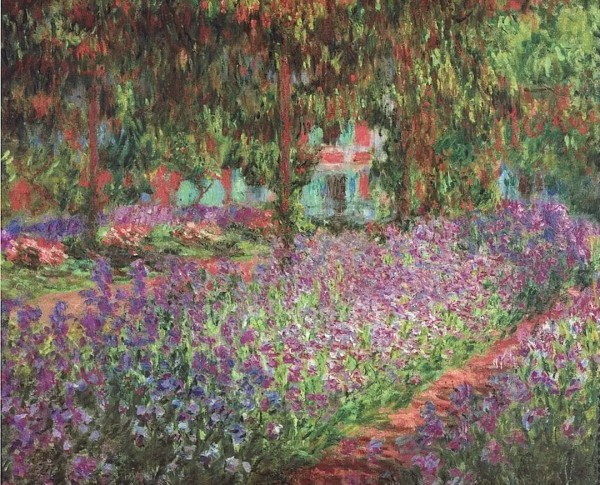
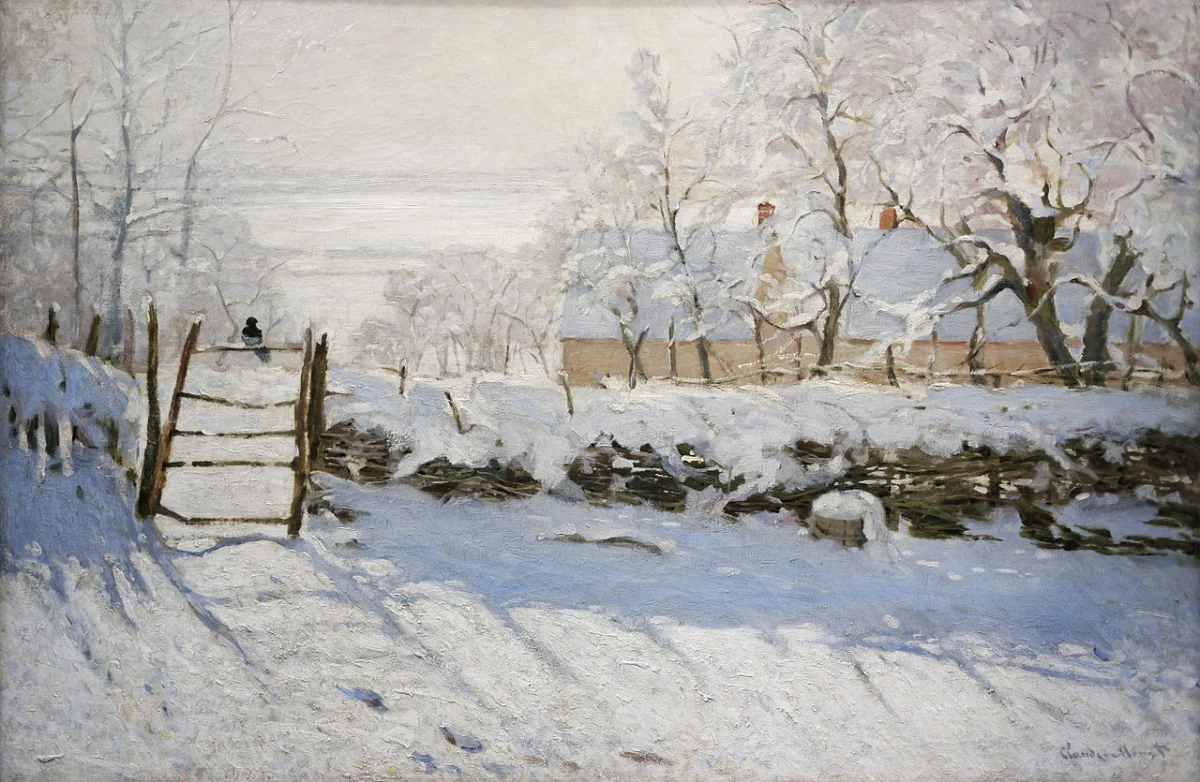
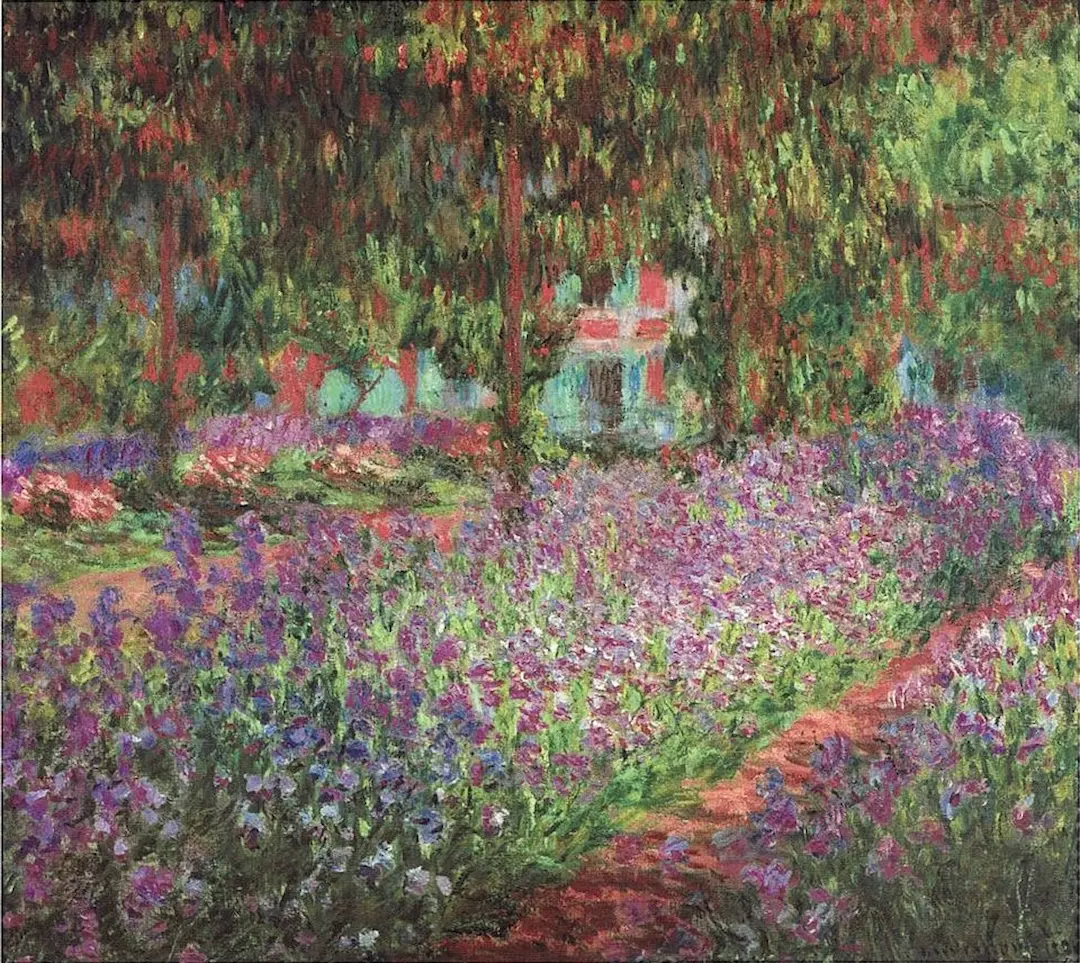
Monet’s skillful use of oil on canvas in "La Pie" reveals his mastery of light and shadow, a hallmark of the Impressionism movement. Each brushstroke conveys the delicate interplay of sunlight on snow, creating a vivid sense of atmosphere. This technique can also be admired in related products such as "Irises In Monets Garden" and "Spring Flowers," where Monet’s innovative use of color and texture brings each landscape to life as a breathtaking hand-painted oil painting.
"La Pie" by Claude Monet is more than just an exquisite oil on canvas; it’s a narrative rich with symbolism. The solitary magpie perched on a gate evokes themes of solitude and tranquility, common motifs in Impressionism. Collectors who appreciate the storytelling in Monet’s works often find themselves drawn to related paintings like "Bemberg Fondation Toulouse Portrait De Son Fils Jean En Bonnet à Pompon 42x33 Inv." and "Road to the Saint-Simeon Farm," each offering its own unique story.
Collectors prize "La Pie" for its remarkable beauty and significance within Impressionism, knowing that owning such a fine art painting for sale is a true privilege. Monet’s ability to transform everyday scenes into timeless masterpieces is evident in this hand-painted oil painting, as well as in pieces like "Le Givre" and "Road in a Forest Fontainebleau." Each artwork offers an opportunity to experience the genius of Monet and the enduring appeal of Impressionist oil on canvas paintings.
When Art Meets History
"La Pie" by Claude Monet stands as a testament to the transformative power of Impressionism. Painted in 1868–1869, this oil on canvas captures a serene winter landscape, highlighting Monet’s fascination with light and shadow. As a hand-painted oil painting, it reflects the rapid changes in 19th-century France and the emergence of new artistic ideals. Related works such as "Paris Street - Rainy Weather 1877" and "Two Sisters" further illustrate the era’s innovative spirit.
Techniques That Speak
Monet’s mastery in "La Pie" is evident through his delicate brushstrokes and subtle color palette, hallmarks of the Impressionist movement. The use of oil on canvas allows for nuanced depictions of snow and sunlight, creating a harmonious balance between nature and atmosphere. This technique, also seen in "The Floor Scrapers 1875" and "Woman in Black," underscores Monet’s ability to evoke emotion and depth, making each fine art painting for sale a unique visual experience.
Emotions on Display
"La Pie" evokes a sense of tranquility and solitude, inviting viewers to contemplate the quiet beauty of a winter morning. Monet’s impressionistic approach brings the landscape to life, capturing fleeting moments with remarkable sensitivity. This hand-painted oil painting resonates emotionally, much like "Young Spartans Exercising" and other works from the Impressionism movement. The painting’s subtle charm continues to inspire art lovers and collectors worldwide.
Coveted by Collectors
As a renowned fine art painting for sale, "La Pie" remains highly sought after by collectors and museums alike. Claude Monet’s reputation and the painting’s historical significance within Impressionism contribute to its enduring appeal. Works such as "Two Sisters" and "Paris Street - Rainy Weather 1877" share this desirability, ensuring that Monet’s masterpieces are treasured for generations. The oil on canvas technique further enhances its value in the art world.
Related Impressionism Hand-Painted Oil Paintings by Other Artists
Other Famous Impressionism Artists:
Frequently Asked Questions About La Pie
What is the historical significance of La Pie?
La Pie, painted by Claude Monet in 1868, is significant as it reflects the artist's early exploration of Impressionism, showcasing his innovative approach to light and color.
What artistic techniques did Monet employ in La Pie?
Monet utilized loose brushwork and a vibrant color palette to capture the fleeting effects of light on the snow and the bird, emphasizing the natural beauty of the scene.
What themes are present in La Pie?
The painting explores themes of nature, tranquility, and the passage of time, inviting viewers to appreciate the serene beauty of a winter landscape.
How does La Pie exemplify Impressionist principles?
La Pie exemplifies Impressionist principles through its focus on capturing a moment in time, the use of natural light, and the depiction of everyday subjects in a spontaneous manner.
What symbolic meanings can be derived from the presence of the magpie in the painting?
The magpie is often associated with curiosity and intelligence, symbolizing the connection between nature and the human experience, as well as the beauty found in everyday life.
In what way does La Pie reflect Monet's artistic evolution?
La Pie marks a transition in Monet's work, showcasing his growing interest in capturing light and atmosphere, which would become central to his later masterpieces.
What role does color play in La Pie?
Color plays a crucial role in La Pie, as Monet employs a harmonious palette to evoke the coldness of winter while simultaneously infusing warmth through the interplay of light and shadow.
How does the composition of La Pie contribute to its overall impact?
The composition of La Pie, with the magpie positioned against a snowy landscape, draws the viewer's eye and creates a sense of depth, enhancing the painting's tranquil atmosphere.
What influences can be seen in Monet's La Pie?
Monet's La Pie shows influences from the Barbizon School, particularly in its focus on nature and realistic depictions, while also paving the way for his own unique Impressionist style.
How has La Pie been received by critics and art historians over time?
La Pie has been praised by critics and art historians for its pioneering approach to Impressionism, with many viewing it as a pivotal work that encapsulates Monet's early artistic vision.






















_GFM_Painting_(1).webp)


 100% Hand-Painted: Finished in 3-6 Weeks

.png)















_(1).webp)