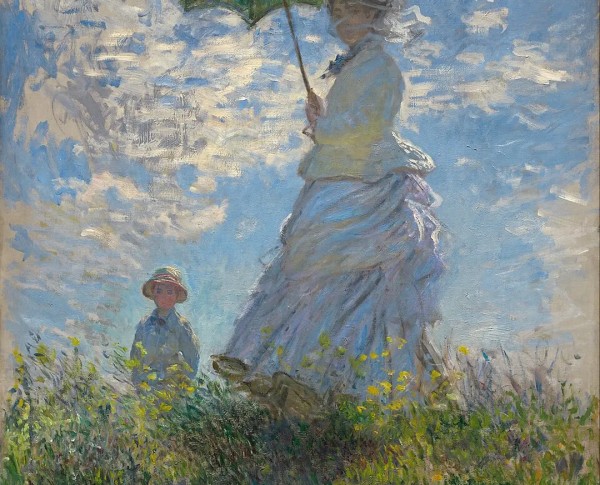
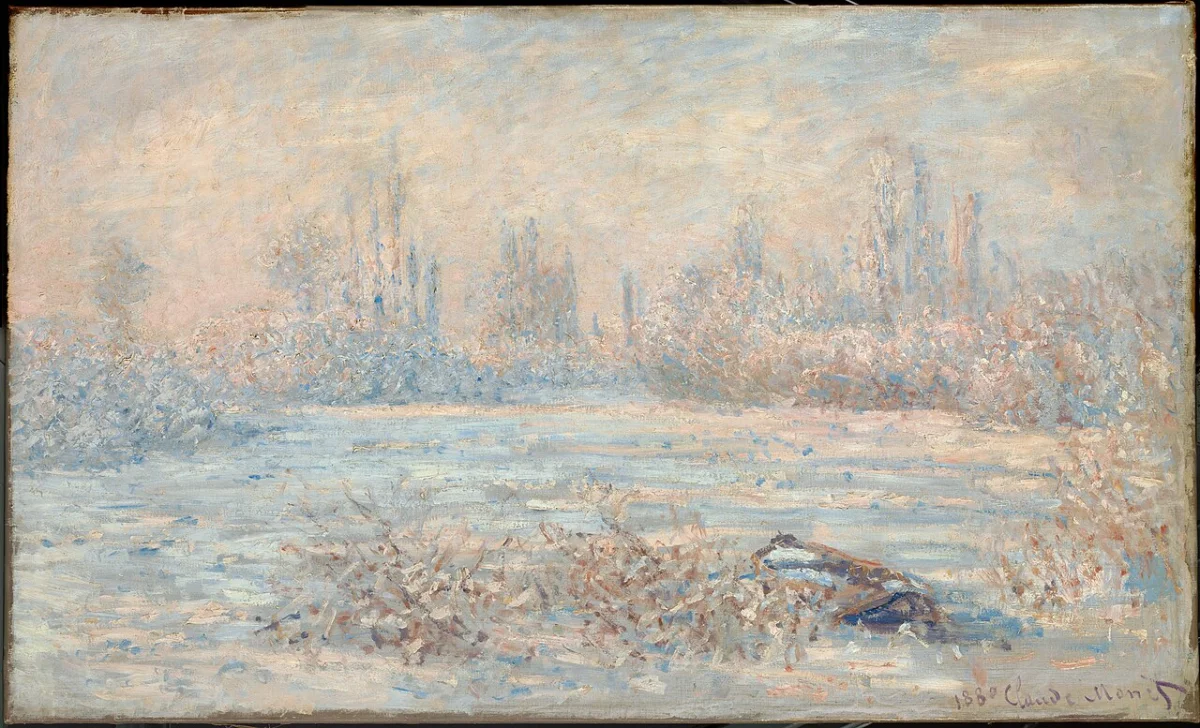
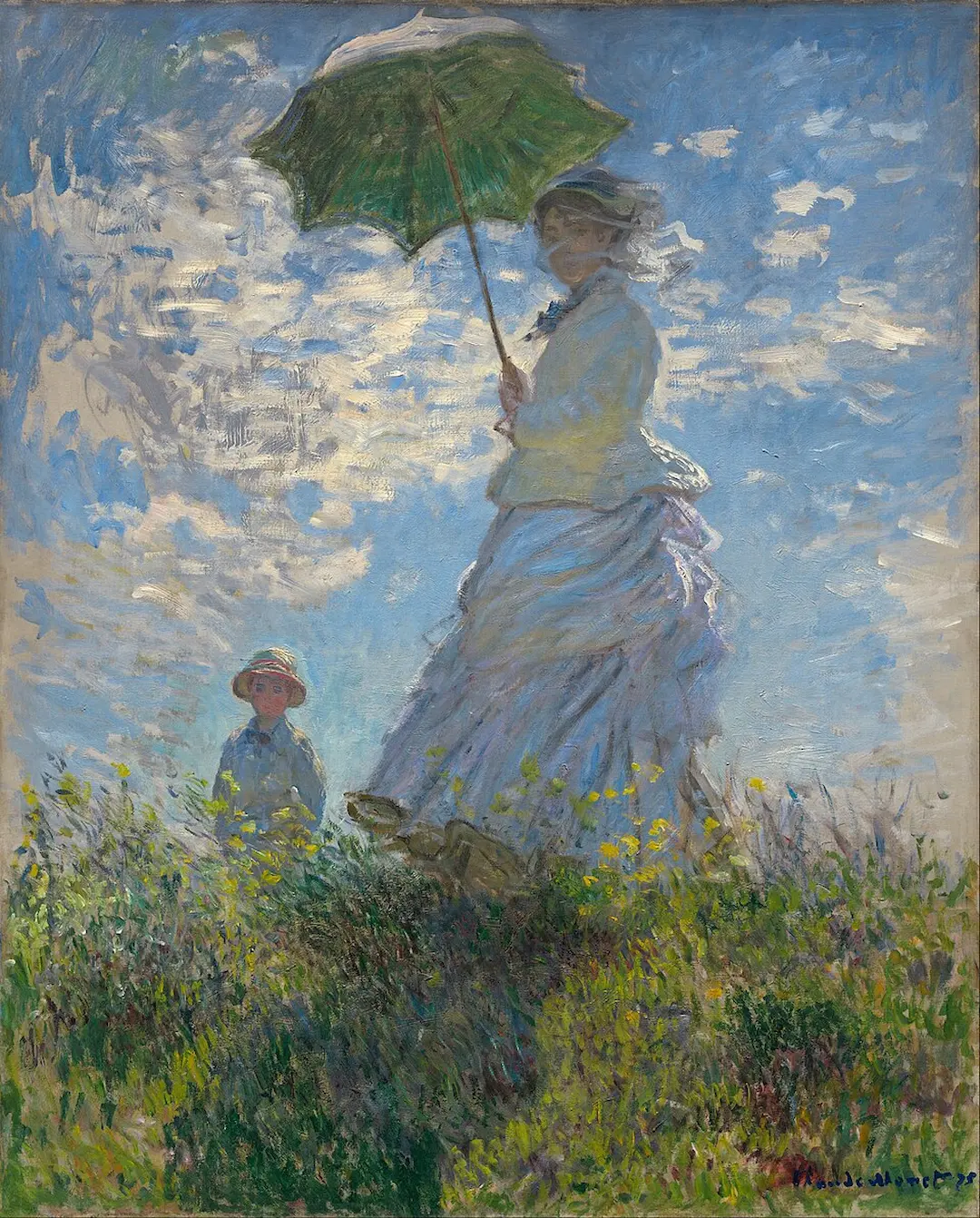
Monet’s "Le Givre" showcases his expertise in oil on canvas, utilizing quick, expressive strokes to convey the delicate effects of frost. The artist’s mastery is evident in every detail, from the shimmering light to the textured surface. As with "Woman in the Garden" and "The Pointe of Heve," Monet’s technique transforms everyday scenes into captivating visions, solidifying his place as a master of the Impressionism movement.
The fine art painting for sale, "Le Givre," tells a story of fleeting moments and subtle beauty. Monet infuses the scene with symbolism, using light and shadow to evoke the quiet stillness of a frosty morning. Similar to "A Farmyard in Normandy" and "Le Dejeuner sur lherbe," this work invites viewers to reflect on nature’s transient wonders, making it a beloved piece among collectors and admirers of Impressionist art.
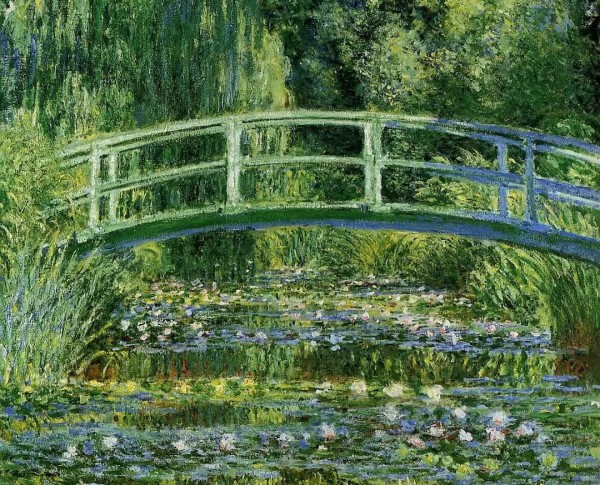
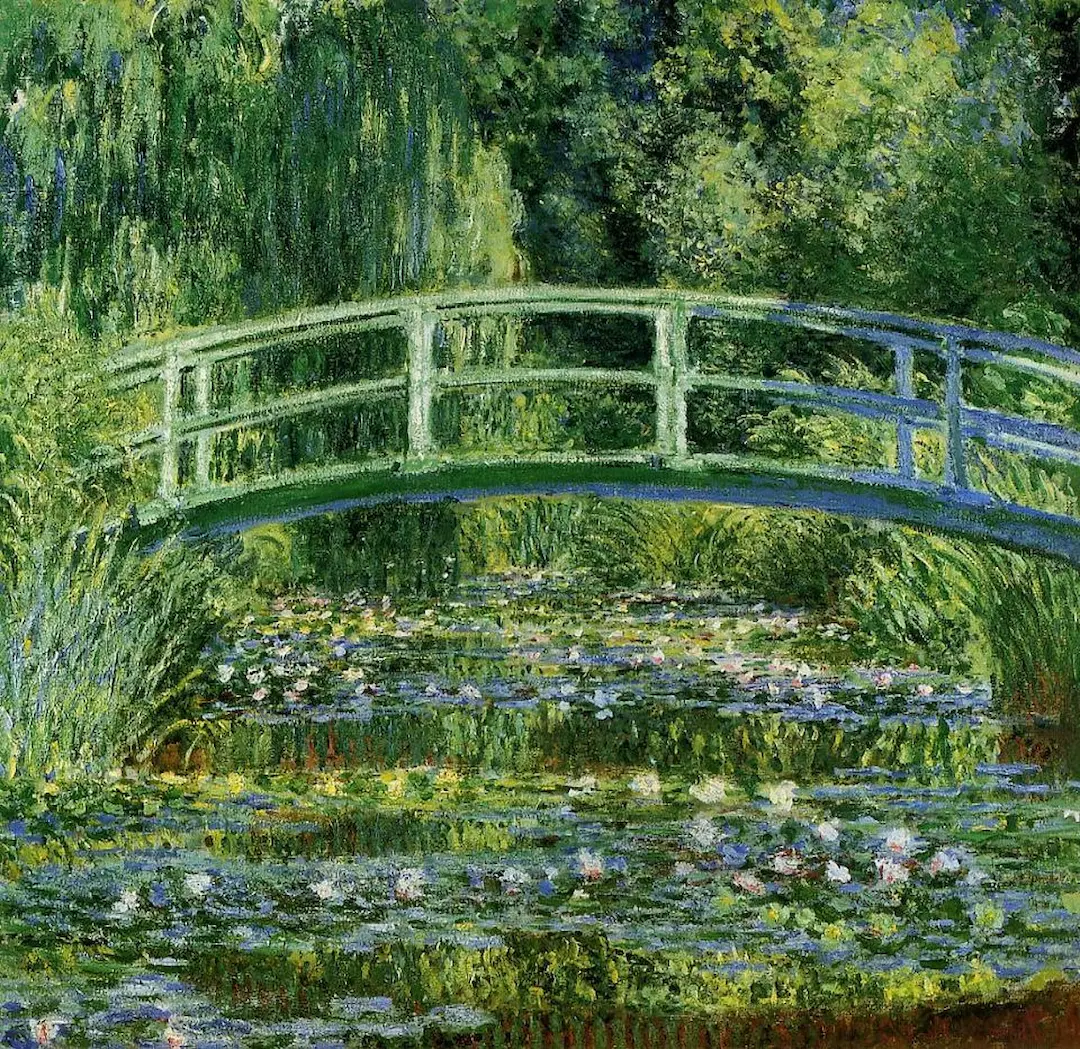
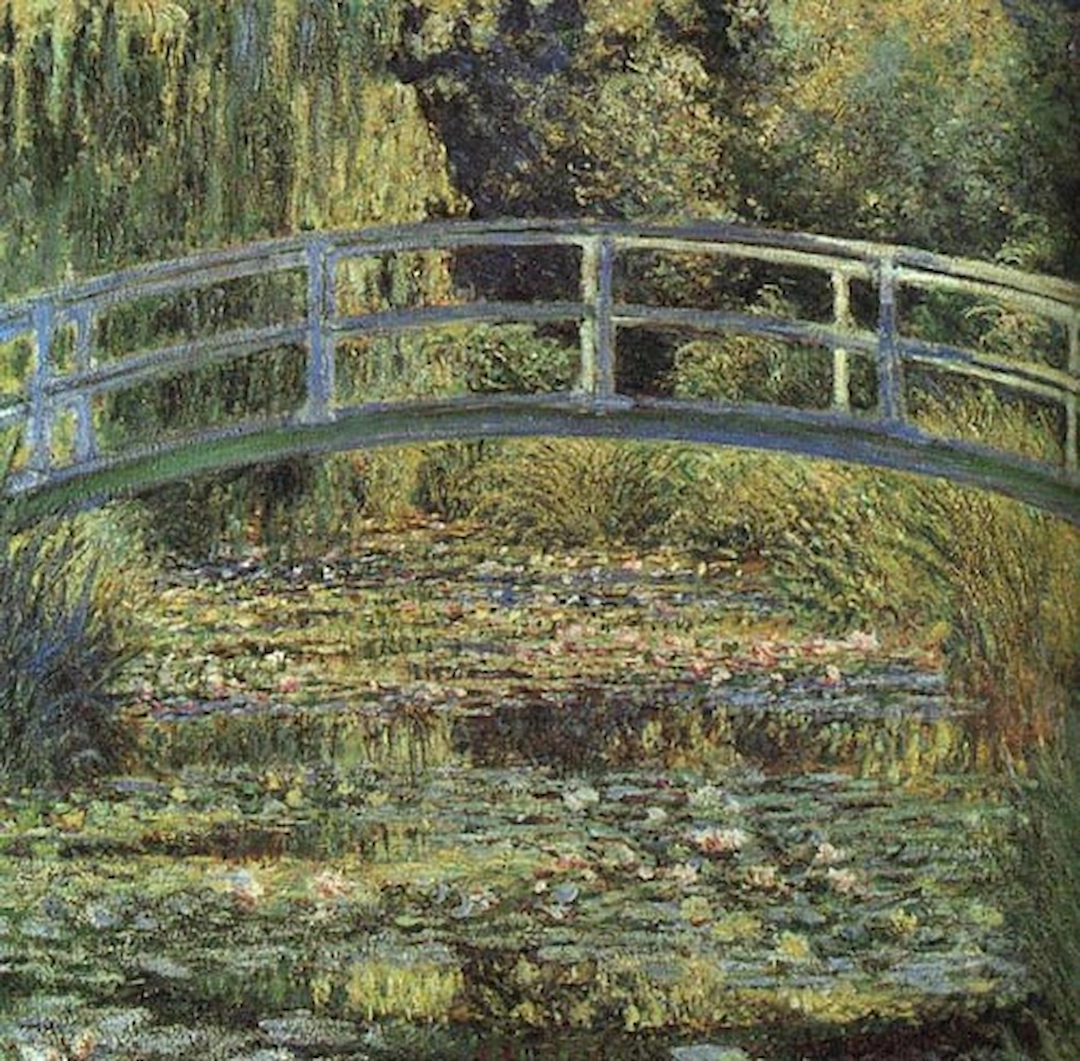
Owning "Le Givre" by Claude Monet means possessing a part of Impressionism’s rich legacy. This hand-painted oil painting is highly sought after, much like Monet’s other masterpieces such as "Le Grand Canal, Venice" and "Water Lily Pond." As a fine art painting for sale, "Le Givre" represents an extraordinary opportunity for collectors to invest in the enduring beauty and prestige of Monet’s artistic vision.
When Art Meets History
"Le Givre" by Claude Monet stands as a testament to the Impressionism movement, capturing a fleeting winter moment with remarkable sensitivity. Painted during a period when Monet was revolutionizing landscape art, this hand-painted oil painting reflects not just the artist's mastery, but also the era's fascination with light and atmosphere. Alongside related works like "Les orangers" and "Dance At Bougival," Monet's "Le Givre" situates itself within a historical context, bridging tradition and innovation for art lovers.
Techniques That Speak
Monet’s "Le Givre" utilizes oil on canvas to create a luminous, frosty landscape that seems to shimmer before the viewer’s eyes. Through rapid, visible brushstrokes and subtle color gradations, the artist achieves a vibrant sense of immediacy. This technique, characteristic of Impressionism, can also be seen in masterpieces like "Le Café-concert aux ambassadeurs." Monet’s approach to texture and layering in "Le Givre" demonstrates his dedication to capturing nature’s transient effects with unparalleled skill.
Emotions on Display
In "Le Givre," Claude Monet invites viewers to experience the quiet beauty of a frost-covered morning. The painting’s gentle palette and fluid forms evoke feelings of serenity and awe, hallmarks of Impressionism. Like "Sad Inheritance" and "After a Bath. Woman Drying the Back of her Neck," this fine art painting for sale elicits deep emotional responses, connecting the audience with the tranquil yet powerful moods found in nature. Monet’s artistry ensures every glance reveals new depths of feeling.
Coveted by Collectors
Art collectors worldwide prize "Le Givre" for its exquisite representation of Impressionism and the enduring legacy of Claude Monet. As with other iconic works such as "Dance At Bougival," owning a Monet oil on canvas is a symbol of refined taste and appreciation for fine art. The demand for such masterpieces continues to grow, making "Le Givre" a sought-after treasure among those who value both historical significance and the timeless beauty of Monet’s vision.
Related Impressionism Hand-Painted Oil Paintings by Other Artists
Other Famous Impressionism Artists:
Frequently Asked Questions About Le Givre
What is the historical context of Claude Monet's "Le Givre"?
"Le Givre," painted in 1893, reflects the Impressionist movement's focus on capturing light and atmosphere. During this period, Monet was exploring the effects of seasonal changes on landscapes, particularly in his native France.
What techniques did Monet use in "Le Givre"?
Monet employed loose brushwork and a vibrant color palette to convey the ephemeral qualities of frost and light. His technique of layering colors helps to create depth and movement within the scene.
What themes are present in "Le Givre"?
The painting explores themes of nature, transience, and the passage of time. The frost-covered landscape symbolizes the fleeting beauty of winter, emphasizing the impermanence of natural phenomena.
How does "Le Givre" fit into Monet's body of work?
"Le Givre" is part of Monet's broader exploration of light and color, particularly in outdoor settings. It showcases his dedication to capturing the essence of a moment in time, a hallmark of his Impressionist style.
What symbolic meanings can be derived from "Le Givre"?
The frost in "Le Givre" can symbolize purity and clarity, while also representing the harshness of winter. This duality reflects the beauty and challenges of nature, inviting viewers to contemplate their own relationship with the environment.
What influence did "Le Givre" have on later artists?
Monet's innovative approach in "Le Givre" influenced subsequent generations of artists, particularly those in the Post-Impressionist and Modern movements, who sought to explore similar themes of light and color in their work.
Where was "Le Givre" painted?
Monet painted "Le Givre" in the countryside near his home in Giverny, France. The local landscape provided a rich source of inspiration for many of his works, particularly during the winter months.
What is the significance of the title "Le Givre"?
The title "Le Givre," which translates to "The Frost," directly references the subject matter of the painting. It highlights Monet's focus on the atmospheric effects of frost and its impact on the landscape.
How does "Le Givre" exemplify Impressionist principles?
"Le Givre" exemplifies Impressionist principles through its emphasis on capturing a moment in time, the use of natural light, and the portrayal of everyday scenes. Monet's focus on sensory experience over realistic detail is a defining characteristic of the movement.
What is the current location of "Le Givre"?
"Le Givre" is part of the collection at the Musée d'Orsay in Paris, France. This museum is renowned for its extensive collection of Impressionist and Post-Impressionist masterpieces.






















_GFM_Painting_(1).webp)


 100% Hand-Painted: Finished in 3-6 Weeks

.png)















_(1).webp)