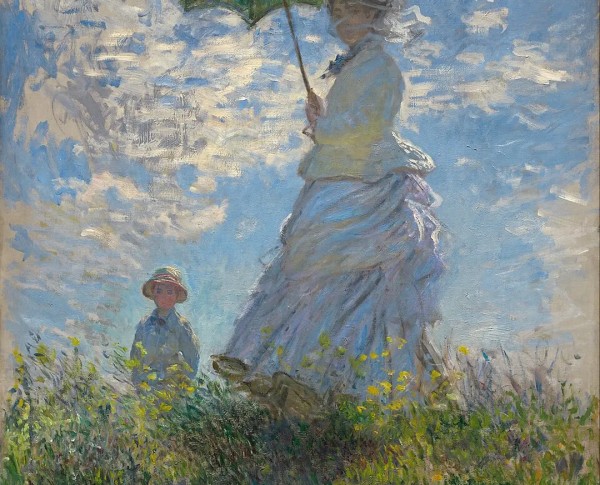
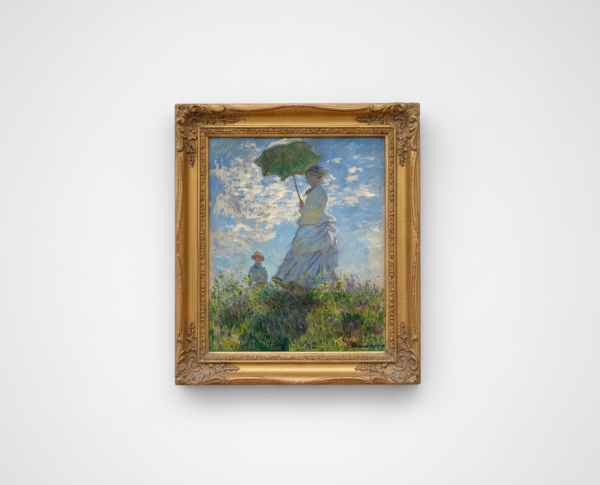
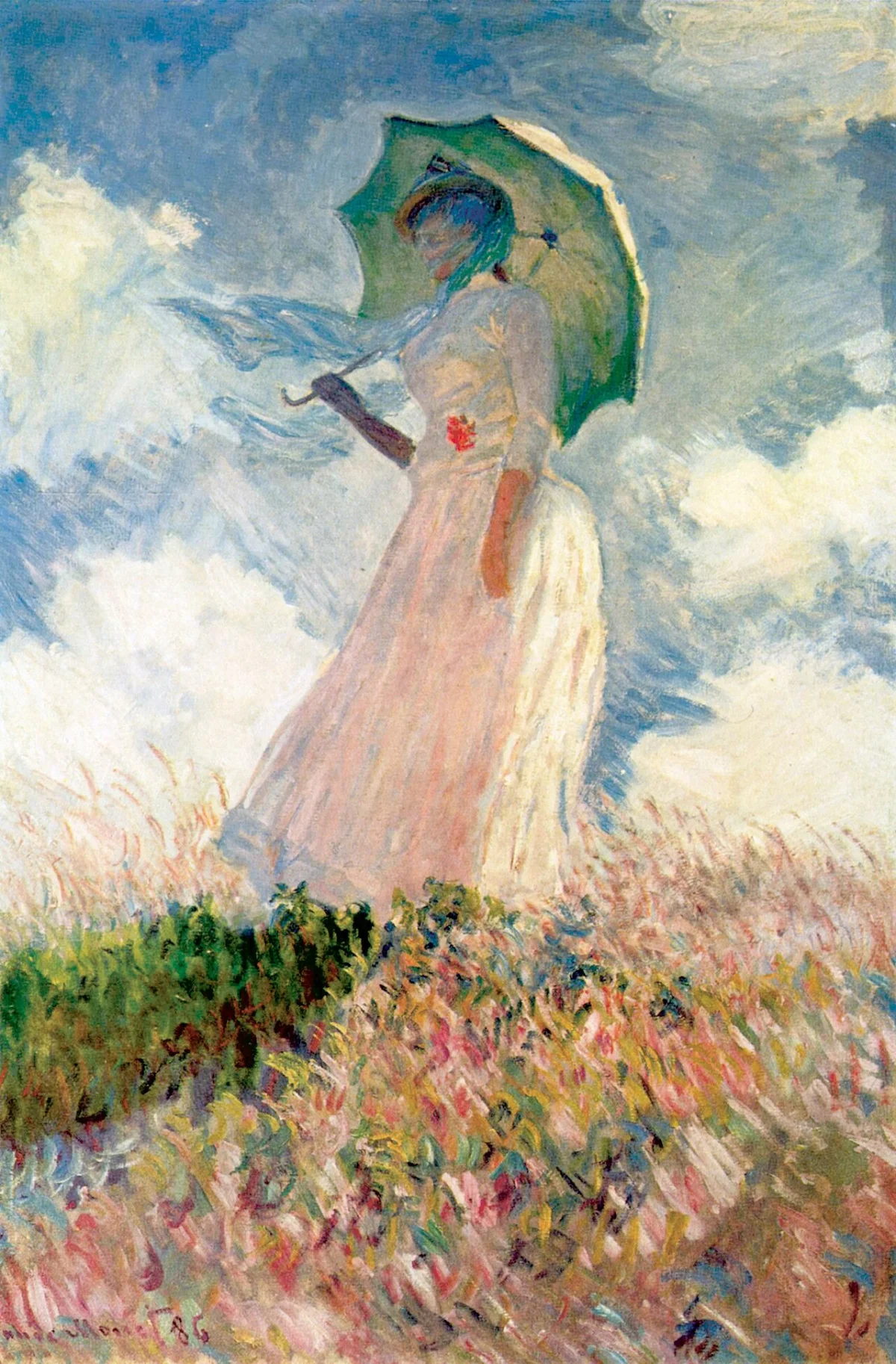
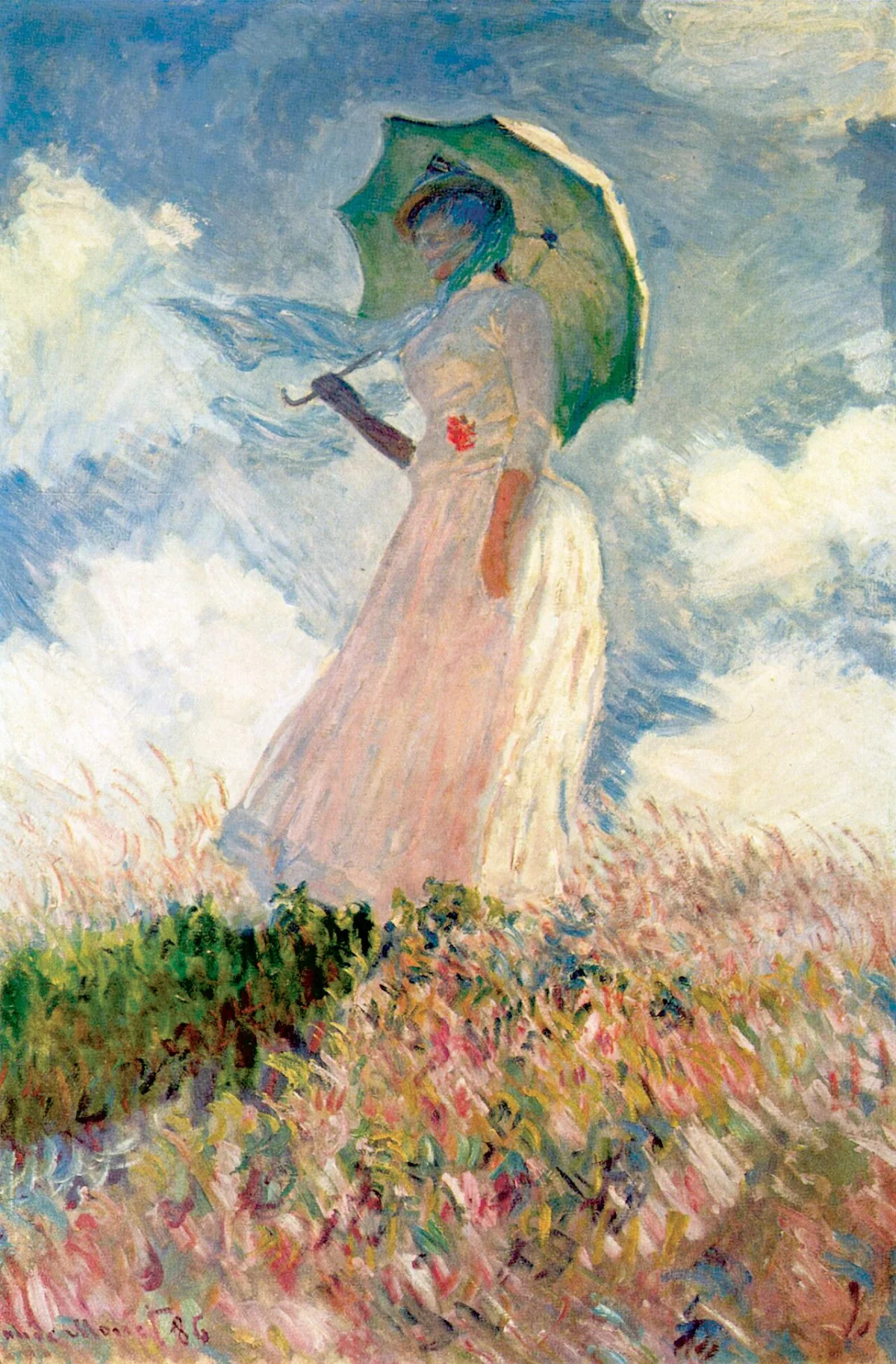
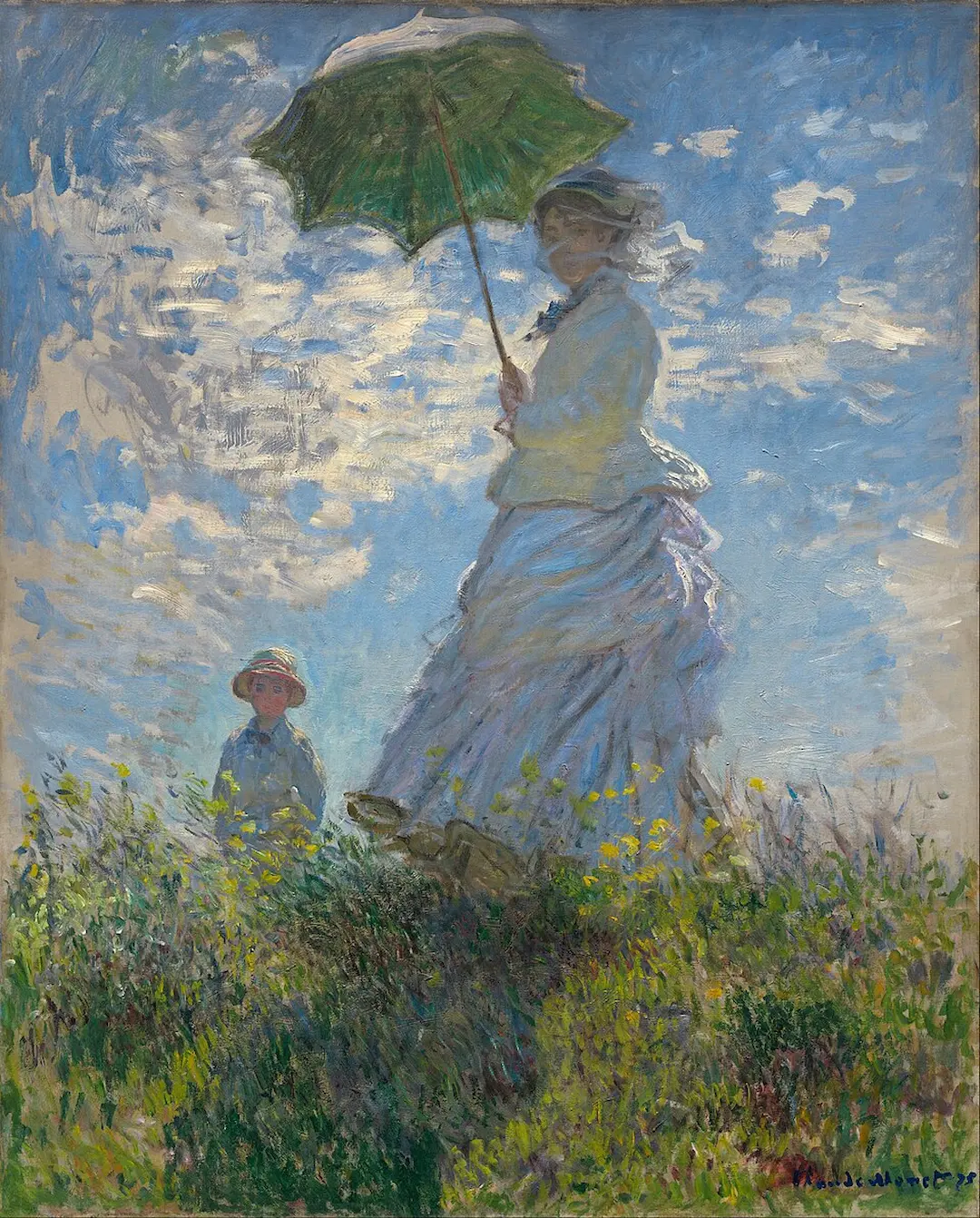
Monet’s "Study Of A Figure Outdoors Woman With A Parasol, Facing Left" demonstrates his mastery of oil on canvas, utilizing quick, expressive brushwork to evoke movement and atmosphere. The delicate interplay of light and color is a hallmark of Impressionism, bringing the scene to vibrant life. Art lovers often seek similar works, including "Wild Poppies" and "Near Argenteuil," to appreciate Monet’s innovative approach to oil on canvas and his profound impact on modern art.
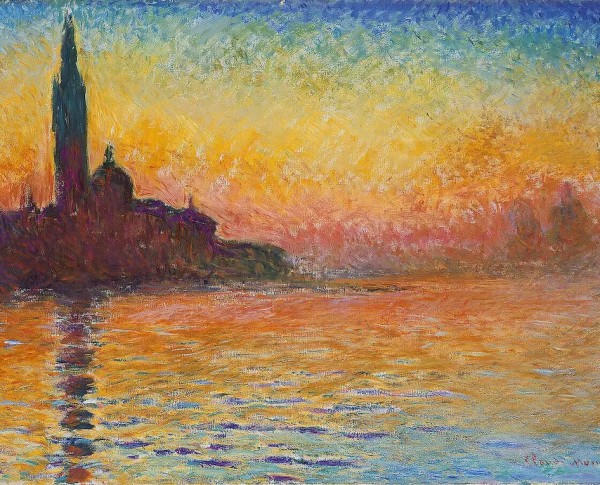
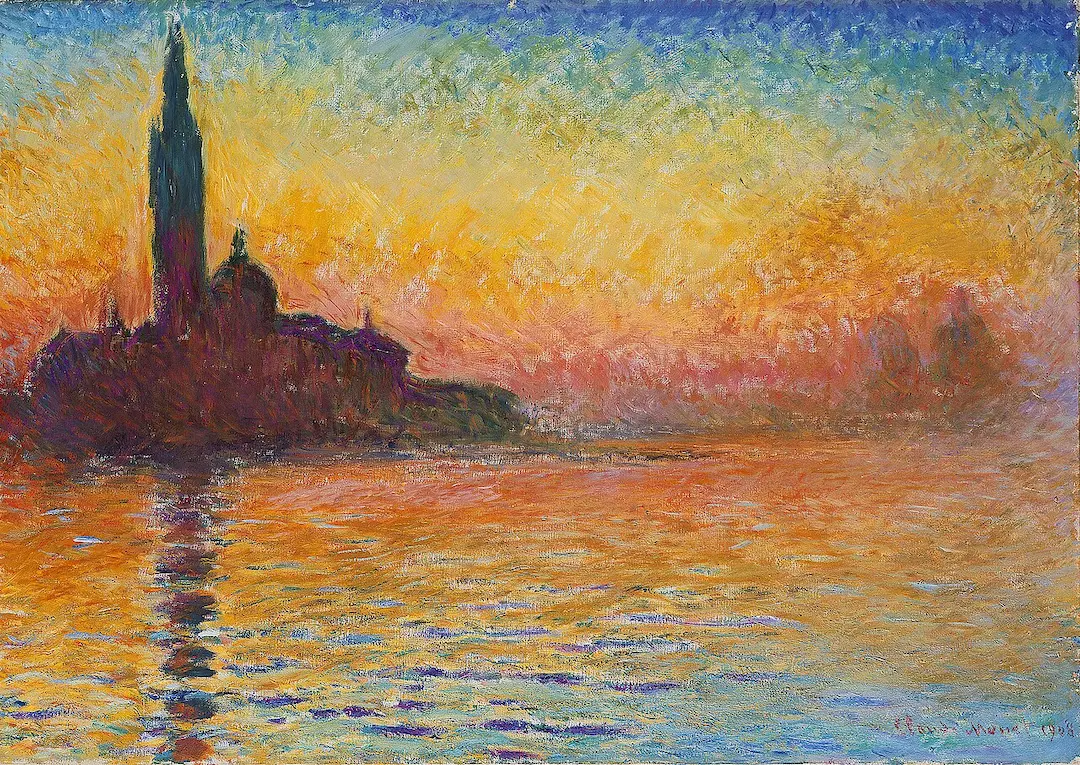
This fine art painting for sale invites viewers to interpret the symbolism behind the woman’s presence and the natural setting. Monet’s portrayal of fleeting moments in "Study Of A Figure Outdoors Woman With A Parasol, Facing Left" reflects the Impressionist fascination with light and daily life. Collectors and enthusiasts connect this piece with related products like "San Giorgio Maggiore At Dusk" and "Lighthouse at the Hospice," each telling unique stories through Monet’s visionary lens.
Owning "Study Of A Figure Outdoors Woman With A Parasol, Facing Left" offers a chance to possess a remarkable hand-painted oil painting from a master of Impressionism. Claude Monet’s works are prized additions to any collection, admired for their emotional depth and historical value. This painting, along with noted pieces like "Spring Flowers" and "Near Argenteuil," represents the pinnacle of fine art painting for sale, making them coveted treasures for discerning collectors.
When Art Meets History
"Study Of A Figure Outdoors Woman With A Parasol, Facing Left" by Claude Monet is a remarkable example of Impressionism, a movement that redefined the art world in the 19th century. Painted during a time when artists sought to capture fleeting moments, this hand-painted oil painting reflects Monet’s innovative spirit. Related works such as "Umbrellas" and "Paris Street - Rainy Weather 1877" also demonstrate how Impressionism merged modern life with artistic exploration, forever changing the course of art history.
Techniques That Speak
Monet’s signature brushwork and mastery of color are evident in this oil on canvas. The painting’s vibrant palette and loose, expressive strokes embody the essence of Impressionism, also seen in related pieces like "Blue Dancers" and "Spring Bouquet." Monet’s technique creates a sense of movement and atmosphere, drawing viewers into the outdoor scene. This approach, shared by other Impressionist painters, highlights the immediacy and spontaneity that define the movement and its most celebrated works.
Emotions on Display
The subject of "Study Of A Figure Outdoors Woman With A Parasol, Facing Left" radiates tranquility and gentle introspection, hallmarks of Monet’s fine art painting for sale. The interplay of light and shadow across the figure and landscape evokes a sense of peace, inviting viewers to experience the artist’s vision firsthand. Similar emotional depth can be found in Monet’s "Les orangers" and other Impressionist masterpieces, which convey the subtle beauty of everyday moments through masterful artistry.
Coveted by Collectors
Today, this painting is highly sought after by collectors who appreciate the significance of Monet’s work within the Impressionism movement. As with his other oil on canvas achievements, such as "Umbrellas" and "Paris Street - Rainy Weather 1877," this piece represents a pivotal moment in art history. Its enduring appeal and historical importance make it a prized addition to any collection, ensuring that Monet’s legacy continues to thrive among art enthusiasts worldwide.
Related Impressionism Hand-Painted Oil Paintings by Other Artists
Other Famous Impressionism Artists:
Frequently Asked Questions About Study Of A Figure Outdoors Woman With A Parasol, Facing Left
What is the historical context of Claude Monet's painting?
This painting was created during the late 19th century, a period characterized by the Impressionist movement, which sought to capture the effects of light and atmosphere in everyday scenes.
What artistic techniques did Monet employ in this painting?
Monet utilized loose brushwork and a vibrant color palette to convey the play of light and shadow, characteristic of his Impressionist style.
What is the significance of the parasol in the painting?
The parasol serves as a symbol of leisure and femininity, highlighting the role of women in the social contexts of the time, as well as providing a contrast to the natural elements in the scene.
How does this painting reflect Monet's interest in outdoor scenes?
Monet was fascinated by the changing qualities of light and atmosphere in outdoor settings, and this painting exemplifies his dedication to capturing these fleeting moments in nature.
What influences can be seen in Monet's use of color in this artwork?
Monet's use of color is influenced by the natural landscape and the effects of sunlight, employing a palette that emphasizes brightness and vibrancy, typical of his Impressionist approach.
In what ways does this painting showcase Monet's departure from traditional art forms?
This painting departs from traditional realism by focusing on the overall impression rather than detailed accuracy, embracing spontaneity and emotional resonance over precise representation.
What role does the figure of the woman play in the composition?
The woman serves as a focal point, drawing the viewer's eye while also embodying the themes of leisure and the beauty of the natural world, integral to Impressionist ideals.
How does this work fit into Monet's broader body of work?
This painting is representative of Monet's exploration of light and color, aligning with his series of works that depict figures in natural settings, showcasing his evolving style throughout his career.
What is the significance of the left-facing orientation of the figure?
The left-facing orientation may suggest a sense of movement and engagement with the surrounding environment, inviting the viewer to consider the relationship between the figure and nature.
How has this painting been received in the art historical canon?
This painting is regarded as a significant example of Impressionism, illustrating Monet's innovative techniques and contributing to the movement's legacy in the art historical narrative.






















_GFM_Painting_(1).webp)


 100% Hand-Painted: Finished in 3-6 Weeks

.png)















_(1).webp)