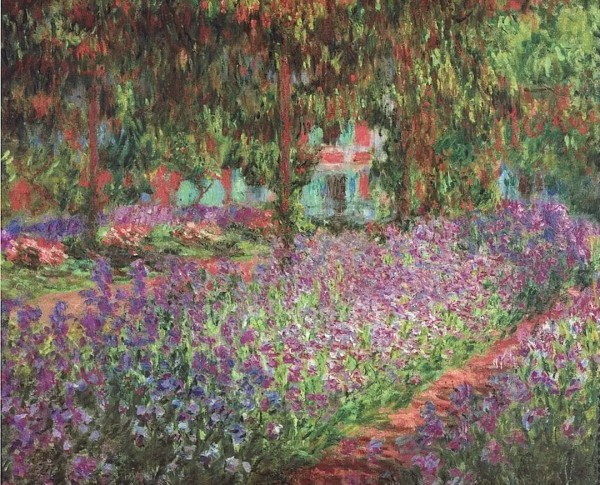
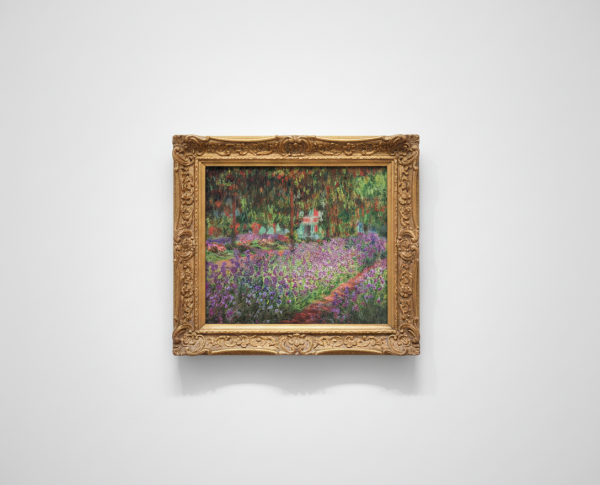
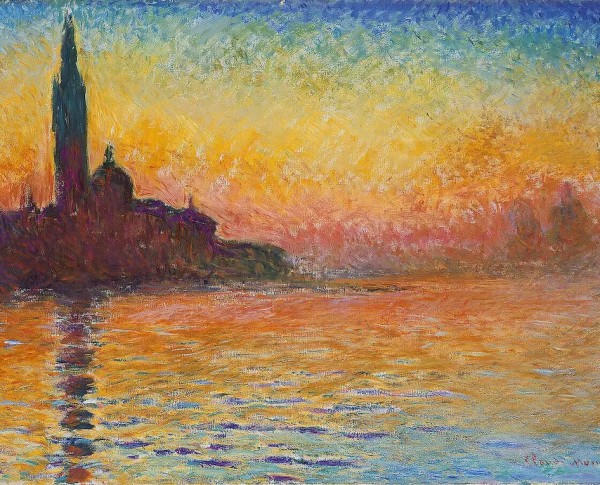
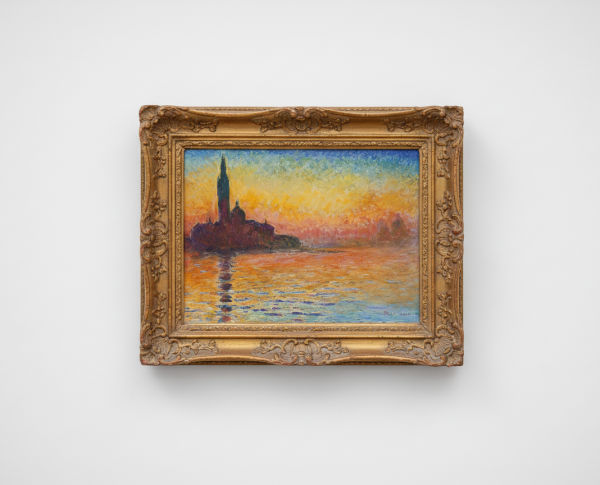
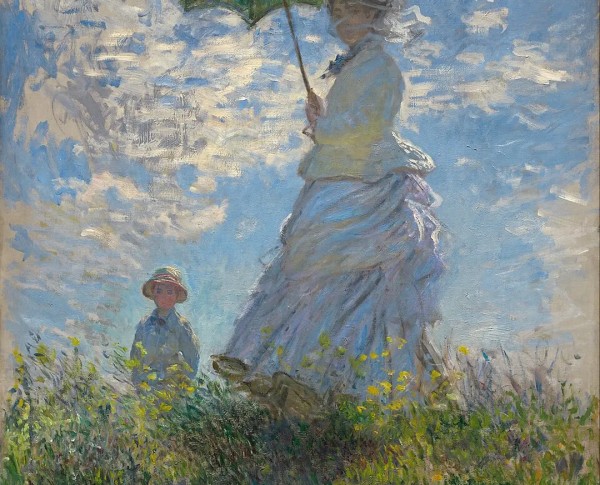
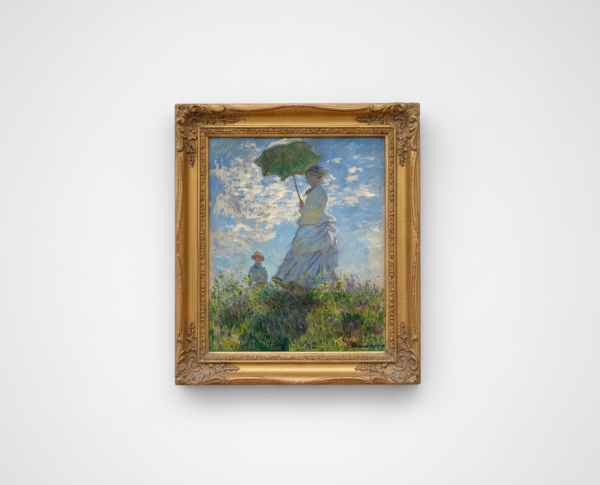
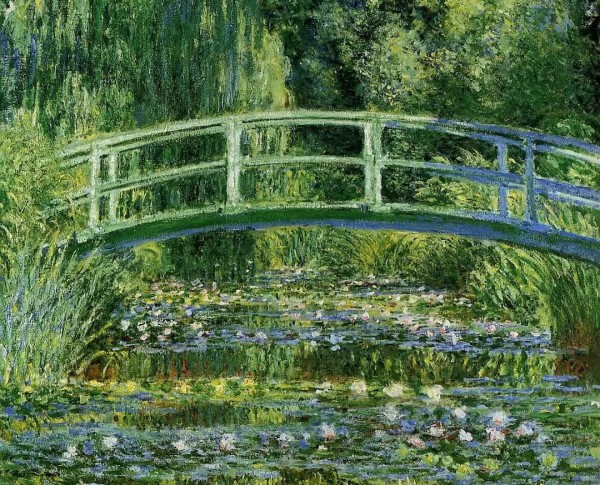
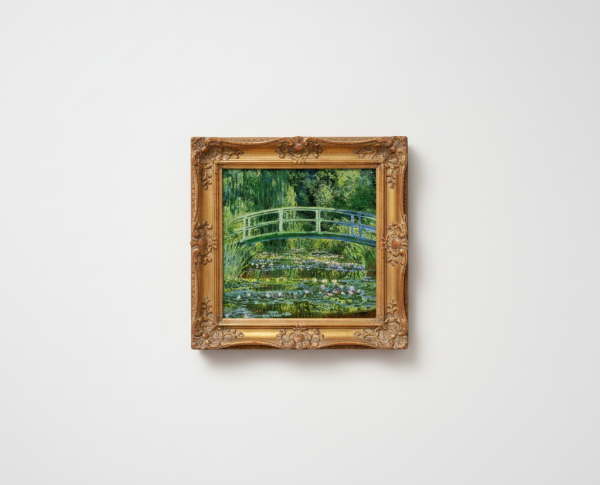
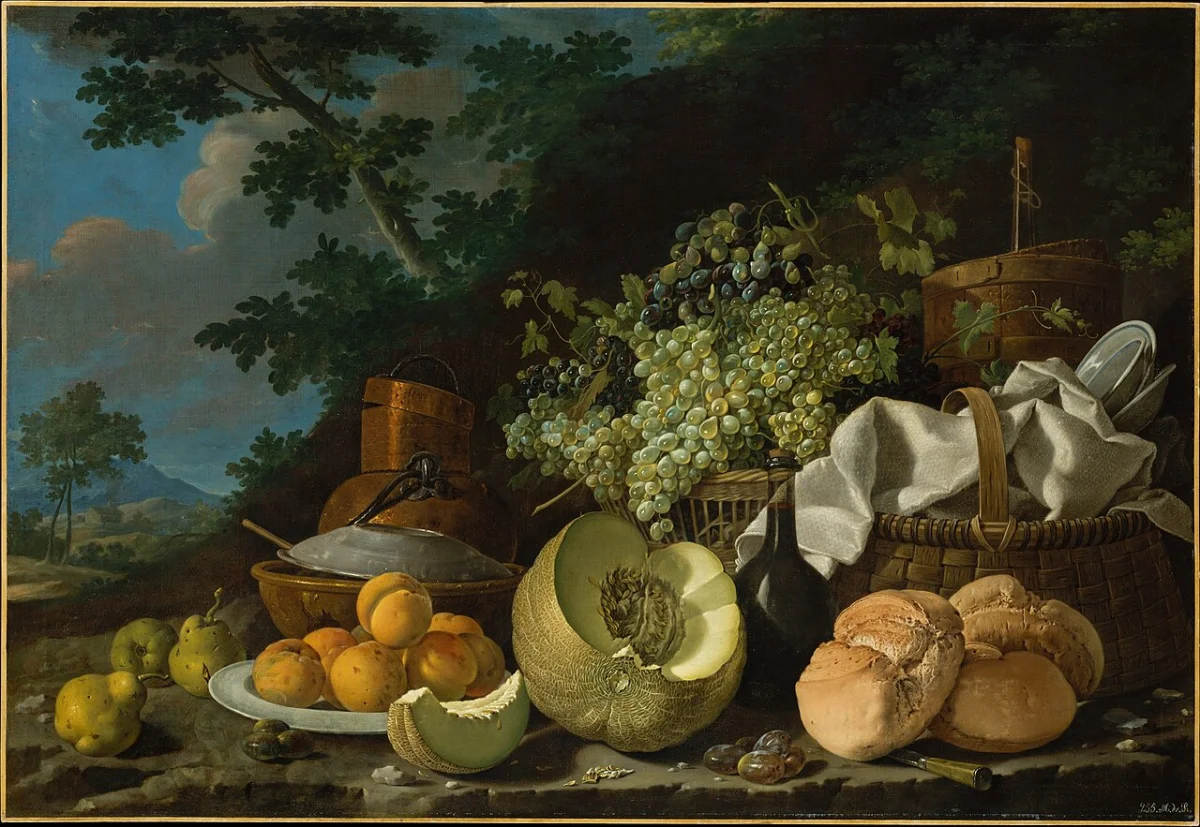
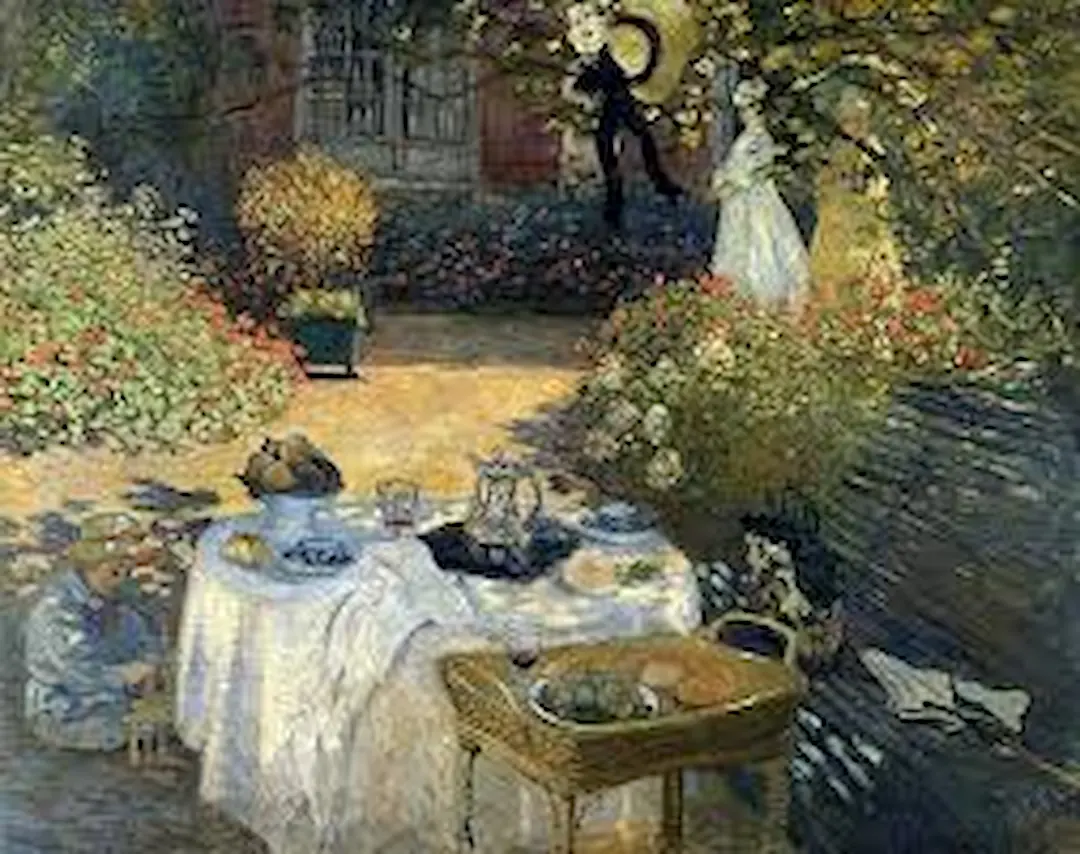
Monet’s "The Afternoon Meal" demonstrates his innovative approach to oil on canvas, where vibrant colors and dynamic brushwork create depth and emotion. The Impressionism movement, led by artists like Monet, revolutionized traditional techniques, making each fine art painting for sale a testament to artistic freedom. Admirers of Monet’s mastery may also appreciate related works like "Women in the Garden" and "The Cliff Walk at Pourville" for their captivating compositions and luminous palettes.
Within "The Afternoon Meal," Monet weaves stories through subtle symbolism, inviting viewers to interpret the daily rituals and intimate gatherings depicted in this hand-painted oil painting. Impressionism sought to capture the essence of modern life, and Monet’s work resonates with those who cherish meaningful moments. Art lovers looking for complementary pieces may explore "La Pie" or "Still Life With Bottles," both of which echo the narrative depth found in Monet’s masterpieces.
Owning "The Afternoon Meal" as an oil on canvas offers collectors a unique opportunity to possess a piece of Impressionist history. Claude Monet’s contributions to the movement have made his works highly sought after, with each fine art painting for sale representing a blend of beauty and cultural significance. For a truly distinguished collection, consider pairing this artwork with related products such as "The Pointe of Heve" or "Women in the Garden" to showcase Monet’s diverse artistic range.
When Art Meets History
"The Afternoon Meal" by Claude Monet is a remarkable example of the Impressionism movement, capturing a tranquil moment of daily life in late 19th-century France. This hand-painted oil painting reflects Monet’s fascination with light and atmosphere, much like his other works such as "Umbrellas," "Paris Street; Rainy Day," and "The Seine At Asnieres Aka The Skiff." Monet's innovative approach places "The Afternoon Meal" among the most celebrated pieces in Impressionist art history.
Techniques That Speak
Monet’s mastery shines through in "The Afternoon Meal" with his signature quick, expressive brushstrokes and delicate color palette. The oil on canvas technique allows for vibrant interplay of light and shadow, giving life to the scene. As seen in related paintings like "Dancers In Pink" and "Dance At The Moulin De La Galette," Monet’s technique captures fleeting moments with remarkable clarity, solidifying his reputation as a pioneer of the Impressionism movement.
Emotions on Display
In "The Afternoon Meal," Claude Monet conveys a serene, intimate atmosphere, inviting viewers to experience the gentle rhythms of everyday life. The fine art painting for sale radiates warmth and comfort, much like the emotions found in "The Seine At Asnieres Aka The Skiff" and "Dancers In Pink." Through subtle gestures and soft lighting, Monet’s Impressionist style evokes nostalgia and contentment, making this masterpiece resonate with art lovers across generations.
Coveted by Collectors
"The Afternoon Meal" continues to captivate collectors and enthusiasts of Impressionism worldwide. As a hand-painted oil painting, it holds significant value among Monet’s body of work, alongside treasures like "Dance At The Moulin De La Galette." The demand for such fine art painting for sale remains high, with collectors drawn to Monet’s unique vision and the timeless beauty he imparts to each canvas, securing his legacy in the art market.
Related Impressionism Hand-Painted Oil Paintings by Other Artists
Other Famous Impressionism Artists:
Frequently Asked Questions About The Afternoon Meal
What is the historical context of "The Afternoon Meal"?
"The Afternoon Meal," painted by Claude Monet in 1868, reflects the Impressionist movement's early development, which sought to capture the effects of light and atmosphere in everyday scenes. This period was marked by a departure from traditional artistic conventions, embracing a more spontaneous and naturalistic approach.
What artistic techniques did Monet use in "The Afternoon Meal"?
Monet employed loose brushwork and a vibrant color palette to convey the play of light on surfaces and the surrounding environment. His technique of applying paint in short, quick strokes allows for a sense of immediacy and movement, characteristic of Impressionist art.
What themes are explored in "The Afternoon Meal"?
The painting explores themes of leisure and domesticity, capturing a moment of tranquility and intimacy among family or friends. It reflects the changing social dynamics of the time, where outdoor dining became a symbol of modern life and enjoyment of nature.
How does "The Afternoon Meal" exemplify Impressionism?
This work exemplifies Impressionism through its emphasis on light effects, informal composition, and the portrayal of everyday life. Monet’s focus on capturing a fleeting moment aligns with the movement's goal of depicting the world as perceived by the artist in that instant.
What symbolic elements can be found in "The Afternoon Meal"?
The arrangement of figures and the setting symbolize harmony and the joys of communal life. The outdoor setting signifies a connection to nature, while the act of sharing a meal represents social bonds and the importance of family or friendship.
What influences can be seen in Monet's style in this painting?
Monet was influenced by earlier artists such as Édouard Manet and the Barbizon school, which emphasized naturalistic landscapes. His exposure to Japanese woodblock prints also inspired his use of color and composition, evident in the balance of elements within "The Afternoon Meal."
What is the significance of the color palette in "The Afternoon Meal"?
The color palette is significant as it captures the warmth of the afternoon light, with soft yellows, greens, and blues creating a serene atmosphere. This choice enhances the painting's mood and reflects Monet's fascination with the effects of light on color.
How does "The Afternoon Meal" reflect Monet's personal experiences?
This painting reflects Monet's personal experiences of leisure and family life, often depicted in his works. It captures the essence of his own enjoyment of nature and the simple pleasures of life, emphasizing the importance of these moments in his artistic vision.
Where can "The Afternoon Meal" be viewed today?
"The Afternoon Meal" is part of a private collection and is occasionally exhibited in major art galleries around the world. Its presence in exhibitions allows audiences to appreciate Monet's contribution to the Impressionist movement.
What impact did "The Afternoon Meal" have on the art world?
The painting contributed to the growing recognition of Impressionism as a legitimate art movement, influencing future generations of artists. Its innovative approach to light and color paved the way for modern art, encouraging artists to explore new techniques and subjects.






















_GFM_Painting_(1).webp)


 100% Hand-Painted: Finished in 3-6 Weeks

.png)















_(1).webp)