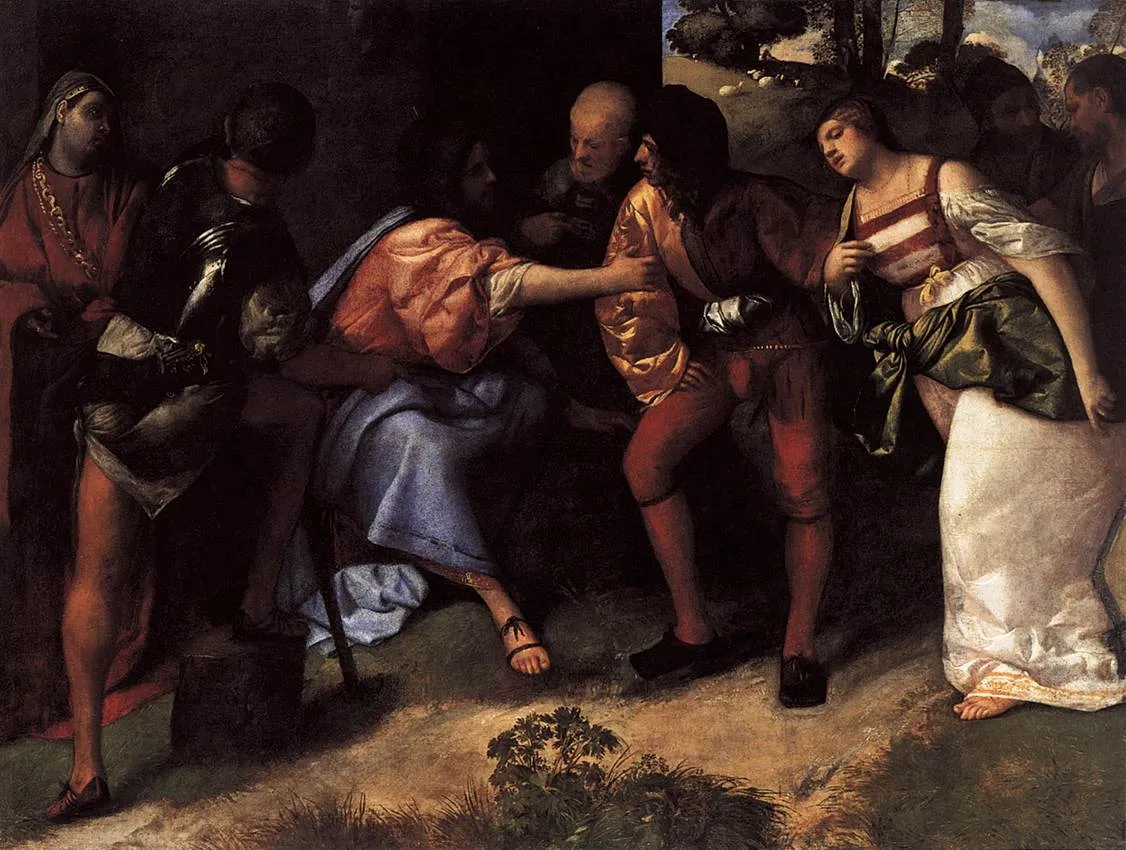
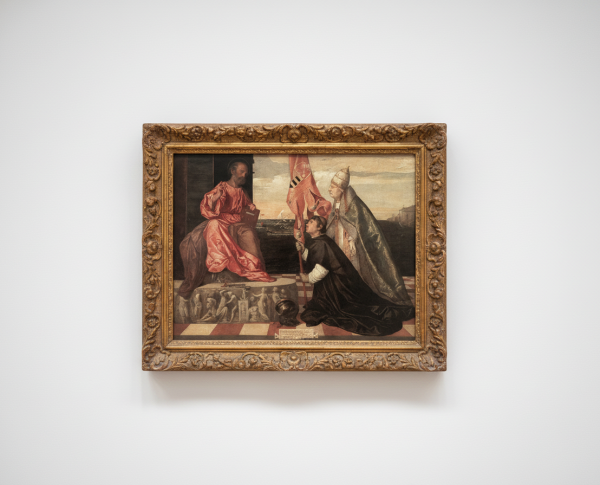
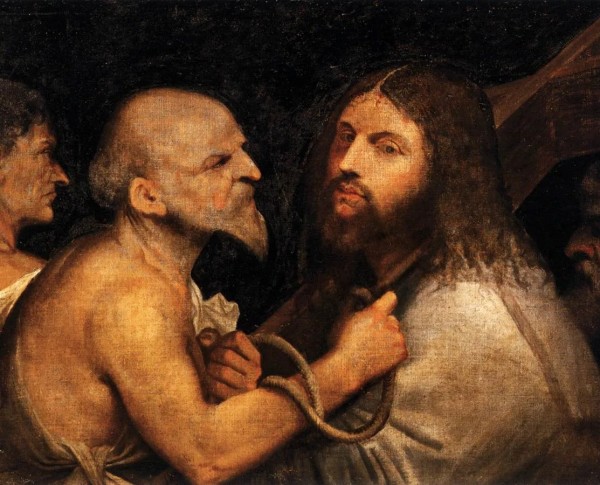
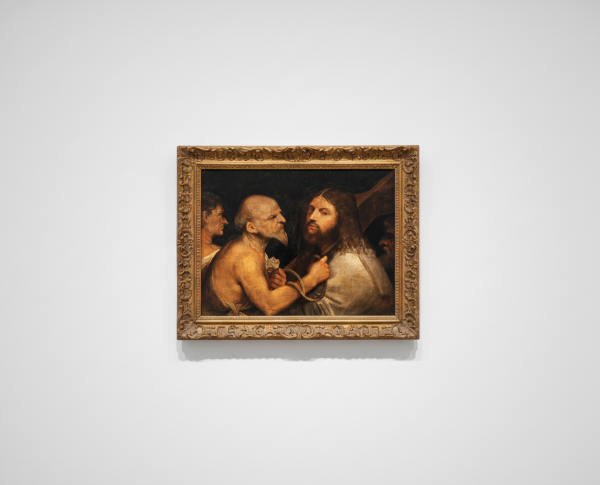
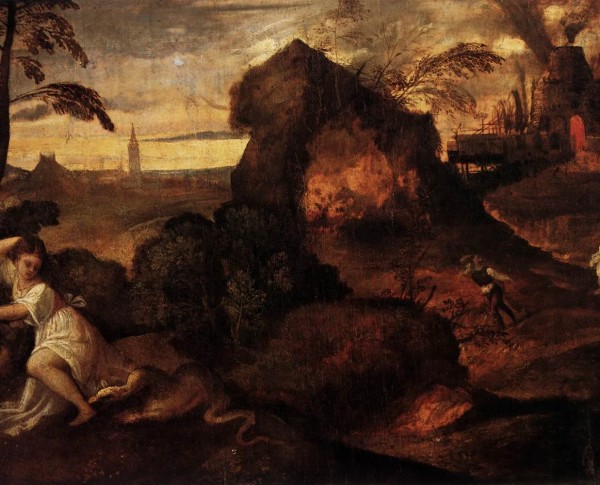
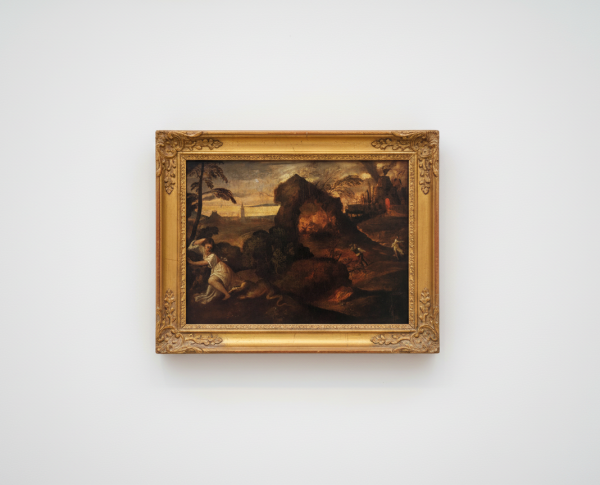
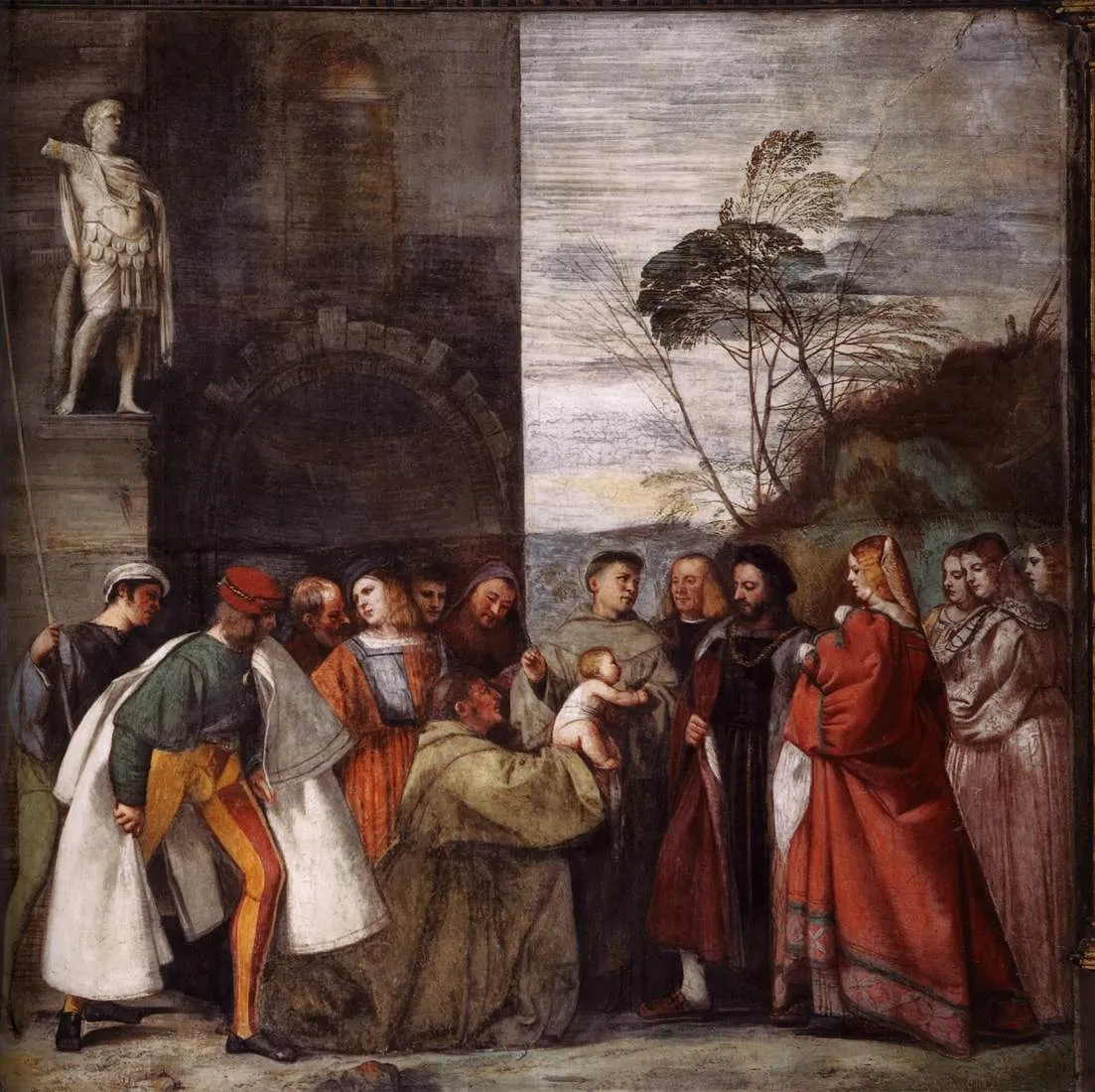
Crafted with exquisite detail, this oil on canvas by Tiziano Vecelli exemplifies the technical prowess that defined the Renaissance. Each brushstroke reflects Titian’s mastery of color, light, and composition, drawing viewers into the miraculous narrative. The painting’s harmonious balance and realistic figures are qualities shared by related works such as "Saint Mark Enthroned" and "The Birth of Adonis," making it a must-see for enthusiasts of Renaissance oil on canvas masterpieces.
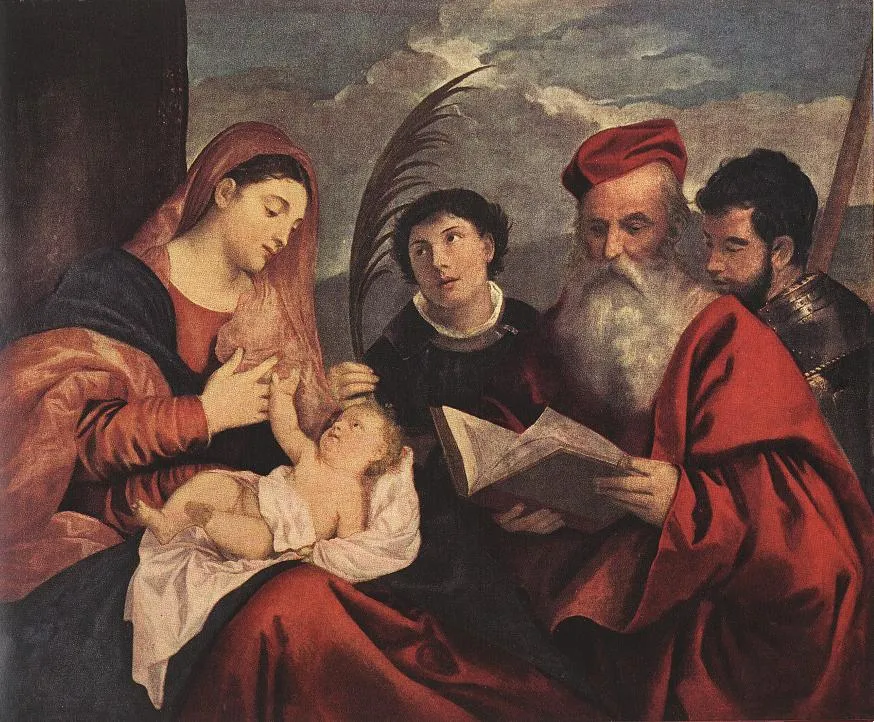
Every element in "The Miracle of the Newborn Child" holds deep symbolic meaning, characteristic of Renaissance storytelling. Tiziano Vecelli’s fine art painting for sale weaves together themes of faith, hope, and renewal, much like his "Madonna and Child with Sts Anthony of Padua and Roch." The nuanced gestures and expressive faces invite viewers to interpret the layers of narrative, making this painting a profound addition to the legacy of Renaissance symbolism.
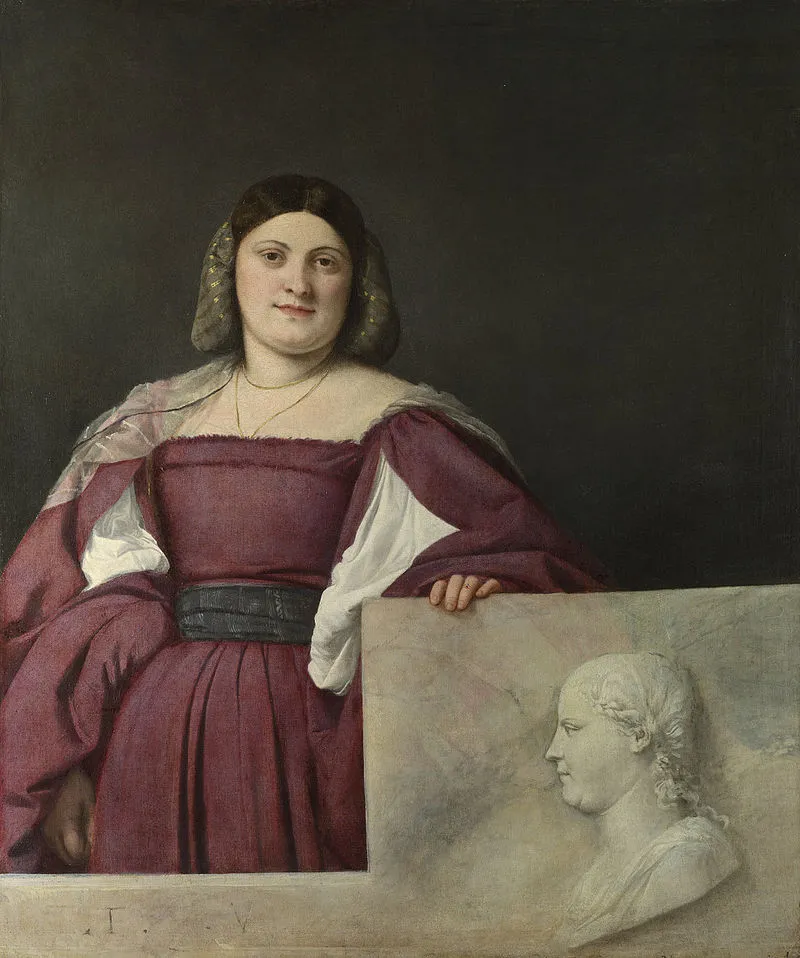
For collectors and admirers of Renaissance art, "The Miracle of the Newborn Child" by Tiziano Vecelli is a prized acquisition. This hand-painted oil painting is often sought after alongside other iconic pieces such as "Portrait of a Woman." Its historical significance and exceptional artistry ensure it remains a coveted fine art painting for sale, cherished by those who appreciate the enduring beauty and mastery of the Renaissance movement.
When Art Meets History
"The Miracle of the Newborn Child" by Tiziano Vecelli, a master of the Renaissance, beautifully intertwines religious narrative and historical context. This hand-painted oil painting reflects the era's fascination with miraculous tales and spiritual transformation. Like Tiziano's "Conversion of Mary Magdalene" and "Allegory of the Battle of Lepanto," this masterpiece invites viewers to witness moments of divine intervention, connecting history and faith through the artist's extraordinary vision and mastery of storytelling on canvas.
Techniques That Speak
Tiziano Vecelli's "The Miracle of the Newborn Child" exemplifies the technical prowess of the Renaissance, particularly through his skilled use of oil on canvas. The artist's mastery of color blending, subtle gradations, and realistic textures brings the scene vividly to life. Similar to his works "Lucretia" and "Madonna Enthroned with Child," Tiziano's brushwork and attention to detail showcase why oil on canvas became the preferred medium for capturing complex emotions and intricate narratives during this influential period.
Emotions on Display
In "The Miracle of the Newborn Child," Tiziano Vecelli captures a profound range of emotions, from awe and reverence to hope and joy. This fine art painting for sale invites viewers to connect with the figures' expressions and gestures, echoing the emotive power seen in "St John the Baptist" and "St Louis of Toulouse and Donors." Through dramatic lighting and composition, Tiziano transforms a miraculous event into an intimate, relatable experience that resonates across centuries.
Coveted by Collectors
As a quintessential Renaissance masterpiece, "The Miracle of the Newborn Child" by Tiziano Vecelli is highly sought after by art enthusiasts and collectors. The painting's historical significance and exquisite technique make it a prized hand-painted oil painting. Alongside related works like "Iseppo and Adriano da Porto," owning a piece by Tiziano offers a tangible connection to the grandeur of Renaissance art, ensuring its place as a highlight in any distinguished collection.
Related Renaissance Hand-Painted Oil Paintings by Other Artists
Other Famous Renaissance Artists:
Frequently Asked Questions About The Miracle of the Newborn Child
What is the historical context of "The Miracle of the Newborn Child"?
"The Miracle of the Newborn Child" was painted during the Renaissance period, a time marked by a renewed interest in classical themes and humanism. Tiziano Vecelli, known as Titian, created this work in the early 16th century, reflecting the cultural and religious dynamics of the time, particularly the significance of childbirth and motherhood in society.
What artistic techniques did Titian employ in this painting?
Titian utilized oil on canvas to create "The Miracle of the Newborn Child," allowing for rich color saturation and depth. His mastery of light and shadow, known as chiaroscuro, enhances the three-dimensionality of the figures, while his loose brushwork adds a sense of movement and emotional intensity to the scene.
What are the main themes represented in the painting?
The painting explores themes of divine intervention, motherhood, and the sanctity of life. It captures the moment of a miraculous birth, emphasizing the joy and wonder associated with new life, as well as the spiritual significance of such events in the context of faith.
Who are the figures depicted in "The Miracle of the Newborn Child"?
The painting features the Virgin Mary, who is often depicted as the central figure, cradling the newborn child, symbolizing purity and maternal love. Surrounding her are various saints and angels, each contributing to the overall narrative of divine blessing and protection over the child.
What symbolism is present in the painting?
The newborn child represents hope and the promise of salvation, while the Virgin Mary symbolizes compassion and maternal care. The presence of angels and saints signifies divine approval and the spiritual importance of the event, reinforcing the painting's religious undertones.
How does Titian's style reflect the characteristics of the Venetian Renaissance?
Titian's style embodies the Venetian Renaissance through his use of vibrant colors, emotional expression, and a focus on light. His ability to convey human emotion and the beauty of the human form aligns with the era's emphasis on realism and the celebration of the natural world.
What influence did "The Miracle of the Newborn Child" have on later artists?
This painting influenced subsequent generations of artists by establishing a benchmark for the depiction of religious themes with emotional depth and realism. Titian's innovative techniques in color and composition inspired both Baroque and later Romantic artists in their explorations of similar subjects.
What role did patronage play in the creation of this artwork?
Patronage was crucial during the Renaissance, and Titian often worked for wealthy patrons, including the Venetian nobility and the Church. This painting likely reflects the desires of its patrons to convey their piety and social status through the commissioning of significant religious works.
How does this painting compare to Titian's other works?
"The Miracle of the Newborn Child" shares thematic similarities with Titian's other religious works, such as "The Assumption of the Virgin." However, it is distinct in its intimate portrayal of motherhood and the miraculous, showcasing Titian's versatility in addressing different aspects of faith and human experience.
What is the current location of "The Miracle of the Newborn Child"?
The painting is housed in a prominent art gallery, where it continues to be studied and admired for its artistic merit and historical significance. Its placement within the gallery allows for contextual appreciation alongside other masterpieces of the Renaissance.























_GFM_Painting_(1).webp)


 100% Hand-Painted: Finished in 3-6 Weeks

.png)
















_(1).webp)