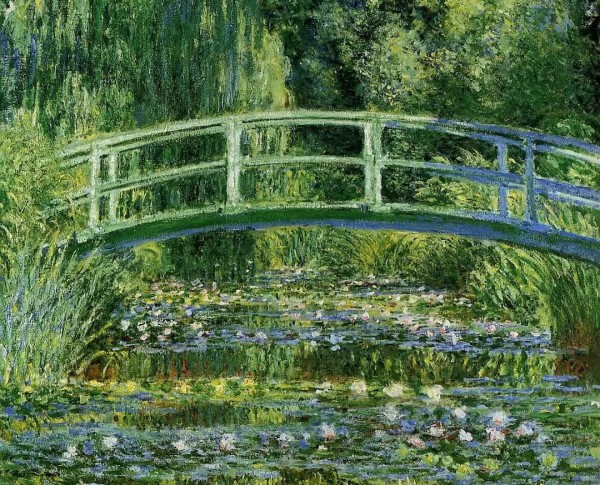
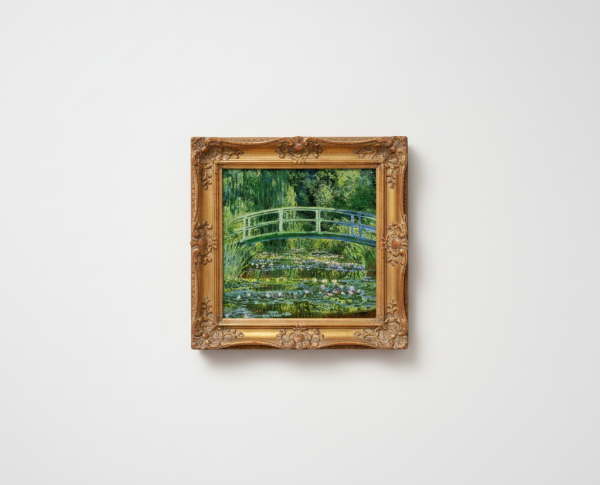
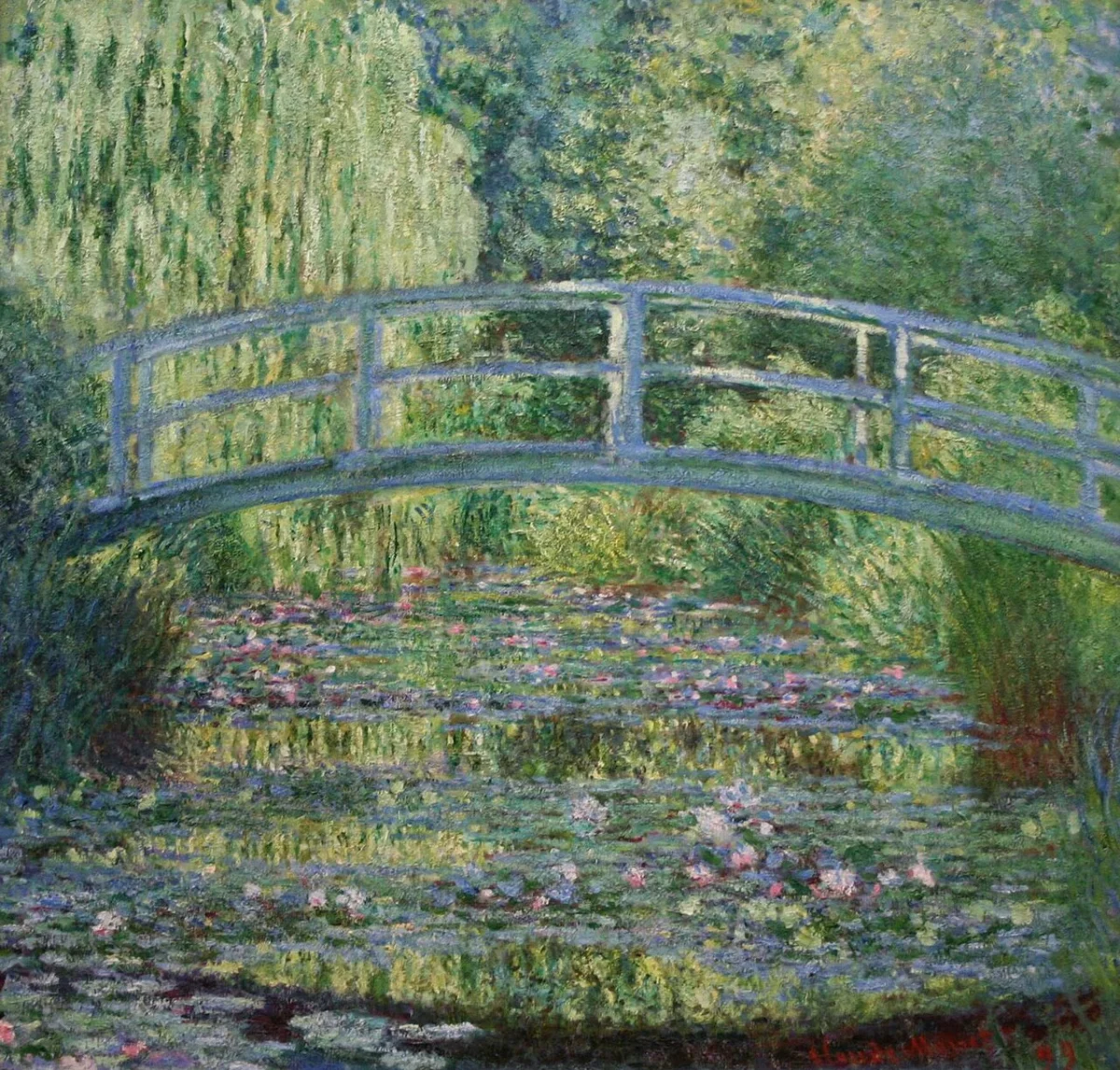
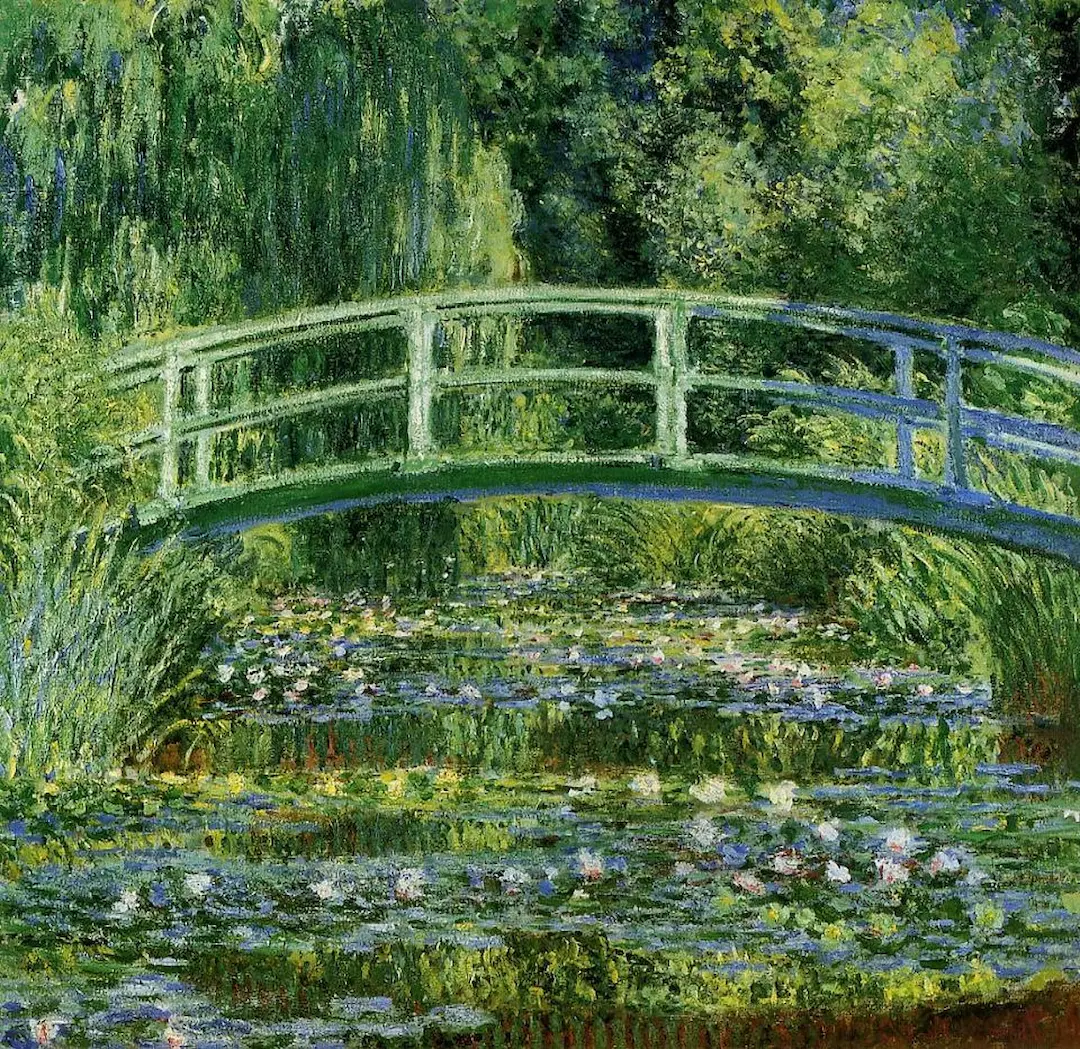
Monet’s technique in "The Water Lily Pond Green Harmony" showcases his exceptional skill with oil on canvas, blending lush greens and shimmering reflections. Each brushstroke is meticulously placed, creating a sense of movement and tranquility that defines Impressionism. The artist’s mastery is echoed in his other works, such as "A Farmyard in Normandy" and "Regatta at Sainte-Adresse," offering art enthusiasts a chance to own a piece of history through these exquisite oil paintings.
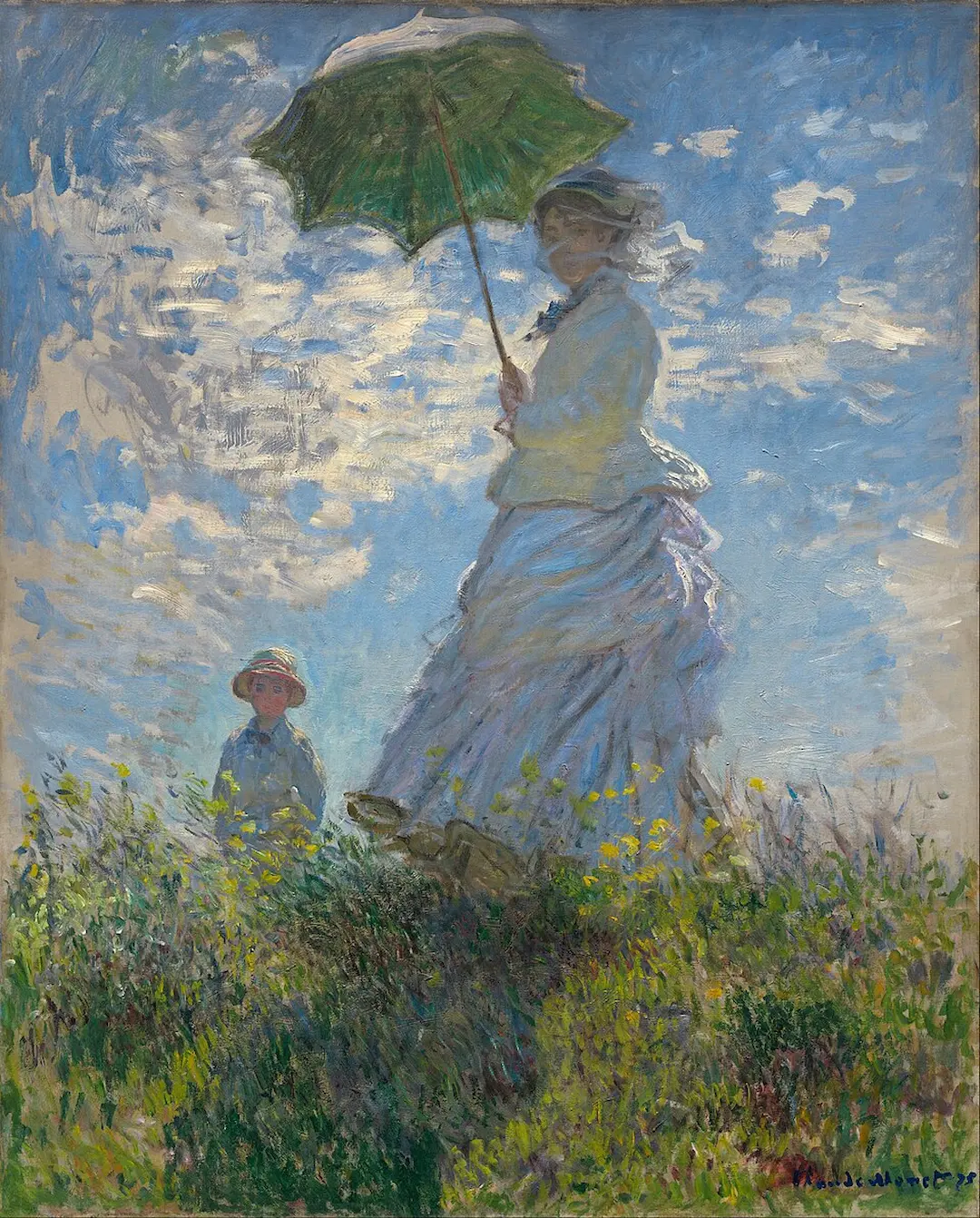
Within "The Water Lily Pond Green Harmony," Monet weaves stories of peace, reflection, and the fleeting beauty of nature, hallmarks of Impressionism. As a fine art painting for sale, it invites viewers to interpret its serene waters and lush surroundings. The symbolic bridge and water lilies evoke tranquility, themes repeated in related works like "The Cliff Walk at Pourville" and "Woman with a Parasol, facing left," enriching any space with their narrative depth.
For collectors seeking fine art painting for sale, "The Water Lily Pond Green Harmony" by Claude Monet represents a crowning achievement within the Impressionism movement. Its unique composition and historical significance make it a prized acquisition. Displaying this masterpiece alongside related products such as "Impression, Sunrise" or "Beach in Pourville" elevates any collection, offering a glimpse into the world of one of art’s most celebrated painters and the enduring allure of oil on canvas.
When Art Meets History
"The Water Lily Pond Green Harmony" by Claude Monet stands as a testament to the Impressionism movement, capturing a pivotal moment in art history. This hand-painted oil painting reflects Monet’s fascination with nature and light, much like his other masterpieces such as "The Fisherman" and "Two Sisters Aka On The Terrace." Monet's work not only shaped the Impressionist era but also inspired generations of artists to explore the beauty of fleeting moments in their own creations.
Techniques That Speak
In "The Water Lily Pond Green Harmony," Monet employs his renowned oil on canvas technique, masterfully blending color and brushwork to evoke a sense of tranquility. The painting’s layered strokes and delicate hues are reminiscent of related works like "Bal du moulin de la Galette" and "Flowers in a Vase." Monet’s techniques invite viewers to experience the shimmering water and lush greenery, hallmark traits of both his personal style and Impressionism as a whole.
Emotions on Display
This fine art painting for sale captures the serene beauty and emotional depth that Claude Monet instilled in his Impressionist pieces. "The Water Lily Pond Green Harmony" radiates peacefulness, drawing viewers into a world of stillness and reflection similar to "Crown of Roses" and other Monet masterpieces. The artist’s brushwork conveys a gentle harmony, allowing emotions to flow freely from canvas to spectator, making each viewing a uniquely personal experience.
Coveted by Collectors
"The Water Lily Pond Green Harmony" remains highly sought after by art enthusiasts eager to own a piece of Impressionist history. Collectors prize this hand-painted oil painting for its significance, much like Monet’s related works such as "The Fisherman" and "Bal du moulin de la Galette." The painting’s timeless appeal, masterful execution, and connection to the Impressionism movement make it a standout addition to any fine art collection.
Related Impressionism Hand-Painted Oil Paintings by Other Artists
Other Famous Impressionism Artists:
Frequently Asked Questions About The Water Lily Pond Green Harmony
What is the historical significance of "The Water Lily Pond Green Harmony"?
This painting, created by Claude Monet in 1919, is significant as it represents the culmination of Monet's exploration of light, color, and form within his beloved garden at Giverny, reflecting the artist's late style and his deep connection to nature.
How does "The Water Lily Pond Green Harmony" reflect Impressionist techniques?
The painting exemplifies Impressionist techniques through its loose brushwork, vibrant colors, and emphasis on the effects of light on the water's surface, capturing a moment in time rather than a detailed representation.
What themes are explored in "The Water Lily Pond Green Harmony"?
The themes of tranquility, harmony with nature, and the passage of time are prevalent in this work, as Monet seeks to evoke a sense of peace and reflection through the serene depiction of his garden pond.
What symbolism is present in "The Water Lily Pond Green Harmony"?
The water lilies symbolize purity and beauty, while the pond itself represents a meditative space, inviting viewers to contemplate the relationship between humanity and nature.
In what ways did Monet's personal life influence "The Water Lily Pond Green Harmony"?
Monet's personal experiences, particularly his later years marked by loss and reflection, deeply influenced this work, as he sought solace in his garden, which became a sanctuary and a source of inspiration.
How does the composition of "The Water Lily Pond Green Harmony" enhance its artistic impact?
The composition features a harmonious balance of color and form, with the circular arrangement of the water lilies drawing the viewer's eye into the painting, creating a sense of depth and immersion in the natural scene.
What role did color play in "The Water Lily Pond Green Harmony"?
Color plays a pivotal role in this painting, with Monet using a palette of greens and blues to evoke a sense of calmness and unity, while contrasting hues illuminate the water lilies, emphasizing their beauty against the tranquil background.
How does "The Water Lily Pond Green Harmony" fit into Monet's broader body of work?
This painting is a key piece within Monet's series of water lily works, showcasing his evolving style and deepening exploration of color and light, which are central themes throughout his oeuvre.
What techniques did Monet employ to create the textures in "The Water Lily Pond Green Harmony"?
Monet utilized a variety of brushstroke techniques, including dabbing and layering, to create rich textures that mimic the natural movement of water and the softness of the lilies, enhancing the painting's overall sensory experience.
What impact did "The Water Lily Pond Green Harmony" have on future generations of artists?
This painting has had a profound impact on future generations, influencing the development of modern art movements such as Abstract Expressionism, as artists continue to explore the interplay of color, form, and emotional resonance in their work.























_GFM_Painting_(1).webp)


 100% Hand-Painted: Finished in 3-6 Weeks

.png)















_(1).webp)