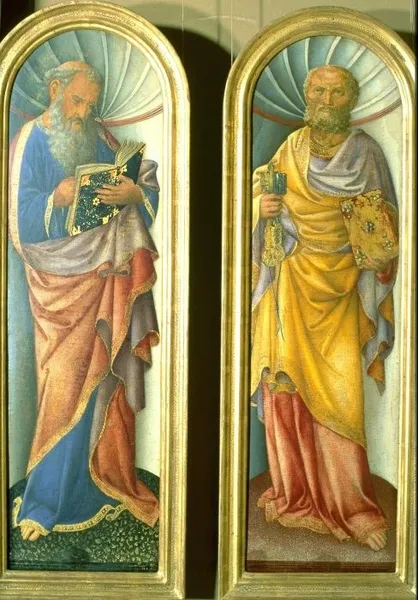
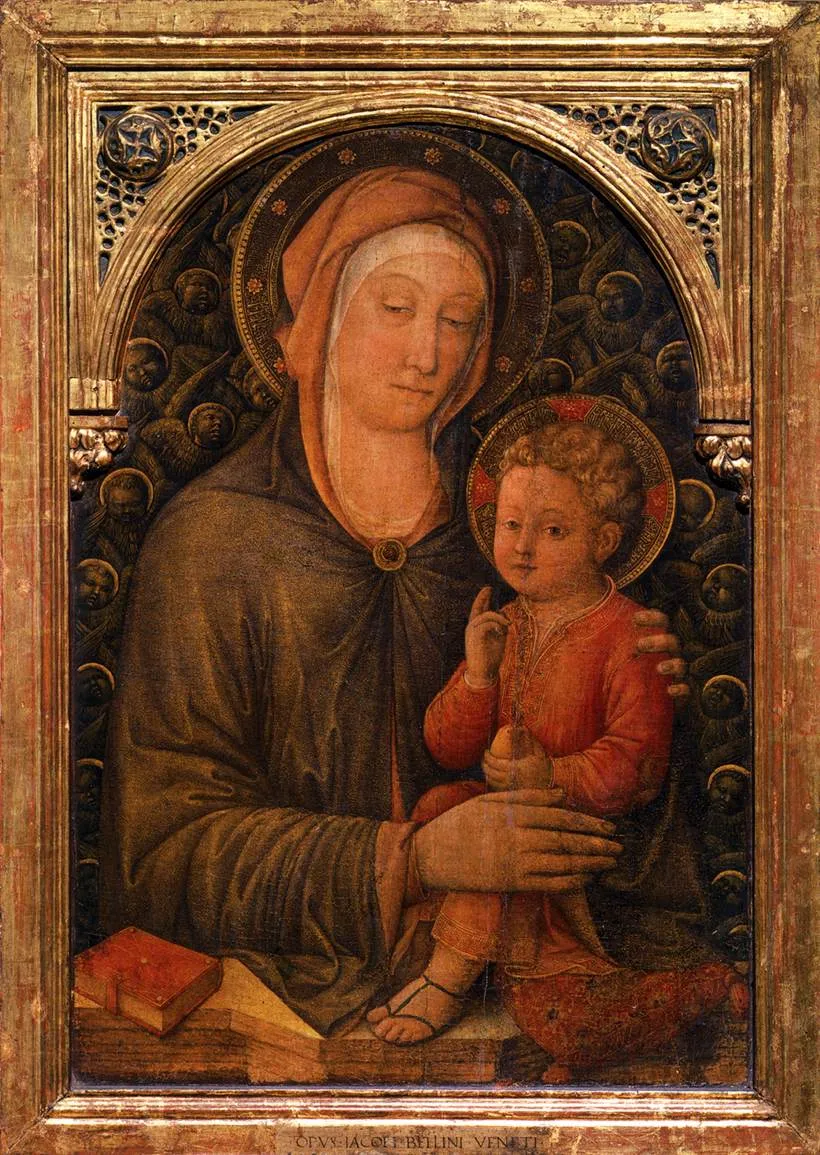
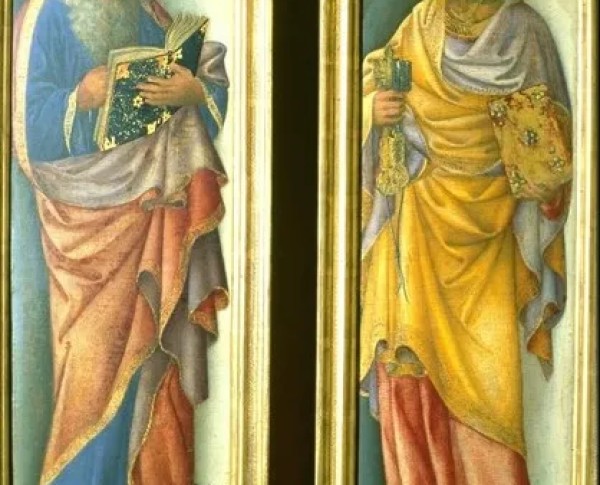
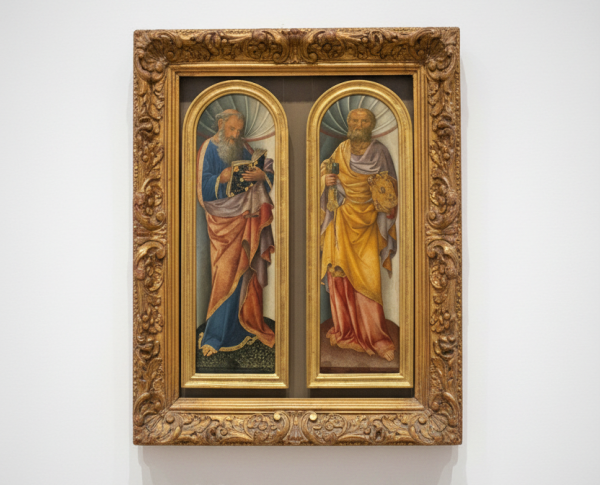
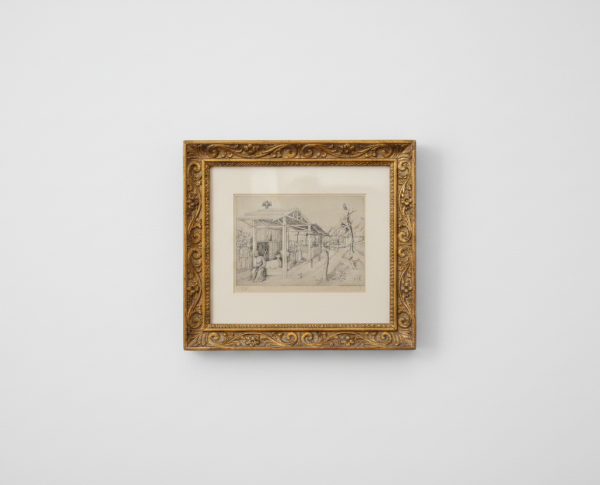
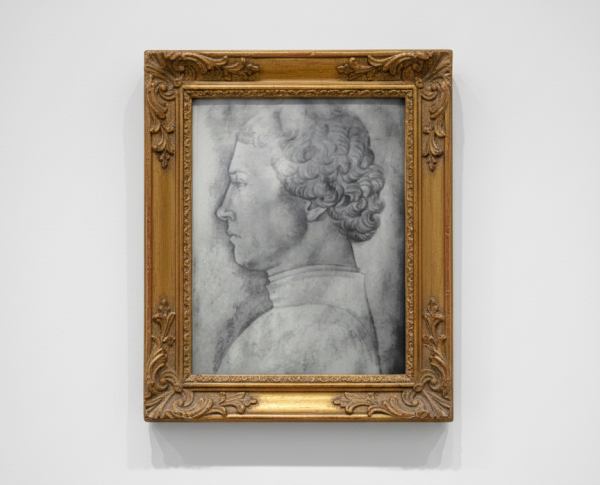
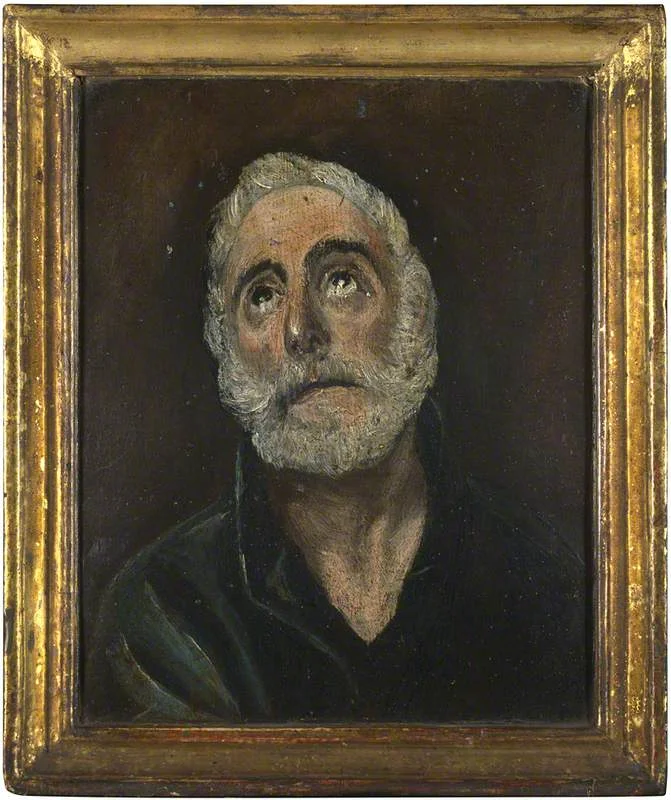
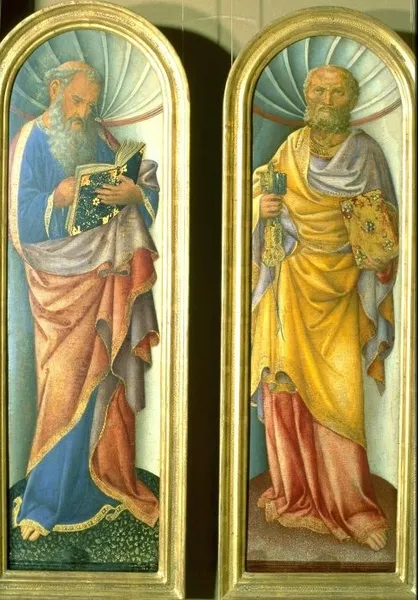
Rendered meticulously in oil on canvas, "Saint Peter" showcases Jacopo Bellini’s remarkable technique and sensitivity to human expression. The Early Renaissance movement emphasized realism and emotion, both of which are evident here. Bellini’s attention to detail parallels that found in "Madonna Tadini" and "Flagellation," making this artwork a prime example of his mastery. The texture and depth achieved through oil on canvas elevate the painting’s visual impact for contemporary viewers and collectors.
"Saint Peter" by Jacopo Bellini is more than a fine art painting for sale; it is a narrative woven with religious iconography and Renaissance symbolism. The apostle’s dignified pose and attributes reflect themes also explored in works like "Album del Louvre" and "epigrafi e monete." Bellini’s use of light and color invites viewers to contemplate the spiritual journey, a hallmark of the Early Renaissance movement that continues to inspire modern audiences.
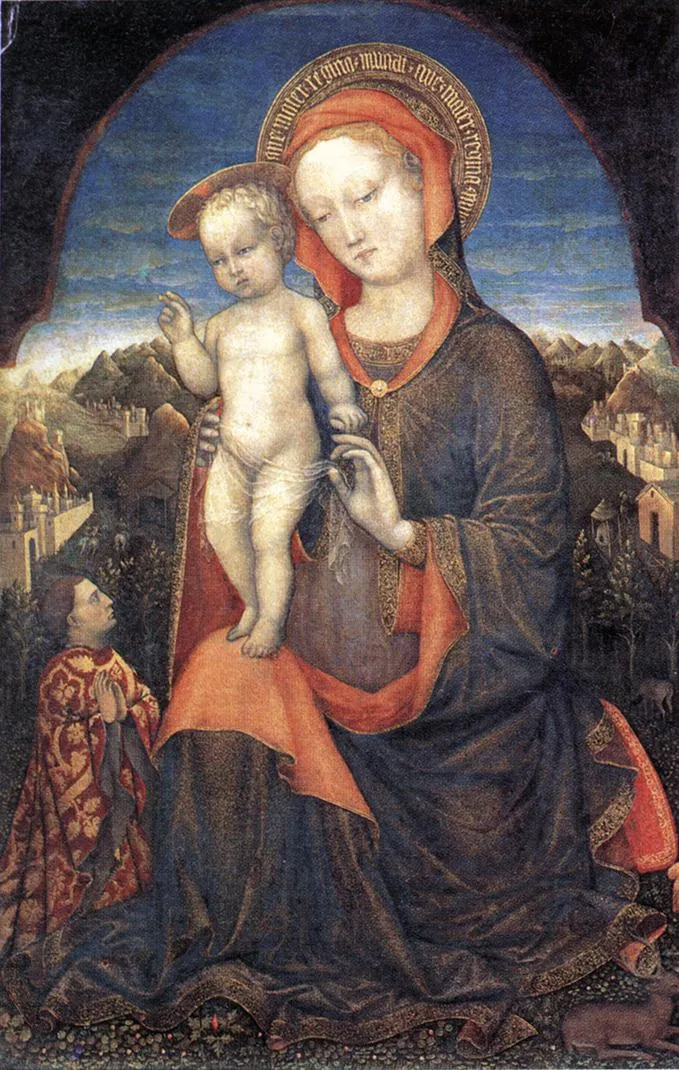
Owning a piece like Jacopo Bellini’s "Saint Peter" is a privilege for any collector seeking an authentic connection to the Early Renaissance. This hand-painted oil painting adds historical and artistic value to any collection, especially alongside related masterpieces such as "The Madonna of Humility Adored by a Prince of the House of Este." With its provenance and significance, "Saint Peter" remains a sought-after fine art painting for sale among discerning art enthusiasts.
When Art Meets History
Jacopo Bellini’s "Saint Peter" stands as a testament to the Early Renaissance, a period rich in artistic innovation. This hand-painted oil painting reflects the era’s devotion to religious subjects and meticulous technique. Bellini, known for masterpieces like "The Annunciation" and "Fortitude," captures Saint Peter’s significance in Christian history. The Early Renaissance movement, with its renewed focus on realism, brings biblical figures to life, making "Saint Peter" a cornerstone among Bellini’s celebrated works.
Techniques That Speak
Bellini’s mastery in "Saint Peter" is evident through his expert use of oil on canvas, a medium that revolutionized Renaissance artistry. The subtle gradations of light and shadow demonstrate Bellini’s dedication to naturalism, a hallmark of the Early Renaissance. His technique connects this painting to related works such as "The Trials of Moses" and "The Flagellation of Christ," showcasing a consistent, refined approach. Each brushstroke in this oil on canvas reveals Bellini’s commitment to detail and realism.
Emotions on Display
In "Saint Peter," Jacopo Bellini conveys profound emotion through expressive features and thoughtful composition. The painting’s serene yet contemplative mood invites viewers to connect with Saint Peter’s spiritual journey. This fine art painting for sale captures the introspective qualities found in Bellini’s other works, like "Madonna of the Rosegarden." The Early Renaissance movement’s emphasis on human emotion and realism is beautifully embodied, making "Saint Peter" a moving representation of faith and devotion.
Coveted by Collectors
Collectors prize Jacopo Bellini’s "Saint Peter" for its historical significance and exquisite artistry. As a hand-painted oil painting from the Early Renaissance, it appeals to those who appreciate both religious themes and technical mastery. This sought-after piece, alongside related works such as "The Annunciation" and "Fortitude," continues to attract attention in the art market. Its blend of spiritual depth and artistic innovation ensures it remains a highly desirable fine art painting for sale among discerning collectors.
Related Early Renaissance Hand-Painted Oil Paintings by Other Artists
Other Famous Early Renaissance Artists:
Frequently Asked Questions About Saint Peter
Who is the artist of Saint Peter?
The painting Saint Peter was created by the renowned Venetian artist Jacopo Bellini, a pivotal figure in the development of Renaissance art in Italy.
What is the historical context of Saint Peter?
Saint Peter was painted during the early Renaissance, a period marked by a renewed interest in classical antiquity and humanism, influencing the thematic and stylistic choices of artists like Bellini.
What are the key artistic techniques used in Saint Peter?
Jacopo Bellini employed techniques such as chiaroscuro to create depth and volume, as well as a detailed use of color to enhance the emotional impact of the figure of Saint Peter.
What symbolism is present in the painting?
Saint Peter is often depicted holding keys, symbolizing his role as the gatekeeper of Heaven, reflecting his authority and significance within Christian theology.
How does Saint Peter reflect the characteristics of the Renaissance?
The painting exemplifies Renaissance ideals through its realistic portrayal of the human figure, the use of perspective, and the emphasis on individual expression and divine grace.
What materials were used in the creation of Saint Peter?
Jacopo Bellini typically used oil on wood panels, a common medium during the Renaissance that allowed for rich color and fine detail, enhancing the visual narrative of the painting.
What influence did Jacopo Bellini have on later artists?
Bellini's innovative techniques and emphasis on naturalism greatly influenced subsequent generations of artists, including his sons, Gentile and Giovanni Bellini, and other Venetian painters.
Where is Saint Peter currently housed?
Saint Peter is part of a prestigious collection and is currently housed in a prominent art gallery, where it continues to be studied and admired for its historical and artistic significance.
What themes are explored in Saint Peter?
The painting explores themes of faith, authority, and redemption, encapsulating the spiritual journey of Saint Peter as a foundational figure in Christianity.
How does the composition of Saint Peter contribute to its overall impact?
The composition of Saint Peter is carefully balanced, with the figure placed centrally, drawing the viewer's eye and emphasizing the saint's importance, while the background elements enhance the narrative context.






















_GFM_Painting_(1).webp)


 100% Hand-Painted: Finished in 3-6 Weeks

.png)
















_(1).webp)