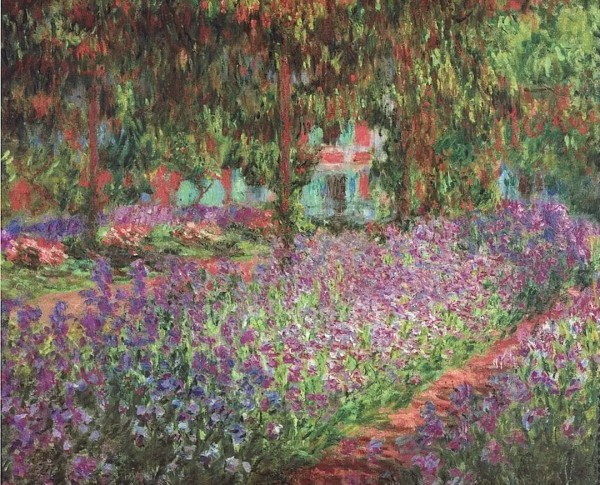
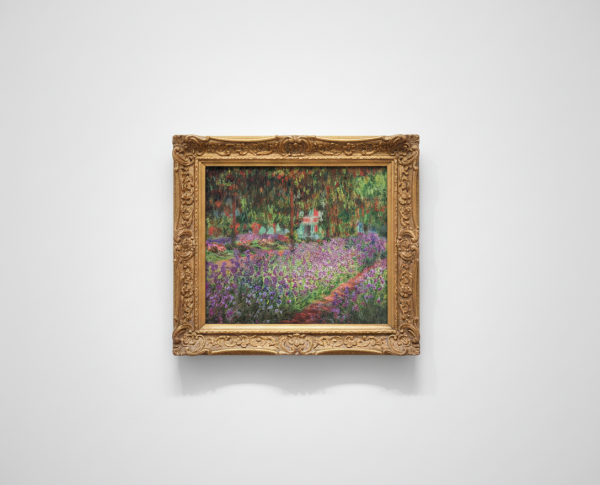
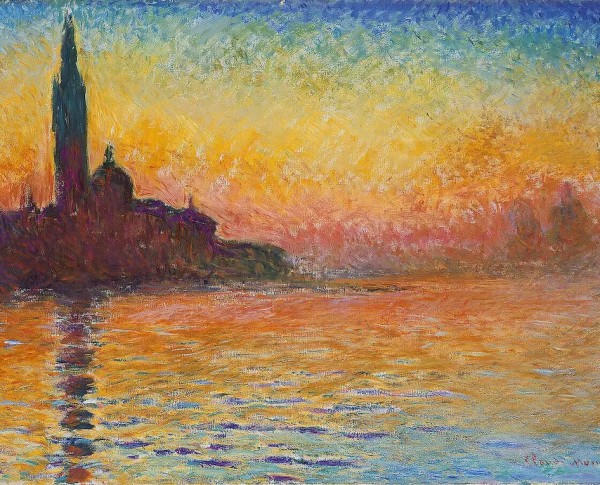
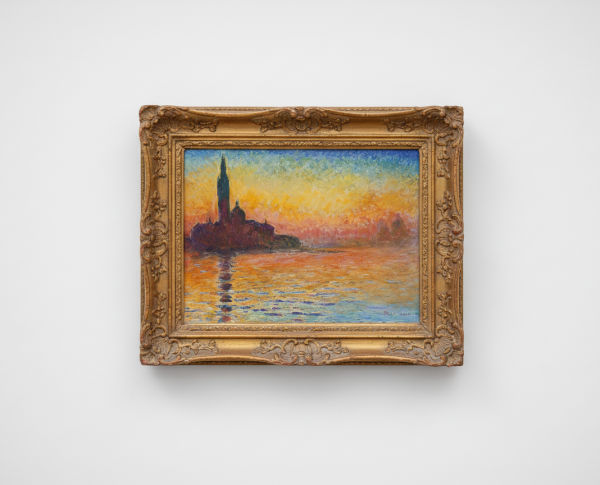
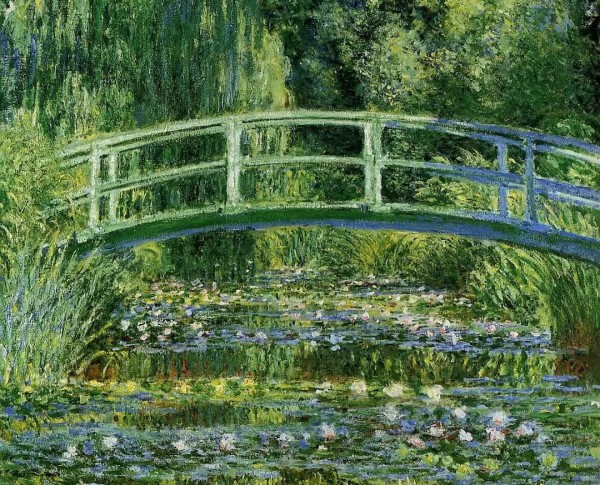
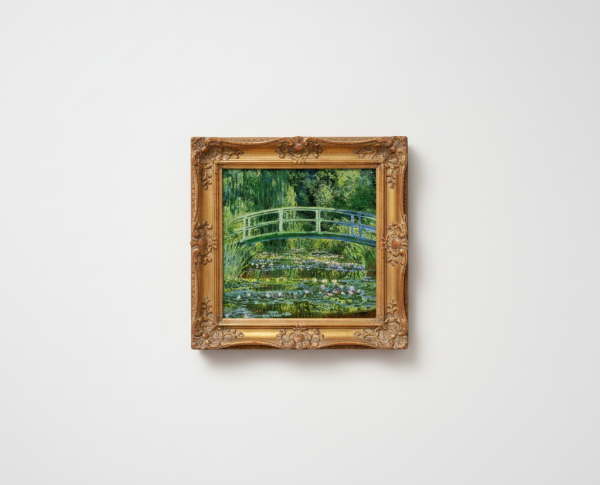
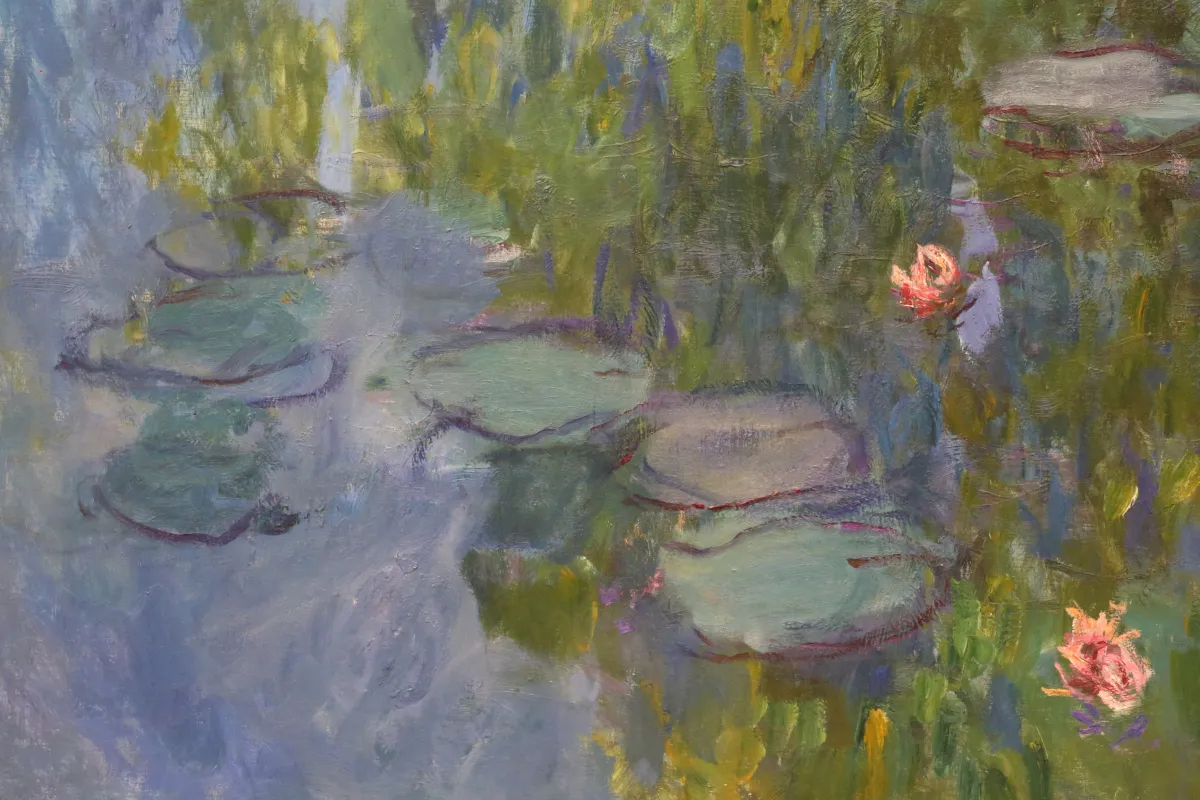
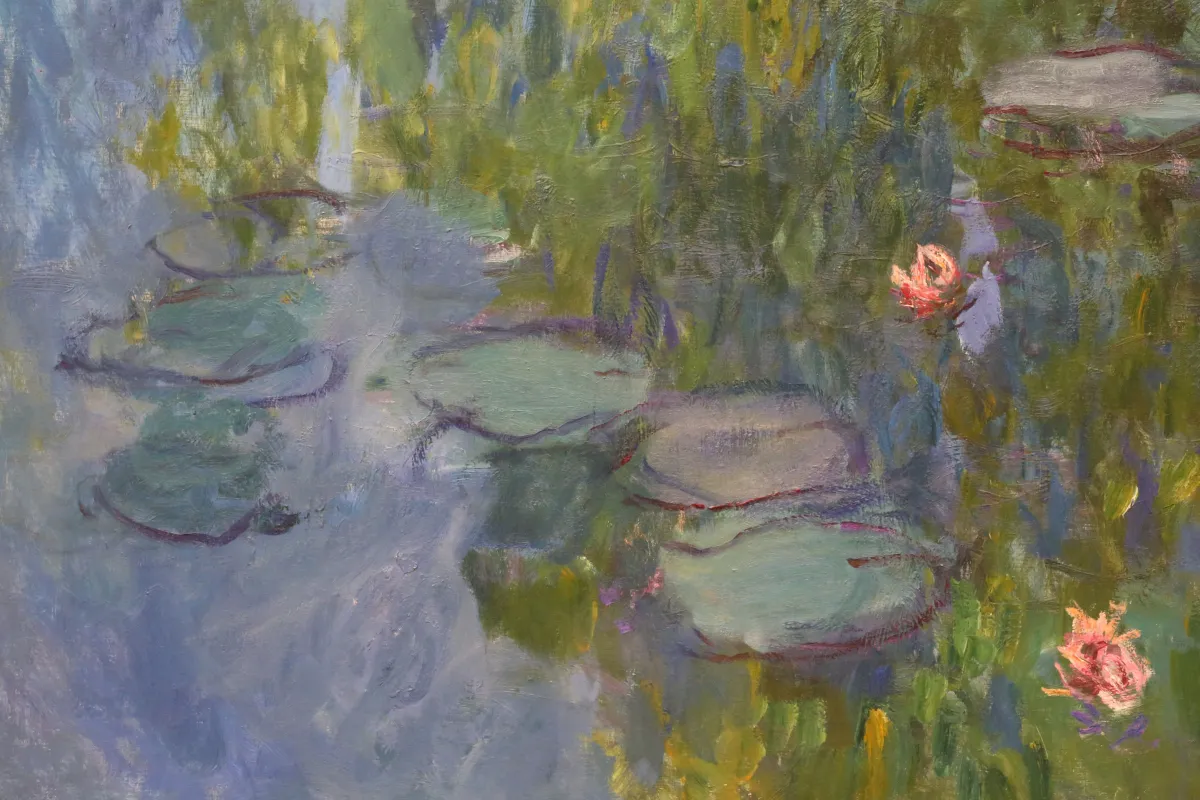
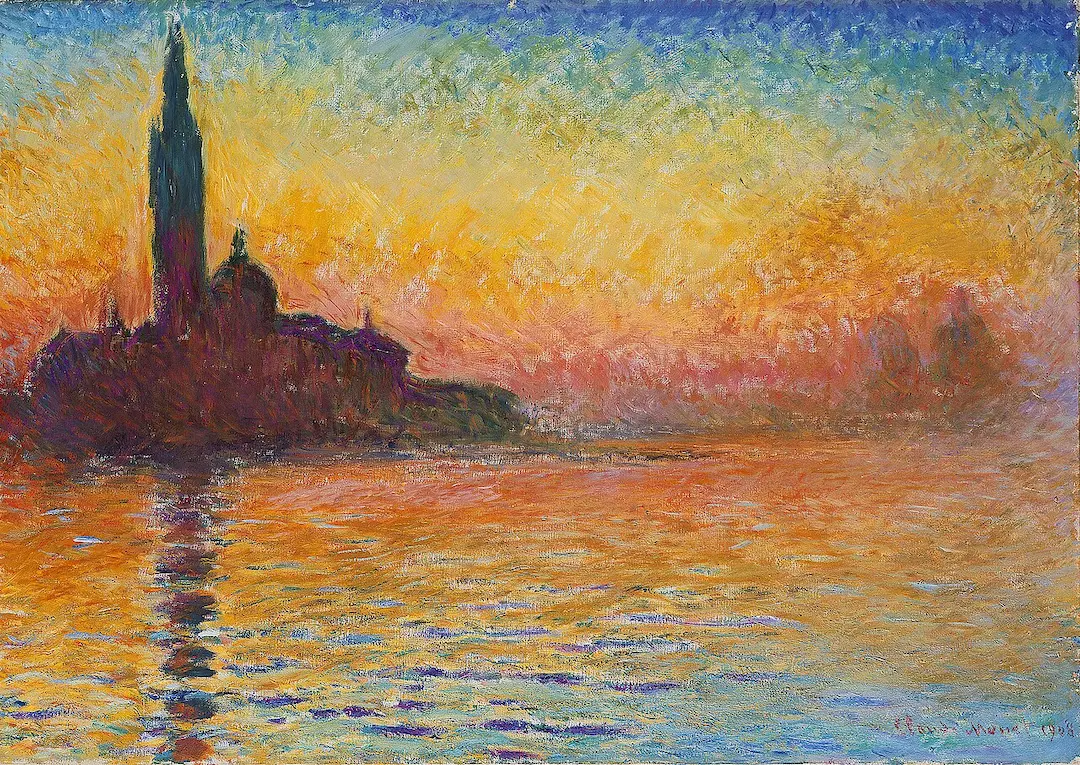
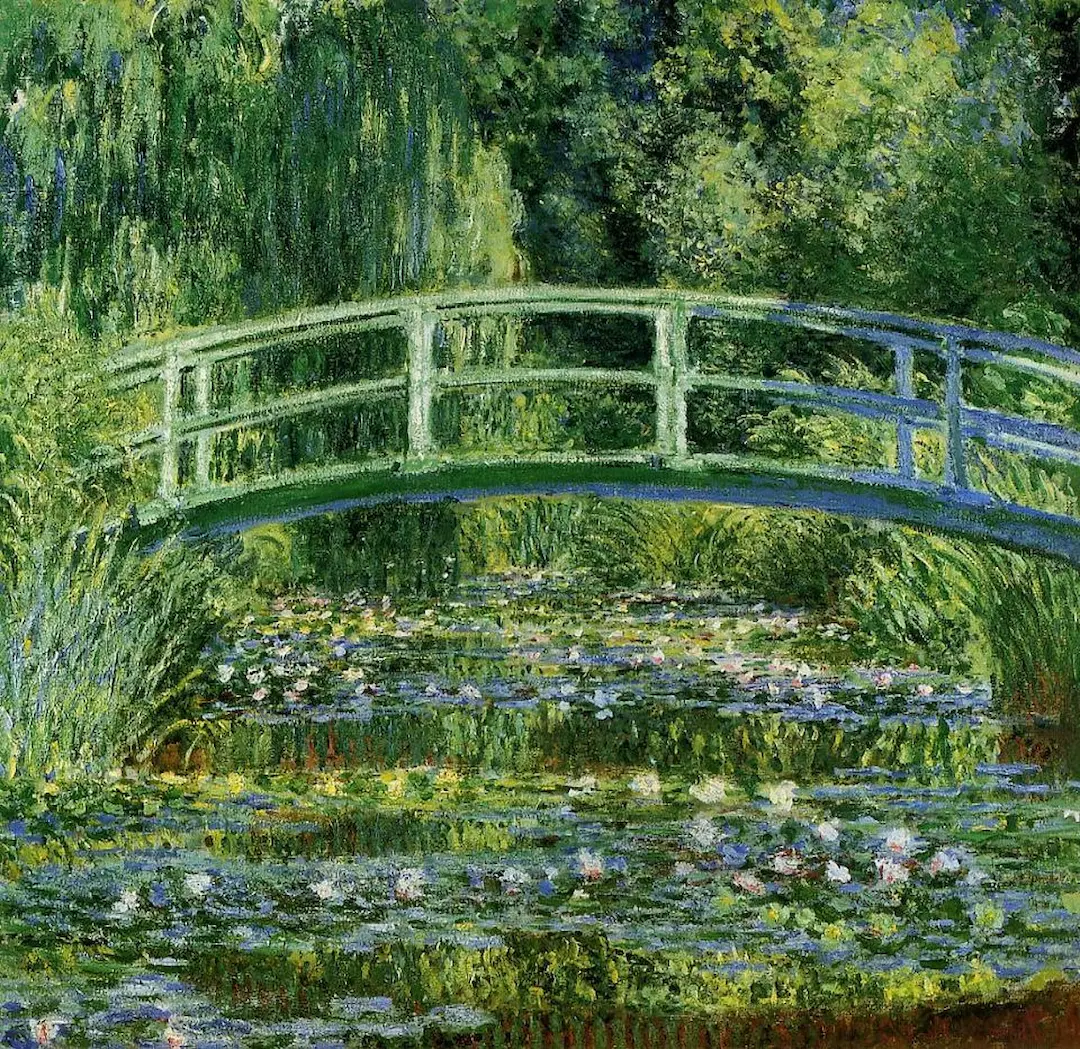
Every detail in Monet’s "Water Lilies" reveals his exceptional technique with oil on canvas, blending vibrant hues and soft edges to evoke a tranquil pond scene. As a leading figure in Impressionism, Monet’s innovative use of color and light set new standards in painting. Collectors often seek related works such as "Le Grand Canal, Venice" and the "Houses of Parliament series" for their exquisite execution and historical significance.
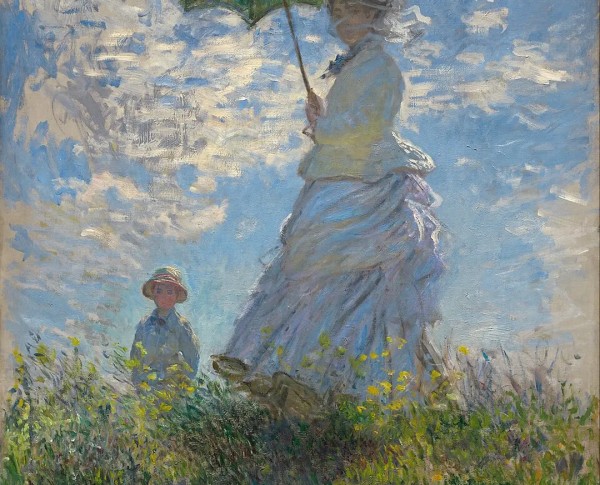
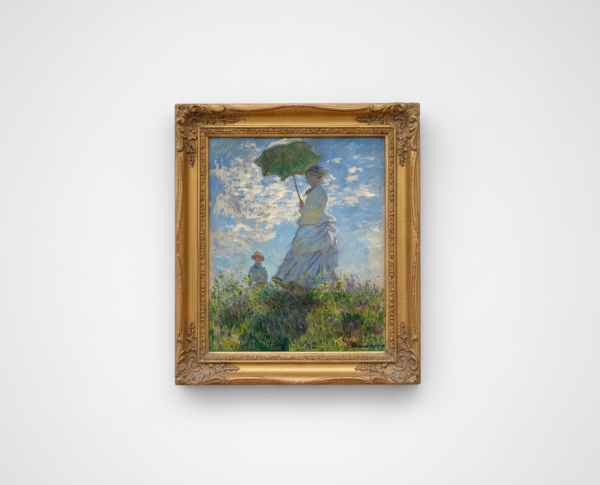
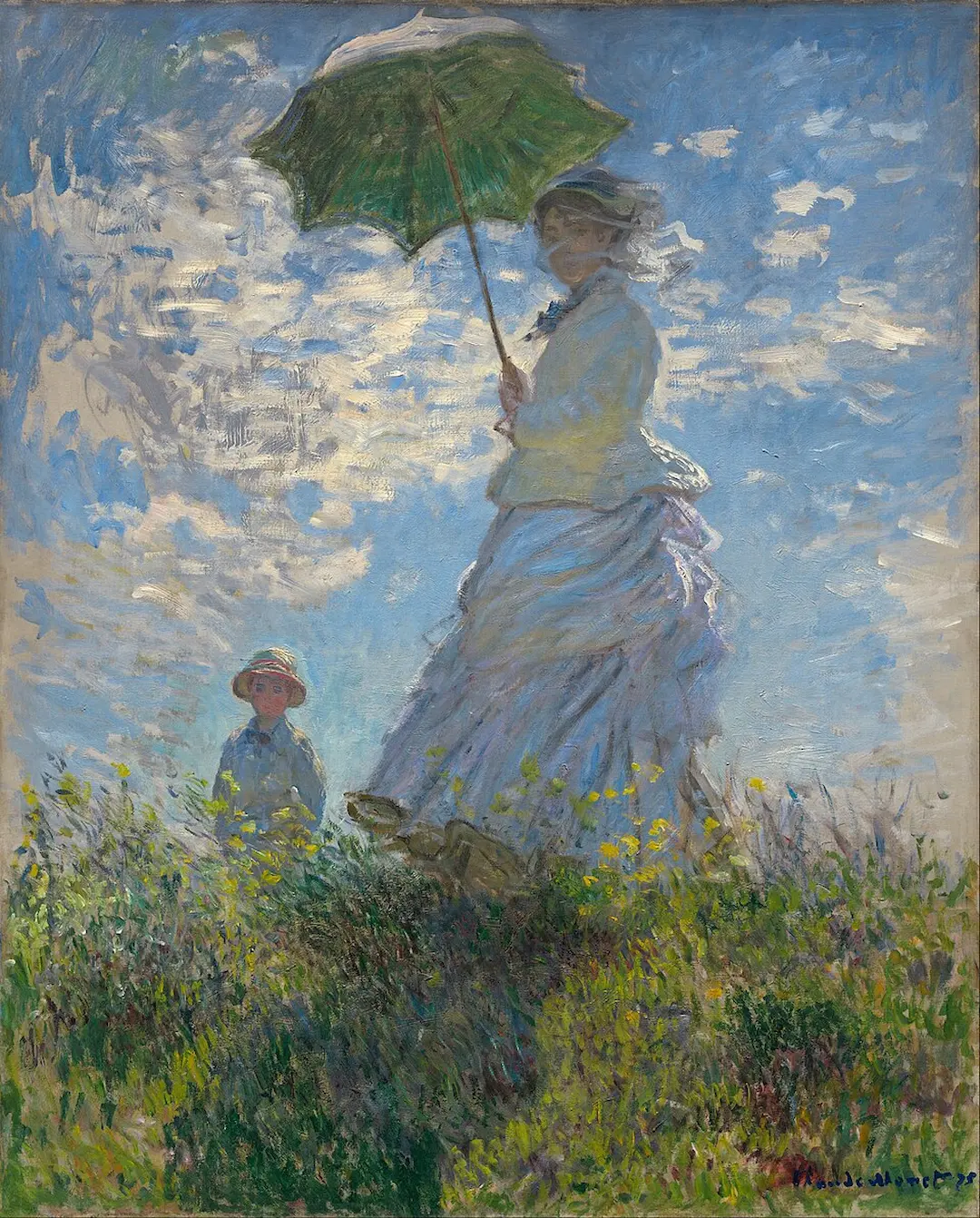
"Water Lilies" by Claude Monet is more than a fine art painting for sale; it is a visual story rich with symbolism. The serene water surface and floating lilies symbolize peace and reflection, hallmarks of the Impressionism movement. Monet’s thoughtful composition invites viewers to experience nature’s beauty firsthand, much like his other works "The Walk Woman With A Parasol" and "View At Rouelles Le Havre."
Owning a hand-painted oil painting like Monet’s "Water Lilies" is a dream for many art collectors. Its celebrated place in the Impressionism movement, paired with Monet’s reputation, ensures lasting value and admiration. Collectors often pair "Water Lilies" with related masterpieces such as "Le Grand Canal, Venice" or "Beach in Pourville" to create a refined gallery of Impressionist treasures.
When Art Meets History
Claude Monet’s "Water Lilies" stands as a defining hand-painted oil painting of the Impressionism movement. Created during a period of immense artistic innovation, this masterpiece captures the tranquil beauty of Monet’s garden in Giverny. Alongside works like "Young Spartans Exercising" and "La loge," Monet’s "Water Lilies" reflects the historical shift toward capturing fleeting light and atmosphere, forever changing the landscape of modern art and inspiring countless artists in generations to come.
Techniques That Speak
Utilizing the delicate layering of oil on canvas, Monet’s "Water Lilies" showcases the hallmark brushwork that defines Impressionism. The artist’s signature technique of broken color and visible strokes creates a shimmering surface, echoing the natural movement of water. Similar to techniques seen in "Spring Bouquet" and "Racehorses at Longchamp," Monet’s approach in this fine art painting emphasizes the sensory experience, inviting viewers to immerse themselves in the vibrant world he so masterfully depicts.
Emotions on Display
"Water Lilies" by Claude Monet is more than a fine art painting for sale; it’s an emotional journey through color and light. The gentle hues and luminous reflections evoke a sense of tranquility and contemplation, emblematic of Impressionism’s focus on personal perception. This emotional resonance can also be found in works like "Paris Street - Rainy Weather 1877," where atmosphere and mood take precedence, allowing viewers to connect deeply with the scene before them.
Coveted by Collectors
As one of Monet’s most celebrated hand-painted oil paintings, "Water Lilies" remains highly sought after by collectors and museums worldwide. Its enduring appeal lies not only in its technical brilliance but also in its pivotal role within the Impressionist canon. Alongside related masterpieces such as "La loge" and "Young Spartans Exercising," this iconic work represents the pinnacle of fine art painting for sale, sought after by connoisseurs who appreciate its historical and artistic significance.
Related Impressionism Hand-Painted Oil Paintings by Other Artists
Other Famous Impressionism Artists:
Frequently Asked Questions About Water Lilies
What is the historical significance of Water Lilies?
Water Lilies is part of a series of approximately 250 paintings created by Claude Monet, reflecting his fascination with the water garden at his home in Giverny. This series is significant as it marks a pivotal moment in the transition from Impressionism to a more abstract style in modern art.
What artistic techniques did Monet use in Water Lilies?
Monet employed loose brushwork and a vibrant color palette to capture the light and reflections on the water's surface. His technique of layering colors creates depth and movement, which is characteristic of his Impressionist style.
What themes are explored in Water Lilies?
The painting explores themes of nature, tranquility, and the passage of time. Monet's depiction of the water lilies reflects his deep connection to the natural world and his desire to convey the beauty of fleeting moments.
How does Water Lilies reflect Impressionist ideals?
Water Lilies embodies Impressionist ideals through its focus on light, color, and atmosphere rather than precise detail. Monet's emphasis on capturing the effects of light on the water demonstrates the movement's commitment to portraying the sensory experience of a moment.
What is the symbolism of the water lilies in the painting?
The water lilies symbolize purity and tranquility, often associated with serenity and peace. Monet's choice to depict them in various stages of bloom reflects the transient beauty of nature and the cycle of life.
How did Water Lilies influence modern art?
Water Lilies had a profound impact on modern art, inspiring movements such as Abstract Expressionism. The painting's focus on color and form over representational accuracy paved the way for artists to explore abstraction in their own work.
What was Monet's intention behind creating the Water Lilies series?
Monet intended to capture the changing qualities of light and atmosphere in his garden, creating a visual experience that immerses the viewer in the beauty of nature. His goal was to evoke emotion and contemplation through his art.
In what ways did Water Lilies reflect Monet's personal life?
The painting reflects Monet's personal life as it was created in his beloved garden in Giverny, which he cultivated as a sanctuary. This intimate connection to his environment is evident in the emotional depth and personal significance of the work.
What role did light play in the composition of Water Lilies?
Light plays a crucial role in the composition of Water Lilies, as Monet meticulously captured its reflections and variations on the water's surface. The interplay of light and shadow creates a dynamic quality that enhances the painting's overall atmosphere.
How is Water Lilies regarded in the context of Claude Monet's body of work?
Water Lilies is regarded as one of Monet's masterpieces and a culmination of his artistic exploration. It represents his innovative approach to color and form, solidifying his legacy as a leading figure in the Impressionist movement.






















_GFM_Painting_(1).webp)


 100% Hand-Painted: Finished in 3-6 Weeks

.png)















_(1).webp)