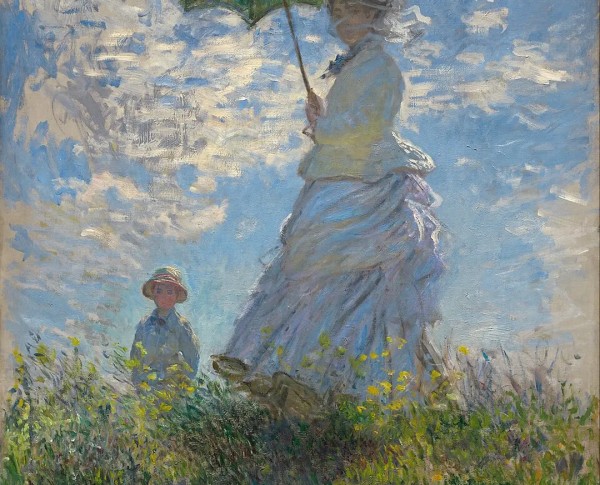
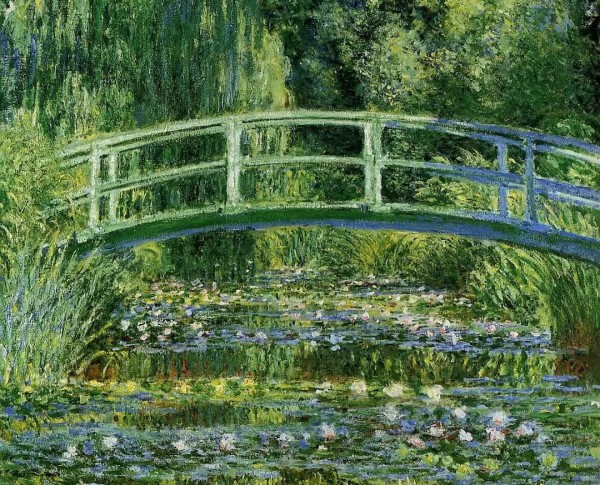
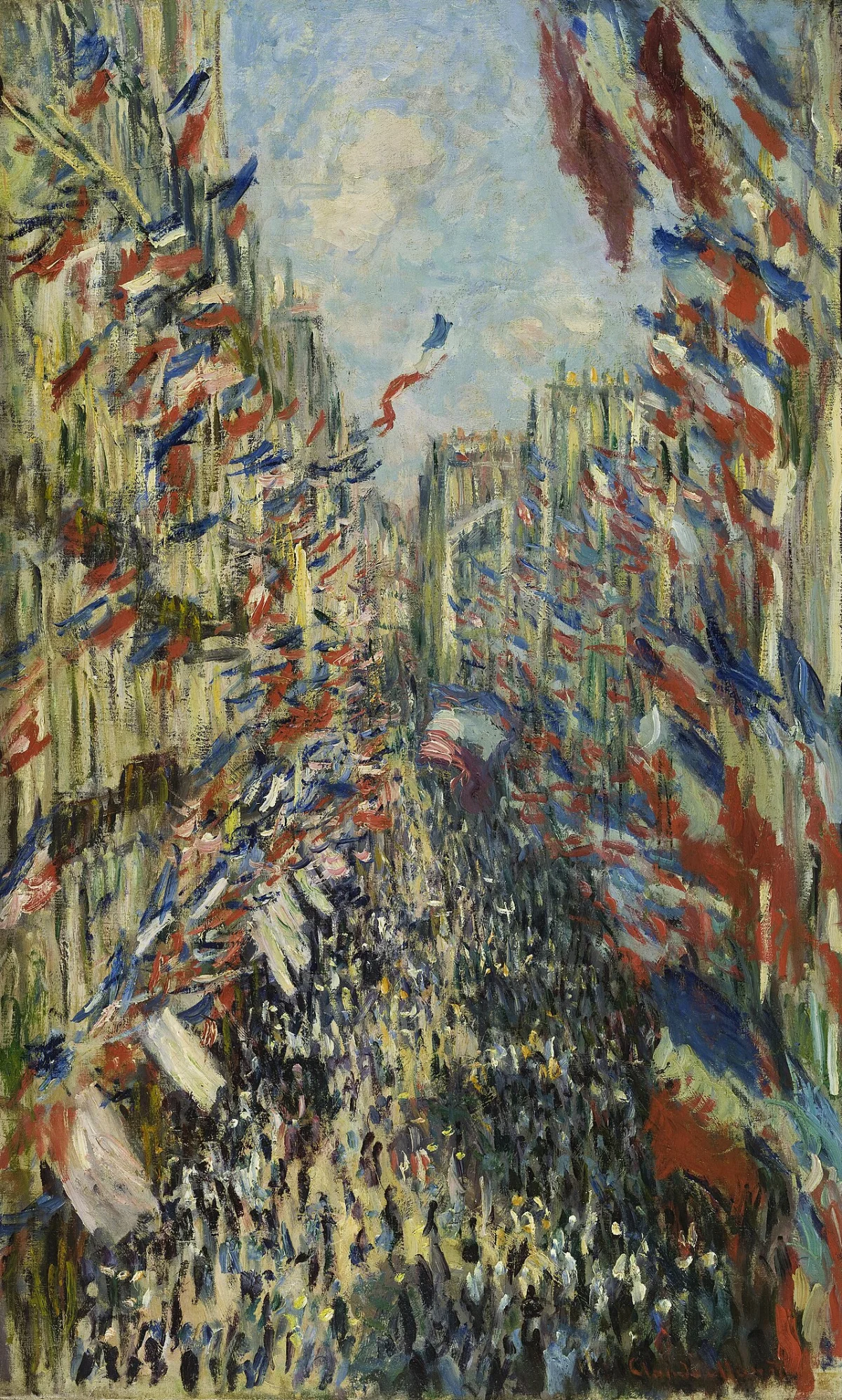
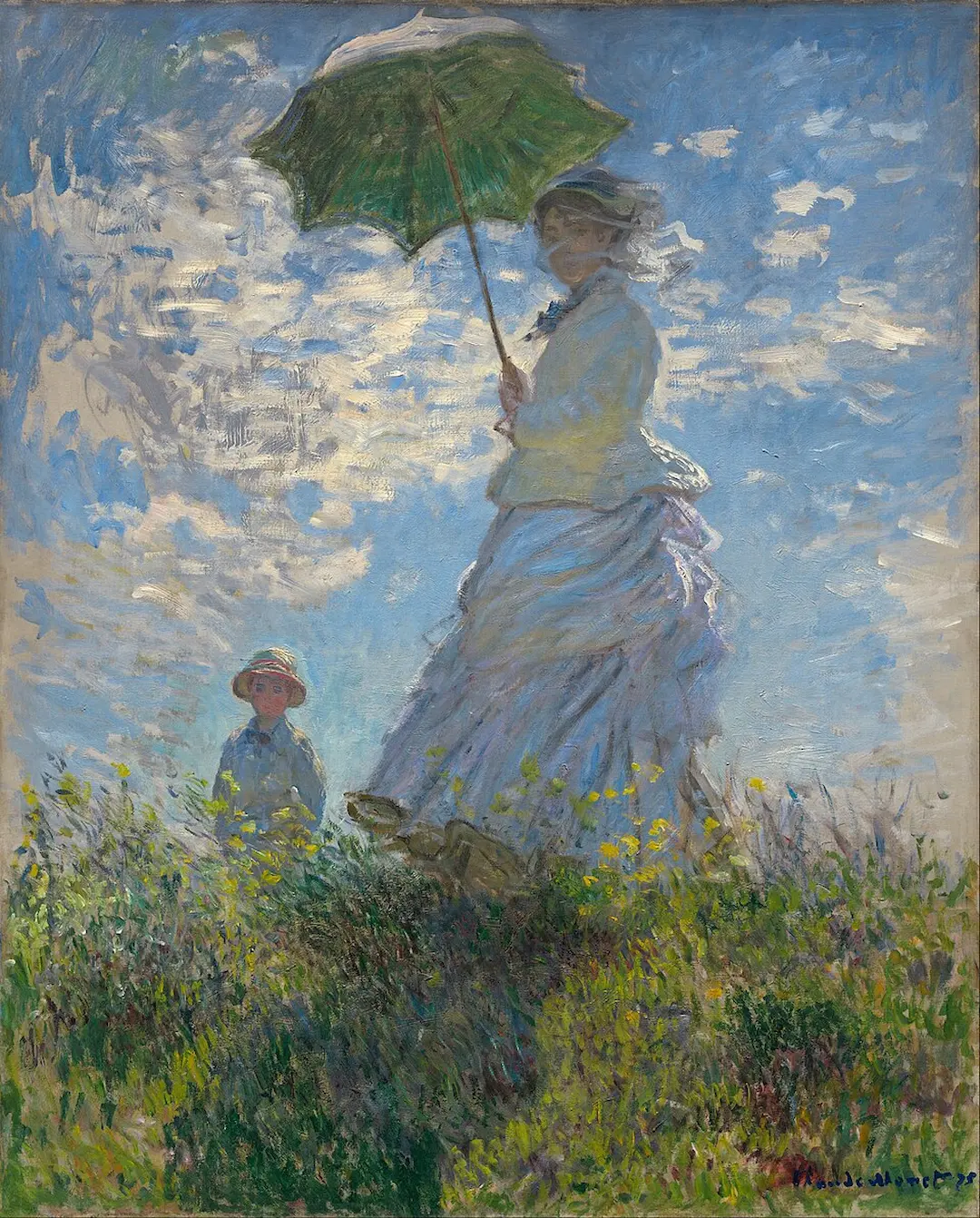
In "La Rue Montorgueil," Monet demonstrates his mastery of oil on canvas, layering delicate hues and swift strokes to evoke movement and atmosphere. The artist’s innovative technique, a hallmark of Impressionism, brings the festive street scene to life, inviting viewers to experience its vibrancy firsthand. Collectors frequently explore related works like "View At Rouelles Le Havre" and "Femme à l’ombrelle tournée vers la droite" to appreciate Monet’s evolving style and artistic vision.
This fine art painting for sale is more than a depiction of a Parisian celebration—it is an emblem of national pride and unity. Monet’s "La Rue Montorgueil" integrates subtle symbolism through its flags and exuberant crowds, reflecting the optimism of a nation. Those interested in Impressionism are also drawn to "Terrace at the Seaside, Sainte-Adresse" and "The Walk Woman With A Parasol" for their storytelling qualities and Monet’s unique narrative flair.
Owning "La Rue Montorgueil" by Claude Monet means possessing a piece of Impressionist history, meticulously rendered as a hand-painted oil painting. Its enduring appeal makes it a sought-after addition for collectors and enthusiasts alike. For those curating a comprehensive Impressionism collection, pairing this masterpiece with related products such as "The Pointe of Heve" and "Sainte-Adresse" offers a captivating journey through Monet’s celebrated oeuvre.
When Art Meets History
"La Rue Montorgueil" by Claude Monet is an iconic hand-painted oil painting that captures the vibrant spirit of Paris during the Impressionism movement. Created in 1878, this masterpiece immortalizes a national celebration, with jubilant crowds and waving flags lining the famous street. Monet, a leading figure in Impressionism, used his signature brushwork to document this historic moment. Related works like "Paris Street; Rainy Day" and "Dance At The Moulin De La Galette" also echo the lively Parisian atmosphere.
Techniques That Speak
Monet’s "La Rue Montorgueil" exemplifies the revolutionary oil on canvas techniques of Impressionism. Swift, colorful brushstrokes convey movement and light, while layered textures create depth and emotion. Claude Monet’s mastery is evident in every detail, reflecting his dedication to capturing fleeting moments. This work stands alongside related paintings like "Le Café-concert aux ambassadeurs" and "Study of Gentile Bellini," showcasing the innovative artistry that defines the Impressionist movement.
Emotions on Display
The exuberance of "La Rue Montorgueil" radiates from Monet’s fine art painting for sale. Through his Impressionist lens, Claude Monet invites viewers into a festive Parisian scene, brimming with joy and national pride. The painting’s lively palette and energetic composition evoke feelings of unity and hope. Similar emotional intensity can be found in related works such as "Portrait of Mademoiselle Sicotg" and "Dance At The Moulin De La Galette," making Monet’s art universally resonant.
Coveted by Collectors
As a celebrated hand-painted oil painting, "La Rue Montorgueil" is highly sought after by collectors and art enthusiasts. Monet’s depiction of Parisian life and his pioneering Impressionist style make this piece a prized addition to any collection. Alongside masterpieces like "Paris Street; Rainy Day" and "Le Café-concert aux ambassadeurs," this painting continues to inspire admiration worldwide. Its enduring appeal cements Monet’s legacy in the world of fine art painting for sale.
Related Impressionism Hand-Painted Oil Paintings by Other Artists
Other Famous Impressionism Artists:
Frequently Asked Questions About La Rue Montorgueil
What is the historical significance of La Rue Montorgueil?
La Rue Montorgueil is significant as it captures a pivotal moment in French history, depicting the celebration of the 1889 French Revolution centenary. The painting reflects the joy and national pride of the time.
What artistic techniques did Claude Monet use in La Rue Montorgueil?
Monet employed his signature Impressionist techniques, including loose brushwork and a vibrant color palette, to convey the lively atmosphere of the street scene and the play of light on various surfaces.
What themes are explored in La Rue Montorgueil?
The painting explores themes of community, celebration, and the passage of time, highlighting the connection between the people and their environment during a moment of collective joy.
How does La Rue Montorgueil reflect Impressionist principles?
La Rue Montorgueil exemplifies Impressionist principles through its focus on capturing a fleeting moment, the use of natural light, and an emphasis on everyday life, rather than historical or mythological subjects.
What is the significance of the flags depicted in La Rue Montorgueil?
The flags in the painting symbolize national pride and unity, serving as a visual representation of the celebrations marking the centennial of the French Revolution.
In what year was La Rue Montorgueil painted?
La Rue Montorgueil was painted in 1878, during a time when Monet was focused on capturing the essence of modern life in Paris.
What role does light play in La Rue Montorgueil?
Light plays a crucial role in La Rue Montorgueil, as Monet masterfully captures its effects on the colors and forms of the scene, enhancing the vibrancy and immediacy of the moment.
How does La Rue Montorgueil compare to other works by Monet?
La Rue Montorgueil is distinctive for its urban subject matter, contrasting with many of Monet's other works that often focus on landscapes and natural settings, showcasing his versatility as an artist.
What can be inferred about Parisian life from La Rue Montorgueil?
The painting offers a glimpse into Parisian life in the late 19th century, illustrating the vibrancy of urban culture and the communal spirit of its inhabitants during festive occasions.
Where is La Rue Montorgueil currently housed?
La Rue Montorgueil is currently housed in the Musée d'Orsay in Paris, France, where it is part of the museum's extensive collection of Impressionist works.























_GFM_Painting_(1).webp)


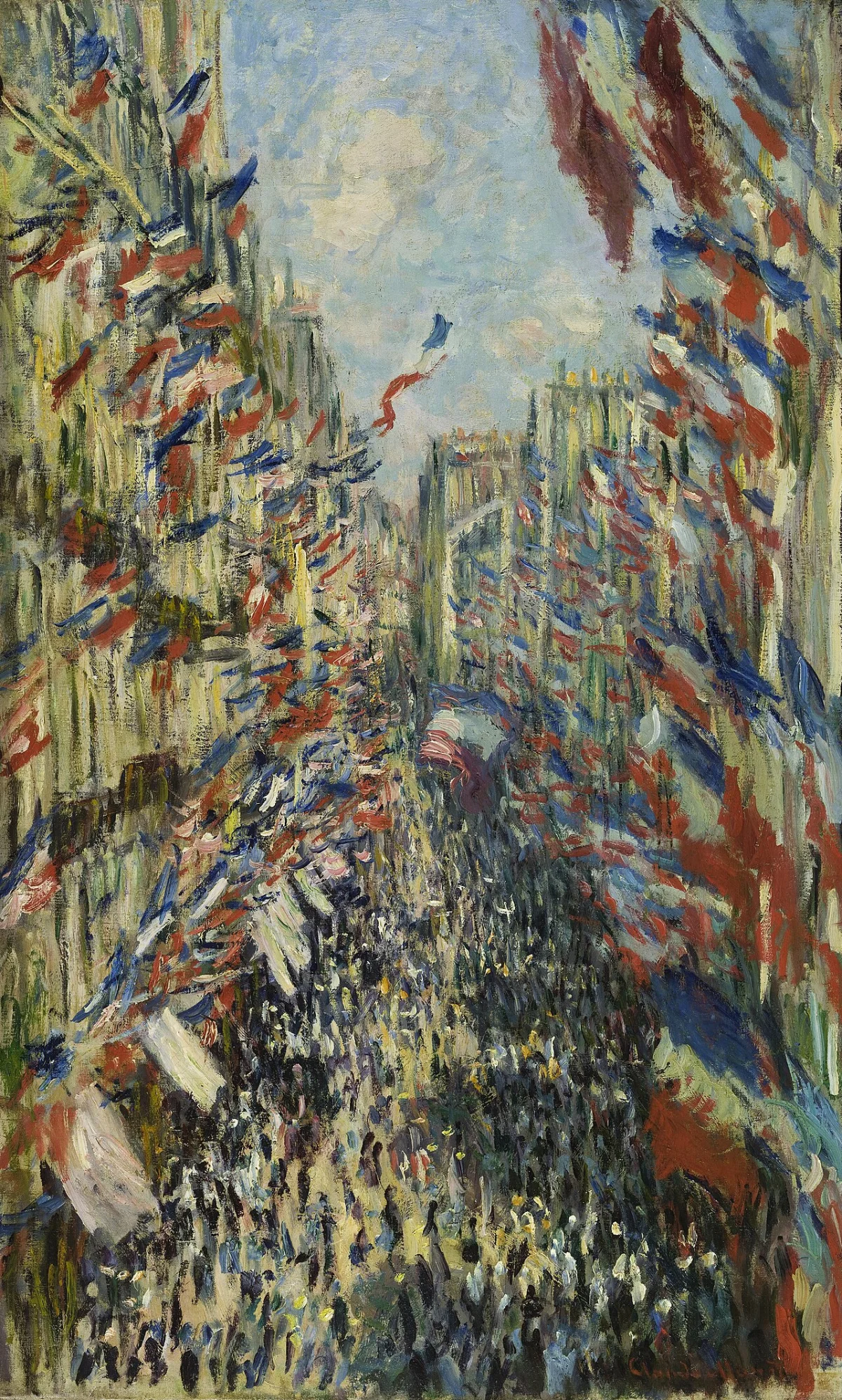
 100% Hand-Painted: Finished in 3-6 Weeks

.png)















_(1).webp)